30-30-30 Rule Calculator
Plan the viral morning routine: get personalized breakfast options with 30 g of protein, your Zone 2 cardio heart rate target, estimated calorie burn, and a full time-stamped morning schedule.
What Is the 30-30-30 Rule?
The 30-30-30 rule is a structured morning routine with three components, each based on the number 30:
- 30 grams of protein — consumed as the first meal of the day, ideally from whole food sources like eggs, Greek yogurt, cottage cheese, or a protein shake.
- Within 30 minutes of waking — the protein meal must be finished before the 30-minute window after waking closes. This timing is designed to stabilize blood glucose and set appetite hormones for the rest of the day.
- 30 minutes of low-intensity cardio — immediately after breakfast. The cardio should be Zone 2 (60–70% of max heart rate) — a comfortable pace where you can hold a full conversation. This is not a high-intensity interval session.
The protocol was popularized by author Tim Ferriss and subsequently went viral on TikTok and Instagram with millions of followers sharing their results. The appeal is its simplicity: three rules, three numbers, and less than an hour of morning commitment.
The Science Behind the 30-30-30 Rule
Why 30 Grams of Protein at Breakfast?
Protein is the most satiating macronutrient. A high-protein breakfast has been shown in multiple studies to reduce ghrelin (the hunger hormone), increase peptide YY (the satiety hormone), and meaningfully lower total calorie intake throughout the day. Thirty grams is often cited as the threshold near which muscle protein synthesis is maximized per meal — going higher has diminishing returns for muscle-building purposes.
In a study published in the American Journal of Clinical Nutrition, participants who ate a high-protein breakfast consumed significantly fewer calories at lunch and dinner compared to those who skipped breakfast or ate a high-carbohydrate breakfast.
Why Zone 2 Cardio Specifically?
Zone 2 cardio — exercise at 60–70% of maximum heart rate — is the intensity at which the body's primary fuel source shifts to fat oxidation. At this pace, mitochondria are trained to burn fat more efficiently, making Zone 2 training one of the most metabolically beneficial forms of exercise for long-term body composition and cardiovascular health.
Unlike high-intensity training, Zone 2 cardio is low-impact, easy to recover from, and does not create significant cortisol spikes in the morning. It is accessible to most fitness levels: a brisk 30-minute walk qualifies for most people.
Why the Timing Matters
Eating protein within 30 minutes of waking takes advantage of the natural morning cortisol peak. Cortisol is elevated in the early morning, which can promote muscle breakdown if protein is not available. Consuming protein early helps blunt this catabolic effect. The subsequent low-intensity cardio session is then performed in a fed state, which research suggests can be equally effective for fat loss compared to fasted cardio, while carrying less risk of muscle loss.
Zone 2 Heart Rate by Age
The table below shows Zone 2 heart rate ranges (60–70% of estimated max HR using the Tanaka formula) for common ages. If you fall between ranges, use the calculator above for a personalized value.
| Age | Est. Max HR | Zone 2 Low (60%) | Zone 2 High (70%) |
|---|---|---|---|
| 20 | 194 bpm | 116 bpm | 136 bpm |
| 25 | 191 bpm | 115 bpm | 134 bpm |
| 30 | 187 bpm | 112 bpm | 131 bpm |
| 35 | 184 bpm | 110 bpm | 129 bpm |
| 40 | 180 bpm | 108 bpm | 126 bpm |
| 45 | 177 bpm | 106 bpm | 124 bpm |
| 50 | 173 bpm | 104 bpm | 121 bpm |
| 55 | 170 bpm | 102 bpm | 119 bpm |
| 60 | 166 bpm | 100 bpm | 116 bpm |
| 65 | 163 bpm | 98 bpm | 114 bpm |
30 g Protein Breakfast Ideas by Diet Type
Omnivore
- 3 whole eggs + 2 egg whites + 2 slices turkey breast (~34 g protein)
- 170 g Greek yogurt (0%) + 1 scoop whey protein powder (~41 g protein)
- 200 g cottage cheese + 2 hard-boiled eggs (~35 g protein)
- 4 oz smoked salmon + 3 egg whites + 1 tbsp cream cheese (~35 g protein)
Vegetarian
- 200 g Greek yogurt + 1 scoop protein powder + 2 tbsp hemp seeds (~50 g protein)
- 3 whole eggs + 100 g cottage cheese + spinach (~31 g protein)
- Tofu scramble (200 g firm tofu) + 40 g shredded cheese (~28 g protein)
Vegan
- 2 scoops plant protein powder + 1 cup soy milk + banana (~54 g protein)
- 250 g firm tofu + 3 tbsp nutritional yeast + 100 g black beans (~37 g protein)
- 150 g edamame + 1 scoop plant protein + soy milk + hemp seeds (~47 g protein)
Best Zone 2 Cardio Options for the 30-30-30 Rule
The key is keeping intensity low enough to stay in Zone 2 (60–70% of max HR) for the full 30 minutes. These activities are all suitable:
- Brisk walking: Most accessible option. Aim for a pace of 3–4 mph. Works for most adults regardless of fitness level.
- Light jogging: Suitable for those with a running base. Keep the pace conversational — if you cannot speak in full sentences, slow down.
- Stationary cycling: Low impact, easy to control intensity. Set resistance low and maintain 60–80 RPM at a comfortable effort.
- Elliptical at low resistance: Full-body, joint-friendly option. Maintain a steady, comfortable pace.
- Swimming (easy laps): Excellent low-impact option. Backstroke or leisurely freestyle at an easy pace.
- Rowing machine (light): Full-body engagement at low resistance. Aim for a relaxed stroke rate (~18–22 spm).
Frequently Asked Questions
What is the 30-30-30 rule?
The 30-30-30 rule is a morning protocol popularized by Tim Ferriss: eat 30 grams of protein within 30 minutes of waking, then do 30 minutes of low-intensity Zone 2 cardio (60–70% of max heart rate). It is designed to stabilize blood sugar, curb appetite, and promote fat oxidation.
Does the 30-30-30 rule actually work for weight loss?
The individual components are well-supported by science. High-protein breakfasts reliably reduce overall calorie intake throughout the day. Zone 2 cardio is an effective fat-burning and metabolic health tool. Combined as a consistent daily routine, it creates favorable conditions for a caloric deficit and improved body composition.
What is Zone 2 cardio and how do I know if I am in it?
Zone 2 is 60–70% of your maximum heart rate. A simple way to check: you should be able to hold a full conversation without gasping. For most people, brisk walking or slow jogging qualifies. Use a heart rate monitor or the calculator above for your personalized range.
Can I do the 30-30-30 rule on a vegan diet?
Yes. Plant-based protein powders (pea, hemp, rice), firm tofu, edamame, and soy milk are all efficient sources. A two-scoop plant protein shake with soy milk provides 50+ g of protein and takes under two minutes to make. Select Vegan in the calculator for tailored options.
Do I have to do cardio right after breakfast, or can I do it before?
The standard 30-30-30 protocol has you eat breakfast first, then do cardio immediately after. This is not a fasted cardio protocol. Eating protein before the session may help preserve muscle tissue during exercise.
How many calories will I burn doing 30 minutes of Zone 2 cardio?
Calorie burn depends on body weight and exercise intensity. The calculator uses a MET value of 5.0 (moderate Zone 2 effort) × weight in kg × 0.5 hours. For example, a 70 kg person burns approximately 175 calories. A 90 kg person burns approximately 225 calories.
Related Tools
iPhone app · 3-day free trial
You're likely eating 500 calories more than you think
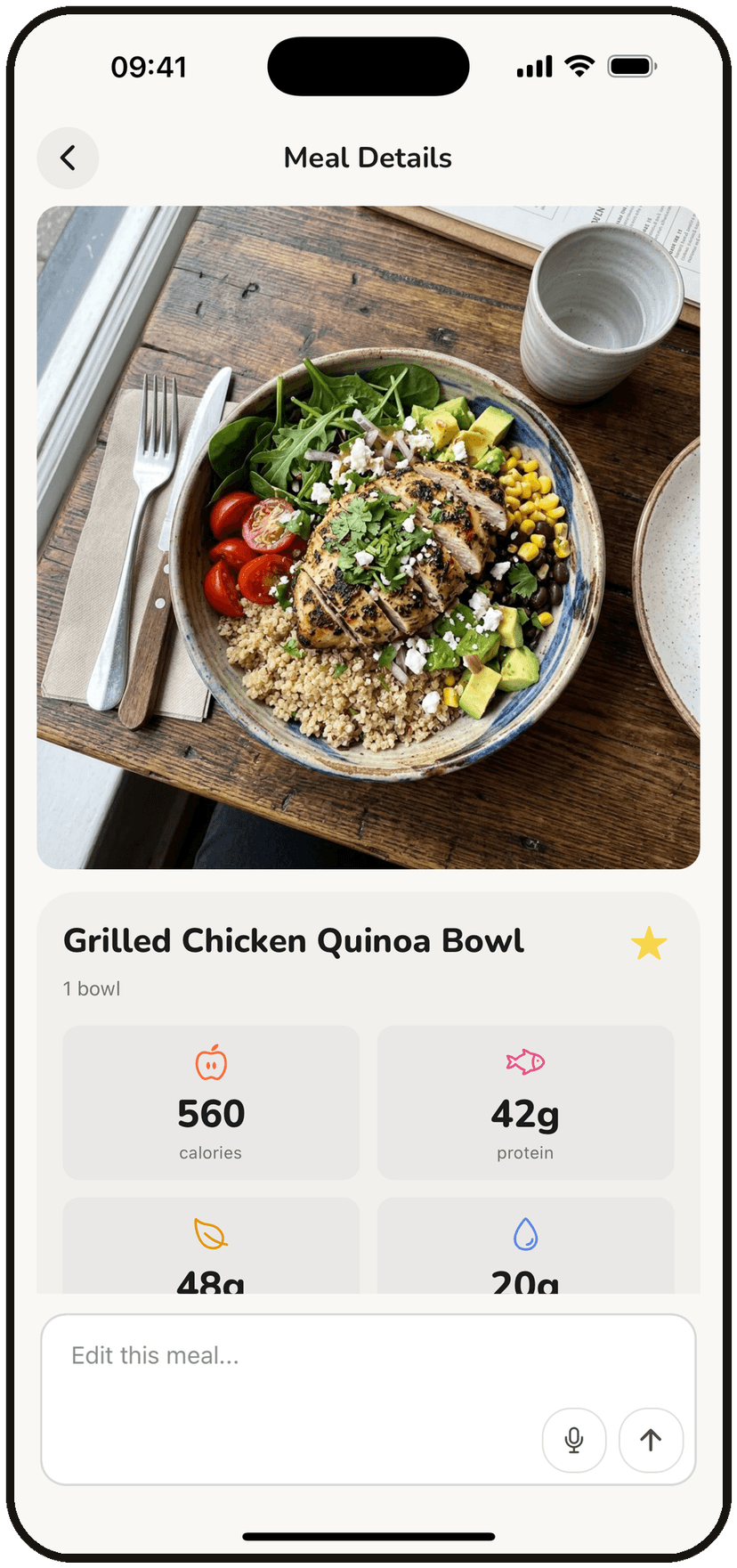
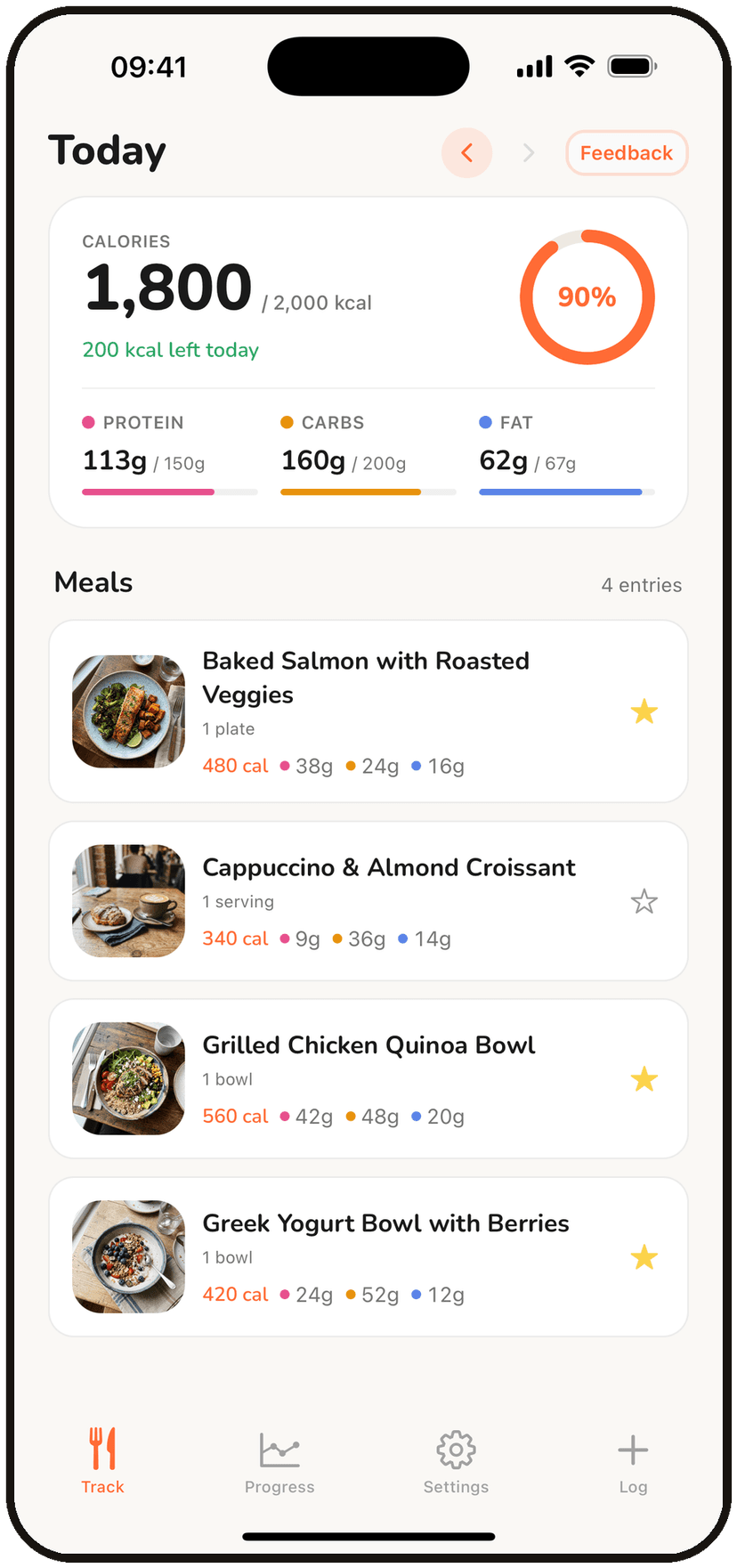
Portion guesses add up fast. BiteKit's AI estimates what's actually on your plate — oils, sides and all — so your log stays close to what you really ate.
- Log meals by photo, voice, or text
- Calories & macros estimated in seconds
- Syncs with Apple Health and Apple Watch
Free download · 3-day free trial, cancel anytime.
Scan with your iPhone camera