30 Plants a Week Tracker
Log the plant foods you eat each week and track your progress toward the research-backed goal of 30 different plants per week — the single most powerful thing you can do for gut microbiome diversity.
Weekly Plant Points
Getting started — every new plant counts!
0
Unique plants
30
Points to goal
7
Categories
Filter by category
Vegetables
0/37Fruits
0/24Whole Grains
0/14Legumes
0/12Nuts
0/9Seeds
0/7Herbs & Spices
¼ point each0/24How points are counted
- Vegetables, Fruits, Whole Grains, Legumes, Nuts, Seeds — 1 point each
- Herbs & Spices — 0.25 points each (per the ZOE/Sonnenburg study guidelines)
- Each plant food counts once, regardless of how often you eat it
- Your selections are saved automatically in your browser
Why 30 Different Plants Per Week?
The 30 plants per week recommendation comes from the American Gut Project, one of the largest citizen science studies of the human microbiome. Researchers analyzed gut microbiome samples from thousands of people across the United States, United Kingdom, and Australia and found a striking pattern:
People who ate 30 or more different plant foods per week had significantly more diverse gut microbiomes than those who ate 10 or fewer. This held true regardless of whether they were vegan, vegetarian, or omnivores. The number that mattered most was not how healthy individual foods were — it was the diversity of plant species.
Stronger Immunity
A diverse microbiome produces more immune-regulatory compounds and short-chain fatty acids that train immune cells
Lower Inflammation
Plant polyphenols and fibers feed bacteria that reduce inflammatory markers linked to chronic disease
Better Energy
Microbiome diversity is associated with more stable blood sugar and improved mitochondrial function
What Counts as a Plant?
The 30 plants challenge is broader than most people expect. It includes seven main categories, each contributing unique fibers, polyphenols, and phytochemicals that feed different species of gut bacteria:
Vegetables
1 pt eachBroccoli, spinach, sweet potato, garlic
Fruits
1 pt eachBlueberries, apples, avocado, pomegranate
Whole Grains
1 pt eachOats, quinoa, brown rice, farro
Legumes
1 pt eachLentils, chickpeas, black beans, tofu
Nuts
1 pt eachWalnuts, almonds, pistachios, Brazil nuts
Seeds
1 pt eachChia, flaxseeds, hemp seeds, pumpkin seeds
Herbs & Spices
0.25 pts eachTurmeric, cumin, ginger, cinnamon, basil
Practical Tips to Reach 30 Plants
Once you start thinking in terms of plant diversity, hitting 30 per week becomes surprisingly achievable. Here are the most effective strategies used by people who consistently reach the goal:
Use mixed bags and variety packs
A bag of mixed salad leaves might contain romaine, arugula, spinach, and radicchio — that's 4 plants in one purchase. Mixed frozen berries, trail mix with multiple nut types, and mixed bean cans all multiply your plant diversity without extra effort.
Rotate grains and legumes
Instead of always eating white rice, rotate between brown rice, quinoa, farro, and oats across the week. Swap chickpeas for lentils one day and black beans the next. Each swap adds a new plant species.
Season generously with spices
Herbs and spices are worth 0.25 points each, and it is easy to use 4-8 per meal. A curry with turmeric, cumin, coriander, and ginger already adds 1 full plant point. Cooking with fresh herbs like basil, parsley, and cilantro further increases your tally.
Add seeds to everything
Keep chia seeds, flaxseeds, sesame seeds, and pumpkin seeds on the counter. Sprinkle them on yogurt, salads, oatmeal, smoothies, or stir them into soups. Four different seeds = 4 plant points with almost zero extra cooking time.
The Science Behind Plant Diversity
Your gut microbiome contains trillions of bacteria, fungi, and other microorganisms. Different species of gut bacteria specialize in fermenting different types of plant fiber and polyphenols. Eating a wide variety of plant foods ensures you are feeding a broader range of microbial species, each contributing unique metabolites.
When gut bacteria ferment plant fiber, they produce short-chain fatty acids (SCFAs) like butyrate, propionate, and acetate. These compounds:
- Fuel the cells lining your intestinal wall, maintaining the gut barrier
- Signal the brain via the gut-brain axis to regulate appetite and mood
- Reduce systemic inflammation by modulating immune cell activity
- Improve insulin sensitivity and support healthy blood sugar regulation
The key insight is that no single plant provides all these benefits. Diversity — eating many different plants — is what allows many different microbial species to thrive and produce this full spectrum of beneficial compounds.
A Sample Week to Hit 30 Plants
Here's how a typical week might look. Notice that 30 plants is achievable without any special or exotic foods — just a little variety across everyday meals:
| Day | Plants eaten | Points |
|---|---|---|
| Mon | Oats, banana, blueberries, cinnamon, flaxseeds | +4.25 |
| Tue | Spinach salad, tomato, cucumber, lentil soup, whole wheat bread | +5 |
| Wed | Brown rice, broccoli, garlic, tofu, ginger, sesame, soy | +7 |
| Thu | Quinoa, chickpeas, bell pepper, parsley, almonds | +5 |
| Fri | Oatmeal with chia, apple, walnuts, turmeric latte | +4.25 |
| Sat | Mixed berries, avocado, pumpkin seeds, cumin, oregano | +4.5 |
| Sun | Sweet potato, kale, black beans, rosemary, pomegranate | +5 |
| Total | 35 pts | |
Note: Plants eaten on multiple days only count once per week. The goal is diversity of species, not repetition.
Frequently Asked Questions
What is the 30 plants a week challenge?
The 30 plants per week challenge is based on the American Gut Project, one of the largest microbiome studies ever conducted. Researchers found that people who ate 30 or more different plant foods per week had significantly more diverse gut microbiomes — which is linked to better digestion, immunity, and overall health — than those who ate 10 or fewer. The ZOE nutrition program popularized the challenge as a practical weekly goal.
What counts as a plant for the challenge?
Any distinct plant species: vegetables, fruits, whole grains, legumes, nuts, seeds, herbs, and spices. Each unique plant counts once per week. Herbs and spices count as 0.25 points each. Both fresh, cooked, frozen, and canned versions count. Ultra-processed foods like white bread do not count because the beneficial plant structure has been removed.
Why do herbs and spices only count as a quarter point?
Herbs and spices are consumed in very small quantities compared to a serving of vegetables or a bowl of grains. The ZOE and Sonnenburg research protocol assigns them 0.25 plant points each to reflect their smaller contribution per serving. That said, they are still valuable — polyphenols in spices like turmeric, cumin, and cinnamon meaningfully feed microbiome diversity.
Is 30 plants a week realistic for most people?
Yes — once you start thinking in terms of diversity, 30 is more achievable than it sounds. A breakfast of oats with blueberries and cinnamon is already 2.25 points. A mixed salad with three different vegetables and olive oil dressing adds more. The key mindset shift is choosing variety: swap your usual grain, mix different beans, rotate your fruits, and season with multiple spices.
How does plant diversity improve gut health?
Different species of gut bacteria specialize in fermenting different types of plant fiber and polyphenols. Eating many plant varieties feeds many microbial species, allowing a diverse ecosystem to thrive. These bacteria produce short-chain fatty acids (butyrate, propionate, acetate) that fuel the gut lining, reduce inflammation, regulate blood sugar, and communicate with the brain via the gut-brain axis. Microbial diversity is strongly associated with overall health outcomes.
Does each plant need to be eaten fresh or raw?
No — cooking method does not matter. Frozen, canned, dried, roasted, steamed, or raw versions of the same plant all count equally. A can of black beans counts. Frozen edamame counts. Dried lentils once cooked count. The important thing is that you are consuming a diverse range of plant species each week.
iPhone app · 3-day free trial
You're likely eating 500 calories more than you think
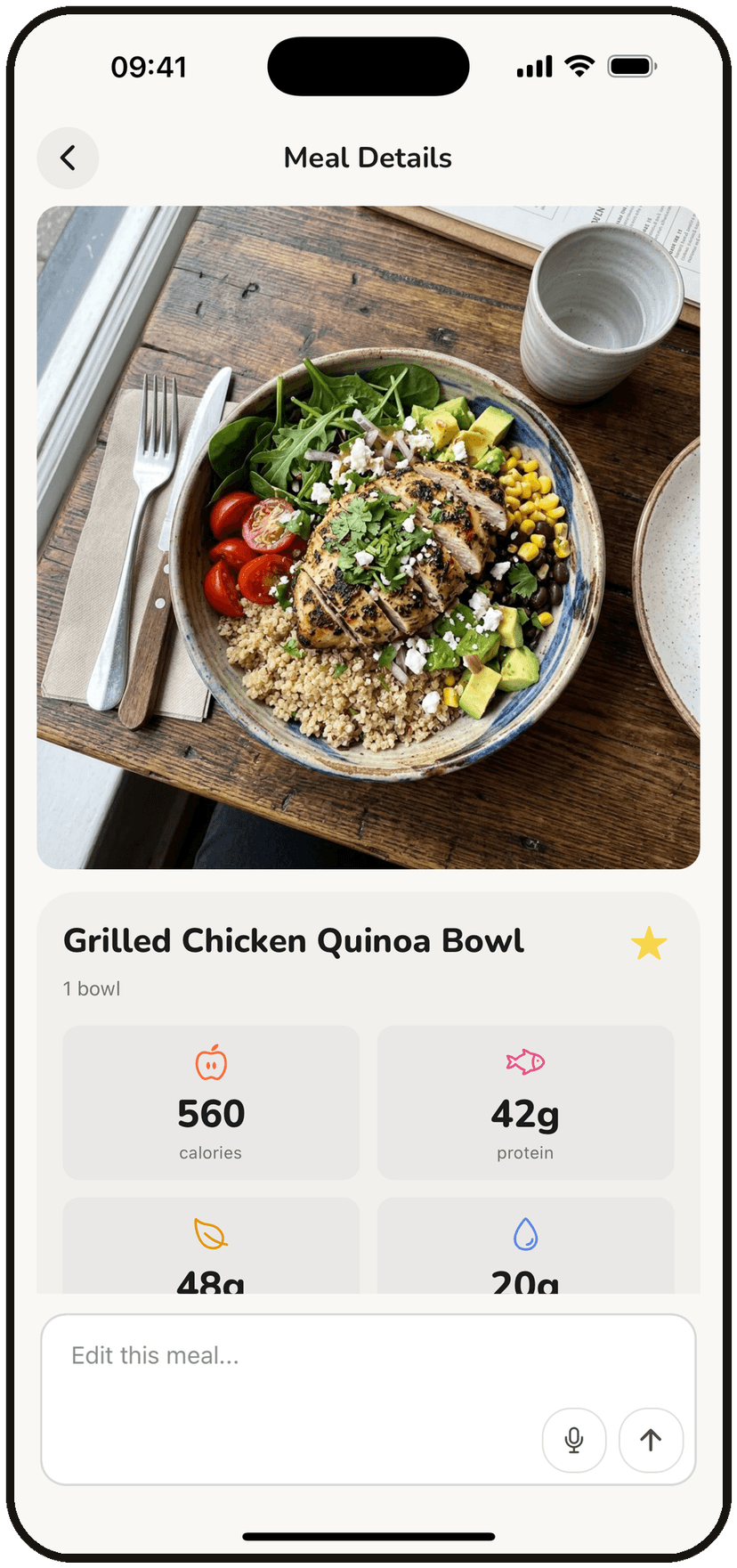
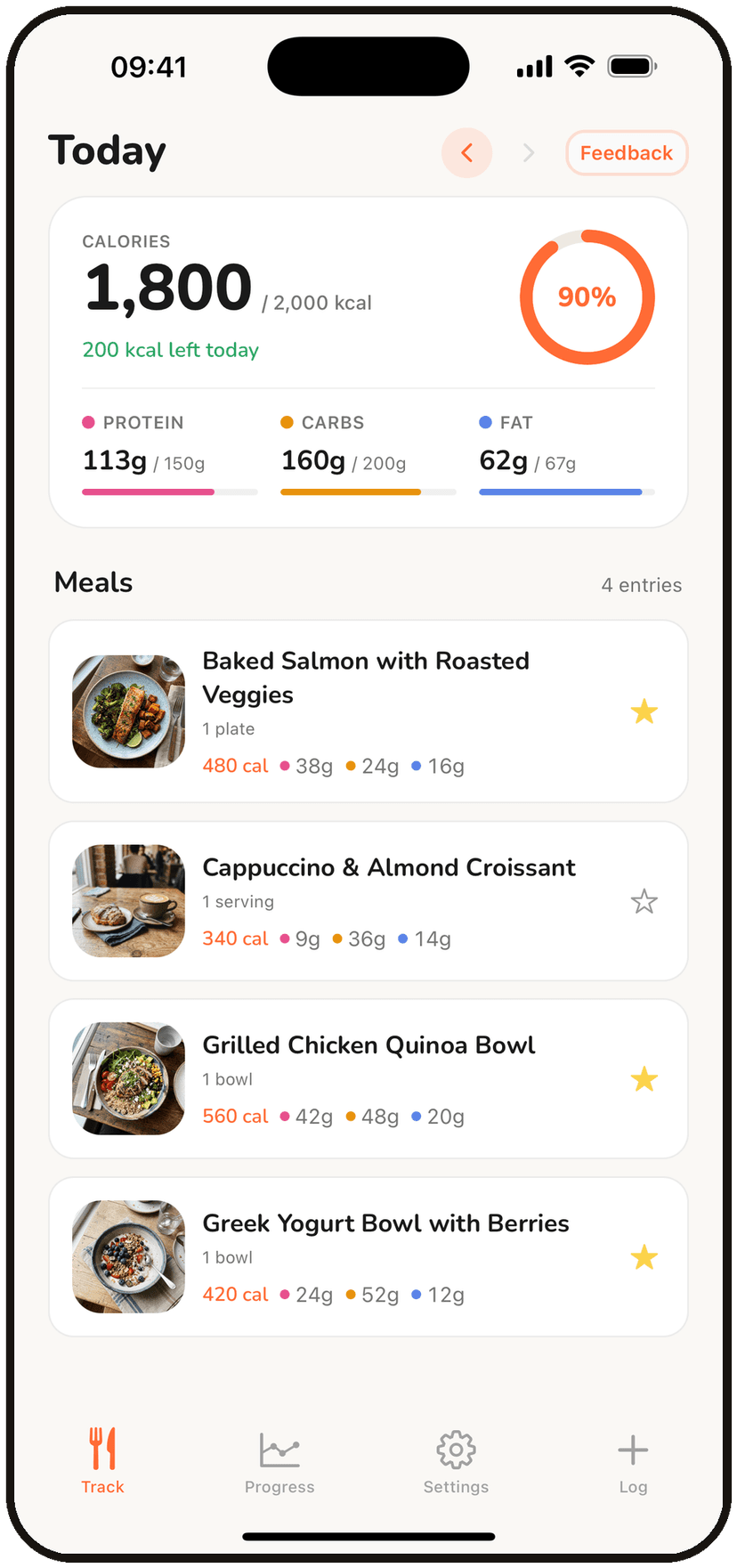
Portion guesses add up fast. BiteKit's AI estimates what's actually on your plate — oils, sides and all — so your log stays close to what you really ate.
- Log meals by photo, voice, or text
- Calories & macros estimated in seconds
- Syncs with Apple Health and Apple Watch
Free download · 3-day free trial, cancel anytime.
Scan with your iPhone camera