AI Anabolic Recipe Builder
Describe any dessert or comfort food and get a high-protein, macro-friendly “anabolic” version — complete with exact ingredients, step-by-step instructions, and per-serving macros.
What Is Anabolic Cooking?
Anabolic cooking is the practice of recreating comfort foods and desserts with dramatically higher protein content to support muscle building (the anabolic state) while keeping calories lower than the original dish. The term was popularized in fitness communities as a way to eat the foods you love without sacrificing your body composition goals.
The science behind it is straightforward: to maximally stimulate muscle protein synthesis, you need approximately 2.5-3g of leucine per meal — which translates to roughly 25-40g of complete protein from quality sources. Anabolic recipes pack this protein into meals that would otherwise contain almost none.
The Best Anabolic Swaps
Blended cottage cheese
Replaces: Cream cheese, ricotta
14g per 1/2 cup
Blend until completely smooth — indistinguishable from cream cheese in cold dishes
Greek yogurt (0%)
Replaces: Sour cream, regular yogurt, some butter
17g per 3/4 cup
Works perfectly in pancakes, muffins, and baked goods as a 1:1 swap
Casein protein powder
Replaces: Flour (partial replacement)
25g per scoop
Casein absorbs moisture like flour — better for baking than whey, which can make baked goods rubbery
Egg whites
Replaces: Whole eggs or oil
3.6g per white, zero fat
Use 3 egg whites per whole egg when replacing — adds lift and reduces fat significantly
Fairlife milk
Replaces: Regular milk
13g per cup vs. 8g
Same taste, 60% more protein, same calcium — easy upgrade for any recipe
Pea or hemp protein
Replaces: Flour in dairy-free versions
20-24g per scoop
More neutral flavor than whey — works well in savory anabolic dishes
Anabolic vs. Regular: Nutrition Comparison
The difference in macros between traditional comfort foods and their anabolic counterparts is dramatic. Here are real-world examples:
| Dish | Traditional | Anabolic Version | Protein Gain |
|---|---|---|---|
| Cheesecake (1 slice) | 450 cal / 6g P | 200 cal / 35g P | +29g |
| Pancakes (3 medium) | 350 cal / 8g P | 280 cal / 40g P | +32g |
| Mac & Cheese (1 cup) | 480 cal / 15g P | 380 cal / 45g P | +30g |
| Chocolate Chip Cookie | 160 cal / 2g P | 120 cal / 12g P | +10g |
| Banana Bread (1 slice) | 200 cal / 3g P | 150 cal / 18g P | +15g |
Who Should Use Anabolic Recipes?
People in a calorie deficit
When cutting calories, protein needs actually increase to preserve muscle mass. Anabolic recipes let you eat satisfying comfort foods while hitting your protein targets.
Bodybuilders and athletes
Hitting 200g+ of protein per day is challenging from whole foods alone. Anabolic recipes make high-protein eating sustainable and enjoyable rather than monotonous.
People with sweet tooth
If you struggle with sugar cravings, having high-protein dessert alternatives means you can satisfy cravings without derailing your nutrition goals.
Anyone doing body recomposition
Body recomp (building muscle while losing fat) requires a high protein intake maintained over months. Anabolic recipes make this sustainable long-term.
Frequently Asked Questions
What is an anabolic recipe?
An anabolic recipe is a high-protein, lower-calorie remake of a traditional comfort food. “Anabolic” refers to the muscle-building process — these recipes pack 25-50g of protein per serving to maximize muscle protein synthesis while satisfying food cravings.
How much protein should an anabolic recipe have?
Most anabolic recipes target 25-50g of protein per serving. Research shows you need ~2.5-3g of leucine to fully trigger muscle protein synthesis, which requires roughly 25-40g of complete protein. Older adults benefit from the higher end of this range due to anabolic resistance.
Does anabolic cooking actually taste good?
Yes — when the right swaps are used. Blended cottage cheese is virtually indistinguishable from cream cheese in cheesecakes. Casein protein behaves like flour in batters. The key is matching the protein source to the dish rather than just dumping in whey protein everywhere, which creates a rubbery or chalky texture.
Can I make anabolic recipes dairy-free?
Absolutely. Enter “dairy-free” in the dietary restrictions field. The AI will use silken tofu, plant-based protein powders, coconut yogurt, and other dairy-free high-protein alternatives while maintaining similar macro targets.
How accurate are the macro calculations?
The AI uses established nutrition database values for each ingredient at the specified quantity. Totals are the sum of individual ingredient values. While home cooking always introduces some variability, these estimates are reliable for tracking purposes — typically within 5-10% of actual values.
iPhone app · 3-day free trial
You're likely eating 500 calories more than you think
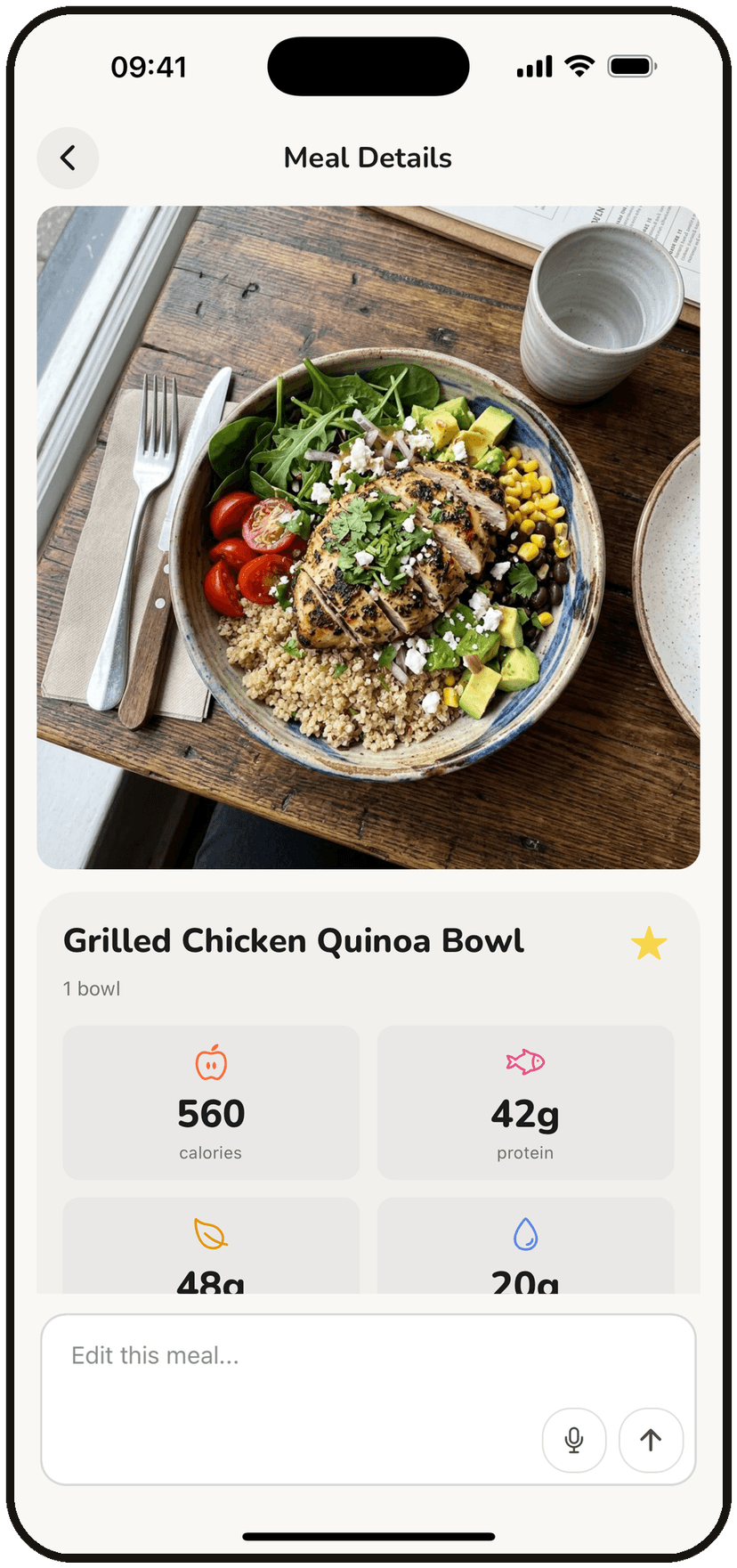
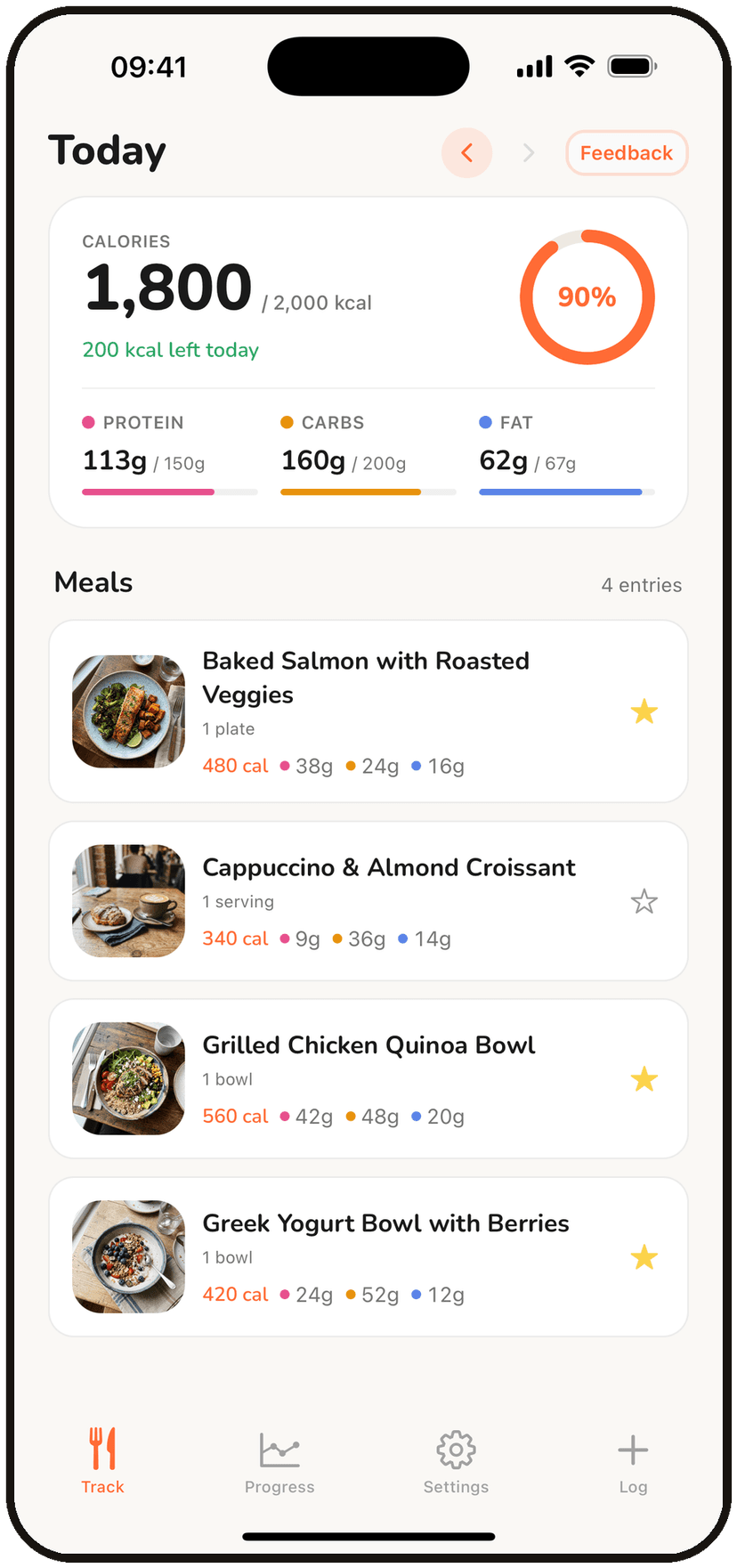
Portion guesses add up fast. BiteKit's AI estimates what's actually on your plate — oils, sides and all — so your log stays close to what you really ate.
- Log meals by photo, voice, or text
- Calories & macros estimated in seconds
- Syncs with Apple Health and Apple Watch
Free download · 3-day free trial, cancel anytime.
Scan with your iPhone camera