AI Anti-Inflammatory Diet Scorer
Describe your daily food intake and get an AI-powered Dietary Inflammatory Index (DII) score. See which foods fight inflammation, which promote it, and get personalized suggestions to optimize your diet for lower inflammation.
List the foods, meals, and beverages you typically consume in a day for the most accurate inflammation scoring
Try an example:
What Is the Dietary Inflammatory Index?
The Dietary Inflammatory Index (DII) is a literature-derived, population-based scoring system developed by researchers at the University of South Carolina. It evaluates the inflammatory potential of an individual's diet by examining up to 45 food parameters, including macronutrients, micronutrients, and specific bioactive compounds.
The DII score is calculated by comparing dietary intake to a global reference database and weighting each parameter based on its published effect on six inflammatory biomarkers: C-reactive protein (CRP), interleukin-1 beta (IL-1β), interleukin-4 (IL-4), interleukin-6 (IL-6), interleukin-10 (IL-10), and tumor necrosis factor alpha (TNF-α). Negative scores indicate anti-inflammatory diets, while positive scores indicate pro-inflammatory diets.
Research has linked higher (more pro-inflammatory) DII scores to increased risk of cardiovascular disease, certain cancers, metabolic syndrome, depression, and accelerated aging. Conversely, lower (anti-inflammatory) DII scores are associated with better health outcomes and reduced chronic disease risk.
Pro-Inflammatory vs Anti-Inflammatory Foods
Understanding which foods promote and which reduce inflammation is key to optimizing your diet. Here is a comparison of common food categories:
Anti-Inflammatory Foods
- Fatty fish - salmon, sardines, mackerel (omega-3s: EPA & DHA)
- Leafy greens - spinach, kale, Swiss chard (polyphenols, fiber)
- Berries - blueberries, strawberries, cherries (anthocyanins)
- Extra virgin olive oil (oleocanthal, hydroxytyrosol)
- Turmeric & ginger (curcumin, gingerols)
- Nuts & seeds - walnuts, flaxseeds, chia seeds (ALA, fiber)
- Green tea (EGCG catechins)
Pro-Inflammatory Foods
- Refined sugars - soda, candy, pastries (spike insulin, increase CRP)
- Trans fats - fried foods, margarine, processed snacks
- Processed meats - hot dogs, bacon, sausage (nitrates, AGEs)
- Refined grains - white bread, white rice, white pasta
- Excess omega-6 oils - corn oil, soybean oil, sunflower oil
- Excessive alcohol (increases gut permeability, CRP)
- High-heat processed foods (advanced glycation end products)
Key Anti-Inflammatory Compounds in Food
The anti-inflammatory power of foods comes from specific bioactive compounds. Understanding these compounds helps you make smarter dietary choices:
Omega-3 Fatty Acids
EPA, DHA, ALA
Found in fatty fish, walnuts, and flaxseeds. They compete with pro-inflammatory omega-6 fats and produce anti-inflammatory resolvins and protectins that actively resolve inflammation.
Polyphenols
Flavonoids, Anthocyanins, Resveratrol
Found in berries, grapes, tea, and dark chocolate. These powerful antioxidants inhibit NF-kB inflammatory pathways and reduce oxidative stress that triggers chronic inflammation.
Curcuminoids
Curcumin from Turmeric
Curcumin is one of the most studied anti-inflammatory compounds. It blocks multiple inflammatory pathways including NF-kB and COX-2. Best absorbed with black pepper (piperine) and fat.
Carotenoids
Beta-carotene, Lycopene, Lutein
Found in colorful fruits and vegetables like tomatoes, carrots, and sweet potatoes. These fat-soluble antioxidants neutralize free radicals and reduce inflammatory cytokine production.
Dietary Fiber
Soluble & Insoluble Fiber
Found in whole grains, legumes, fruits, and vegetables. Fiber feeds beneficial gut bacteria that produce short-chain fatty acids (SCFAs) like butyrate, which have potent anti-inflammatory effects.
Sulforaphane
From Cruciferous Vegetables
Found in broccoli, cauliflower, Brussels sprouts, and kale. Sulforaphane activates the Nrf2 pathway, one of the body's most powerful anti-inflammatory and antioxidant defense systems.
How to Reduce Dietary Inflammation
Reducing dietary inflammation does not require a complete diet overhaul. These evidence-based strategies can help you progressively lower your DII score:
Eat More Colorful Produce
Aim for at least 5-9 servings of fruits and vegetables daily, focusing on variety and color. Each color represents different anti-inflammatory compounds: red (lycopene), orange (beta-carotene), blue/purple (anthocyanins), green (sulforaphane, lutein). The more diverse your produce intake, the broader your anti-inflammatory protection.
Increase Omega-3 Intake
Eat fatty fish (salmon, sardines, mackerel) 2-3 times per week or supplement with a high-quality fish oil. Include plant-based omega-3 sources like walnuts, flaxseeds, and chia seeds daily. The goal is to improve your omega-6 to omega-3 ratio, ideally closer to 4:1 or lower (the typical Western diet is 15-20:1).
Replace Refined with Whole
Swap white bread for whole grain, white rice for brown rice or quinoa, and sugary snacks for nuts, seeds, and fruit. Whole grains provide fiber that feeds beneficial gut bacteria, producing anti-inflammatory short-chain fatty acids. Refined grains cause blood sugar spikes that trigger inflammatory cascades.
Use Anti-Inflammatory Spices and Oils
Cook with extra virgin olive oil instead of vegetable oils high in omega-6. Add turmeric (with black pepper for absorption), ginger, cinnamon, and garlic to meals regularly. These spices contain some of the most concentrated anti-inflammatory compounds found in food and can significantly lower your DII score even in small amounts.
Minimize Processed Foods
Reduce consumption of processed meats, packaged snacks, fast food, and sugary beverages. These foods are typically high in trans fats, refined sugars, sodium, and chemical additives that promote inflammation. Even small reductions in ultra-processed food intake can measurably lower inflammatory markers like CRP.
Frequently Asked Questions
What is the Dietary Inflammatory Index (DII)?
The Dietary Inflammatory Index (DII) is a research-validated scoring system that evaluates the inflammatory potential of a diet based on up to 45 food parameters. Developed by researchers at the University of South Carolina, the DII scores diets on a continuum from anti-inflammatory (negative scores) to pro-inflammatory (positive scores), based on their effects on inflammatory biomarkers like CRP, IL-6, and TNF-alpha.
What foods are the most anti-inflammatory?
The most anti-inflammatory foods include omega-3 rich fish (salmon, sardines, mackerel), leafy green vegetables (spinach, kale), berries (blueberries, strawberries), turmeric, ginger, extra virgin olive oil, nuts (especially walnuts), green tea, and cruciferous vegetables. These foods are rich in polyphenols, omega-3 fatty acids, antioxidants, and fiber that actively reduce inflammatory markers.
What foods cause the most inflammation?
The most pro-inflammatory foods include refined sugars and sugary beverages, trans fats and partially hydrogenated oils, processed meats (hot dogs, bacon, deli meats), excessive red meat, refined grains (white bread, white rice), fried foods, and excessive alcohol. These foods promote inflammation through increased oxidative stress, insulin resistance, and elevated pro-inflammatory cytokines.
How does the AI Anti-Inflammatory Diet Scorer work?
The AI scorer analyzes your described daily food intake using advanced AI trained on nutritional immunology research and DII methodology. It evaluates each food for inflammatory or anti-inflammatory compounds, assigns individual scores from -5 to +5, and calculates an overall DII score. You also get a food-by-food breakdown with key compounds, improvement suggestions, and specific foods to add or reduce.
What are the key anti-inflammatory compounds in food?
Key anti-inflammatory compounds include polyphenols (flavonoids, anthocyanins, resveratrol), omega-3 fatty acids (EPA, DHA, ALA), carotenoids (beta-carotene, lycopene), curcumin from turmeric, gingerols from ginger, sulforaphane from cruciferous vegetables, catechins (EGCG) from green tea, and dietary fiber. These compounds reduce inflammation through various mechanisms including antioxidant activity and immune modulation.
Can changing my diet really reduce inflammation?
Yes, extensive research shows that dietary changes can significantly reduce systemic inflammation. Studies have demonstrated that shifting to an anti-inflammatory diet can lower C-reactive protein (CRP) levels by 20-40% within weeks. The Mediterranean diet, rich in anti-inflammatory foods, has been consistently linked to lower inflammatory markers and reduced chronic disease risk.
iPhone app · 3-day free trial
You're likely eating 500 calories more than you think
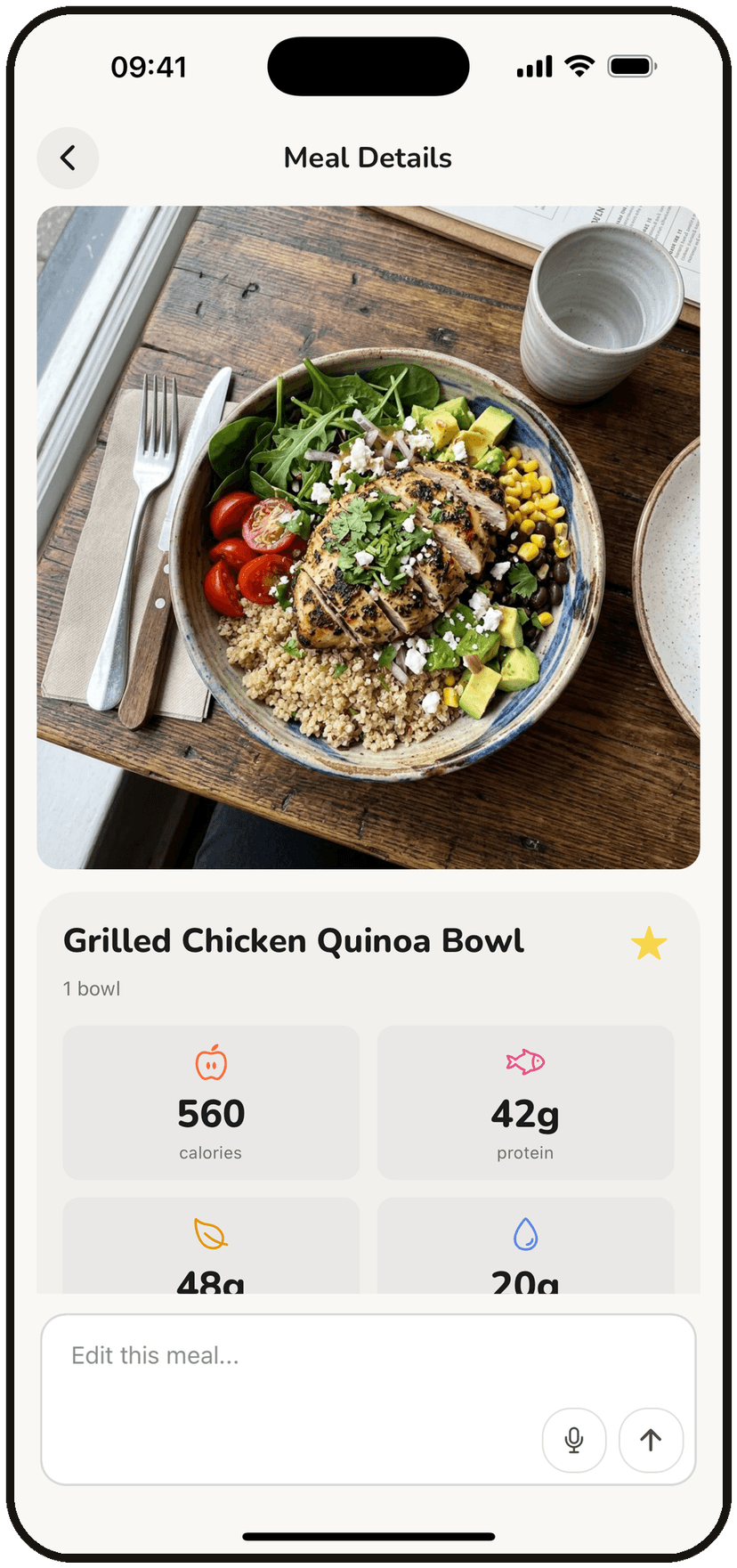
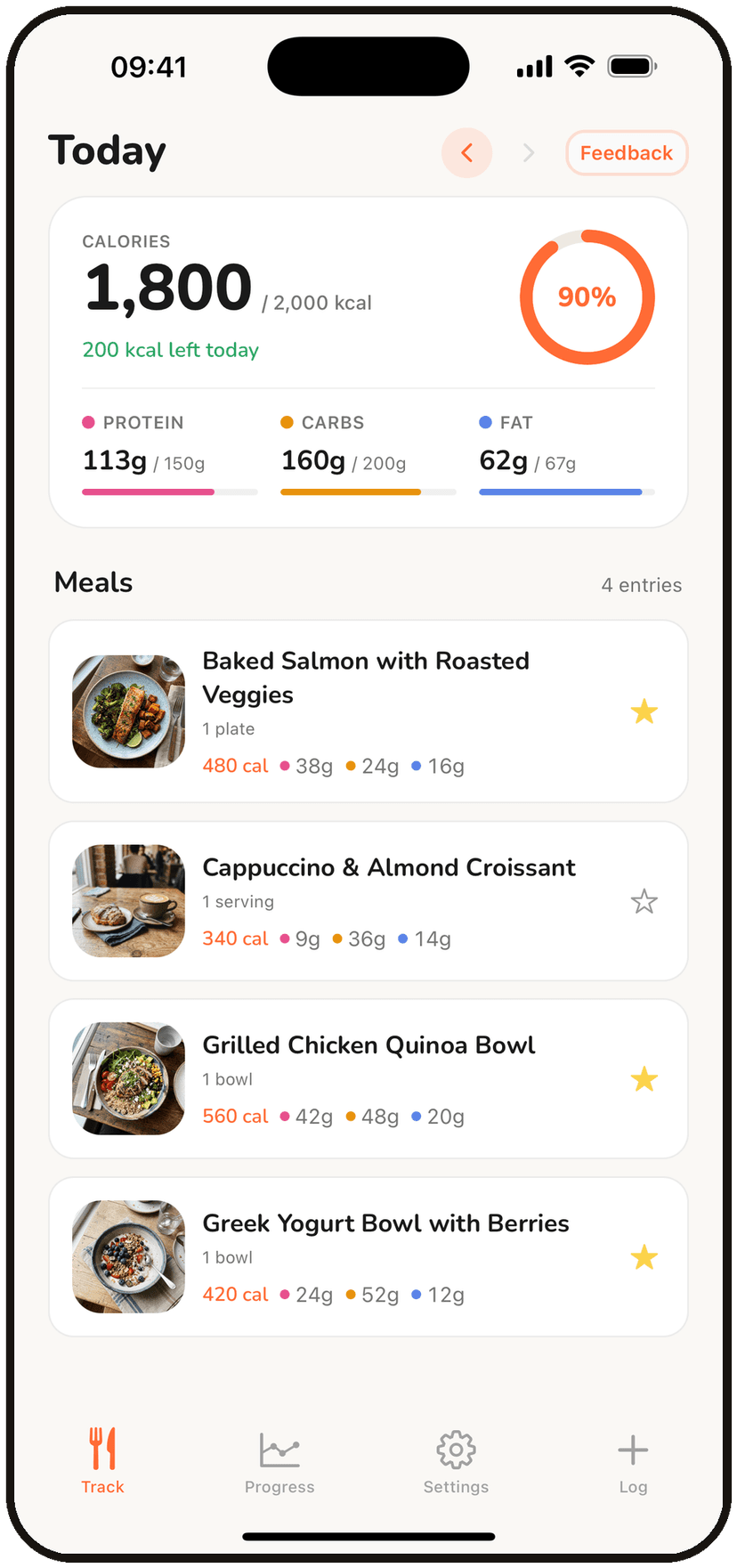
Portion guesses add up fast. BiteKit's AI estimates what's actually on your plate — oils, sides and all — so your log stays close to what you really ate.
- Log meals by photo, voice, or text
- Calories & macros estimated in seconds
- Syncs with Apple Health and Apple Watch
Free download · 3-day free trial, cancel anytime.
Scan with your iPhone camera