AI Nutrition for Beginners Guide
Describe your eating habits and goals. Get a simple, jargon-free starter plan with easy rules, meal ideas, and a grocery list — no calorie counting required.
Quick starts:
Getting Started with Nutrition: The Basics
If you are reading this, you have already taken the most important step — deciding to eat better. Nutrition does not have to be complicated. In fact, the simpler you keep it, the more likely you are to stick with it. Here is what you need to know as a beginner.
- You do not need to be perfect: Eating healthy 80% of the time is plenty. Nobody eats perfectly, and trying to will only lead to burnout.
- Small changes beat big overhauls: Swapping your afternoon candy bar for an apple is worth more long-term than a radical diet that lasts two weeks.
- There is no single right way to eat: The best diet is the one you can actually stick with. That is different for everyone.
- Food should be enjoyable: Healthy eating is not about suffering. It is about finding nutritious foods you actually like and building meals around them.
5 Principles That Work for Everyone
Forget everything you have heard about superfoods, detoxes, and miracle diets. These five simple principles are backed by decades of nutrition science:
Eat More Vegetables
Try to include at least one vegetable in every meal. Fresh, frozen, or canned — they all count. Start with the ones you already like.
Drink More Water
Most people do not drink enough water. Start your day with a glass and keep a water bottle nearby. This alone can improve energy and reduce snacking.
Include Protein at Every Meal
Eggs, chicken, fish, beans, yogurt, or tofu — having some protein with every meal helps you feel full longer and keeps your energy steady.
Cook More Whole Foods
Whole foods are things that look like what they came from — apples, rice, chicken, broccoli. The more of these you eat, the better you will feel.
Mistakes Most Beginners Make
Almost everyone makes these mistakes when they start trying to eat better. Being aware of them can save you a lot of frustration:
Trying to change everything at once
Going from fast food every day to a strict clean-eating diet overnight almost never works. Pick one or two small changes per week instead. After a month, you will have transformed your diet without ever feeling deprived.
Skipping meals to "save calories"
Skipping meals usually backfires. You get too hungry and end up overeating later. Regular meals keep your energy stable and help you make better food choices throughout the day.
Cutting out entire food groups
Unless you have a medical reason, you do not need to eliminate carbs, fat, sugar, or any other food group. Every type of food has a place in a healthy diet. It is about balance, not restriction.
Relying on willpower alone
Willpower is limited. Instead of trying to resist temptation, set up your environment for success. Keep healthy snacks visible and unhealthy ones out of sight. Meal prep on weekends so healthy options are always ready.
Who This Tool Is For
This guide is designed for anyone who wants to eat better but does not know where to start:
Complete Beginners
If you have never paid attention to nutrition before and feel overwhelmed by all the conflicting information out there.
Busy People
If you do not have time for complicated meal plans or cooking classes but want to eat healthier with minimal effort.
Serial Dieters
If you have tried strict diets before and they never stuck, this approach focuses on sustainable habits instead of short-term restrictions.
Non-Cooks
If you do not cook and think healthy eating requires culinary skills, the guide includes no-cook and minimal-effort options.
Frequently Asked Questions
How does the AI Nutrition for Beginners Guide work?
You describe your current eating habits, main goal, biggest challenge, and cooking experience. The AI creates a personalized starter guide with 5 simple rules (no calorie counting), easy meal ideas, a grocery list, small changes for this week, common mistakes to avoid, and motivational tips.
Do I need to count calories?
Not at all. This guide avoids calorie counting entirely. Instead, it focuses on practical rules and habits that naturally lead to better nutrition. The goal is to build a healthy relationship with food, not to track numbers.
Is this guide personalized?
Yes. The AI considers your eating habits, goals, challenges, cooking skills, meal frequency, and food preferences to create a guide that is realistic and doable for your specific situation.
What if I do not know how to cook?
That is perfectly fine. Select "Never cook" and the guide will focus on no-cook meals, simple assembly meals, and grab-and-go options. You can eat healthily without ever turning on a stove.
How is this different from other nutrition tools?
Most tools ask for numbers (calories, macros, body measurements). This guide meets you where you are. You describe your situation in plain language, and it gives you simple, actionable advice without jargon or complex calculations.
Can this help me lose weight?
Yes. If you select "Lose weight" as your goal, the guide provides rules, meal ideas, and habits aimed at healthy, sustainable weight loss. It focuses on making smart choices rather than restrictive dieting.
iPhone app · 3-day free trial
You're likely eating 500 calories more than you think
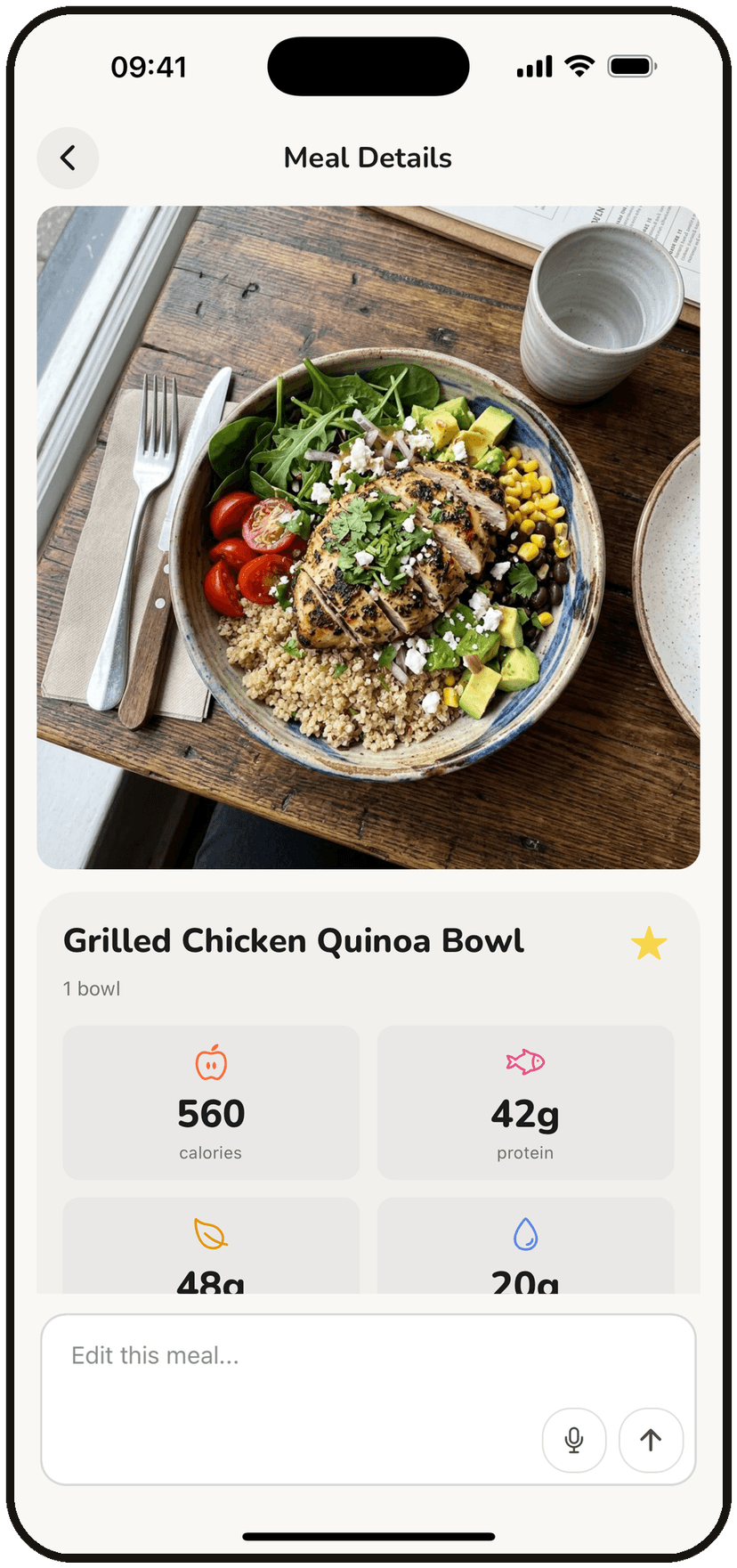
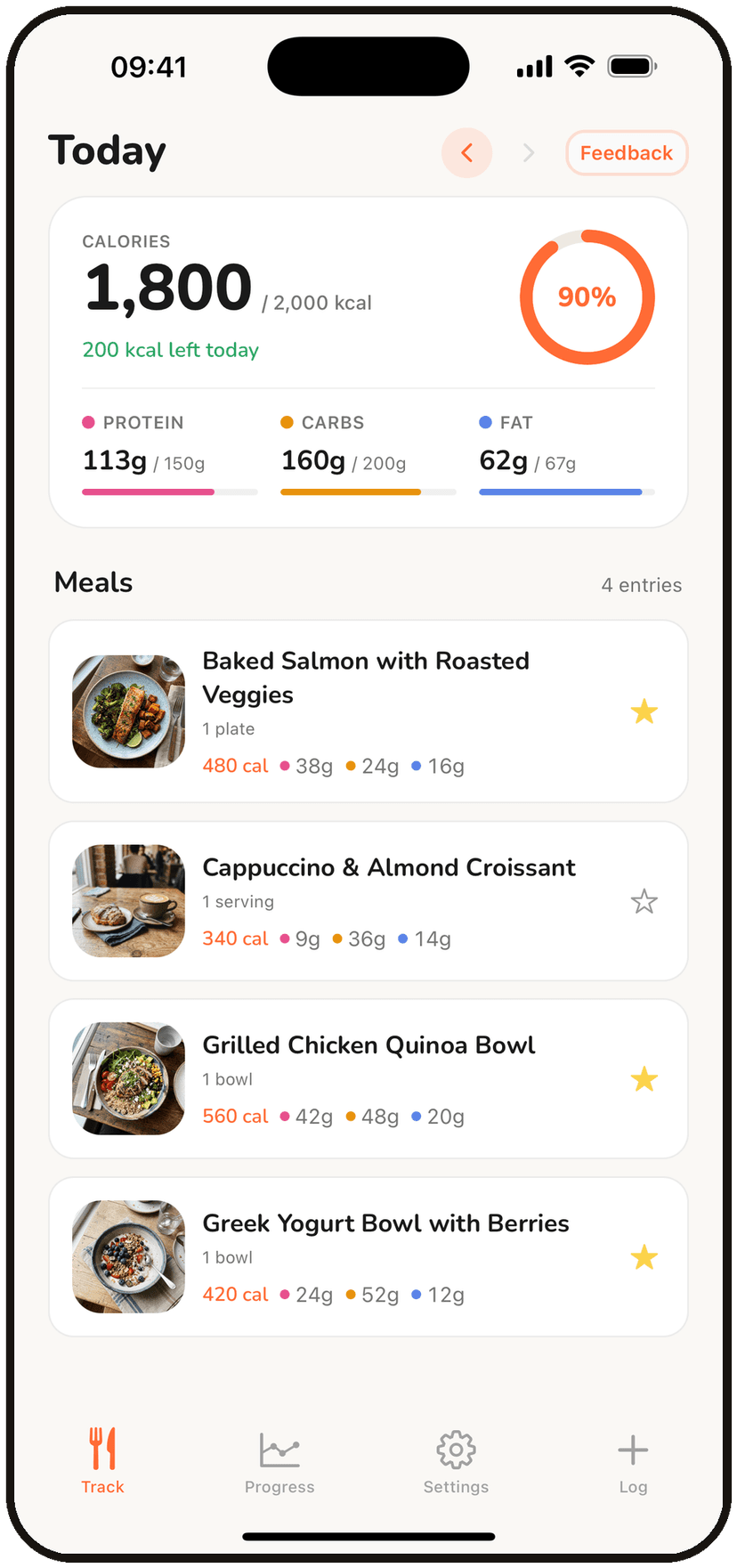
Portion guesses add up fast. BiteKit's AI estimates what's actually on your plate — oils, sides and all — so your log stays close to what you really ate.
- Log meals by photo, voice, or text
- Calories & macros estimated in seconds
- Syncs with Apple Health and Apple Watch
Free download · 3-day free trial, cancel anytime.
Scan with your iPhone camera