AI College Student Meal Planner
Get dorm-friendly, budget-friendly meal plans tailored to your cooking equipment, budget, and nutrition goals. Includes grocery lists, recipes, and dining hall tips.
Average college student spends $40-80/week on food
Quick starts:
Eating Healthy in College: A Practical Guide
College is often where eating habits take a hit. Between limited cooking equipment, tight budgets, late-night study sessions, and the constant temptation of fast food, maintaining good nutrition feels impossible. But with the right planning, you can eat well without spending a fortune or needing a full kitchen.
- The "Freshman 15" is preventable: Studies show that weight gain in the first year of college averages 3-5 pounds, not 15. The key factor is having a plan for what you eat rather than relying on impulse choices.
- Nutrition affects academic performance: Research published in the Journal of American College Health found that students who eat more fruits and vegetables report higher GPAs and better cognitive function during exams.
- Budget constraints are real: The average college student has $150-250 per month for food outside of meal plans. Smart planning can stretch that budget significantly.
- Limited equipment is not an excuse: With just a microwave, you can make oatmeal, steamed vegetables, rice bowls, soups, quesadillas, and more. Add a mini fridge and the options expand dramatically.
Dorm Room Cooking Essentials
You do not need a full kitchen to eat well. Here is what you can accomplish with common dorm equipment:
Microwave Only
- Instant oatmeal with banana and peanut butter
- Microwave rice + canned beans + salsa
- Microwaved scrambled eggs in a mug
- Steamed frozen vegetables
- Quesadillas (tortilla + cheese)
- Canned soup enhanced with extra protein
- Sweet potato (poke holes, microwave 5 min)
Add a Mini Fridge
- Overnight oats (prep the night before)
- Greek yogurt parfaits with granola
- Deli meat and cheese wraps
- Fresh fruit and vegetables with hummus
- String cheese and hard-boiled eggs
- Cottage cheese with canned fruit
- Leftover meals from shared kitchen
Shared Kitchen
- Stir-fry with rice and frozen vegetables
- Pasta with homemade tomato sauce
- Chicken thighs baked in bulk
- One-pot chili or curry
- Sheet pan meals (protein + vegetables)
- Pancakes or French toast for breakfast
- Fried rice with eggs and vegetables
Must-Have Supplies
- Microwave-safe bowl and plate
- Reusable food containers (for leftovers)
- Can opener
- Basic utensils and a sharp knife
- Cutting board
- Paper towels and dish soap
- Measuring cups (optional but helpful)
Best Budget Foods for College Students
These pantry staples deliver the most nutrition per dollar and work well in dorm settings:
Eggs (~$0.25 each, 6g protein)
The ultimate budget protein. Scramble them in a microwave mug in 90 seconds, hard-boil a batch on Sunday, or fry them in a shared kitchen. Pairs with everything.
Oats (~$0.10 per serving, 5g protein + 4g fiber)
A $2 canister makes 15+ breakfasts. Microwave with water, add peanut butter and banana. Or make overnight oats in a jar with yogurt and berries for grab-and-go mornings.
Canned Beans (~$0.15 per serving, 7g protein + 6g fiber)
Black beans, chickpeas, and kidney beans are shelf-stable, cheap, and loaded with protein and fiber. Add to rice bowls, wraps, soups, or eat with salsa as a quick meal.
Peanut Butter (~$0.10 per tablespoon, 4g protein)
Shelf-stable, calorie-dense, and satisfying. On toast, in oatmeal, with apples, or straight from the jar during late-night studying. A $3 jar lasts weeks.
Frozen Vegetables (~$1.50 per bag, multiple servings)
Flash-frozen at peak nutrition, never goes bad, and microwaves in 3 minutes. Stir-fry mixes, broccoli, mixed vegetables, and spinach are all great options.
Rice (~$0.10 per serving)
A 5-pound bag costs $3-4 and makes 25+ servings. Microwave rice cups work too if you lack a rice cooker. Pairs with beans, canned tuna, eggs, or stir-fry vegetables.
Navigating the Dining Hall
If you have a campus meal plan, your dining hall is a valuable resource. Here is how to make the most of it:
Start with Protein
Hit the protein station first: grilled chicken, fish, eggs, or beans. This anchors your meal and helps you feel full longer.
Load Up on Vegetables
Fill half your plate with salad or cooked vegetables. Skip the creamy dressings and go for oil and vinegar, or use dressing on the side.
Be Selective with Carbs
Choose whole grain bread, brown rice, or baked potatoes over fried foods, white pasta, and sugary cereals. These keep you energized longer.
Watch Liquid Calories
Soda, juice, and specialty coffee drinks add hundreds of empty calories. Stick to water, unsweetened tea, or black coffee.
Meal Prep for Busy Students
Spending 1-2 hours on Sunday prepping meals for the week saves time, money, and prevents impulsive fast food runs between classes. Even with minimal equipment, you can prep:
- Overnight oats (5 min, makes 5 breakfasts): Mix oats, milk, yogurt, and toppings in jars. Grab one each morning — no cooking needed.
- Rice and beans (30 min, makes 5+ servings): Cook a batch of rice and open a few cans of beans. Store in containers for quick lunch bowls all week.
- Wash and cut vegetables: Pre-cut carrots, celery, and peppers last all week in the fridge. Having them ready means you actually eat them.
- Hard-boiled eggs (15 min, makes 6-12): If you have kitchen access, boil a dozen eggs on Sunday. They keep 5-7 days in the fridge and are a perfect portable protein source.
- Pre-make sandwiches and wraps: Assemble 2-3 days of lunches at once. Keep dressing or condiments separate to prevent sogginess.
Frequently Asked Questions
How does the AI College Student Meal Planner work?
The planner uses AI with access to real food pricing data to create a complete 7-day meal plan tailored to your dorm equipment, budget, and dietary needs. It generates meals you can actually make with your equipment, a grocery list with dorm storage tips, detailed recipes, and dining hall strategies.
Can I use this if I only have a microwave?
Yes! Select "Microwave Only" and all suggested meals will be microwave-friendly or no-cook. Think oatmeal, microwave rice bowls, mug scrambled eggs, wraps, sandwiches, and enhanced canned soups. You can eat well with just a microwave.
How much should a college student spend on food per week?
Most students spend $40-80 per week on food (excluding meal plan costs). With smart planning, $30-50 per week is achievable by focusing on staples like eggs, rice, beans, oats, and frozen vegetables. A campus meal plan can reduce grocery costs significantly.
Does the planner work with a campus meal plan?
Yes! Indicate how many dining hall meals your plan covers per week, and the planner will reduce your grocery needs. It also provides tips for making the healthiest choices at the dining hall to complement your self-prepared meals.
What dietary restrictions are supported?
The planner supports Vegetarian, Vegan, Gluten-Free, Dairy-Free, Halal, Kosher, and Nut-Free preferences. Select multiple if needed. The AI creates meals meeting all your restrictions while staying within budget.
How do I store groceries in a dorm?
The grocery list includes storage notes for each item. Shelf-stable items (canned goods, rice, oats, peanut butter) can go on a shelf. Perishables need a mini fridge. The planner prioritizes shelf-stable items if you have limited refrigeration.
iPhone app · 3-day free trial
You're likely eating 500 calories more than you think
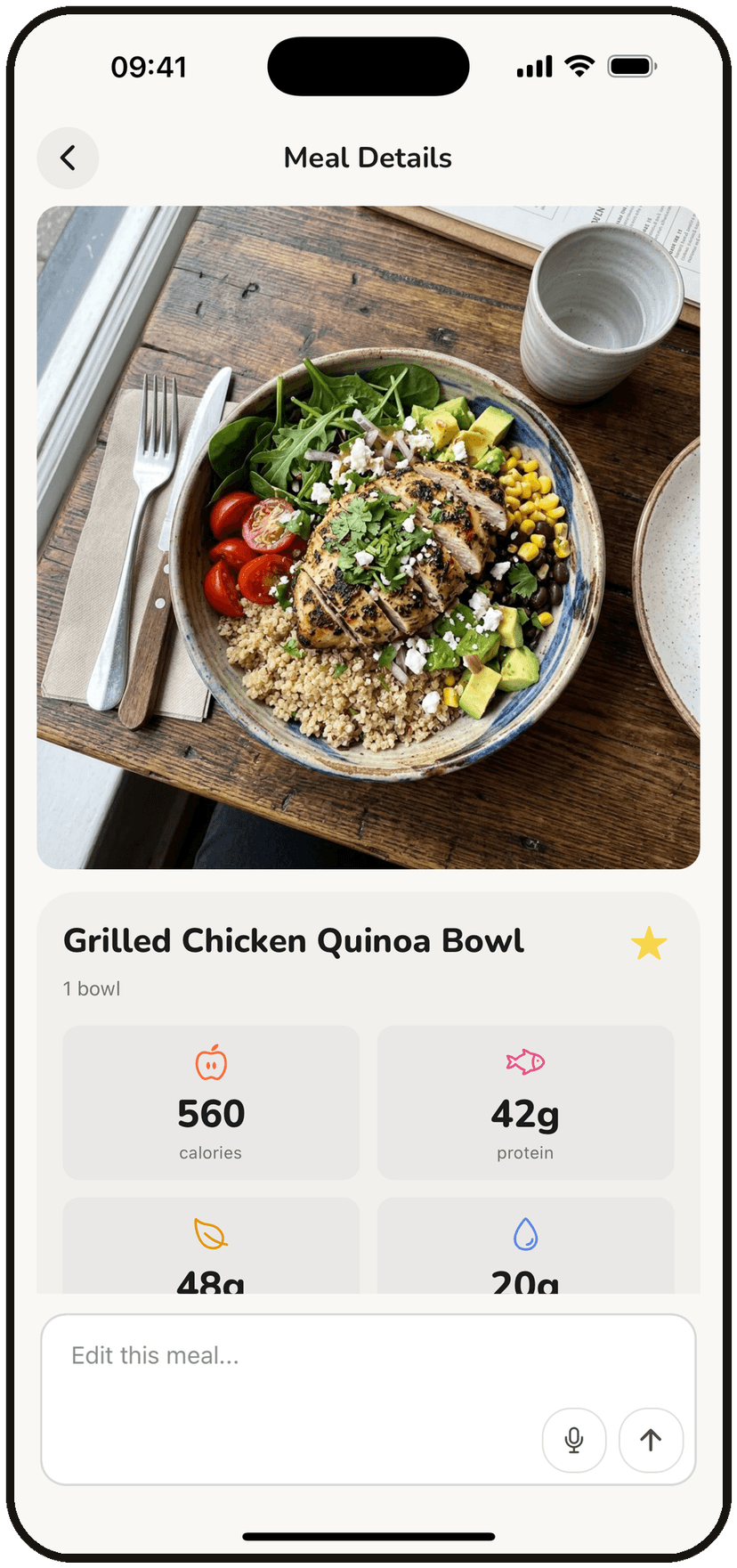
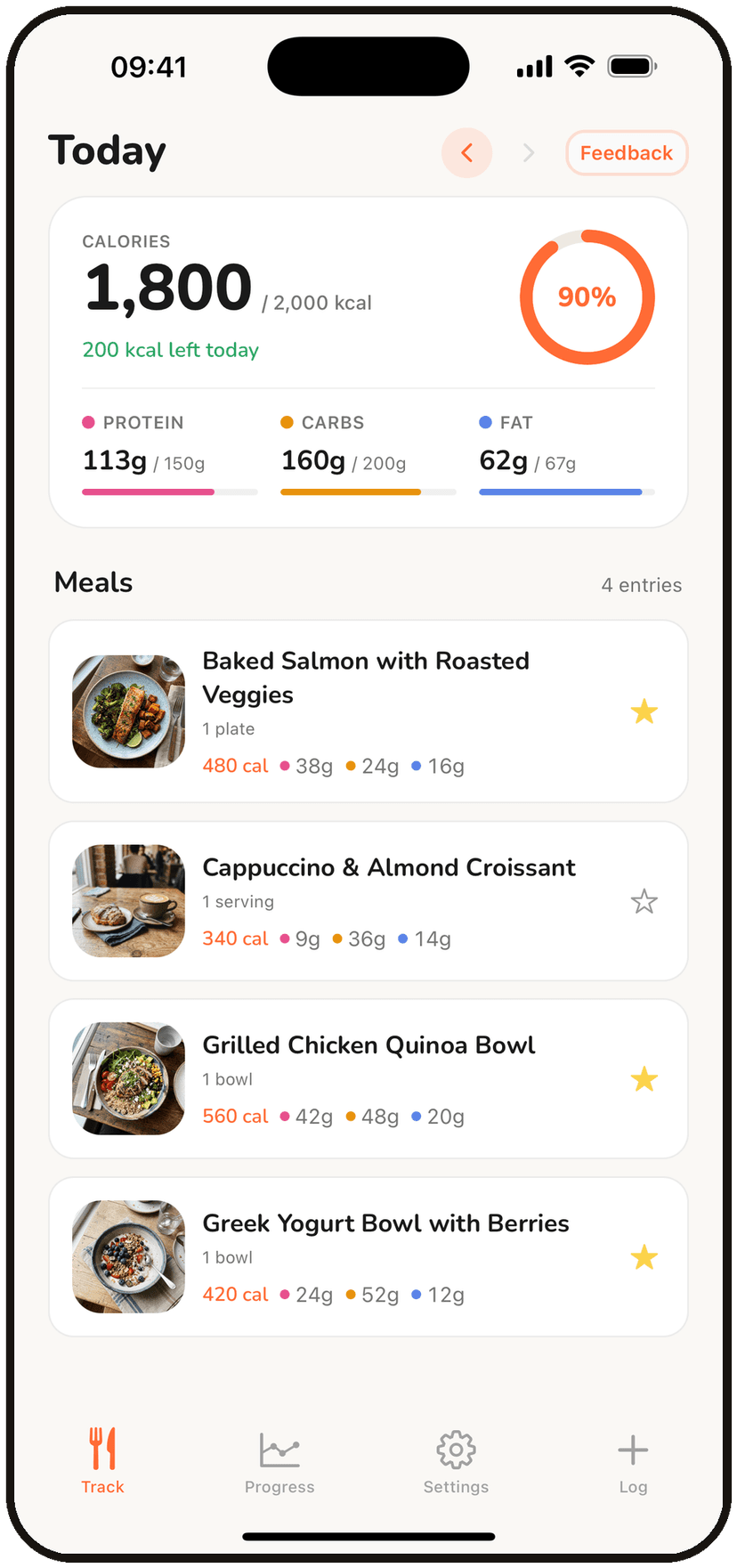
Portion guesses add up fast. BiteKit's AI estimates what's actually on your plate — oils, sides and all — so your log stays close to what you really ate.
- Log meals by photo, voice, or text
- Calories & macros estimated in seconds
- Syncs with Apple Health and Apple Watch
Free download · 3-day free trial, cancel anytime.
Scan with your iPhone camera