AI Combat Sports Cut Advisor
Get a safe, personalized weight-cut timeline with weekly nutrition guidance, a final-week day-by-day protocol, and a post-weigh-in rehydration plan — tailored to your sport and competition schedule.
For educational purposes only. Always consult a sports medicine professional before cutting weight.
Understanding Weight Cuts in Combat Sports
Weight cutting is a widespread practice in combat sports where athletes temporarily reduce their body weight before an official weigh-in, then attempt to rehydrate and refuel before the actual competition. The goal is to compete in a lower weight class than your walking weight, gaining a perceived size and strength advantage over a smaller natural competitor.
Done intelligently, a modest weight cut combines gradual body-fat reduction over the weeks leading into fight camp with a controlled short-term water cut in the days immediately before weigh-in. Done recklessly, a cut can lead to dangerous dehydration, impaired cognitive function, kidney stress, and significantly reduced athletic performance.
Cut Feasibility Categories
Not all cuts carry the same risk. Use these general benchmarks as a guide:
Safe (<3% body weight)
Achievable primarily through diet optimization and glycogen depletion with minimal water manipulation. Performance impact is low.
Moderate (3–5% body weight)
Requires careful nutritional planning and some water manipulation. Adequate rehydration time (24 hours) is important for performance recovery.
Aggressive (5–10% body weight)
Carries meaningful health and performance risks. Medical supervision is strongly recommended. Same-day weigh-ins should be avoided at this level.
Unsafe (>10% body weight)
Associated with serious health complications including cardiac stress, renal injury, and severe cognitive impairment. Not recommended under any circumstances without direct medical supervision.
The Two Phases of a Smart Cut
Long-Term Fat Loss (Weeks Out)
Reduce body fat through a modest caloric deficit (300–500 kcal/day) over the weeks leading into camp. This is the healthiest and most performance-preserving portion of any cut. Target 0.5–1 lb (0.25–0.5 kg) of fat loss per week.
Short-Term Water Cut (Final Days)
Reduce water weight in the 24–72 hours before weigh-in via carbohydrate restriction (glycogen depletion), sodium tapering, and controlled fluid restriction. Limit acute water cuts to 2–4% of body weight.
Why Rehydration Matters
Even a modest 2% dehydration has been shown to impair strength, power output, reaction time, and decision-making — all critical in combat sports. After weigh-in, the priority is rapid, effective rehydration before competition.
Hydration
Oral rehydration solutions (ORS) with sodium and glucose are absorbed faster than plain water. Target 150% of estimated fluid deficit over the rehydration window.
Carbohydrates
Replenish glycogen stores quickly with easily digestible carbohydrates (white rice, fruit, sports drinks). Aim for 1–1.5 g/kg of carbohydrates in the first hour post-weigh-in.
Protein & Sodium
Include moderate protein (20–30 g) and sodium to support muscle protein synthesis and fluid retention. Avoid high-fiber or high-fat foods immediately post-weigh-in as they slow gastric emptying.
Important Disclaimer
This tool provides general educational information only and is not a substitute for professional medical or nutritional advice. Weight cutting carries real health risks. Before undertaking any weight cut, consult a qualified sports medicine physician and/or registered sports dietitian. Athletes with underlying health conditions should never cut weight without direct medical supervision.
Frequently Asked Questions
What is a weight cut in combat sports?
A weight cut is a strategy where athletes temporarily reduce their body weight before an official weigh-in so they can compete in a lower weight class. It combines gradual fat reduction over weeks with controlled water manipulation in the final days before weigh-in.
How much weight can a fighter safely cut?
A safe weight cut is generally 3–5% of body weight or less. Cuts of 5–10% are aggressive and performance-impacting. Cuts exceeding 10% are considered dangerous and are associated with serious health risks including kidney stress and cardiac strain.
How does the rehydration window affect my cut strategy?
The rehydration window — the time between weigh-in and competition — fundamentally changes what is advisable. With 24 hours, you can safely lose more water weight and rehydrate fully. With same-day weigh-ins, aggressive water cuts are dangerous because there is no time to restore performance before competing.
What is the difference between water weight and fat loss during a cut?
Fat loss requires a sustained caloric deficit over weeks — about 0.5–1 lb (0.25–0.5 kg) per week. Water weight loss is achieved acutely via carbohydrate restriction, sodium tapering, and fluid manipulation. Most short-term "cuts" rely heavily on water manipulation, which is why rehydration after weigh-in is critical.
Is this tool a substitute for medical advice?
No. This tool provides general educational guidance only. Aggressive weight cuts carry serious health risks. Always consult a sports medicine physician or registered sports dietitian before undertaking any significant weight cut.
What nutrition strategies help maintain performance during a weight cut?
Key strategies include maintaining adequate protein (1.6–2.2 g/kg body weight) to preserve muscle, performing gradual fat loss in earlier weeks rather than relying entirely on last-minute water cuts, keeping carbohydrates sufficient for training quality, and only implementing acute water restriction in the final 24–48 hours before weigh-in.
iPhone app · 3-day free trial
You're likely eating 500 calories more than you think
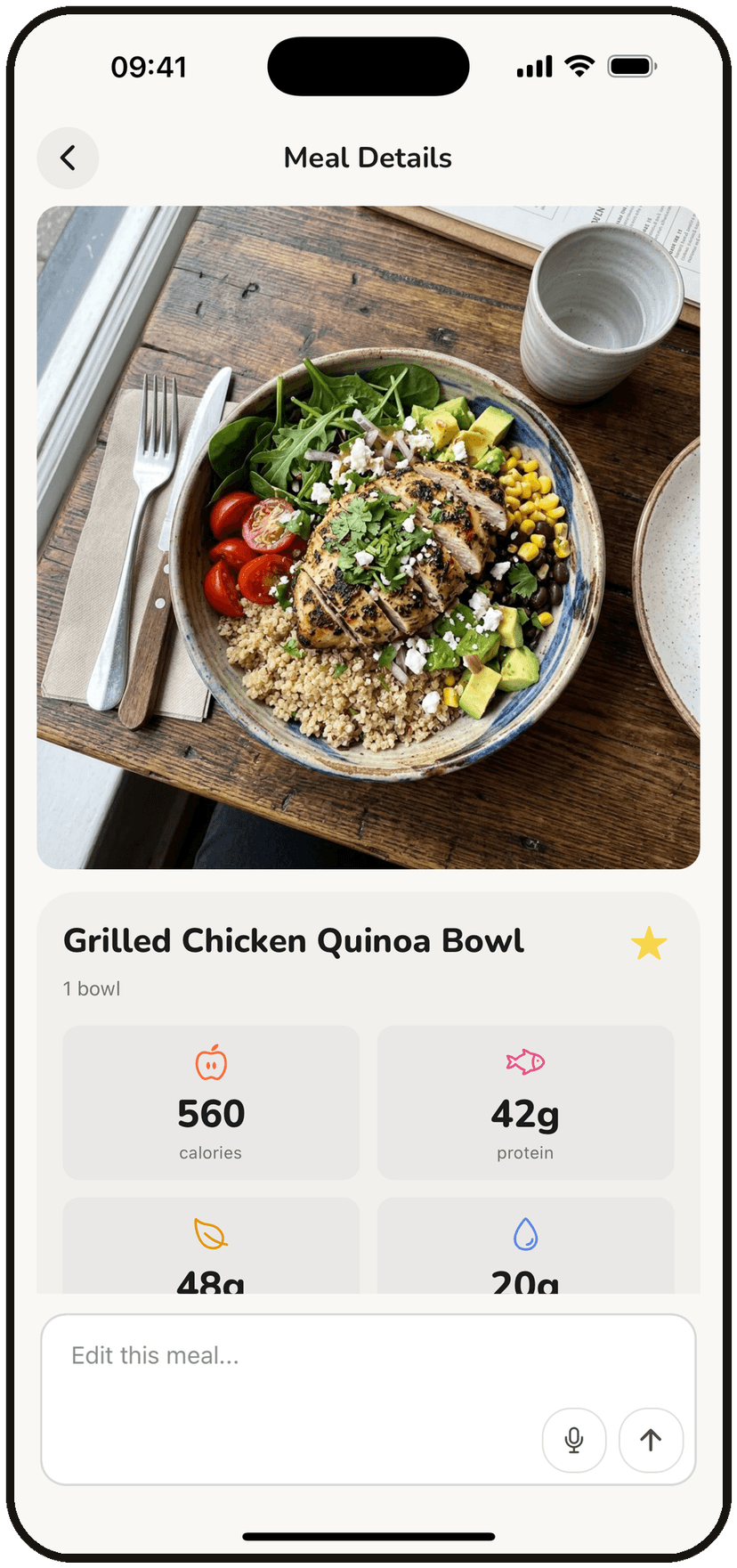
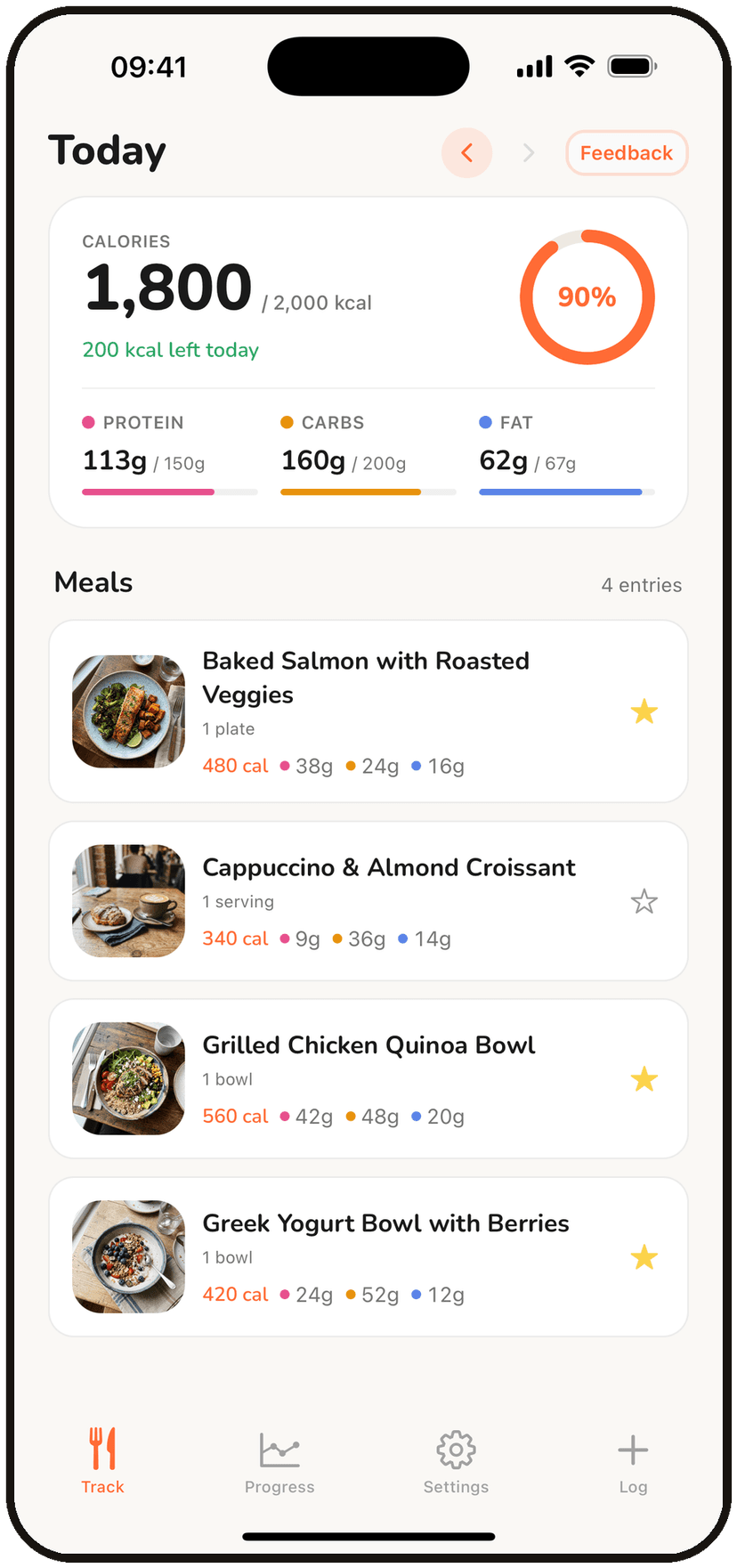
Portion guesses add up fast. BiteKit's AI estimates what's actually on your plate — oils, sides and all — so your log stays close to what you really ate.
- Log meals by photo, voice, or text
- Calories & macros estimated in seconds
- Syncs with Apple Health and Apple Watch
Free download · 3-day free trial, cancel anytime.
Scan with your iPhone camera