AI Contest Prep Planner
Enter your competition date, current body fat, and target to get a multi-phase prep timeline with weekly calorie adjustments, macro targets, and a peak week protocol — tailored to your division and diet preference.
For educational purposes only. Work with a qualified coach and healthcare provider for competition prep.
Bodybuilding: 4–6% males / 9–12% females. Bikini/Figure: 10–14%.
Minimum 4 weeks, maximum 52 weeks.
Helps calibrate starting calorie targets for each phase.
Understanding Contest Prep
Contest prep is the structured process of reducing body fat to competition-ready levels while preserving as much lean muscle mass as possible. Unlike general fat loss, competitive physique prep requires achieving extremely low body fat percentages — levels that demand careful nutritional programming, progressive dietary adjustments, and a precisely timed peak week.
Done correctly, prep is a phased process that starts months out with a moderate caloric deficit and gradually increases dietary restriction as the show approaches. Done incorrectly — too fast, too extreme, or with insufficient protein — it results in significant muscle loss, hormonal disruption, and poor stage appearance.
Prep Feasibility Guide
The rate of fat loss required determines how safe and muscle-preserving your prep will be:
Very Feasible (<0.5% BW/week)
Ideal rate for muscle preservation. Moderate calorie deficit, minimal performance impact, and sufficient time for a quality peak week.
Feasible (0.5–1% BW/week)
Standard contest prep rate. Requires disciplined nutrition but is manageable for experienced competitors. Some performance reduction expected late in prep.
Aggressive (1–1.5% BW/week)
Elevated risk of muscle loss and metabolic adaptation. Requires very high protein intake, careful training management, and close monitoring. Consider extending prep timeline.
Not Recommended (>1.5% BW/week)
Crash prep territory. Significant muscle catabolism, hormonal disruption, and poor stage appearance are likely outcomes. A longer prep or a lower target body fat is strongly advised.
The Phased Prep Approach
Early Prep
Moderate deficit (300–400 calories below maintenance). Focus on building dietary habits, maintaining training performance, and setting a sustainable rate of loss.
Mid Prep
Increased deficit and/or added cardio as body fat decreases. Protein intake increases to protect muscle as calories drop. This is the main fat loss phase.
Peak Week
Final 7 days: manipulate carbohydrates, water, and sodium to maximize the "dry and full" stage look. Strategy varies by division — more extreme for bodybuilding, more moderate for bikini.
Muscle Preservation During Prep
The defining challenge of contest prep is losing fat while keeping hard-earned muscle. The most evidence-based strategies include:
High Protein Intake
Consume 1.2–1.6 g per pound of lean body mass throughout prep. Higher intakes (1.6 g/lb) are especially important in the final 6–8 weeks when calories are lowest.
Maintain Resistance Training
Continue heavy compound lifts throughout prep. Training volume and intensity signal to the body that muscle is needed — reduce training only if recovery becomes severely compromised.
Moderate Deficit Rate
Target 0.5–1% of body weight loss per week. Faster deficits dramatically increase muscle catabolism. Patience is a competitive advantage in physique sports.
Sleep and Recovery
7–9 hours of sleep per night is critical during prep. Growth hormone release during sleep drives muscle protein synthesis. Poor sleep accelerates muscle breakdown and increases cortisol.
Important Disclaimer
This tool provides general educational information only and is not a substitute for working with a qualified contest prep coach or healthcare provider. Competitive physique prep involves significant physiological stress including caloric restriction, hormonal changes, and psychological pressure. Getting regular bloodwork and consulting a sports medicine physician is strongly recommended. This tool is especially not a substitute for personalized medical advice if you have any underlying health conditions.
Frequently Asked Questions
How many weeks do I need to prep for a bodybuilding contest?
Most competitors need 12–20 weeks depending on their starting body fat. A general rule is to plan for 0.5–1 lb of fat loss per week. Crash preps under 10 weeks typically result in significant muscle loss and poor stage conditioning.
What body fat percentage should I target for competition?
Open Bodybuilding men: 4–6%. Classic Physique: 5–7%. Mens Physique: 6–9%. Figure women: 10–13%. Bikini women: 12–15%. Wellness women: 13–16%. These are approximate stage-ready targets and vary by individual.
What is peak week in bodybuilding?
Peak week is the final 7 days before a competition where athletes manipulate water, carbohydrates, and sodium to maximize stage appearance. Typical strategies include carb depletion then loading, water loading then tapering, and sodium manipulation — all aimed at maximizing muscle fullness while minimizing subcutaneous water.
How much protein should I eat during contest prep?
During a caloric deficit, target 1.2–1.6 grams of protein per pound of lean body mass. Higher intakes closer to 1.6 g/lb lean mass are especially important in the final weeks when calories are lowest and muscle loss risk is highest.
What is the difference between standard deficit and carb cycling during prep?
A standard deficit maintains a consistent daily calorie deficit. Carb cycling alternates high-carb days (on heavy training days) with low-carb days (on rest or cardio days) to support performance while creating a weekly calorie deficit. Carb cycling requires more planning but can help preserve training quality and muscle during prep.
Is this tool a substitute for working with a contest prep coach?
No. This tool provides a general educational framework. Competitive physique sports involve significant physiological stress, and working with a qualified contest prep coach and getting regular bloodwork is strongly recommended — especially for your first competition.
iPhone app · 3-day free trial
You're likely eating 500 calories more than you think
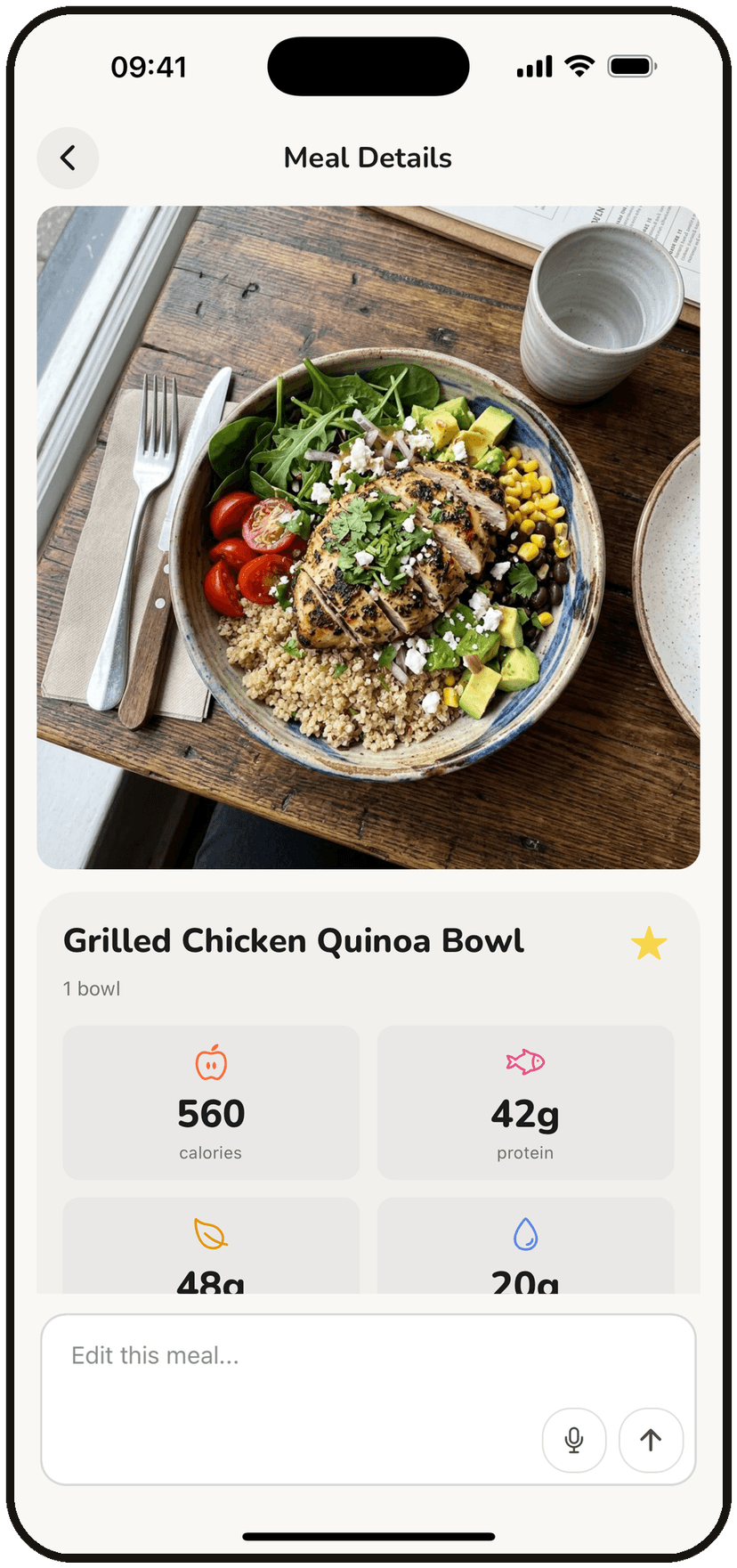
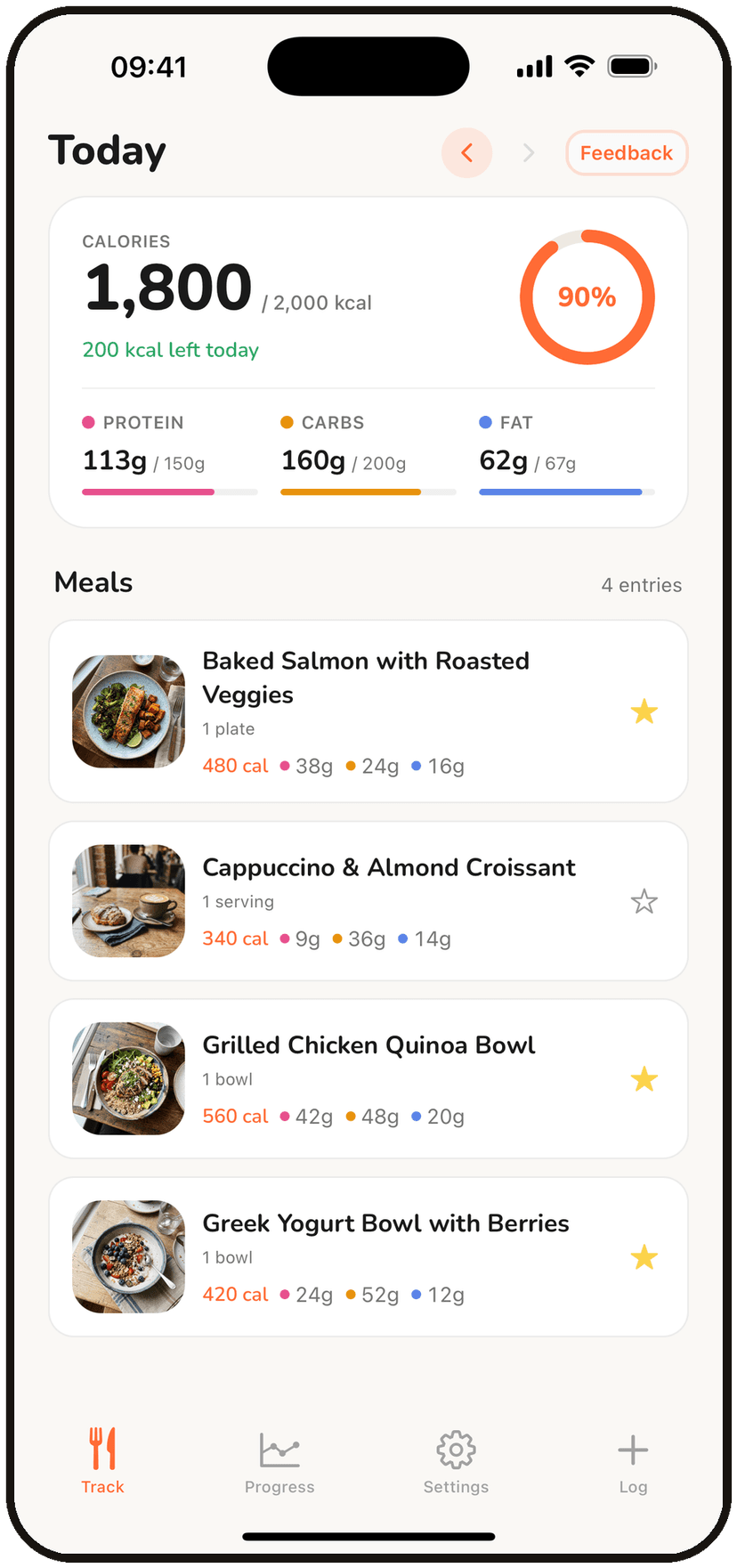
Portion guesses add up fast. BiteKit's AI estimates what's actually on your plate — oils, sides and all — so your log stays close to what you really ate.
- Log meals by photo, voice, or text
- Calories & macros estimated in seconds
- Syncs with Apple Health and Apple Watch
Free download · 3-day free trial, cancel anytime.
Scan with your iPhone camera