AI Cultural Cuisine Nutrition Guide
Name any cultural dish from any cuisine in the world and get a complete nutritional breakdown with traditional preparation context, cultural history, and healthier modifications.
Enter any cultural dish from any cuisine in the world
Specify a custom serving size, or leave blank for a standard portion
Try a popular dish:
Why Understanding Cultural Cuisine Nutrition Matters
Food is deeply intertwined with culture, identity, and tradition. Every cuisine on Earth has evolved over centuries, shaped by local ingredients, climate, trade routes, and cultural practices. Understanding the nutritional profile of cultural dishes allows you to enjoy diverse foods while making informed choices about your health.
Many traditional dishes are inherently nutritious, developed long before modern nutrition science. Fermented foods in Korean cuisine, the balanced spice profiles of Indian cooking, the Mediterranean emphasis on olive oil and fresh vegetables -- these traditions contain centuries of nutritional wisdom. By understanding the nutrition behind these dishes, you can appreciate both their cultural value and their health benefits.
Cultural Appreciation
Learning about the ingredients and preparation methods behind cultural dishes deepens your appreciation for diverse food traditions and the communities that created them.
Informed Choices
Knowing the nutritional profile of dishes from different cuisines helps you make balanced choices when dining out, traveling, or cooking international recipes at home.
Healthiest Cuisines Around the World
While every cuisine has both healthy and indulgent options, some culinary traditions are consistently associated with longevity and lower rates of chronic disease. Here are some of the healthiest cuisines recognized by nutritionists worldwide:
Mediterranean Cuisine
Rich in olive oil, fresh vegetables, legumes, whole grains, fish, and moderate wine consumption. The Mediterranean diet is one of the most studied diets in the world and is associated with reduced risk of heart disease, diabetes, and cognitive decline.
Japanese Cuisine
Emphasizes fresh fish, seaweed, fermented soy products, rice, and seasonal vegetables. Japan has one of the highest life expectancies in the world, partly attributed to their traditional diet that is low in saturated fat and rich in omega-3 fatty acids.
Korean Cuisine
Features abundant fermented foods like kimchi, a variety of vegetables, lean proteins, and complex seasoning. Korean cuisine is naturally rich in probiotics, antioxidants, and fiber, contributing to excellent gut health.
Indian Cuisine
Uses an extensive array of spices with proven health benefits, including turmeric, cumin, and ginger. Traditional Indian cooking features lentils, legumes, and vegetables as staples, providing excellent plant-based protein and fiber.
How Traditional Cooking Methods Affect Nutrition
The way food is prepared dramatically affects its nutritional value. Traditional cooking methods developed over centuries often preserve or enhance the nutritional properties of ingredients in ways that modern processing does not.
Fermentation
Found in kimchi, miso, sauerkraut, and yogurt, fermentation increases bioavailability of nutrients, creates beneficial probiotics, and can reduce antinutrients. Many traditional cultures rely heavily on fermented foods for gut health.
Slow Cooking and Braising
Common in stews from West Africa, tagines from Morocco, and curries from South Asia, slow cooking breaks down tough fibers, extracts collagen from bones, and allows spice compounds to become more bioavailable.
Steaming
Widely used in Chinese and Southeast Asian cuisines for dim sum, fish, and vegetables, steaming preserves water-soluble vitamins and minerals better than boiling or frying, while adding no extra fat.
Spice Blending
Traditional spice combinations like Indian garam masala, Ethiopian berbere, and Mexican mole are not just about flavor. Many spice compounds have anti-inflammatory, antioxidant, and digestive benefits that are enhanced when combined.
Exploring Global Superfoods
Many ingredients used in traditional cuisines around the world are now recognized as "superfoods" for their exceptional nutritional density. These foods have been staples in their native cultures for centuries:
Turmeric (India)
Contains curcumin, a powerful anti-inflammatory compound. Used for thousands of years in Ayurvedic medicine and Indian cooking. Best absorbed when combined with black pepper and fat.
Kimchi (Korea)
A fermented vegetable dish rich in probiotics, vitamins A, B, and C, and beneficial lactobacillus bacteria. A cornerstone of Korean cuisine served at virtually every meal.
Quinoa (Peru/Bolivia)
A complete protein source with all nine essential amino acids, originally cultivated by the Inca. High in fiber, magnesium, iron, and B vitamins.
Seaweed (Japan)
Nori, wakame, and kombu are rich in iodine, iron, calcium, and unique antioxidants not found in land plants. A daily staple in Japanese cooking for centuries.
Teff (Ethiopia)
The grain used to make injera, teff is gluten-free and exceptionally high in calcium, iron, and resistant starch. It has been cultivated in Ethiopia for over 3,000 years.
Olive Oil (Mediterranean)
Rich in monounsaturated fats and polyphenols, extra virgin olive oil is the foundation of Mediterranean cooking. Associated with heart health, reduced inflammation, and longevity.
Frequently Asked Questions
How does the AI Cultural Cuisine Nutrition Guide work?
Our AI uses advanced language models trained on global culinary traditions and nutrition science. Enter the name of any cultural dish, and the AI provides a complete nutritional breakdown per serving, traditional ingredient analysis with per-ingredient macros, cultural history, diet compatibility, healthier modifications, and regional variations.
What cuisines are supported?
The guide supports dishes from every cuisine in the world, including Indian, Japanese, Mexican, Ethiopian, Korean, Thai, Italian, Chinese, French, Middle Eastern, Caribbean, West African, South American, and many more. If you can name a dish, we can analyze it.
How accurate are the nutritional estimates?
The AI references USDA nutritional data and standard traditional recipes to estimate nutrition values. Since traditional dishes vary by region, family recipe, and preparation method, the values represent typical servings. For exact tracking, weigh your specific ingredients and adjust accordingly.
Can I specify a custom serving size?
Yes. You can enter a custom serving size such as "1 bowl," "2 tacos," or "300g" in the optional serving size field. If left blank, the AI will use the standard traditional portion size for that dish.
Does this tool check diet compatibility?
Yes. Every analysis includes a diet compatibility check against common diets including keto, vegan, vegetarian, paleo, gluten-free, and dairy-free. Each diet is marked as compatible or not compatible with an explanation of why.
Are the healthier modifications culturally respectful?
Absolutely. The AI suggests modifications that preserve the essence and cultural integrity of each dish. Modifications focus on small adjustments like swapping cooking oils, reducing added sugars, or using leaner protein cuts rather than fundamentally changing the dish.
iPhone app · 3-day free trial
You're likely eating 500 calories more than you think
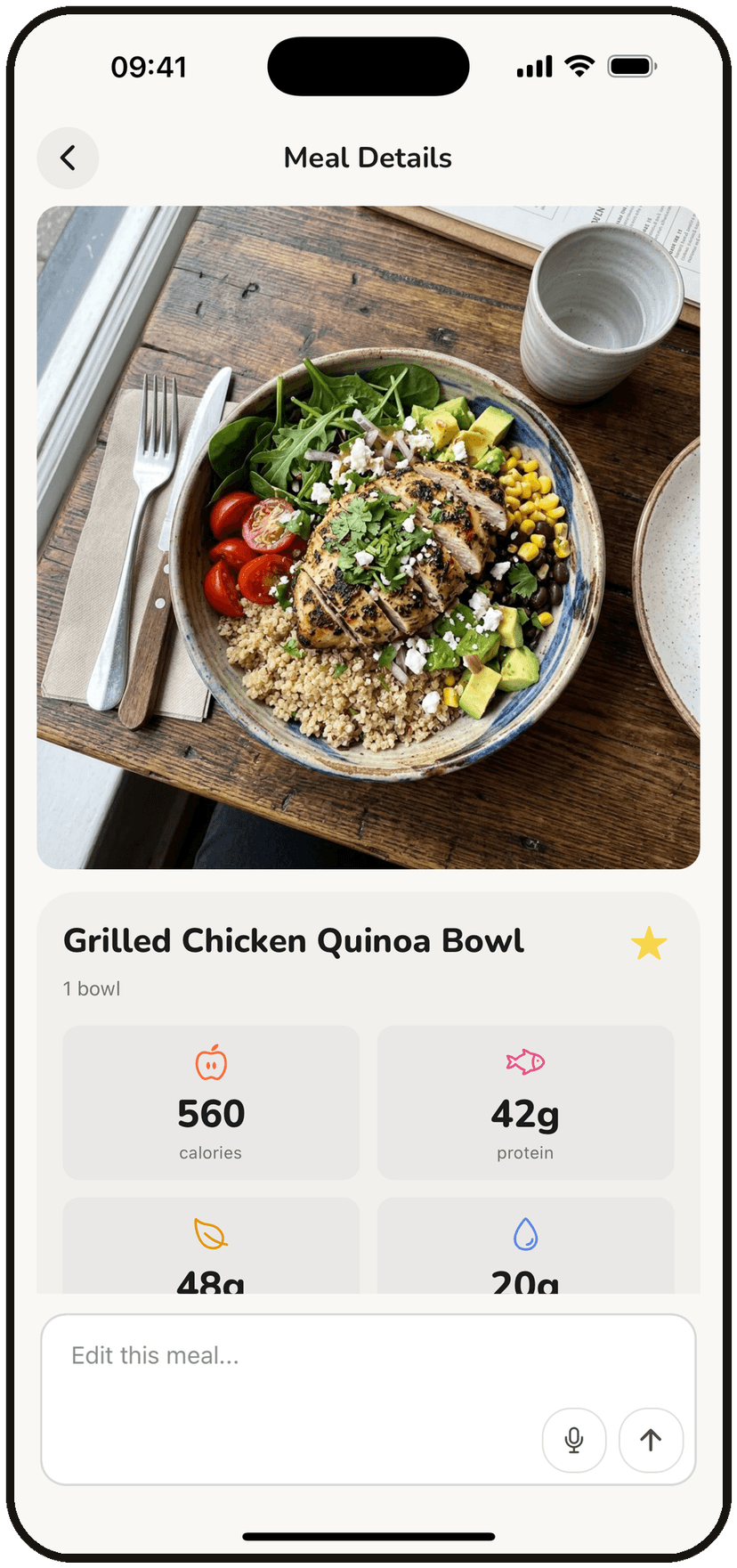
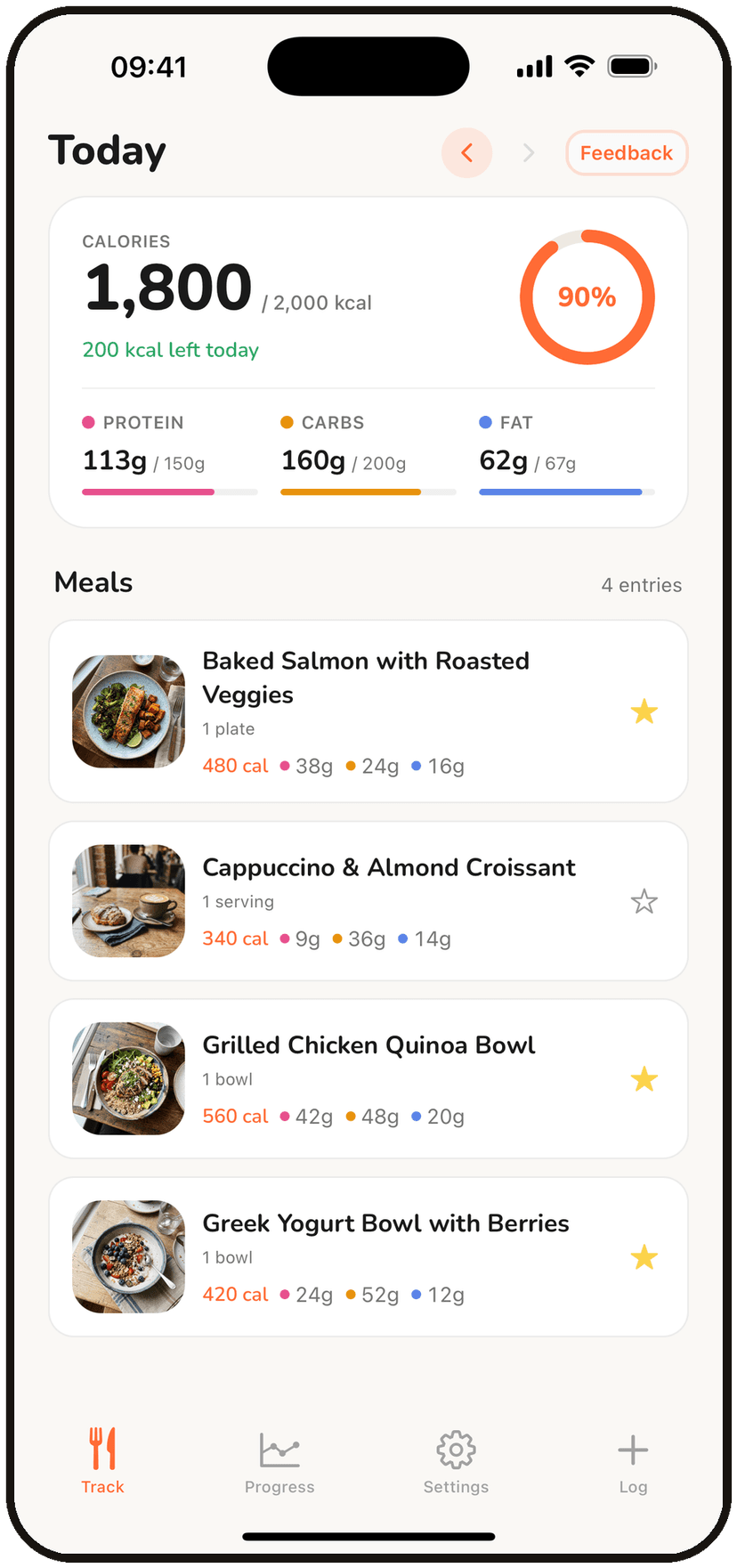
Portion guesses add up fast. BiteKit's AI estimates what's actually on your plate — oils, sides and all — so your log stays close to what you really ate.
- Log meals by photo, voice, or text
- Calories & macros estimated in seconds
- Syncs with Apple Health and Apple Watch
Free download · 3-day free trial, cancel anytime.
Scan with your iPhone camera