AI FODMAP Analyzer
Describe any meal or list ingredients and get instant FODMAP ratings for each component. Identify triggers, discover IBS-friendly swaps, and eat confidently on a low-FODMAP diet.
Include specific ingredients and approximate portions for the most accurate FODMAP analysis
Try an example:
What Are FODMAPs?
FODMAP stands for Fermentable Oligosaccharides, Disaccharides, Monosaccharides, and Polyols. These are short-chain carbohydrates and sugar alcohols that are poorly absorbed in the small intestine. When they reach the large intestine, gut bacteria ferment them, producing gas and drawing water into the bowel, which can cause bloating, cramping, gas, diarrhea, and constipation in sensitive individuals.
Research from Monash University has shown that a low-FODMAP diet can significantly reduce symptoms in up to 75% of people with Irritable Bowel Syndrome (IBS). The key is identifying which specific FODMAP groups trigger your symptoms, since most people do not react to all five groups equally.
The 5 Types of FODMAPs
Understanding the five FODMAP categories helps you identify which foods might trigger your symptoms and find suitable alternatives:
Fructose
Excess Free Fructose
Found in apples, pears, mangoes, watermelon, honey, and high fructose corn syrup. The issue is excess fructose over glucose, not total fructose. Fruits like blueberries and strawberries have balanced fructose-to-glucose ratios and are low-FODMAP.
Lactose
Dairy Sugar
Found in milk, soft cheeses, yogurt, ice cream, and cream. Hard and aged cheeses like cheddar, parmesan, and Swiss are naturally low in lactose. Lactose-free dairy products are safe alternatives.
Fructans
Oligosaccharides
Found in wheat, rye, onion, garlic, artichoke, asparagus, and leeks. Fructans are one of the most common IBS triggers. Garlic-infused oil is a great low-FODMAP alternative since fructans are not oil-soluble.
Galactans (GOS)
Galacto-oligosaccharides
Found in legumes like lentils, chickpeas, kidney beans, soybeans, and black beans. Canned and rinsed legumes are lower in galactans than dried and cooked ones. Firm tofu is a low-FODMAP protein alternative.
Polyols
Sugar Alcohols
Includes sorbitol and mannitol, found in stone fruits (peaches, plums, cherries), mushrooms, cauliflower, and sugar-free products with sweeteners ending in "-ol." Small portions of these foods may be tolerated.
FODMAP Stacking
Cumulative Effect
Even low-FODMAP foods can trigger symptoms when multiple moderate sources are combined in one meal. This "stacking effect" is why analyzing your entire meal matters, not just individual ingredients.
The Low-FODMAP Diet: Three Phases
The low-FODMAP diet is not a lifelong restriction. It is a structured three-phase approach developed by Monash University to help you identify your personal triggers and build a sustainable, varied diet:
Elimination Phase (2-6 Weeks)
Restrict all high-FODMAP foods to reduce symptoms to a baseline level. This phase should be done under guidance from a FODMAP-trained dietitian. It is not meant to be permanent. The goal is to achieve symptom relief so you can accurately test individual FODMAP groups in the next phase.
Reintroduction Phase (6-8 Weeks)
Systematically reintroduce one FODMAP group at a time over three days while keeping the rest of your diet low-FODMAP. Test fructose, lactose, fructans, galactans, sorbitol, and mannitol separately. This phase identifies which specific FODMAP groups trigger your symptoms and at what dose.
Personalization Phase (Long-Term)
Based on your reintroduction results, create a personalized long-term diet that avoids only your specific triggers while reintroducing well-tolerated FODMAPs. The goal is maximum dietary variety with minimum symptoms. Periodically re-test trigger foods as tolerance can change over time.
Common Low-FODMAP Swaps
You do not have to give up flavor on a low-FODMAP diet. Here are some of the most popular ingredient swaps that keep meals delicious while being gentle on your gut:
Instead of Garlic and Onion
Use garlic-infused olive oil for garlic flavor (fructans are not oil-soluble), the green tops of spring onions (scallions), chives, asafoetida powder, or fresh herbs like oregano, basil, and thyme for depth of flavor.
Instead of Wheat Bread and Pasta
Try sourdough spelt bread (lower fructans due to fermentation), gluten-free bread and pasta, rice noodles, quinoa, oats, or potato-based products. Small amounts of regular sourdough bread may also be tolerated.
Instead of High-FODMAP Fruits
Swap apples and pears for strawberries, blueberries, oranges, grapes, kiwi, or pineapple. Replace watermelon with cantaloupe or honeydew. Choose bananas that are firm (not overripe) for a lower FODMAP option.
Instead of Regular Dairy
Choose lactose-free milk, yogurt, and ice cream. Hard cheeses like cheddar, parmesan, and Swiss are naturally low in lactose. Almond milk and rice milk are also low-FODMAP alternatives.
Frequently Asked Questions
What are FODMAPs?
FODMAPs stands for Fermentable Oligosaccharides, Disaccharides, Monosaccharides, and Polyols. These are short-chain carbohydrates that are poorly absorbed in the small intestine and can trigger digestive symptoms like bloating, gas, cramping, and diarrhea in people with IBS. The five main groups are fructose, lactose, fructans, galactans (GOS), and polyols.
How does the AI FODMAP Analyzer work?
The AI uses advanced language models trained on nutrition science and the Monash University FODMAP database. Describe your meal or list ingredients, and the AI instantly identifies each component, rates its FODMAP level (low, moderate, or high), categorizes the FODMAP type, and provides IBS-friendly swap suggestions with safe serving size guidance.
What is the low-FODMAP diet?
The low-FODMAP diet is a three-phase elimination diet developed by Monash University to manage IBS symptoms. Phase 1 eliminates all high-FODMAP foods for 2-6 weeks. Phase 2 reintroduces one FODMAP group at a time to identify triggers. Phase 3 personalizes your long-term diet to avoid only your specific triggers while maintaining variety.
Why does serving size matter for FODMAPs?
Serving size is critical because many foods are low-FODMAP in small portions but become high-FODMAP in larger amounts. For example, half a cup of broccoli is low-FODMAP, but a full cup is high-FODMAP. Combining multiple moderate-FODMAP foods in one meal (FODMAP stacking) can also trigger symptoms even if each individual food is within safe limits.
What are the most common high-FODMAP foods?
Common high-FODMAP foods include garlic, onion, wheat-based bread and pasta, apples, pears, watermelon, milk, yogurt, honey, mushrooms, cauliflower, and legumes (chickpeas, lentils, beans). Many of these have low-FODMAP alternatives or are safe in controlled portions.
Can I use this tool during the FODMAP elimination phase?
Yes, this tool is especially helpful during the elimination phase. It checks whether planned meals are safe by identifying hidden FODMAP sources and suggests IBS-friendly swaps so you can modify recipes while keeping them enjoyable. Always consult a FODMAP-trained dietitian for personalized medical guidance.
iPhone app · 3-day free trial
You're likely eating 500 calories more than you think
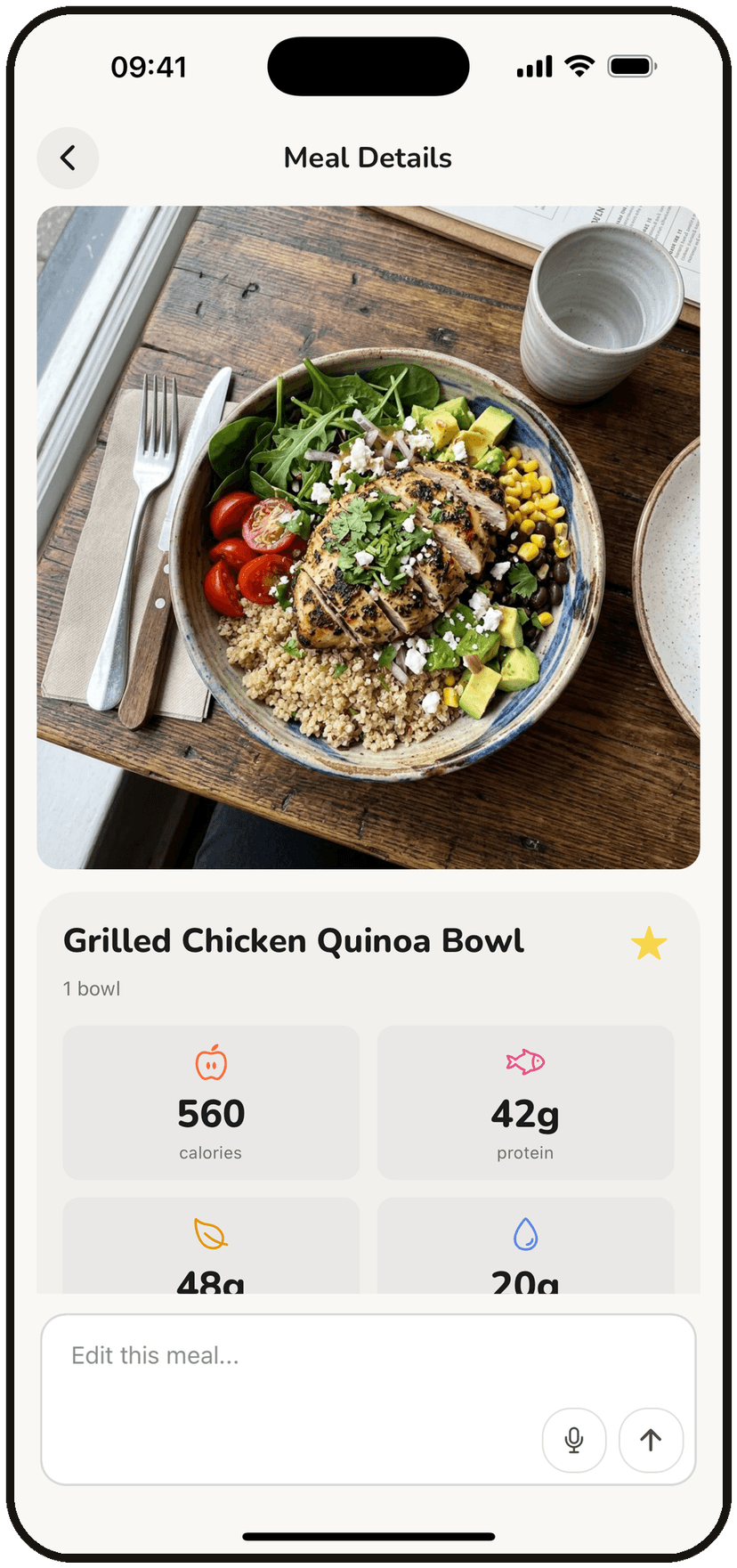
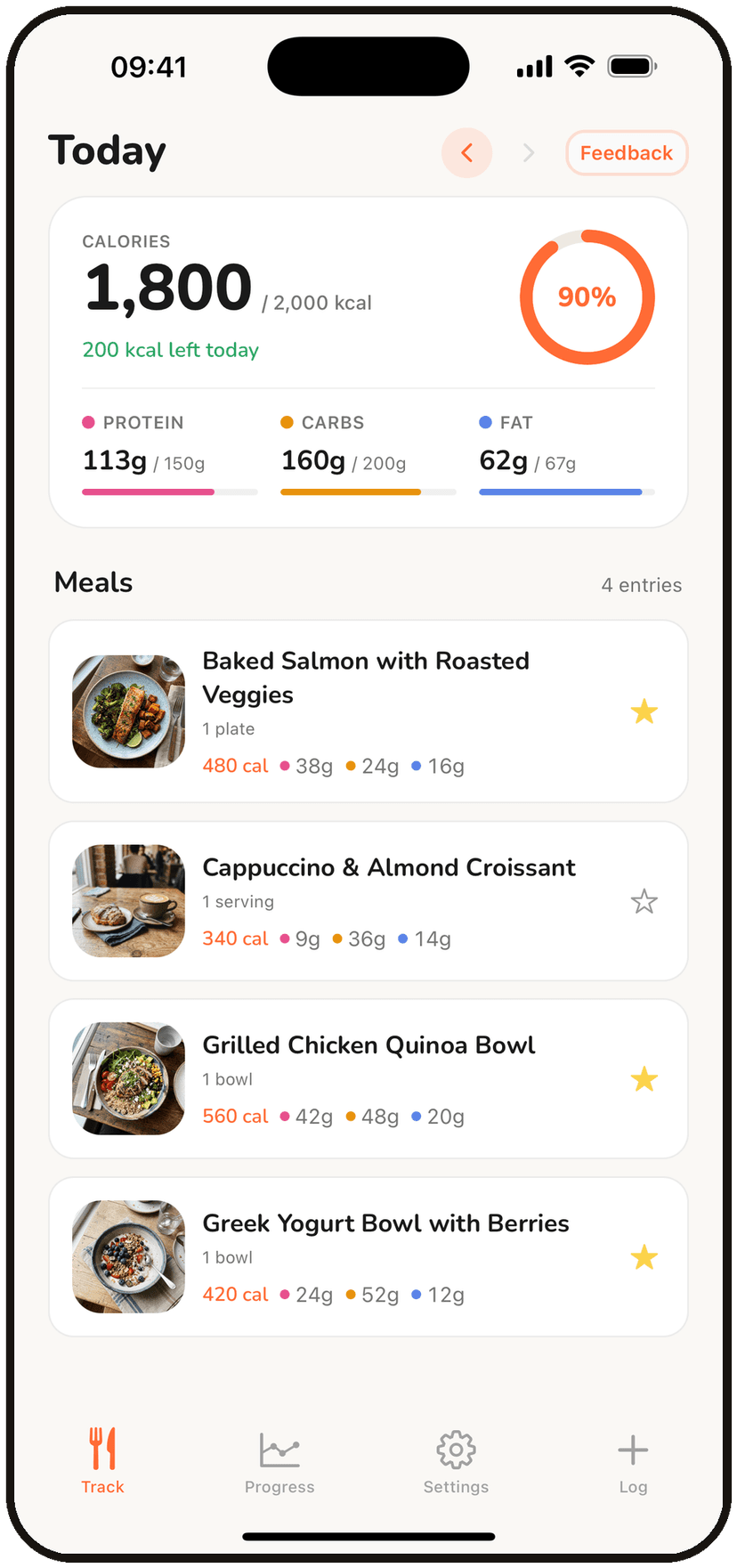
Portion guesses add up fast. BiteKit's AI estimates what's actually on your plate — oils, sides and all — so your log stays close to what you really ate.
- Log meals by photo, voice, or text
- Calories & macros estimated in seconds
- Syncs with Apple Health and Apple Watch
Free download · 3-day free trial, cancel anytime.
Scan with your iPhone camera