AI Food Label Analyzer
Paste any nutrition label and get a plain-English health verdict instantly. Identify ingredient red flags, understand what you're really eating, and discover healthier alternatives.
Include calories, macros, and ingredients for the most accurate analysis
Try an example:
What is Food Label Analysis?
Food label analysis is the process of evaluating the nutritional content and ingredient list of packaged foods to determine their health impact. While nutrition labels are required by the FDA on most food products, the information can be confusing and misleading without proper knowledge.
A thorough food label analysis looks beyond just calories and considers the quality of ingredients, the ratio of macronutrients, the presence of artificial additives, and how the product fits into a balanced diet. Our AI-powered analyzer does this work for you in seconds, providing expert-level insights in plain English.
Nutrition Facts
The nutrition facts panel shows calories, macros, vitamins, and minerals per serving. Key values to check include serving size, calories, protein, fiber, sugar, and sodium levels.
Ingredient List
Ingredients are listed by weight in descending order. The first few ingredients make up the bulk of the product. Fewer, recognizable ingredients generally indicate a healthier product.
How to Read a Nutrition Label
Understanding nutrition labels is one of the most valuable skills for making healthy food choices. Follow these steps to decode any food label like a pro:
Check the Serving Size
All nutrition values are based on one serving. Compare the serving size to how much you actually eat. A bag of chips may list 15 chips as a serving, but most people eat far more.
Look at Calories in Context
Calories alone do not tell the whole story. A 200-calorie snack with 20g protein and 5g fiber is very different from a 200-calorie snack with 25g sugar. Always consider what the calories come from.
Watch Added Sugars and Sodium
The FDA recommends no more than 50g of added sugar and 2,300mg of sodium per day. Many processed foods contain surprisingly high amounts of both. Check the % Daily Value to gauge if levels are high (20% DV or more) or low (5% DV or less).
Prioritize Protein and Fiber
Protein and fiber are two nutrients most people need more of. They promote satiety, support muscle maintenance, and aid digestion. Look for products with higher protein and fiber per calorie.
Scan the Ingredient List
Shorter ingredient lists with recognizable foods are generally better. Watch for sugar aliases (maltose, dextrose, corn syrup), artificial colors (Red 40, Yellow 5), and preservatives (BHA, BHT, TBHQ). If the first ingredient is sugar, reconsider.
Common Ingredient Red Flags
Not all ingredients are created equal. Here are some of the most common concerning ingredients found in packaged foods and why you should be aware of them:
High Fructose Corn Syrup
A cheap sweetener linked to obesity, insulin resistance, and fatty liver disease. Found in sodas, condiments, bread, and many processed foods.
Partially Hydrogenated Oils
The primary source of artificial trans fats, which raise bad cholesterol and lower good cholesterol. Largely banned but may still appear in some products.
Artificial Colors
Red 40, Yellow 5, Yellow 6, and Blue 1 are synthetic dyes derived from petroleum. Some studies link them to hyperactivity in children and allergic reactions.
BHA and BHT
Preservatives used to prevent fats from going rancid. BHA is classified as a possible human carcinogen by the WHO. Found in cereals, chips, and processed meats.
Sodium Nitrite
A preservative in processed meats (bacon, hot dogs, deli meat) that can form cancer-causing nitrosamines when cooked at high temperatures. Choose nitrate-free options when possible.
Carrageenan
A thickener extracted from seaweed, found in dairy alternatives and ice cream. Some research suggests it may cause digestive inflammation, though evidence is mixed.
When to Use This Tool
The AI Food Label Analyzer is useful in many everyday situations. Here are some common use cases:
Grocery Shopping
Compare products at the store to make healthier choices. Quickly check if a "healthy-looking" product is actually nutritious or just clever marketing.
Dietary Planning
Evaluate foods you eat regularly to ensure they align with your health goals. Identify hidden sugars, excess sodium, or concerning additives in your everyday diet.
Learning About Nutrition
Use the detailed ingredient explanations to build your nutrition knowledge. Over time, you will learn to spot red flags and make informed choices on your own.
Finding Better Alternatives
Discover healthier versions of your favorite products. The analyzer suggests specific alternatives so you know exactly what to look for on your next shopping trip.
Frequently Asked Questions
How does the AI Food Label Analyzer work?
Our AI uses advanced language models trained on nutrition science and FDA guidelines. Paste or describe a nutrition label including calories, macros, and ingredients, and the AI provides an instant health verdict, ingredient-by-ingredient analysis, red flags, and healthier alternatives.
What information should I include from the nutrition label?
For the most accurate analysis, include the product name, calories per serving, macronutrients (protein, carbs, fat, sugar), sodium, fiber, and the full ingredient list. The more detail you provide, the more comprehensive the analysis will be.
What are the most common ingredient red flags?
Common red flags include high fructose corn syrup, partially hydrogenated oils (trans fats), artificial colors (Red 40, Yellow 5), preservatives like BHA and BHT, sodium nitrite, and excessive added sugars. Our analyzer identifies and explains each concerning ingredient.
How is the health score calculated?
The health score (1-10) considers ingredient quality, nutritional balance, processing level, sugar and sodium content, protein and fiber levels, and the presence of artificial additives. A score of 9-10 indicates an excellent whole food, while 1-2 indicates a highly processed product with multiple concerns.
Can this tool analyze any food product?
Yes! The AI can analyze any food product as long as you provide nutrition information or ingredient details. This includes packaged foods, supplements, protein bars, cereals, snacks, beverages, and more. You can paste the label exactly as written or describe it in your own words.
Does this replace reading the actual nutrition label?
This tool complements label reading by providing expert-level analysis in plain English. It helps you understand what ingredients mean and how the nutrition profile compares to recommended values. However, always verify critical dietary needs (allergies, medical conditions) with the actual label and consult healthcare professionals for medical advice.
iPhone app · 3-day free trial
You're likely eating 500 calories more than you think
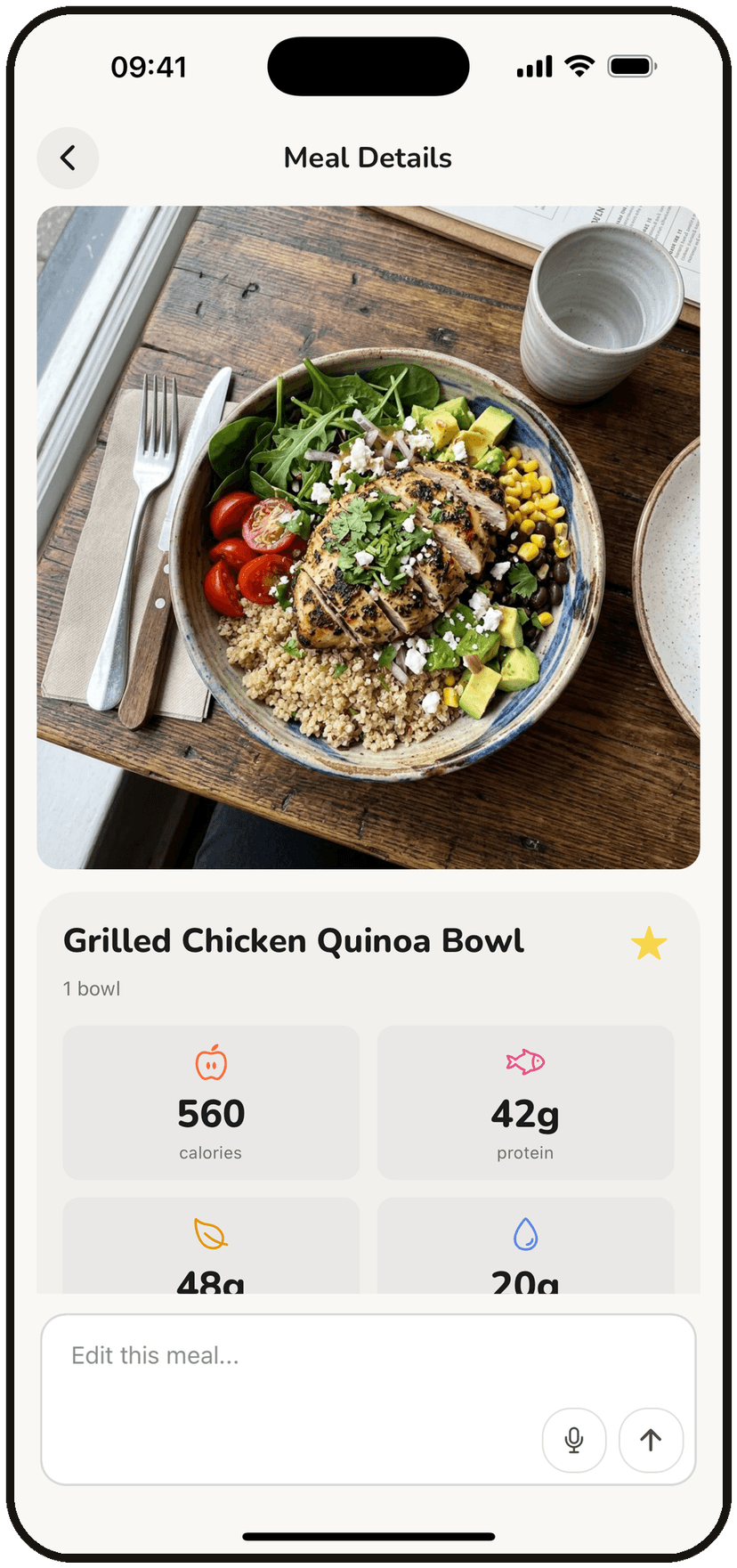
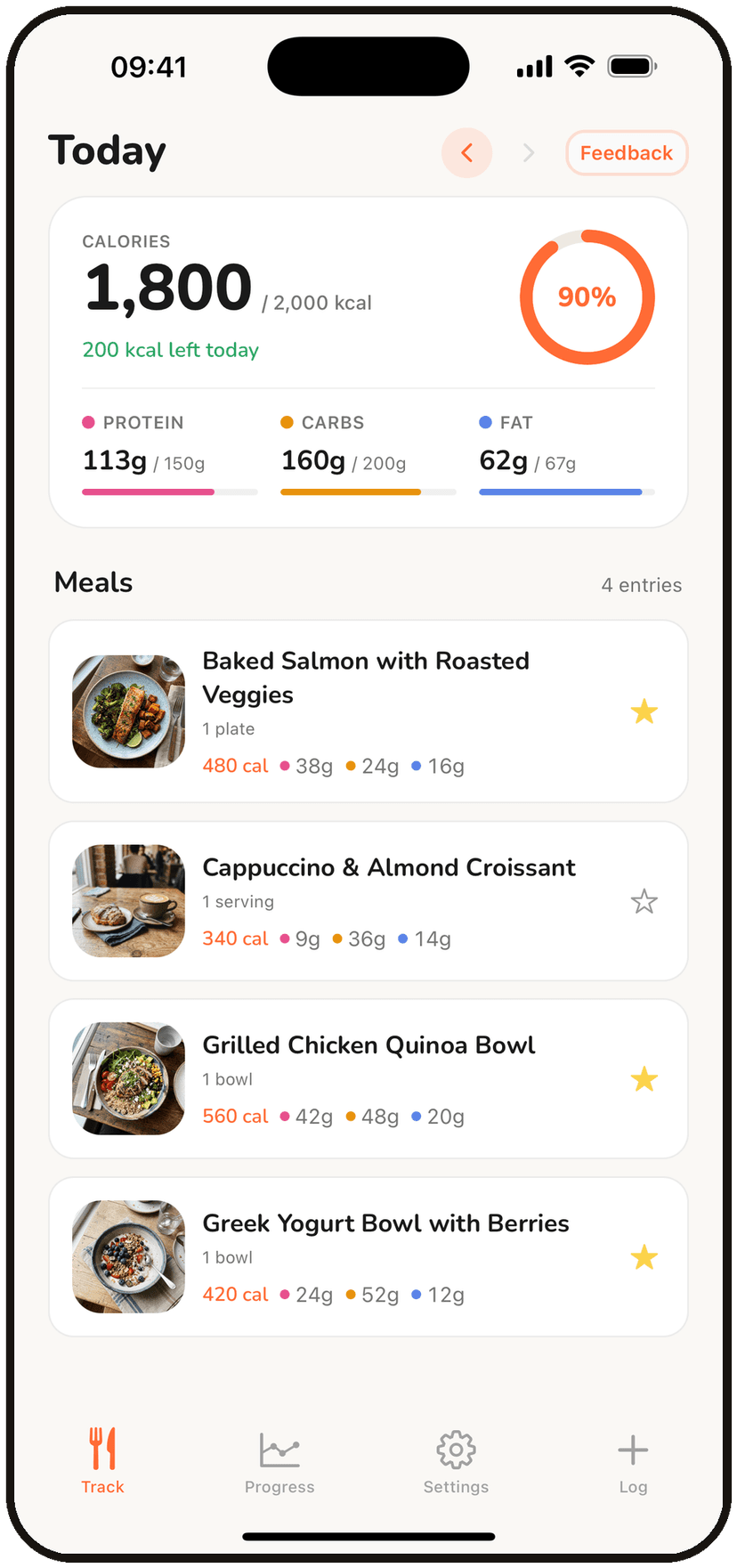
Portion guesses add up fast. BiteKit's AI estimates what's actually on your plate — oils, sides and all — so your log stays close to what you really ate.
- Log meals by photo, voice, or text
- Calories & macros estimated in seconds
- Syncs with Apple Health and Apple Watch
Free download · 3-day free trial, cancel anytime.
Scan with your iPhone camera