AI Gut Health Meal Planner
Describe your digestive symptoms and get a personalized meal plan rich in prebiotics, probiotics, and fiber — tailored to support your gut health and reduce discomfort.
Select all symptoms you experience regularly
List any foods or food groups that you know cause issues
Quick starts:
Understanding Gut Health and the Microbiome
Your gut microbiome is a complex ecosystem of trillions of bacteria, fungi, and other microorganisms living in your digestive tract. Research shows that a healthy, diverse microbiome is essential for digestion, immune function, mental health, and even weight management. What you eat directly shapes the composition and diversity of your gut bacteria.
- Prebiotics: Non-digestible fibers that feed beneficial gut bacteria. Found in garlic, onions, leeks, asparagus, bananas, oats, and apples. They promote the growth of Bifidobacterium and Lactobacillus species
- Probiotics: Live beneficial bacteria found in fermented foods like yogurt, kefir, sauerkraut, kimchi, miso, and kombucha. They help replenish and diversify your gut microbiome
- Postbiotics: Beneficial compounds produced when probiotics digest prebiotics, including short-chain fatty acids (SCFAs) like butyrate, which fuel intestinal cells and reduce inflammation
- Dietary fiber: Both soluble and insoluble fiber support gut motility, feed beneficial bacteria, and promote regular bowel movements. Most adults should aim for 25–35 grams daily
Dietary Strategies for Common Digestive Issues
Different digestive symptoms require different dietary approaches. Here is what the research says about managing common gut issues through nutrition:
Bloating & Gas
Often linked to FODMAP sensitivity or rapid fiber increases. Start with a low-FODMAP approach and gradually reintroduce foods. Chew thoroughly, eat slowly, and consider digestive enzymes. Peppermint tea and ginger can help reduce gas.
Constipation
Increase insoluble fiber (whole grains, vegetables), drink 8+ glasses of water daily, and include magnesium-rich foods. Prunes, kiwi (2 per day), and ground flaxseed have strong evidence for improving bowel regularity.
Diarrhea
Focus on soluble fiber (oats, psyllium, peeled apples) which absorbs water and adds bulk. Avoid excess caffeine, alcohol, and artificial sweeteners. Probiotic-rich foods like yogurt can help restore balance, especially after antibiotics.
Acid Reflux
Eat smaller, more frequent meals. Avoid trigger foods (citrus, tomatoes, spicy foods, chocolate, caffeine, alcohol). Do not eat within 3 hours of bedtime. Include alkaline foods like bananas, melons, and leafy greens. Ginger and chamomile tea may help.
A Guide to Fermented Foods for Gut Health
Fermented foods are among the most powerful tools for improving gut health. A 2021 Stanford study found that a diet high in fermented foods significantly increases microbiome diversity and decreases markers of inflammation. Here are the best options and how to incorporate them:
Yogurt & Kefir
Choose varieties with live active cultures and minimal added sugar. Kefir contains up to 61 different strains of bacteria and yeasts, making it one of the most diverse probiotic sources. Start with 1/2 cup daily and increase to 1 cup. Lactose-free options are available for those with dairy sensitivity.
Sauerkraut & Kimchi
These fermented vegetables are rich in Lactobacillus bacteria and also provide fiber and vitamins. Choose raw, unpasteurized versions (found in the refrigerated section) as pasteurization kills beneficial bacteria. Start with 1–2 tablespoons per meal and increase gradually.
Miso & Tempeh
Fermented soy products that provide probiotics along with complete protein. Miso is excellent in soups and dressings (add after cooking to preserve live bacteria). Tempeh is a versatile protein source that can replace meat in many dishes while delivering beneficial Rhizopus bacteria.
Kombucha
A fermented tea containing a variety of beneficial bacteria and yeasts. Choose brands with less than 5g of sugar per serving. Limit to 4–8 oz daily, especially when starting out. Avoid if you have acid reflux, as the acidity can worsen symptoms.
Building a High-Fiber Diet for Gut Health
Fiber is the single most important dietary factor for gut health. It feeds beneficial bacteria, promotes regular bowel movements, and helps produce short-chain fatty acids that protect the gut lining. However, increasing fiber too quickly can cause bloating and gas. Follow these guidelines for a successful transition:
Start Low, Go Slow
Increase fiber by only 3–5 grams per week. Track your intake and symptoms. This gradual approach allows your gut bacteria to adjust without excessive gas or bloating.
Hydrate Adequately
Fiber absorbs water, so increase water intake as you increase fiber. Aim for at least 8 glasses daily. Without enough water, high fiber can actually worsen constipation.
Mix Fiber Types
Include both soluble fiber (oats, chia seeds, beans, apples) and insoluble fiber (whole grains, nuts, leafy greens). Each type serves different functions in the gut.
Eat Diverse Plants
Research from the American Gut Project shows that people who eat 30+ different plant foods per week have the most diverse microbiomes. Variety matters more than volume for gut health.
Frequently Asked Questions
How does the AI Gut Health Meal Planner work?
The AI Gut Health Meal Planner uses nutrition science and AI to create a personalized meal plan. You select your digestive symptoms, severity level, food intolerances, and preferences. The AI generates a daily meal plan rich in prebiotics and probiotics, identifies foods to avoid, and provides fermented food recommendations, fiber targets, and supplement suggestions.
What are prebiotic and probiotic foods for gut health?
Prebiotic foods contain fibers that feed beneficial gut bacteria. Top sources include garlic, onions, leeks, asparagus, bananas, oats, and flaxseeds. Probiotic foods contain live beneficial bacteria, including yogurt, kefir, sauerkraut, kimchi, miso, and kombucha. A gut-healthy diet includes both working together to support a diverse microbiome.
How much fiber should I eat daily for gut health?
Most adults should aim for 25–30 grams of fiber daily. Include both soluble fiber (oats, chia seeds, beans, apples) and insoluble fiber (whole grains, nuts, vegetables). If you currently eat low fiber, increase gradually by 3–5 grams per week to avoid bloating and gas.
What foods should I avoid if I have bloating and gas?
Common triggers include high-FODMAP foods (garlic, onions, wheat, certain fruits), carbonated beverages, artificial sweeteners, cruciferous vegetables in large amounts, improperly prepared beans, dairy (if lactose intolerant), and fried or high-fat foods. The AI identifies specific triggers based on your symptoms.
What supplements help with gut health?
Key gut health supplements include multi-strain probiotics (10–50 billion CFU), L-Glutamine (5–10g daily for gut lining repair), digestive enzymes (with meals for bloating), psyllium husk fiber, zinc carnosine (for acid reflux), and slippery elm for soothing irritated gut lining. Always introduce one supplement at a time.
How long does it take to improve gut health?
Gut microbiome changes can begin within 24–48 hours, but meaningful symptom improvement typically takes 2–4 weeks of consistent dietary changes. Full microbiome remodeling can take 3–6 months. Signs of improvement include reduced bloating, more regular bowel movements, better energy, and improved sleep.
iPhone app · 3-day free trial
You're likely eating 500 calories more than you think
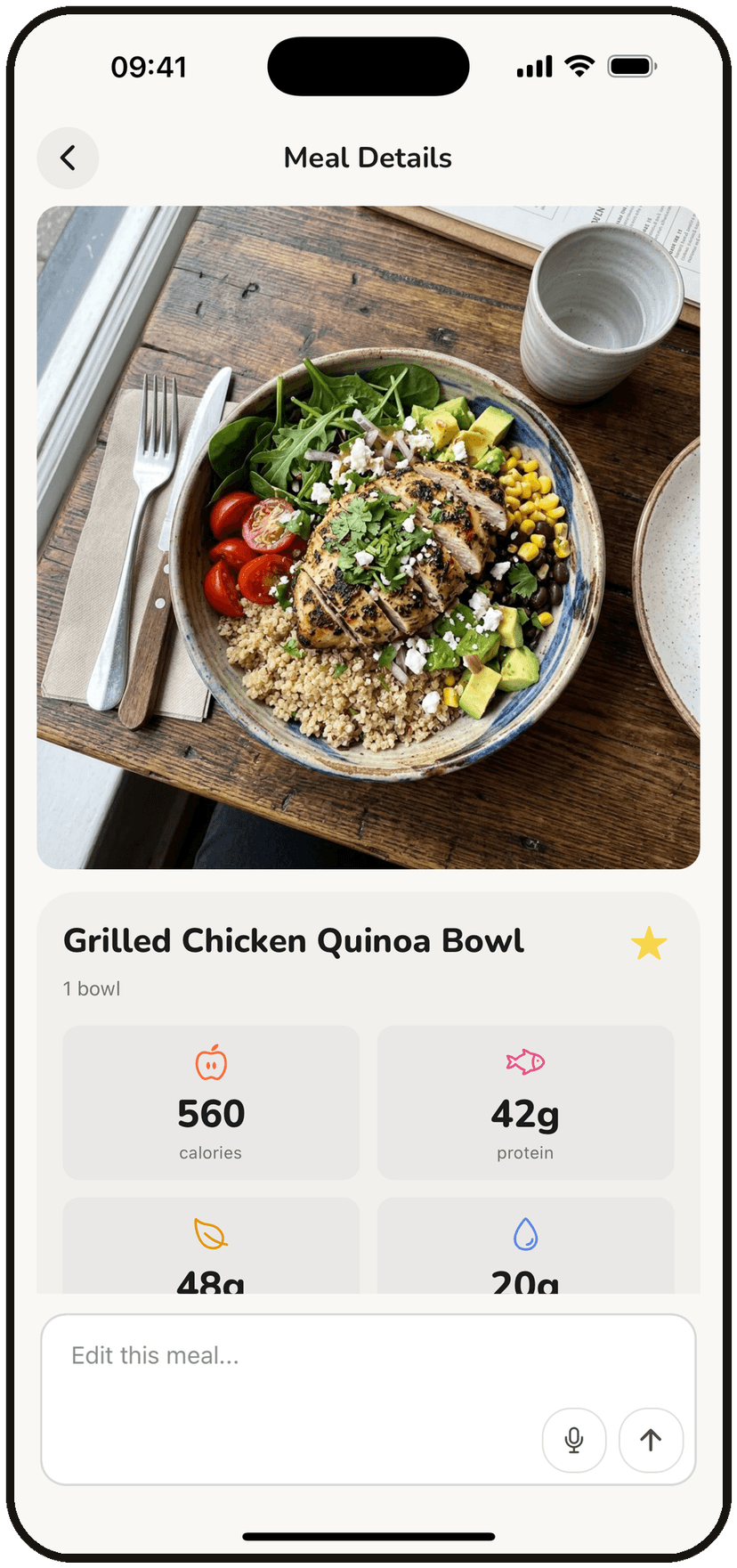
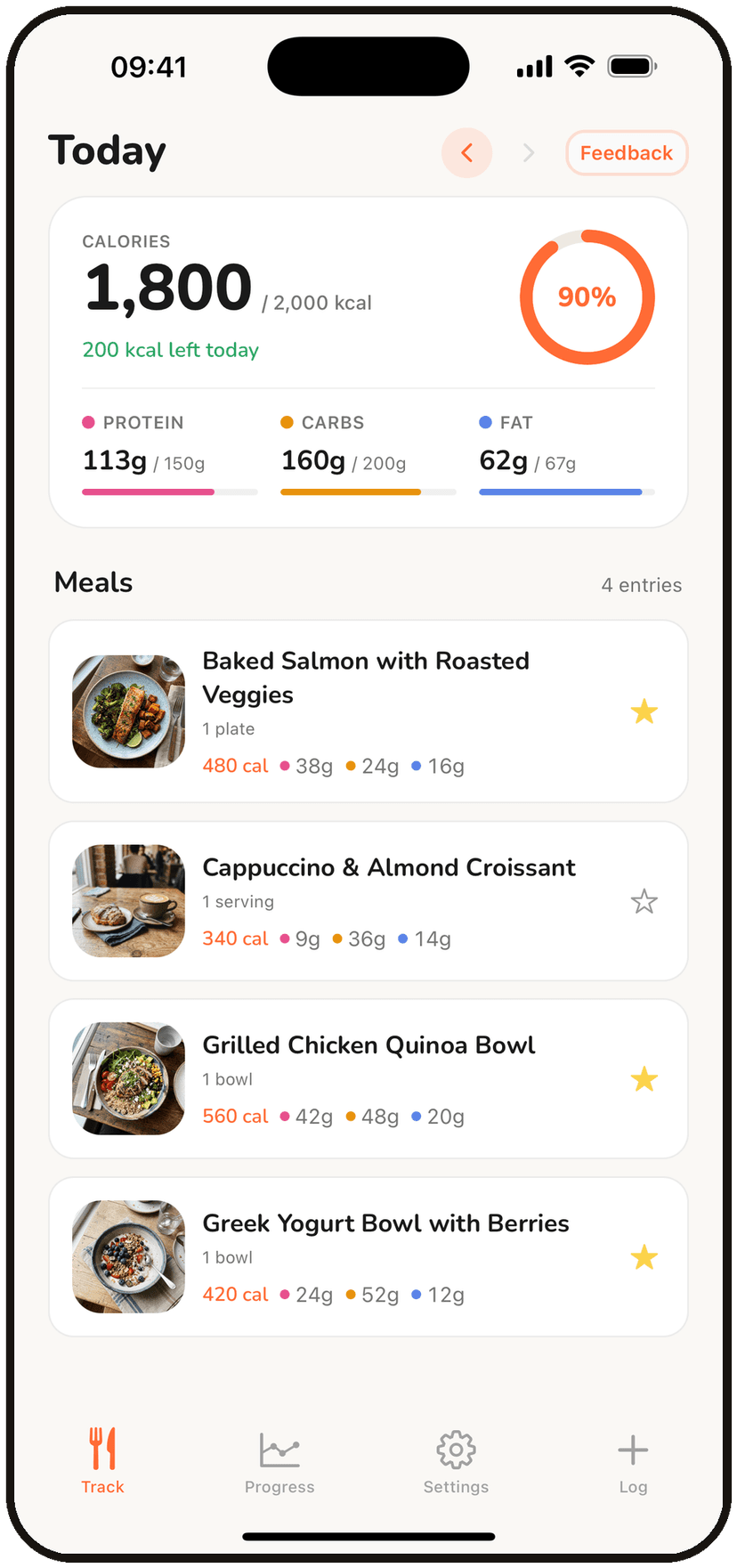
Portion guesses add up fast. BiteKit's AI estimates what's actually on your plate — oils, sides and all — so your log stays close to what you really ate.
- Log meals by photo, voice, or text
- Calories & macros estimated in seconds
- Syncs with Apple Health and Apple Watch
Free download · 3-day free trial, cancel anytime.
Scan with your iPhone camera