AI Hormone-Balancing Meal Planner
Describe your hormonal health goals and get a personalized meal plan scored for fiber, cruciferous vegetables, healthy fats, and blood sugar stability — designed for PCOS, menopause, thyroid health, or estrogen balance.
Select the primary goal you want to address
Select any foods you need to avoid due to allergies, intolerances, or preference
How Food Shapes Your Hormonal Health
Hormones are chemical messengers that regulate virtually every bodily function, from metabolism and mood to reproduction and sleep. What you eat directly influences hormone production, metabolism, signaling, and elimination. The growing field of nutritional endocrinology has identified specific foods and dietary patterns that can meaningfully support hormonal balance.
Four key nutritional pillars support hormonal health: adequate dietary fiber for hormone elimination and blood sugar stability, cruciferous vegetables containing DIM and indole-3-carbinol for estrogen metabolism, quality healthy fats providing the raw material for steroid hormone synthesis, and low-glycemic eating patterns to maintain insulin sensitivity and prevent the hormonal cascade triggered by blood sugar spikes.
Nutrition by Hormonal Health Goal
PCOS Management
Polycystic ovary syndrome is strongly linked to insulin resistance. A low-glycemic, high-fiber diet with adequate protein reduces insulin spikes, lowers androgens, and supports ovulatory function. Key foods include oats, lentils, leafy greens, fatty fish, and inositol-rich legumes.
Menopause Support
As estrogen production declines, phytoestrogen-rich foods (flaxseed, soy, legumes) may help ease hot flashes and mood changes. Prioritizing calcium, vitamin D, and magnesium supports bone health, sleep, and cardiovascular function during this transition.
Thyroid Support
The thyroid needs selenium, iodine, zinc, and iron to produce and convert hormones. Brazil nuts (selenium), seaweed (iodine), pumpkin seeds (zinc), and lean meats (iron) are cornerstone thyroid-supportive foods. An anti-inflammatory dietary pattern also helps manage autoimmune thyroid conditions.
Estrogen Balance
Cruciferous vegetables supply DIM (diindolylmethane), which guides estrogen toward less potent, beneficial metabolites. Adequate fiber (30–35g daily) prevents estrogen reabsorption from the gut, while probiotic-rich foods support the estrobolome — the gut microbiome ecosystem that governs circulating estrogen levels.
The Four Pillars of Hormone-Supportive Eating
1. Fiber for Hormone Elimination
Dietary fiber — especially from legumes, flaxseed, oats, and vegetables — binds excess estrogen and other hormones in the gut and escorts them out of the body. Without adequate fiber (target: 30–35g daily), these hormones can be reabsorbed into circulation, contributing to estrogen dominance. Fiber also slows glucose absorption, preventing the insulin spikes that destabilize cortisol, progesterone, and sex hormone balance.
2. Cruciferous Vegetables for Estrogen Metabolism
Broccoli, cauliflower, kale, cabbage, Brussels sprouts, and arugula contain glucosinolates that convert to DIM (diindolylmethane) and indole-3-carbinol upon digestion. These compounds promote the conversion of estrogen to the 2-hydroxyestrone pathway — the weaker, protective form — rather than the more potent 16-alpha-hydroxyestrone associated with higher cancer risk and hormonal imbalance. Aim for at least 1–2 servings daily. Cooking reduces goitrogenic activity in cruciferous vegetables, making them safe for thyroid health when cooked.
3. Healthy Fats for Hormone Production
Steroid hormones — including estrogen, progesterone, testosterone, cortisol, and DHEA — are all synthesized from cholesterol. Very low-fat diets can therefore impair hormone production. Prioritize monounsaturated fats (olive oil, avocado), omega-3 polyunsaturated fats (fatty fish, walnuts, flaxseed) which reduce inflammation and support hormone receptor sensitivity, and saturated fat in moderation from whole food sources. Avoid trans fats and refined seed oils which increase systemic inflammation and disrupt hormone signaling.
4. Blood Sugar Stability for Cortisol Control
Blood sugar dysregulation is one of the most common drivers of hormonal imbalance. When glucose spikes, the body releases insulin to clear it, followed by a drop that triggers cortisol release. Chronically elevated cortisol steals progesterone (the “pregnenolone steal”), suppresses thyroid function, and promotes insulin resistance in a vicious cycle. Every meal should combine protein, fiber, and healthy fat to slow glucose absorption and maintain stable energy. Eating at regular intervals (every 4–5 hours) further prevents cortisol spikes from blood sugar lows.
Understanding Phytoestrogens
Phytoestrogens are plant compounds that weakly bind to estrogen receptors in the body. They can act as weak estrogen agonists or antagonists depending on existing estrogen levels — potentially helpful for both low-estrogen states (menopause) and estrogen dominance. The main classes include:
Lignans
Sources: Ground flaxseed, sesame seeds, whole grains, berries
Most extensively studied; associated with improved estrogen metabolite ratios
Isoflavones
Sources: Edamame, tofu, tempeh, miso, soy milk
Evidence for reducing menopause symptoms; impact varies by individual gut microbiome
Coumestans
Sources: Alfalfa sprouts, mung bean sprouts, clover
Strongest estrogenic activity; consumed in smaller amounts in typical diets
Frequently Asked Questions
How does the AI Hormone-Balancing Meal Planner work?
Select your hormonal health goal, age range, dietary preference, any foods to avoid, and plan duration. Claude AI generates a personalized multi-day meal plan with each meal scored for hormone support (1–5), complete macro breakdowns, key hormone-supporting nutrients, overall plan statistics, and lifestyle recommendations.
What foods help balance hormones naturally?
Key hormone-balancing foods include cruciferous vegetables (broccoli, kale, cauliflower) for estrogen metabolism; ground flaxseed for lignans; fatty fish and walnuts for anti-inflammatory omega-3s; Brazil nuts for selenium and thyroid support; avocado and olive oil for healthy fats needed in hormone production; legumes and whole grains for blood sugar stability; and fermented foods for estrobolome health.
What is the best diet for PCOS?
For PCOS, focus on low-glycemic foods (GI below 55), adequate protein (1.6–2.2g per kg bodyweight), anti-inflammatory omega-3s, high fiber (25–35g daily), and inositol-rich foods. Cruciferous vegetables help metabolize excess androgens. Avoiding refined sugars and processed carbohydrates is equally important for managing insulin resistance.
What should I eat during menopause?
During menopause, prioritize phytoestrogen-rich foods (flaxseed, edamame, tempeh), calcium and vitamin D for bone health, magnesium for sleep and mood, and adequate protein (at least 1.2–1.6g per kg) to prevent muscle loss. Reducing caffeine, alcohol, and spicy foods may help manage hot flash frequency and severity.
How does diet affect thyroid health?
The thyroid relies on selenium (Brazil nuts, tuna, eggs) for T4–T3 conversion, iodine (seaweed, dairy, iodized salt) for hormone synthesis, zinc (pumpkin seeds, beef) for hormone production, and iron for thyroid enzyme activity. An anti-inflammatory diet is especially important for autoimmune thyroid conditions like Hashimoto's thyroiditis.
What is the hormone support score in the meal plan?
Each meal receives a hormone support score from 1 to 5 based on how many direct hormone-supporting nutrients it contains for your specific goal. A score of 5 means the meal includes 3 or more targeted nutrients (e.g., selenium + zinc + omega-3s for thyroid support). Higher scores indicate more targeted hormonal nutritional support, while lower scores indicate nutritionally adequate but less specialized meals.
iPhone app · 3-day free trial
You're likely eating 500 calories more than you think
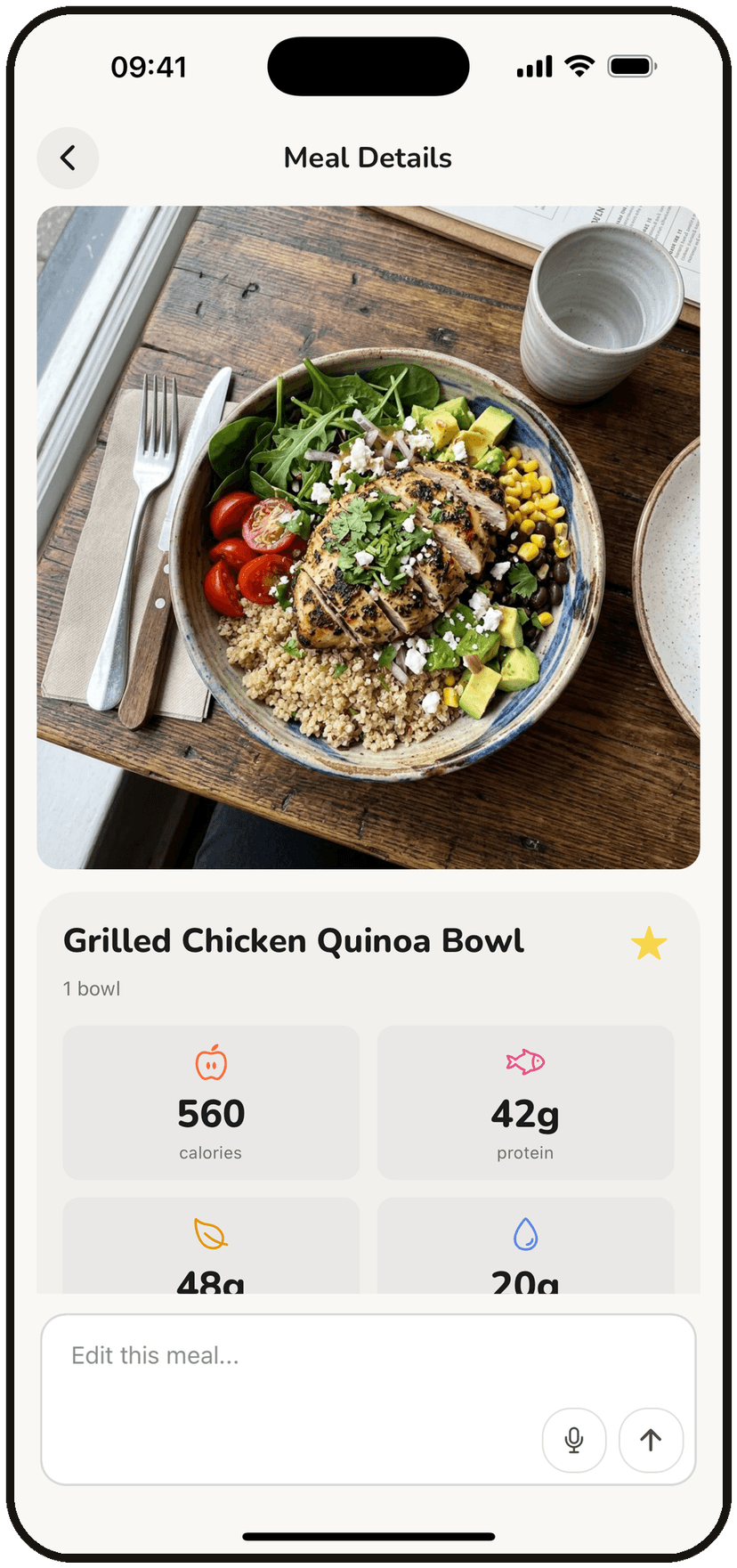
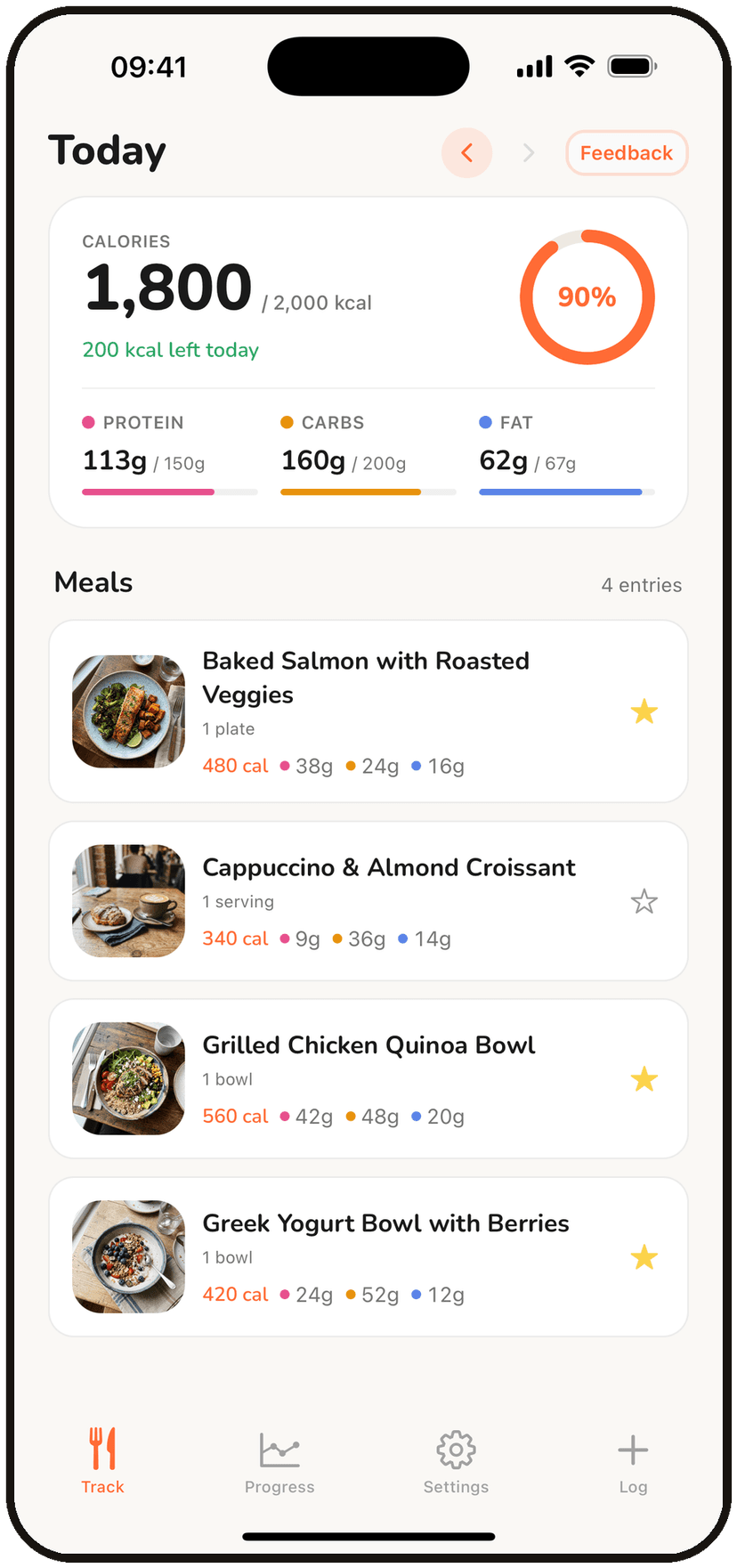
Portion guesses add up fast. BiteKit's AI estimates what's actually on your plate — oils, sides and all — so your log stays close to what you really ate.
- Log meals by photo, voice, or text
- Calories & macros estimated in seconds
- Syncs with Apple Health and Apple Watch
Free download · 3-day free trial, cancel anytime.
Scan with your iPhone camera