AI Hydration Strategy Builder
Describe your sport, climate, and training schedule to get a complete hydration protocol with fluid timing, electrolyte ratios, and drink recommendations.
If you've tested your sweat rate, enter it here for more precise recommendations
Quick starts:
The Science of Athletic Hydration
Proper hydration is one of the most impactful and often overlooked aspects of athletic performance. Even mild dehydration of 2% body weight loss can significantly impair endurance, strength, and cognitive function during exercise. Understanding the science behind fluid balance helps you develop a strategy that prevents performance decline and protects your health.
- Sweat rate variability: Individual sweat rates range from 0.5 to 2.0+ liters per hour depending on genetics, fitness level, body size, exercise intensity, and environmental conditions. Hot and humid climates can increase sweat rate by 50-100% compared to temperate conditions
- Electrolyte losses: Sweat contains significant amounts of sodium (230-1,840 mg per liter), along with potassium, magnesium, and calcium. Sodium is lost in the highest concentration, which is why it is the most critical electrolyte to replace during exercise
- Gastric emptying: The stomach can absorb approximately 800-1,200 mL of fluid per hour. Drinks with 4-8% carbohydrate concentration are absorbed faster than plain water or heavily concentrated drinks. This is why sports drinks are formulated in this range
- Hyponatremia risk: Overdrinking plain water without electrolytes during prolonged exercise (over 4 hours) can dilute blood sodium to dangerous levels. This is why electrolyte supplementation is essential for endurance events
Understanding Electrolytes for Athletes
Electrolytes are minerals that carry an electrical charge in your body fluids. They regulate muscle contractions, nerve signaling, fluid balance, and pH levels. For athletes, maintaining the right balance of electrolytes is essential for performance, cramping prevention, and recovery.
Sodium
The primary electrolyte lost in sweat and the most critical to replace. Sodium maintains blood volume, supports nerve impulses, and aids fluid absorption in the gut. Most athletes need 300-600 mg per hour during exercise, but heavy sweaters in hot conditions may need 1,000+ mg per hour. Signs of sodium depletion include muscle cramps, headache, nausea, and confusion.
Potassium
Works alongside sodium to regulate fluid balance and is essential for muscle contraction and heart function. Athletes typically need 150-300 mg per hour during training. Good natural sources include bananas, coconut water, and avocados. Potassium deficiency can cause muscle weakness, cramps, and irregular heartbeat.
Magnesium
Involved in over 300 enzymatic reactions including energy production, muscle contraction, and protein synthesis. During prolonged exercise, 50-120 mg per hour helps prevent muscle cramps and supports energy metabolism. Many athletes are chronically low in magnesium, making supplementation particularly beneficial.
Calcium
Essential for muscle contraction, nerve transmission, and bone health. While calcium losses in sweat are relatively small, chronically inadequate calcium intake combined with heavy training can increase stress fracture risk. Ensure adequate daily intake through dairy, fortified foods, or supplements.
Hydration Strategies by Sport
Different sports present unique hydration challenges based on intensity, duration, equipment, and opportunities to drink. Tailoring your hydration strategy to your specific sport ensures you can maintain fluid balance without disrupting performance.
Running
Runners have high sweat rates (0.8-2.0 L/hr) and limited carrying capacity. Plan hydration around aid station timing for races, or use a handheld bottle or hydration vest for training. Pre-hydrate aggressively and practice your race-day hydration during training runs to avoid GI distress.
Cycling
Cyclists benefit from easy access to bottles on the bike. Wind cooling can mask sweat rate, so drink on a schedule rather than by thirst. For rides over 90 minutes, use electrolyte drinks rather than plain water. Two-bottle setups (one water, one electrolyte mix) provide flexibility.
Swimming
Swimmers still sweat despite being in water — studies show 0.3-0.5 L/hr in pool swimming. The immersion environment masks thirst signals, so swimmers often underhydrate. Keep a water bottle on the pool deck and drink during rest intervals.
Team Sports
Intermittent high-intensity sports (soccer, basketball, rugby) have variable sweat rates. Use breaks, timeouts, and substitutions as hydration opportunities. Sodium-rich drinks are particularly important for team sport athletes who wear equipment that traps heat.
Climate and Hydration
Environmental conditions dramatically affect your hydration needs. A hydration plan that works perfectly in a climate-controlled gym may be dangerously inadequate for outdoor training in summer heat. Always adjust your strategy based on conditions.
Hot and Humid
The most demanding environment. High humidity impairs sweat evaporation, reducing cooling efficiency and increasing core temperature. Sweat rates can exceed 2 L/hr. Increase fluid intake by 40-60%, boost sodium to 600-1,000+ mg/hr, and consider pre-cooling strategies. Heat acclimatization over 10-14 days improves tolerance.
Hot and Dry
Sweat evaporates quickly in dry heat, making it hard to gauge fluid losses. Athletes often underestimate how much they are sweating. Drink more frequently (every 10-15 minutes) and monitor urine color. Salt crusts on skin or clothing indicate high sodium losses requiring aggressive electrolyte replacement.
Cold Weather
Thirst is suppressed by up to 40% in cold conditions, yet fluid losses remain significant from breathing dry cold air and sweating under layers. Respiratory water loss can reach 200-300 mL per hour. Warm fluids may be more palatable and help maintain core temperature. Do not skip hydration just because you do not feel thirsty.
Indoor Training
Indoor environments lack wind for evaporative cooling, often leading to higher sweat rates than the same workout outdoors. Gym humidity from other exercisers compounds the problem. Bring a large water bottle and drink regularly throughout your session. Add electrolytes for sessions over 45 minutes.
Frequently Asked Questions
How does the AI Hydration Strategy Builder work?
The AI Hydration Strategy Builder uses exercise science and AI to create a personalized hydration protocol. You enter your sport, training intensity, session duration, climate, and body weight. The AI generates pre-training, during-training, and post-training plans with fluid amounts, electrolyte ratios, and drink recommendations.
How much water should I drink during exercise?
Most athletes need 0.4-0.8 liters (13-27 oz) per hour during exercise, adjusted for sweat rate, intensity, and climate. In hot conditions, needs increase significantly. The key is to drink at regular intervals (every 15-20 minutes) and not wait until thirsty.
What electrolytes do I need during training?
The three key electrolytes are sodium (300-600 mg/hour), potassium (150-300 mg/hour), and magnesium (50-120 mg/hour). Sodium is the most critical because it is lost in the highest concentrations through sweat. Needs increase in hot climates and for sessions longer than 60 minutes.
How do I know my sweat rate?
Weigh yourself nude before and after a 1-hour training session without drinking. Each pound lost equals about 16 oz (473 mL) of sweat. If you drank during the session, add that amount back. Test in different conditions since sweat rate varies with temperature and intensity.
What causes muscle cramps during exercise?
Exercise-associated cramps are caused by dehydration, electrolyte imbalances (especially sodium and potassium), neuromuscular fatigue, and inadequate conditioning. Maintaining proper hydration and electrolyte balance significantly reduces cramping risk. Athletes who cramp frequently should increase sodium intake before and during exercise.
How should I hydrate differently in hot vs. cold weather?
In hot weather, increase fluid intake by 40-60%, drink more frequently (every 10-15 minutes), and add more sodium. In cold weather, thirst is suppressed by up to 40%, but you still lose fluid through breathing and sweating under layers. Maintain a regular drinking schedule regardless of temperature.
iPhone app · 3-day free trial
You're likely eating 500 calories more than you think
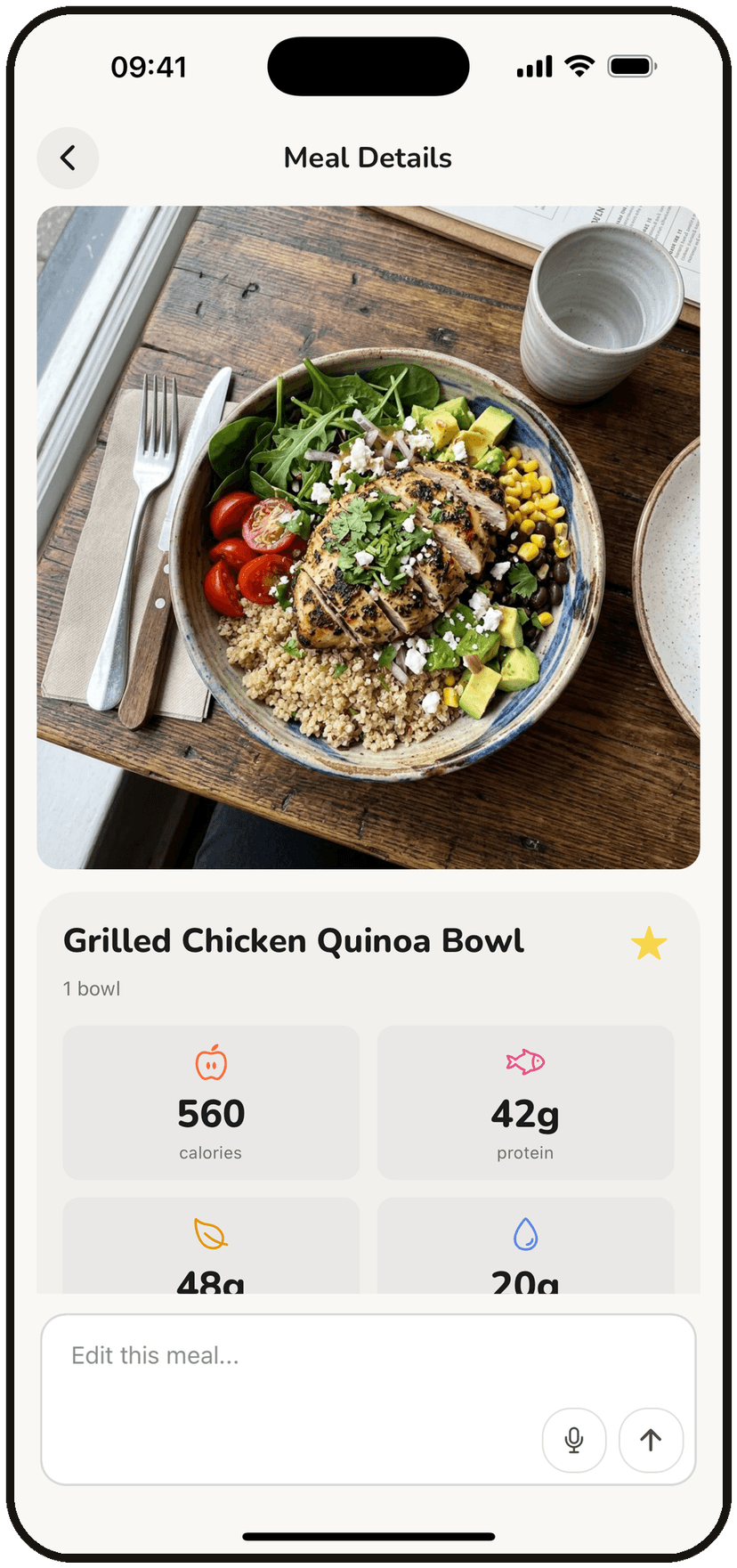
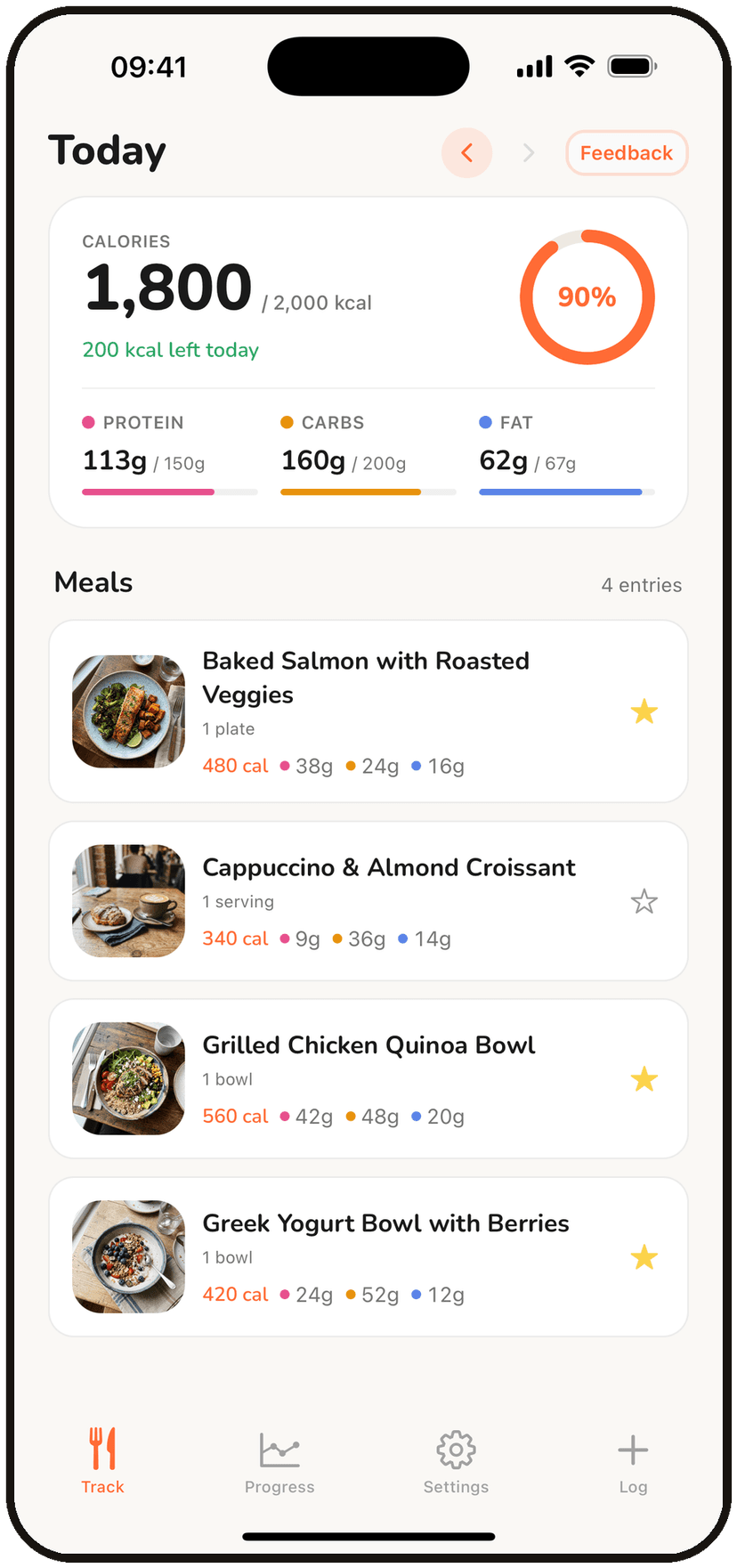
Portion guesses add up fast. BiteKit's AI estimates what's actually on your plate — oils, sides and all — so your log stays close to what you really ate.
- Log meals by photo, voice, or text
- Calories & macros estimated in seconds
- Syncs with Apple Health and Apple Watch
Free download · 3-day free trial, cancel anytime.
Scan with your iPhone camera