AI Ingredient Decoder
Paste any ingredient list and get every additive, preservative, and chemical explained in plain English. Understand what you're really eating with AI-powered safety ratings.
Paste the ingredient list from any food package - we'll explain every single one
Try an example:
What is an Ingredient Decoder?
An ingredient decoder translates the complex chemical names and industry jargon on food labels into plain language anyone can understand. Food manufacturers are required to list every ingredient, but names like "tertiary butylhydroquinone" or "sodium stearoyl lactylate" are meaningless to most consumers. Our AI-powered decoder bridges that gap, explaining what each ingredient is, what it does, and whether you should be concerned about it.
Understanding food labels is one of the most powerful steps you can take toward healthier eating. Ingredients are listed in order of quantity - the first ingredient makes up the largest proportion of the product. By decoding these lists, you can make informed decisions about what you put in your body.
Common Food Additives Explained
Here are some of the most frequently encountered additives in packaged foods and what they actually do:
Soy Lecithin
Generally Safe - Emulsifier
Derived from soybeans, lecithin keeps ingredients mixed together and prevents separation. Found in chocolate, baked goods, and margarine. Safe for most people unless you have a soy allergy.
TBHQ
Caution - Preservative
Tertiary butylhydroquinone is a synthetic antioxidant that prevents oils from going rancid. The FDA limits it to 0.02% of a food's oil content. Some studies raise concerns at higher doses, though amounts in food are typically small.
Citric Acid
Safe - Additive
A natural acid found in citrus fruits. Used to add tartness, preserve freshness, and balance pH levels. While naturally occurring, most commercial citric acid is produced through fermentation. Considered very safe.
Red 40 (Allura Red)
Caution - Colorant
A synthetic food dye that gives products a red color. While approved by the FDA, it requires warning labels in the EU. Some studies link artificial food dyes to hyperactivity in sensitive children.
Sodium Nitrite
Caution - Preservative
Used in cured meats to prevent botulism and maintain color. Essential for food safety in processed meats, but high consumption of processed meats is linked to increased health risks by organizations like WHO.
Natural Flavors
Generally Safe - Flavoring
A broad term for flavoring substances derived from natural sources like plants, animals, or fermentation. The term is regulated by the FDA but can encompass hundreds of different compounds. Generally safe but lacks transparency.
Understanding Safety Ratings
Our safety rating system is based on scientific consensus from regulatory agencies and peer-reviewed research. Here's what each rating means:
No Concerns
Whole foods, essential nutrients, and ingredients with extensive safety records. These are widely accepted as safe by all major food safety authorities. Examples: water, salt, sugar, whole wheat flour, vitamin C.
Minimal Concerns
Approved by regulatory agencies with a good safety record. Some people may choose to limit intake, but they pose minimal risk at normal consumption levels. Examples: soy lecithin, natural flavors, xanthan gum, stevia.
Some Concerns
Some scientific studies raise questions, or the ingredient is restricted or requires warnings in certain countries. May cause sensitivities in some individuals. Consider limiting intake. Examples: Red 40, sodium nitrite, BHA, carrageenan.
Significant Concerns
Significant scientific evidence of potential harm, banned in multiple countries, or linked to serious health risks. These ingredients are best avoided when possible. Examples: partially hydrogenated oils (trans fats), potassium bromate, certain banned dyes.
When to Check Ingredients
While you do not need to decode every food label, there are key moments when checking ingredients can make a real difference:
Trying a New Product
Before adding a new packaged food to your regular rotation, decode the ingredients to make sure it aligns with your health goals and dietary preferences.
Shopping for Kids
Children can be more sensitive to certain additives. Checking ingredient lists for kids' snacks and cereals helps you avoid artificial dyes and unnecessary additives.
Managing Allergies
Many additives are derived from common allergens like soy, wheat, or dairy. Decoding ingredients helps identify hidden allergens that might not be obvious from the name alone.
Comparing Brands
Two similar products can have vastly different ingredient lists. Decoding both helps you choose the cleaner option when the nutrition facts look similar.
Frequently Asked Questions
What is an ingredient decoder?
An ingredient decoder translates the complex chemical names and industry jargon on food labels into plain language. It identifies additives, preservatives, colorants, and other chemicals, telling you what they do, why they are used, and whether they are safe to consume based on scientific evidence.
How does the AI ingredient decoder work?
Our AI uses food science data, FDA regulations, and nutritional research to analyze ingredient lists. Paste any ingredient list and the AI instantly identifies each ingredient, categorizes it, explains its purpose in plain English, and provides a safety rating based on scientific consensus.
What do the safety ratings mean?
Our ratings are based on scientific consensus: "Safe" means widely accepted with no concerns; "Generally Safe" means approved with minimal concerns; "Caution" means some studies raise questions or it is restricted in some countries; "Avoid" means significant scientific concerns or bans in multiple countries.
Are food additives always bad?
No. Many additives serve important functions like preventing dangerous bacterial growth, maintaining texture, or extending shelf life to reduce food waste. The key is understanding which are well-studied and safe versus those with legitimate concerns. Our decoder helps you tell the difference.
What common food additives should I watch out for?
Commonly flagged additives include artificial colors (Red 40, Yellow 5, Yellow 6), BHA and BHT (synthetic preservatives), high-fructose corn syrup, partially hydrogenated oils (trans fats), and sodium nitrite in large amounts. Our decoder explains each one and its specific concerns.
How accurate are the ingredient safety ratings?
Our ratings reference scientific consensus from the FDA, EFSA (European Food Safety Authority), and WHO. We distinguish between well-established risks and preliminary findings. For specific health conditions or allergies, always consult a healthcare professional.
iPhone app · 3-day free trial
You're likely eating 500 calories more than you think
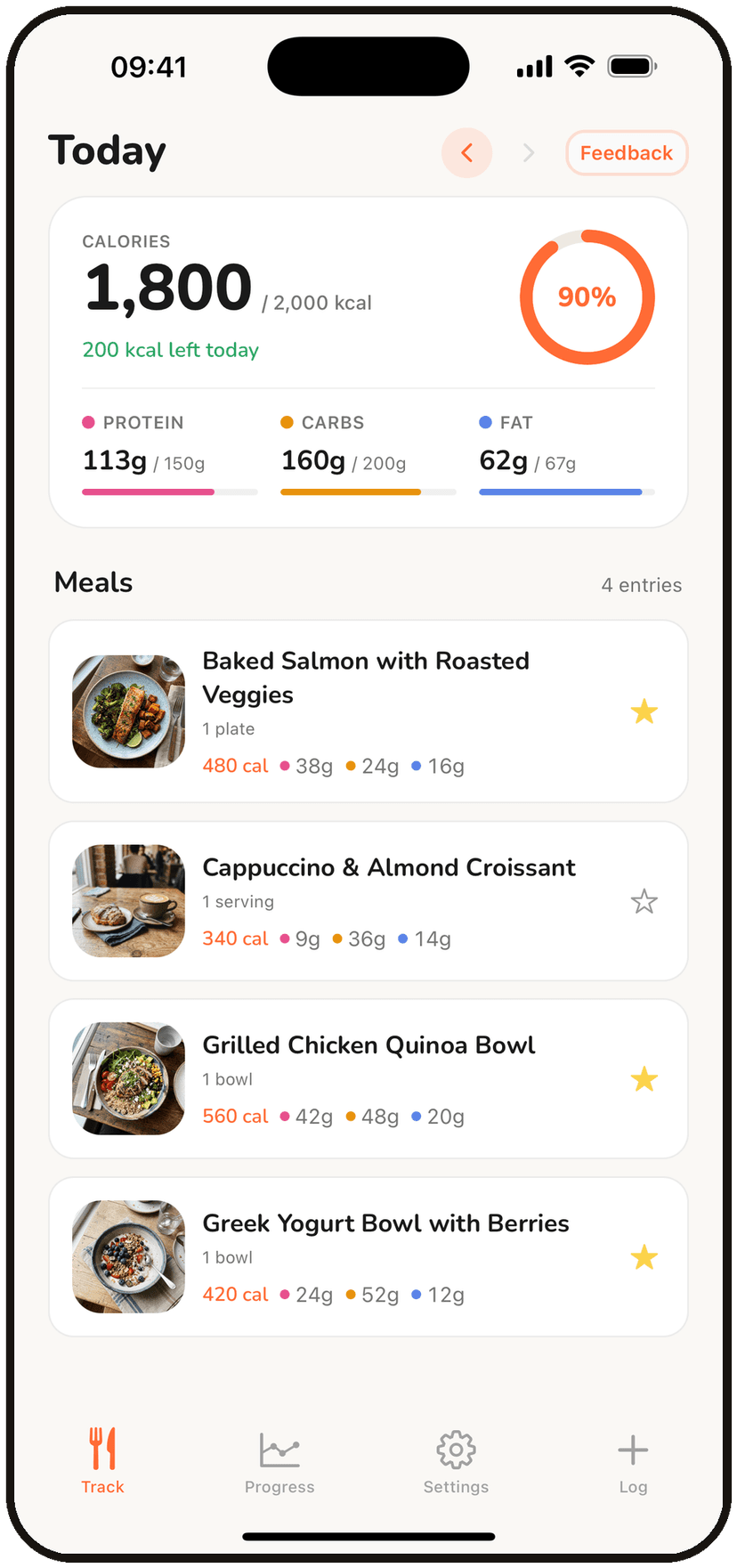
Portion guesses add up fast. BiteKit's AI estimates what's actually on your plate — oils, sides and all — so your log stays close to what you really ate.
- Log meals by photo, voice, or text
- Calories & macros estimated in seconds
- Syncs with Apple Health and Apple Watch
Free download · 3-day free trial, cancel anytime.
Scan with your iPhone camera