AI Kid-Friendly Nutrition Planner
Get balanced meal and snack ideas that kids will actually eat. Our AI creates nutritious, appealing meals with hidden veggie strategies and age-appropriate portions tailored to your child's preferences.
Quick starts:
Making Vegetables Fun for Kids
Getting children to eat their vegetables is one of the biggest challenges parents face. The key is making veggies invisible or irresistible. Research shows that children may need to be exposed to a new food 10-15 times before they accept it.
- Blend into sauces: Pureed spinach, carrots, or cauliflower can be mixed into pasta sauce, smoothies, or soup without changing the flavor significantly
- Bake into favorites: Grated zucchini in muffins, sweet potato in pancakes, or beet puree in chocolate brownies add nutrition without detection
- Make it dippable: Kids eat more vegetables when they can dip them. Offer hummus, ranch, or yogurt-based dips alongside veggie sticks
- Use fun shapes: Cookie cutters can turn cucumber, melon, and bell pepper slices into stars, hearts, and animals that kids love
Building a Balanced Plate for Children
Children need a balance of all food groups to support their growing bodies and developing brains. A well-balanced plate ensures they get the energy, vitamins, and minerals they need.
Protein (25%)
Essential for muscle growth and immune function. Include lean meats, eggs, beans, lentils, tofu, or dairy at every meal. School-age kids need about 19-34g daily.
Whole Grains (25%)
Provide sustained energy and fiber for digestion. Choose whole wheat bread, brown rice, oats, or whole grain pasta over refined options whenever possible.
Fruits & Vegetables (50%)
Half the plate should be fruits and vegetables. Aim for a variety of colors to ensure a range of vitamins and antioxidants. Fresh, frozen, or cooked all count.
Healthy Fats
Critical for brain development. Include avocado, olive oil, nut butters (if no allergy), seeds, and fatty fish. Children need more fat proportionally than adults.
Strategies for Picky Eaters
Picky eating is a normal developmental phase, especially between ages 2-6. Instead of forcing foods, use evidence-based strategies to gradually expand your child's palate.
The Division of Responsibility
Parents decide what, when, and where to eat. Children decide how much and whether to eat. This approach reduces mealtime battles and helps children develop a healthy relationship with food.
Food Bridges
Introduce new foods that are similar to foods your child already likes. If they like chicken nuggets, try homemade baked chicken strips. If they like fries, try sweet potato fries or roasted carrot sticks.
Involve Kids in Cooking
Children are more likely to eat foods they helped prepare. Let them wash vegetables, stir ingredients, or assemble their own plates. Even toddlers can tear lettuce or sprinkle cheese.
No Pressure, Always Offer
Always include at least one food you know your child will eat alongside new foods. Don't force or bribe them to eat the new item. Repeated, no-pressure exposure is the most effective strategy.
Age-Appropriate Portion Sizes
Children's portion sizes should be smaller than adult servings. A good rule of thumb is that a child's portion is roughly one tablespoon per year of age for each food group. Here are general guidelines:
Toddlers (1-3)
About 1,000-1,400 calories per day. Portions are roughly 1/4 of an adult serving. Offer 3 small meals and 2-3 snacks daily. Expect grazing behavior.
Preschool (4-5)
About 1,200-1,600 calories per day. Portions are roughly 1/3 of an adult serving. Appetites may vary day to day. Offer structured meals and snacks.
School-Age (6-12)
About 1,400-2,200 calories per day depending on activity. Portions approach 1/2 to 3/4 of adult size. Active kids may need larger servings.
Teens (13-17)
About 1,800-3,000 calories per day. Portions can be adult-sized or larger for very active teens. Ensure adequate protein, calcium, and iron.
Healthy Snack Ideas by Age
Snacks are an important part of a child's diet, providing energy and nutrients between meals. The best snacks combine protein or healthy fat with complex carbohydrates for sustained energy.
Toddler-Safe Snacks (1-3 years)
Soft fruit slices, cheese cubes, whole grain crackers with cream cheese, yogurt, steamed veggie sticks, banana slices with thin nut butter spread (if no allergy). Avoid choking hazards like whole grapes, popcorn, and hard raw vegetables.
Preschool Snacks (4-5 years)
Apple slices with nut or seed butter, trail mix (age-appropriate), veggie sticks with hummus, string cheese, homemade energy balls, frozen yogurt bark, mini muffins with hidden veggies.
School-Age Snacks (6-12 years)
Smoothies with hidden spinach, whole grain toast with avocado, edamame, fruit and yogurt parfaits, homemade granola bars, popcorn with nutritional yeast, ants on a log (celery with nut butter and raisins).
Teen Snacks (13-17 years)
Protein smoothies, Greek yogurt with granola, rice cakes with toppings, homemade protein bars, veggie and hummus wraps, overnight oats, hard-boiled eggs, mixed nuts and dried fruit.
Frequently Asked Questions
How does the AI Kid-Friendly Nutrition Planner work?
The planner uses advanced AI trained on pediatric nutrition guidelines to create meal and snack ideas tailored to your child's age, preferences, and dietary needs. Select an age range, meal type, and picky eating level, and the AI generates 3-5 meal ideas with nutrition data, hidden veggie strategies, and portion guidance.
What age groups does the planner support?
The planner supports four age groups: Toddler (1-3 years), Preschool (4-5 years), School-age (6-12 years), and Teen (13-17 years). Each group receives age-appropriate calorie targets, portion sizes, and food recommendations.
Can this tool help with picky eaters?
Yes! The planner has a picky eating level setting. For very picky eaters, the AI focuses on familiar, kid-approved foods with subtle nutritional boosts. Each meal includes a hidden veggie strategy to help sneak in extra nutrition without battles.
What are hidden veggie strategies?
Hidden veggie strategies are techniques for incorporating vegetables into meals without children noticing. Examples include blending spinach into pasta sauce, grating zucchini into muffins, pureeing cauliflower into mac and cheese, and adding finely diced veggies to meatballs or burger patties.
Does the planner account for food allergies?
Yes, the planner supports dairy-free, gluten-free, nut-free, and vegetarian restrictions. When selected, the AI strictly avoids those allergens. You can also list specific food dislikes to further customize the results.
How accurate are the nutrition values?
The AI calculates nutrition using comprehensive food databases including USDA data, with portions scaled to age-appropriate serving sizes. While exact values may vary based on brands and preparation methods, the estimates are reliable for understanding the nutritional balance of your child's meals.
iPhone app · 3-day free trial
You're likely eating 500 calories more than you think
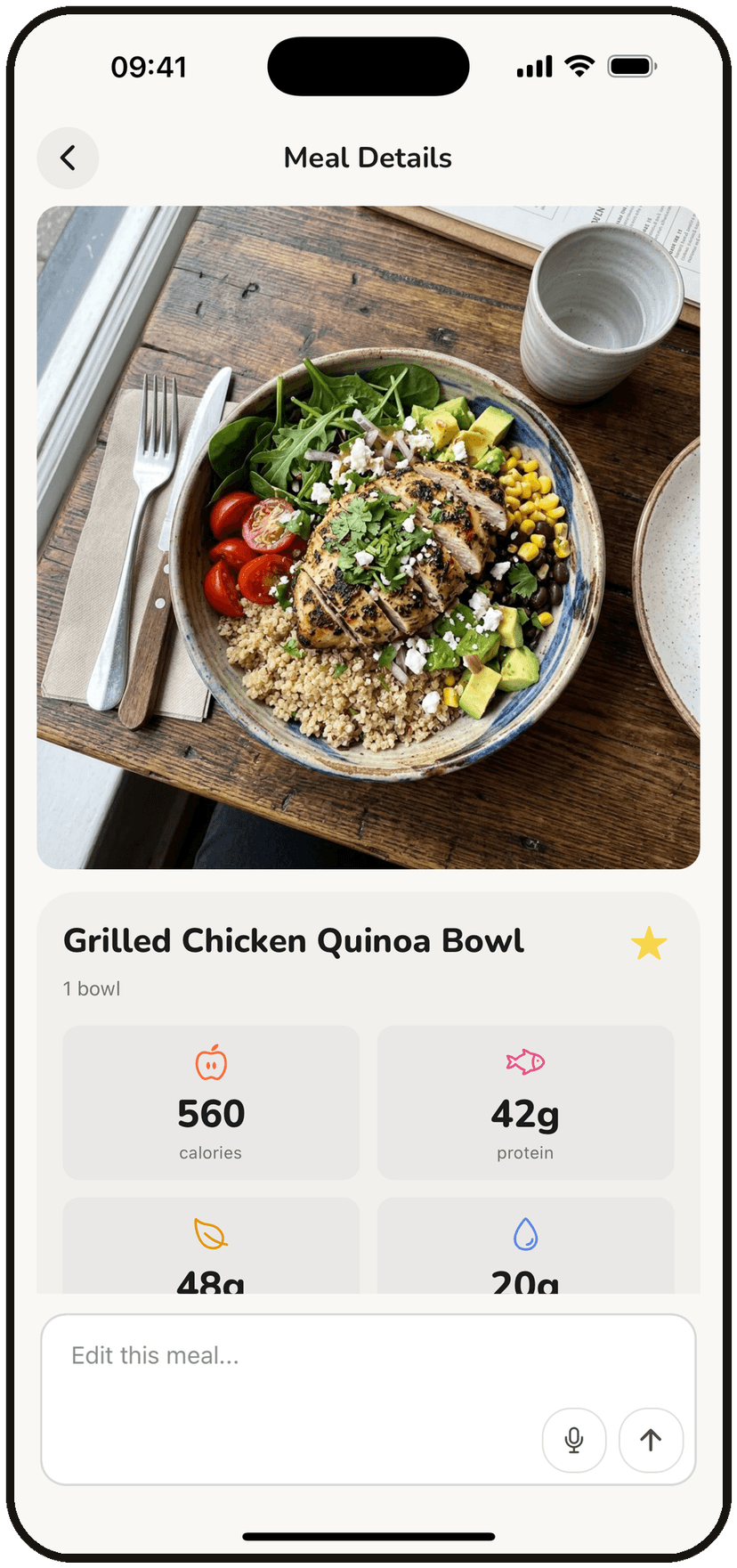
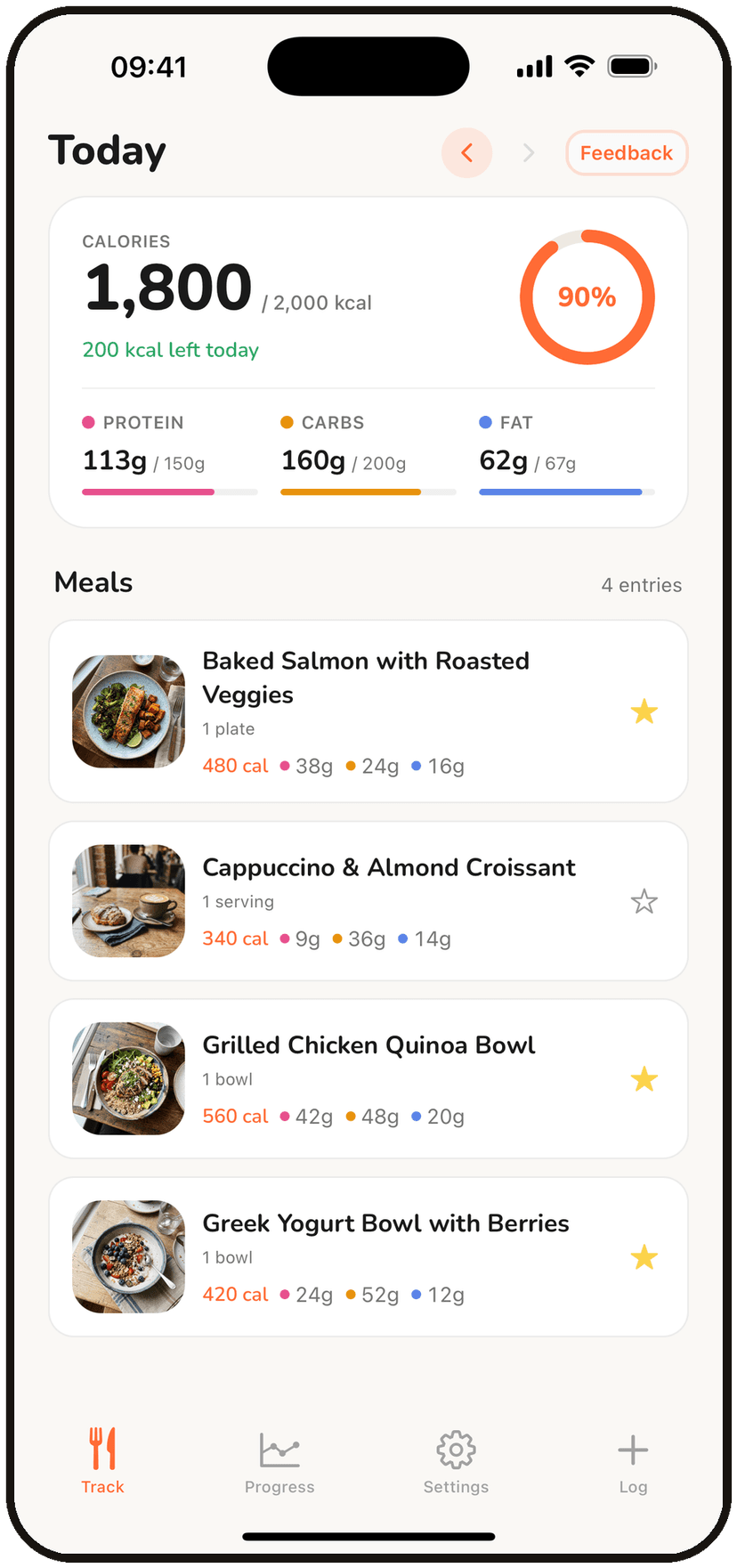
Portion guesses add up fast. BiteKit's AI estimates what's actually on your plate — oils, sides and all — so your log stays close to what you really ate.
- Log meals by photo, voice, or text
- Calories & macros estimated in seconds
- Syncs with Apple Health and Apple Watch
Free download · 3-day free trial, cancel anytime.
Scan with your iPhone camera