AI Restaurant Menu Analyzer
Paste any restaurant menu and instantly find the healthiest options for your goals. AI ranks every dish, estimates nutrition, and gives you tips to eat smarter when dining out.
Include dish names and descriptions for more accurate analysis
Max calories per meal you want to stay under
Try an example menu:
Why Analyze Restaurant Menus?
Restaurant meals are notoriously difficult to track. Portions are larger, ingredients are hidden, and menus are designed to entice rather than inform. Studies show that restaurant meals contain significantly more calories than people estimate - often 200-500 calories more per meal.
Our AI menu analyzer helps you:
- Make informed choices: See estimated nutrition before you order, not after
- Stay on track with goals: Quickly identify dishes that fit your diet plan
- Discover hidden gems: Find nutritious options you might have overlooked
- Avoid diet disasters: Know which dishes to skip that seem healthy but aren't
- Customize smartly: Get tips to modify dishes for better nutrition
How to Eat Healthy at Restaurants
Eating out doesn't have to mean abandoning your health goals. Here are proven strategies:
Before You Go
- Look up the menu online and analyze it first
- Decide what you'll order before arriving
- Have a small healthy snack so you're not starving
- Plan which meal this will be in your daily budget
When Ordering
- Ask for dressings and sauces on the side
- Request grilled instead of fried preparations
- Substitute fries for vegetables or salad
- Ask for half portions or take half home
Smart Menu Keywords
- Good: Grilled, steamed, roasted, baked, fresh
- Caution: Crispy, breaded, creamy, loaded, smothered
- Ask about: House-made, chef's special, signature
Portion Strategies
- Share an entree with your dining companion
- Order two appetizers instead of an entree
- Ask for a to-go box with your meal
- Skip the bread basket or chips
Understanding Restaurant Nutrition
Restaurant dishes often contain more calories than similar homemade versions. Here's why:
Larger Portions
Restaurant portions have grown 2-3x over the past decades. A single restaurant meal often contains 1,000-2,000+ calories - half or more of a day's needs.
Added Fats
Restaurants use generous amounts of butter, oil, and cream to make food taste better. These hidden fats can add hundreds of calories to otherwise healthy dishes.
High Sodium
Restaurant food is heavily salted for flavor. A single meal can exceed the recommended daily limit of 2,300mg of sodium, which is linked to high blood pressure.
Refined Carbs
White bread, white rice, and refined pasta are common in restaurants because they're cheaper. These spike blood sugar more than whole grain alternatives.
Healthy Eating Tips by Cuisine
American/Casual Dining
Choose grilled proteins over fried. Swap fries for side salad or steamed veggies. Ask for burgers without buns (lettuce wrap) for low-carb. Avoid anything "loaded" or "smothered."
Italian
Choose marinara over cream sauces. Ask for whole wheat pasta or extra vegetables instead of pasta. Grilled fish and chicken are usually good choices. Limit bread and skip the garlic bread.
Mexican
Choose fajitas (skip the tortillas for low-carb). Opt for black beans over refried. Ask for sour cream and cheese on the side. Skip the chips or limit to a small handful.
Asian
Choose steamed over fried dishes. Ask for brown rice. Be cautious with sweet sauces (orange, General Tso's). Sashimi and edamame are great low-calorie options.
Restaurant Strategies by Goal
For Weight Loss
Focus on protein and vegetables. Start with a broth-based soup or side salad to fill up. Request steamed vegetables as your side. Ask for a to-go box immediately and pack half away. Skip liquid calories (alcohol, sugary drinks, sweetened tea).
For High Protein
Order double protein portions. Choose lean meats: chicken breast, fish, sirloin. Add eggs to salads or dishes. Ask if they can add extra grilled chicken. Greek yogurt parfaits make protein-rich desserts.
For Low Carb/Keto
Replace starches with extra vegetables. Ask for lettuce wraps instead of buns. Order bunless burgers. Choose cheese and veggie omelets. Watch for hidden sugars in sauces - ask for plain preparations.
For Low Sodium
Ask for no added salt. Avoid processed meats (bacon, sausage, deli meat). Choose fresh preparations over cured or smoked. Sauces are sodium bombs - request them on the side or skip entirely. Fresh lemon and herbs add flavor without sodium.
Frequently Asked Questions
How does the AI restaurant menu analyzer work?
Our AI analyzes menu items by estimating their nutritional content based on typical ingredients and preparation methods. It ranks each item 1-5 stars based on your selected health goal and provides personalized tips to make healthier choices.
How accurate are the calorie estimates?
Our estimates are based on typical restaurant portions and standard preparation methods. While exact values vary by restaurant, the estimates are useful for comparing options and making informed choices. For precise nutrition, check if the restaurant provides their own data.
Can I use this for any type of restaurant?
Yes! The analyzer works with any cuisine - American, Italian, Asian, Mexican, Mediterranean, fast food, fine dining, and more. Just paste the menu items with descriptions and the AI will analyze them for your goals.
What do the star ratings mean?
Stars indicate how well a dish fits your selected goal. 5 stars means excellent choice, 4 stars is good, 3 stars is acceptable, 2 stars should be limited, and 1 star should typically be avoided for your specific goal.
Does it handle dietary restrictions?
Yes! Select Vegetarian, Vegan, or Gluten-Free and the analyzer will filter results appropriately. It will also warn you about dishes that may contain restricted ingredients.
Why do I need to set a calorie limit?
The calorie limit is optional but helpful for weight management. If set, the analyzer will highlight dishes that exceed your per-meal limit and prioritize options that fit within your budget.
Free app
You're likely eating 500 calories more than you think
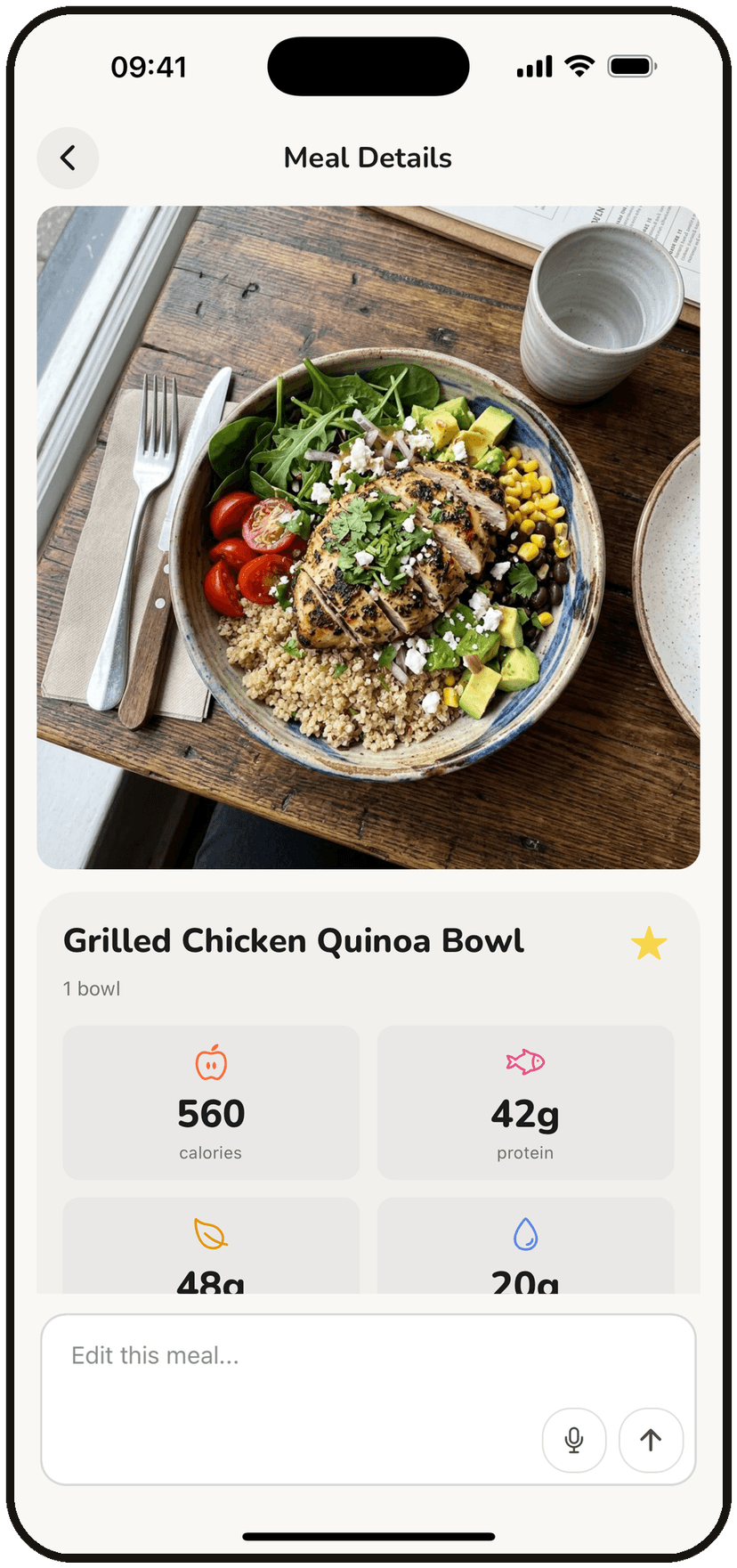
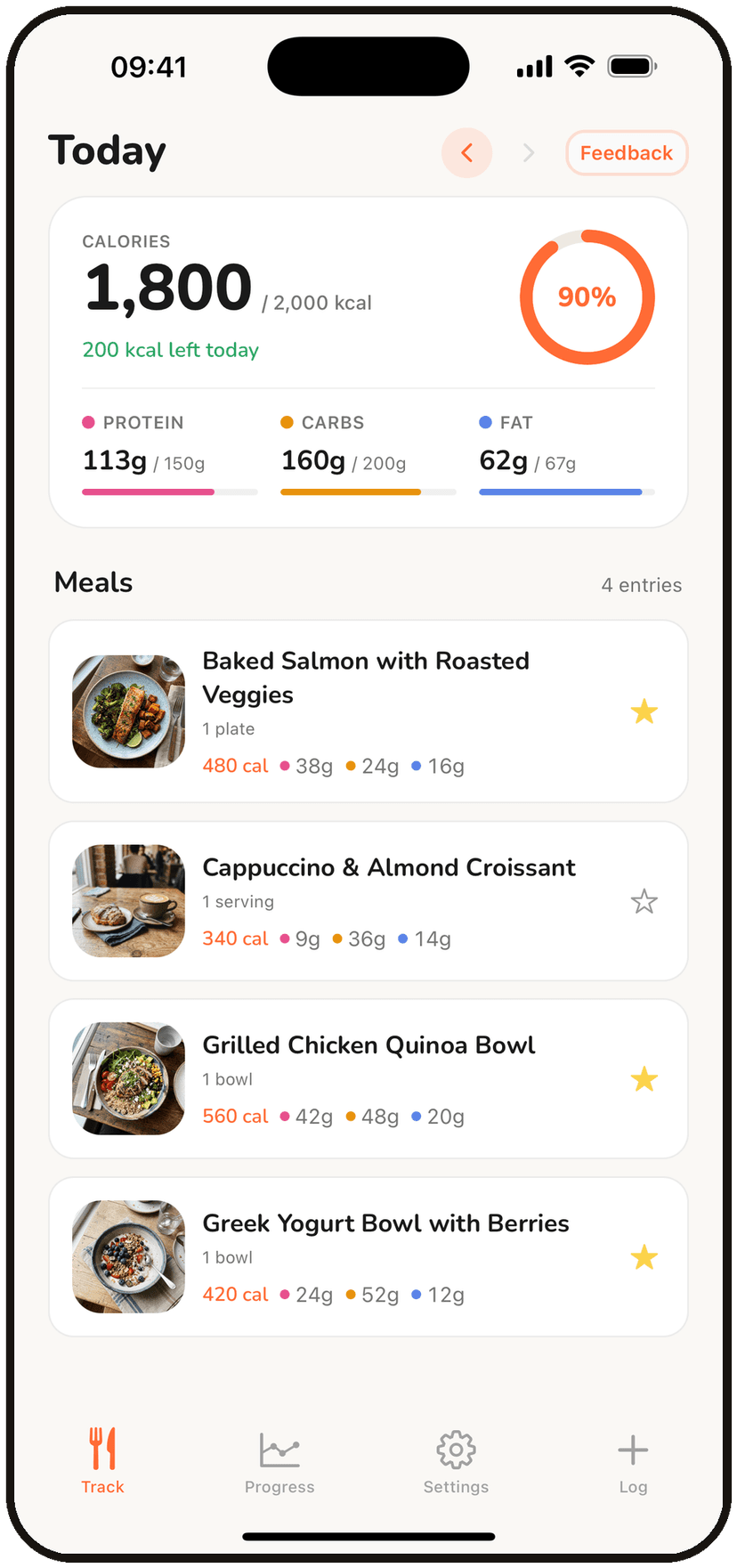
Portion guesses add up fast. BiteKit's AI reads your actual plate, so the number you track is the number you ate.
- Photo, voice, or text input
- Instant calorie & macro tracking
- Private by design — no password required
Free to download. No credit card required.
Scan to get the app