AI Metabolic Health Advisor
Enter your basic health markers and get personalized, evidence-based nutrition strategies to improve your metabolic health. No blood work required — just your weight, height, and waist circumference.
Measure at the narrowest point of your torso, typically around your navel
Quick starts:
What Is Metabolic Health?
Metabolic health describes how well your body processes energy from food. It encompasses how effectively you regulate blood sugar, manage insulin, maintain healthy blood pressure, and process fats. Research published in the journal Metabolic Syndrome and Related Disorders found that only about 12% of American adults meet all criteria for optimal metabolic health, making this a widespread concern that affects the majority of the population.
- Blood sugar regulation: How efficiently your body clears glucose after meals. Chronically elevated blood sugar damages blood vessels, nerves, and organs over time.
- Insulin sensitivity: How responsive your cells are to insulin. When cells become resistant to insulin, your pancreas must produce more, leading to a cascade of metabolic problems.
- Visceral fat: Fat stored around internal organs (measured by waist circumference) is metabolically active and releases inflammatory compounds that disrupt normal metabolic function.
- Lipid balance: The ratio of triglycerides to HDL cholesterol is a key indicator of metabolic health, often reflecting insulin sensitivity and overall cardiometabolic risk.
Why Waist Circumference Matters More Than Weight
The AI Metabolic Health Advisor places special emphasis on waist circumference because research consistently shows it is a stronger predictor of metabolic disease risk than body weight or BMI alone. Two people can weigh the same but have vastly different metabolic health profiles based on where they store fat.
Waist-to-Height Ratio
The waist-to-height ratio (WHtR) is one of the simplest and most effective metabolic risk screening tools. A systematic review of over 300,000 adults found that a WHtR above 0.5 is associated with significantly increased cardiometabolic risk, regardless of BMI. Keeping your waist circumference below half your height is a practical health target.
Visceral vs. Subcutaneous Fat
Not all body fat is equal. Visceral fat (deep belly fat around organs) is metabolically active and releases pro-inflammatory cytokines and hormones that promote insulin resistance. Subcutaneous fat (beneath the skin) is generally less harmful. Waist circumference is the best non-imaging measure of visceral fat.
Evidence-Based Nutrition for Metabolic Health
Decades of research have identified specific nutritional strategies that can meaningfully improve metabolic health markers. The AI Metabolic Health Advisor draws on these strategies and personalizes them to your specific profile:
Prioritize Fiber-Rich Whole Foods
High fiber intake (25-35g per day) improves insulin sensitivity, feeds beneficial gut bacteria, slows glucose absorption, and promotes satiety. Excellent sources include vegetables, legumes, whole grains, nuts, seeds, and berries. Research in The Lancet found that each 8g increase in daily fiber reduced the risk of heart disease, type 2 diabetes, and colorectal cancer by 5-27%.
Manage Carbohydrate Quality
The quality of carbohydrates matters more than the total amount for metabolic health. Low glycemic index foods cause a slower, steadier rise in blood sugar. Replacing refined grains with whole grains, choosing intact fruits over juices, and pairing carbohydrates with protein or healthy fats can significantly improve postprandial glucose response.
Include Anti-Inflammatory Foods
Chronic low-grade inflammation is a hallmark of metabolic dysfunction. Foods rich in omega-3 fatty acids (fatty fish, walnuts, flaxseeds), polyphenols (berries, dark chocolate, green tea), and carotenoids (leafy greens, tomatoes, sweet potatoes) can reduce inflammatory markers and improve metabolic function.
Reduce Ultra-Processed Foods
Ultra-processed foods (packaged snacks, fast food, sugary drinks, processed meats) are associated with increased metabolic syndrome risk independent of their calorie content. A landmark NIH study showed that people eating ultra-processed diets consumed 500 more calories per day and gained weight compared to those eating unprocessed meals, even when both diets were matched for macronutrients.
Beyond Diet: Lifestyle and Metabolic Health
While nutrition is foundational, other lifestyle factors have a profound impact on metabolic health and work synergistically with dietary changes:
Regular Physical Activity
Both aerobic exercise and resistance training improve insulin sensitivity independently of weight loss. Even a 10-minute walk after meals can reduce postprandial blood sugar spikes by 20-30%. Aim for 150 minutes of moderate activity per week.
Quality Sleep
Just one night of poor sleep can reduce insulin sensitivity by up to 25%. Chronic sleep deprivation (under 7 hours) increases hunger hormones, raises cortisol, and promotes visceral fat storage. Prioritize 7-9 hours of quality sleep per night.
Stress Management
Chronic stress elevates cortisol, which promotes insulin resistance, visceral fat accumulation, and cravings for high-calorie comfort foods. Regular stress-reducing practices like meditation, deep breathing, or nature walks can measurably improve metabolic markers.
Consistent Meal Timing
Irregular meal timing disrupts circadian rhythms and metabolic processes. Eating most of your calories earlier in the day and maintaining consistent meal times can improve glucose tolerance and support metabolic health.
Frequently Asked Questions
How does the AI Metabolic Health Advisor work?
The AI Metabolic Health Advisor analyzes your basic health markers including weight, height, waist circumference, and activity level. It uses AI trained on nutrition science and metabolic health research to calculate risk indicators like waist-to-height ratio, then provides personalized nutrition strategies, lifestyle recommendations, and actionable weekly goals.
What is metabolic health and why does it matter?
Metabolic health refers to how efficiently your body processes and uses energy from food. Only about 12% of Americans are considered metabolically healthy. Poor metabolic health increases risk for type 2 diabetes, heart disease, and other chronic conditions, but it can often be improved through nutrition and lifestyle changes.
Why is waist circumference important for metabolic health?
Waist circumference reflects visceral fat, the fat stored around internal organs that is most strongly linked to metabolic disease. Research shows that the waist-to-height ratio is a better predictor of cardiometabolic risk than BMI alone. A ratio above 0.5 is associated with increased risk regardless of overall body weight.
Can nutrition really improve metabolic health?
Yes. Evidence-based strategies include increasing fiber intake (25-35g per day), eating more whole foods, reducing ultra-processed foods, choosing low glycemic carbohydrates, increasing omega-3 fatty acids, and maintaining adequate protein. These changes can improve insulin sensitivity and lower metabolic risk markers within weeks.
Is this tool a replacement for medical advice?
No. The AI Metabolic Health Advisor provides general nutrition and lifestyle guidance based on your self-reported health markers. It does not diagnose medical conditions or replace professional medical advice. Always consult a qualified healthcare provider for clinical assessments, blood work, or specific health concerns.
What health markers do I need to use this tool?
You need five basic measurements: gender, age, weight, height, and waist circumference. You can optionally add your activity level, current diet type, and specific health goals for more personalized recommendations. No blood work or lab results are required.
iPhone app · 3-day free trial
You're likely eating 500 calories more than you think
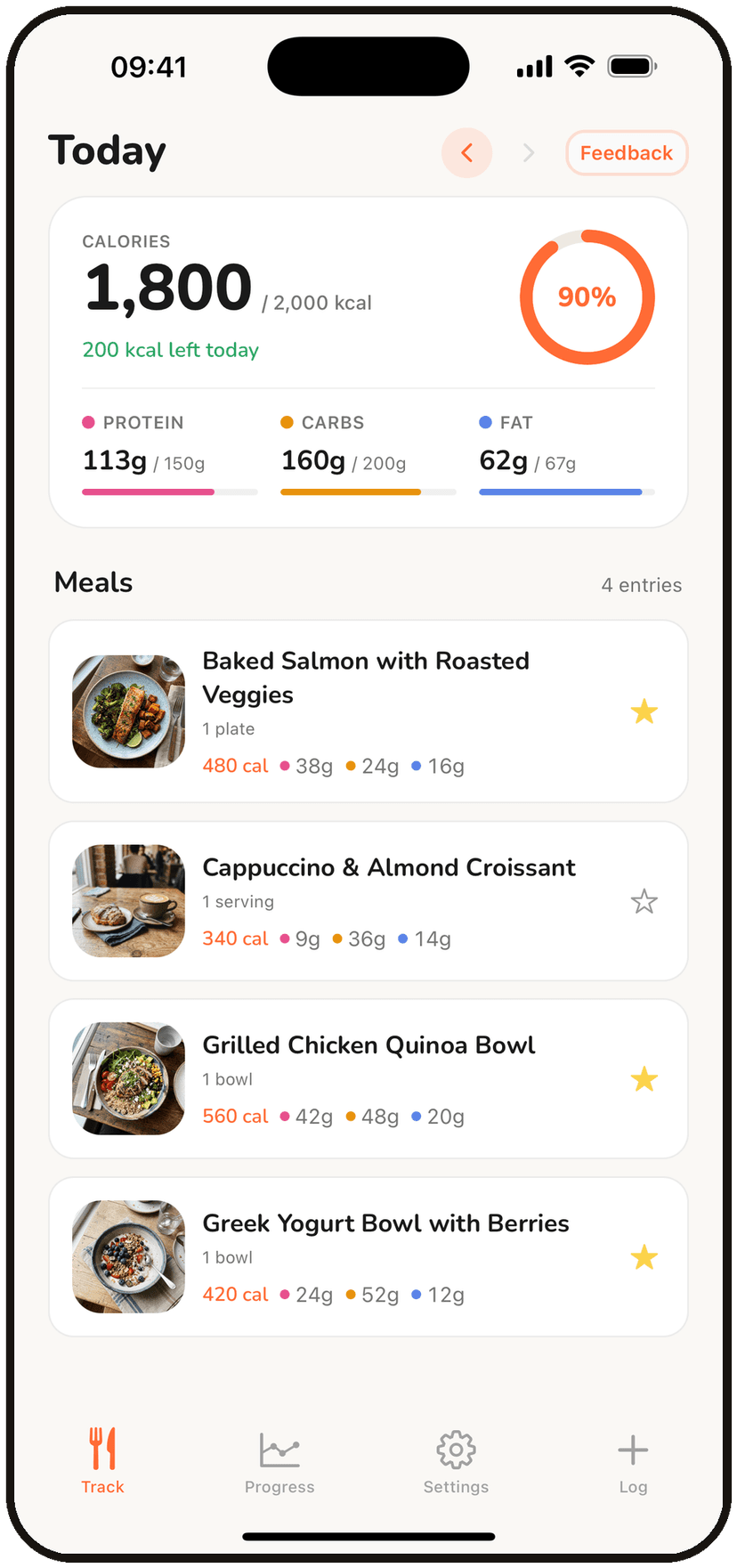
Portion guesses add up fast. BiteKit's AI estimates what's actually on your plate — oils, sides and all — so your log stays close to what you really ate.
- Log meals by photo, voice, or text
- Calories & macros estimated in seconds
- Syncs with Apple Health and Apple Watch
Free download · 3-day free trial, cancel anytime.
Scan with your iPhone camera