AI Micronutrient Gap Analyzer
Describe your typical daily diet and discover which vitamins and minerals you may be missing. Get a personalized micronutrient coverage score, severity-rated gaps, and practical food-first solutions backed by NIH recommended intakes.
Include all meals, snacks, and beverages you typically consume in a day for the most accurate analysis
Try an example:
Why Micronutrients Matter More Than You Think
While most nutrition conversations focus on macronutrients (protein, carbs, and fat), micronutrients — the vitamins and minerals your body needs in smaller amounts — are equally critical for health, energy, and long-term disease prevention. The World Health Organization calls micronutrient deficiencies "hidden hunger" because they can exist even when calorie intake is adequate.
An estimated 2 billion people worldwide suffer from at least one micronutrient deficiency. In developed countries, the most common gaps include vitamin D, magnesium, iron, potassium, and calcium. These deficiencies often manifest as chronic fatigue, weakened immunity, poor concentration, muscle cramps, brittle bones, and slow recovery from exercise — symptoms that are frequently attributed to other causes.
The good news is that most micronutrient gaps can be addressed through thoughtful dietary changes. A food-first approach is recommended by registered dietitians because whole foods deliver micronutrients in bioavailable forms alongside fiber, phytochemicals, and other synergistic compounds that supplements cannot replicate.
The Most Common Micronutrient Deficiencies
Understanding which nutrients are most frequently lacking helps you prioritize dietary improvements. Here are the micronutrients that adults are most commonly deficient in:
Vitamin D
~40% of adults deficient
Critical for bone health, immune function, and mood regulation. Very few foods naturally contain vitamin D — fatty fish, egg yolks, and fortified dairy are the primary dietary sources. Sun exposure is the main natural source.
Magnesium
~50% of Americans fall short
Involved in over 300 enzymatic reactions including energy production, muscle function, and sleep regulation. Found in dark leafy greens, nuts, seeds, whole grains, and dark chocolate. Modern soil depletion has reduced magnesium content in foods.
Iron
~1.6 billion affected globally
Essential for oxygen transport via hemoglobin. Heme iron from animal sources (red meat, poultry) is absorbed 2-3x better than non-heme iron from plants (spinach, lentils). Vitamin C significantly enhances non-heme iron absorption.
Vitamin B12
Critical for vegans & elderly
Required for nerve function, DNA synthesis, and red blood cell formation. Found almost exclusively in animal products. Vegans must supplement or eat fortified foods. Absorption decreases with age due to reduced stomach acid production.
Potassium
~98% of Americans fall short
Vital for blood pressure regulation, fluid balance, and muscle contractions. The adequate intake is 2,600-3,400mg/day, but most adults consume far less. Found in bananas, potatoes, beans, avocados, and leafy greens.
Calcium
Common in dairy-free diets
The most abundant mineral in the body, essential for bone density, muscle contraction, and nerve signaling. The RDA is 1,000-1,200mg/day. Dairy products are the richest source, but fortified plant milks, tofu, and leafy greens also contribute.
Micronutrient Risks by Diet Type
Every dietary pattern has potential micronutrient blind spots. Knowing your diet's vulnerabilities helps you proactively fill gaps before deficiency symptoms appear.
Vegan & Vegetarian Diets
Higher risk for vitamin B12 (no plant sources), iron (lower bioavailability from plant foods), zinc (phytates in grains and legumes inhibit absorption), calcium (if dairy-free), omega-3 EPA/DHA (only ALA available from plants with poor conversion), and iodine (if not using iodized salt). B12 supplementation is essential for vegans. Pairing iron-rich foods with vitamin C and soaking grains to reduce phytates can significantly improve mineral absorption.
Keto & Low-Carb Diets
Higher risk for potassium, magnesium, folate, vitamin C, and fiber-associated micronutrients due to restricted fruit, grain, and legume intake. The initial "keto flu" is often caused by electrolyte depletion as the body excretes more sodium, potassium, and magnesium during carb restriction. Emphasizing low-carb vegetables (spinach, avocado, broccoli), nuts, and seeds can help mitigate these gaps.
Standard Western Diet
Even omnivore diets heavy in processed foods commonly lack magnesium (refined grains lose up to 80% during processing), potassium, vitamin D, vitamin K, and omega-3 fatty acids. Ultra-processed foods provide calories but are micronutrient-poor compared to whole foods. Increasing fruit, vegetable, and whole grain intake while reducing processed food consumption addresses most gaps in a standard diet.
Calorie-Restricted Diets
Any diet that significantly reduces total food volume increases the risk of broad micronutrient deficiencies. Eating under 1,500 calories per day makes it mathematically difficult to meet all RDAs through food alone. Prioritizing nutrient-dense foods (dark leafy greens, organ meats, shellfish, eggs, berries) becomes especially important during calorie restriction. A daily multivitamin may be warranted as insurance.
The Food-First Approach to Closing Nutrient Gaps
Registered dietitians consistently recommend a food-first approach to filling micronutrient gaps. Here is why whole foods are superior to supplements for most people, and how to maximize the micronutrients you get from your diet:
Better Bioavailability
Micronutrients in whole foods are often in forms your body absorbs more efficiently. For example, heme iron from meat is absorbed at 15-35% compared to 2-20% for non-heme iron from supplements. Food also provides cofactors that enhance absorption — the fat in salmon helps you absorb its vitamin D, and the vitamin C in bell peppers boosts iron absorption from beans eaten in the same meal.
Synergistic Compounds
Whole foods contain thousands of bioactive compounds — polyphenols, fiber, carotenoids, flavonoids — that work together in ways supplements cannot replicate. An orange provides not just vitamin C but also hesperidin, naringenin, and fiber that collectively benefit health in ways a vitamin C tablet does not.
Lower Toxicity Risk
It is nearly impossible to overdose on micronutrients through food alone, but supplement megadoses can cause toxicity. Excess vitamin A from supplements can cause liver damage, too much iron can cause GI distress and organ damage, and excessive calcium supplementation has been linked to cardiovascular risk. Food provides a natural safety buffer.
Practical Tips for Maximizing Micronutrients
Eat a rainbow of colorful fruits and vegetables to cover different vitamin families. Include at least one dark leafy green daily (spinach, kale, Swiss chard) for magnesium, folate, and vitamin K. Eat fatty fish 2-3 times per week for vitamin D and omega-3s. Choose whole grains over refined grains to retain B vitamins and minerals. Include nuts and seeds as daily snacks for zinc, selenium, and magnesium. Cook with herbs and spices that are micronutrient-dense (parsley, thyme, turmeric).
Frequently Asked Questions
What are micronutrients and why do they matter?
Micronutrients are vitamins and minerals your body needs in small amounts but cannot produce on its own. They include iron, calcium, vitamin D, B12, magnesium, zinc, potassium, folate, and many others. Despite being needed in small quantities, micronutrient deficiencies can lead to fatigue, weakened immunity, poor bone health, cognitive decline, and increased risk of chronic diseases. Over 2 billion people worldwide have at least one micronutrient deficiency.
What are the most common micronutrient deficiencies?
The most common deficiencies include iron (affecting approximately 1.6 billion people, causing anemia and fatigue), vitamin D (an estimated 40% of adults are deficient), magnesium (roughly 50% of Americans fall short of the RDA), calcium (especially in those who avoid dairy), vitamin B12 (common in vegans, vegetarians, and older adults), and zinc (particularly in plant-based diets due to phytate interference with absorption).
How does the AI Micronutrient Gap Analyzer work?
The analyzer uses AI trained on nutrition science and USDA food composition data to evaluate your described daily diet against Recommended Dietary Allowances (RDAs) from the National Institutes of Health. It checks 14 key micronutrients and provides a 0-100 coverage score, gap severity ratings, specific food sources to fill each gap, and practical meal suggestions.
Should I take supplements to fill micronutrient gaps?
A food-first approach is generally recommended because whole foods provide micronutrients in highly bioavailable forms along with beneficial cofactors. However, some gaps are difficult to fill through food alone — vitamin D for those with limited sun exposure, B12 for vegans, and iron for women with heavy menstrual periods are common examples where targeted supplementation may be appropriate. Always consult a healthcare provider before starting supplements.
Do certain diets have higher risk of micronutrient deficiencies?
Yes. Vegan diets may lack B12, iron, zinc, calcium, and omega-3s. Keto diets can be low in potassium, magnesium, folate, and vitamin C. Calorie-restricted diets risk broad deficiencies from insufficient food volume. Even standard omnivore diets heavy in processed foods commonly lack magnesium, potassium, and vitamin D. The key to minimizing risk across any diet is maximizing dietary diversity and prioritizing whole, nutrient-dense foods.
What is the RDA and how is it different from the AI for nutrients?
The Recommended Dietary Allowance (RDA) is the average daily intake level sufficient to meet the nutrient requirements of 97-98% of healthy individuals in a particular age and gender group. When there is insufficient evidence to establish an RDA, an Adequate Intake (AI) level is used instead, based on observed nutrient intake by healthy populations. Both serve as daily intake targets to prevent deficiency and support optimal health.
iPhone app · 3-day free trial
You're likely eating 500 calories more than you think
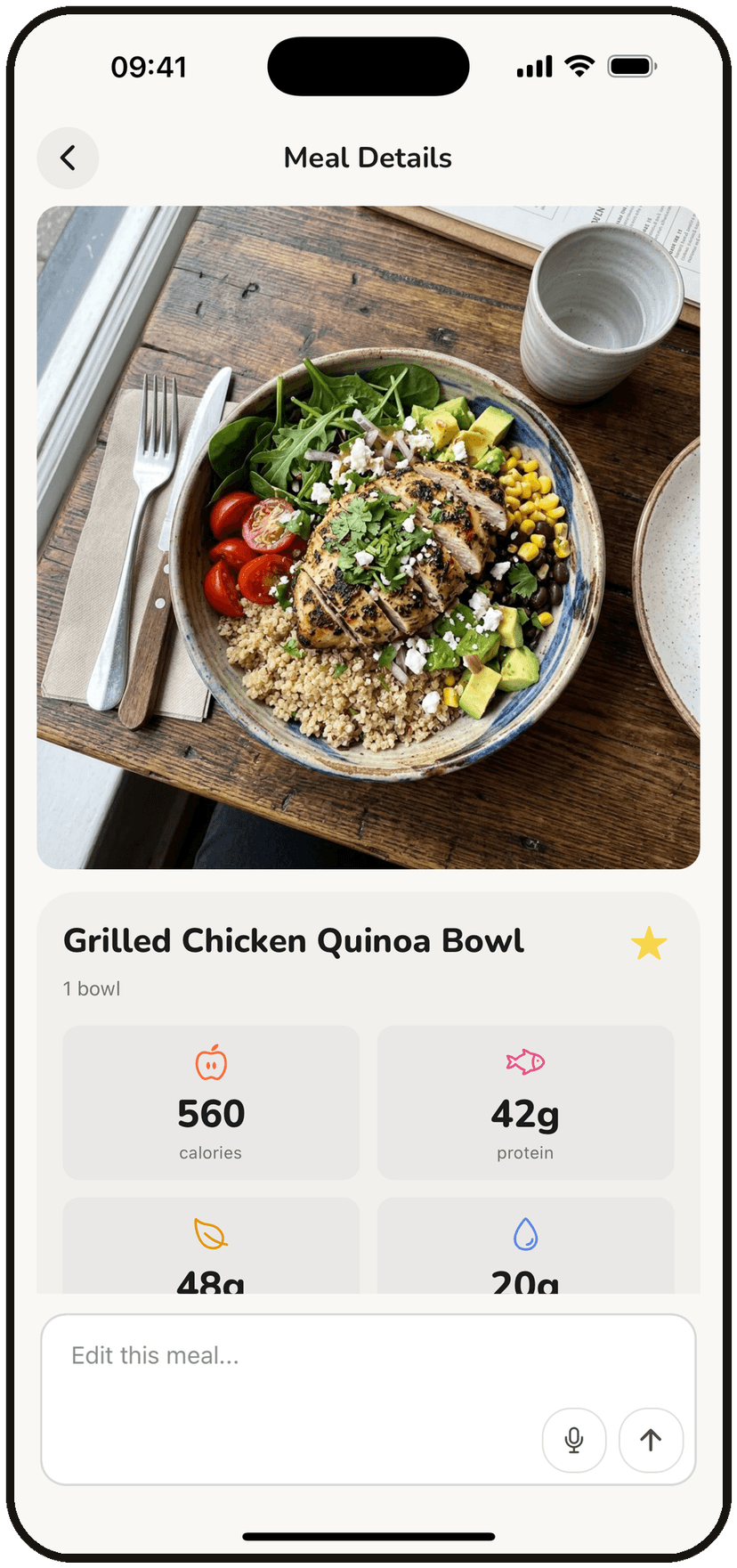
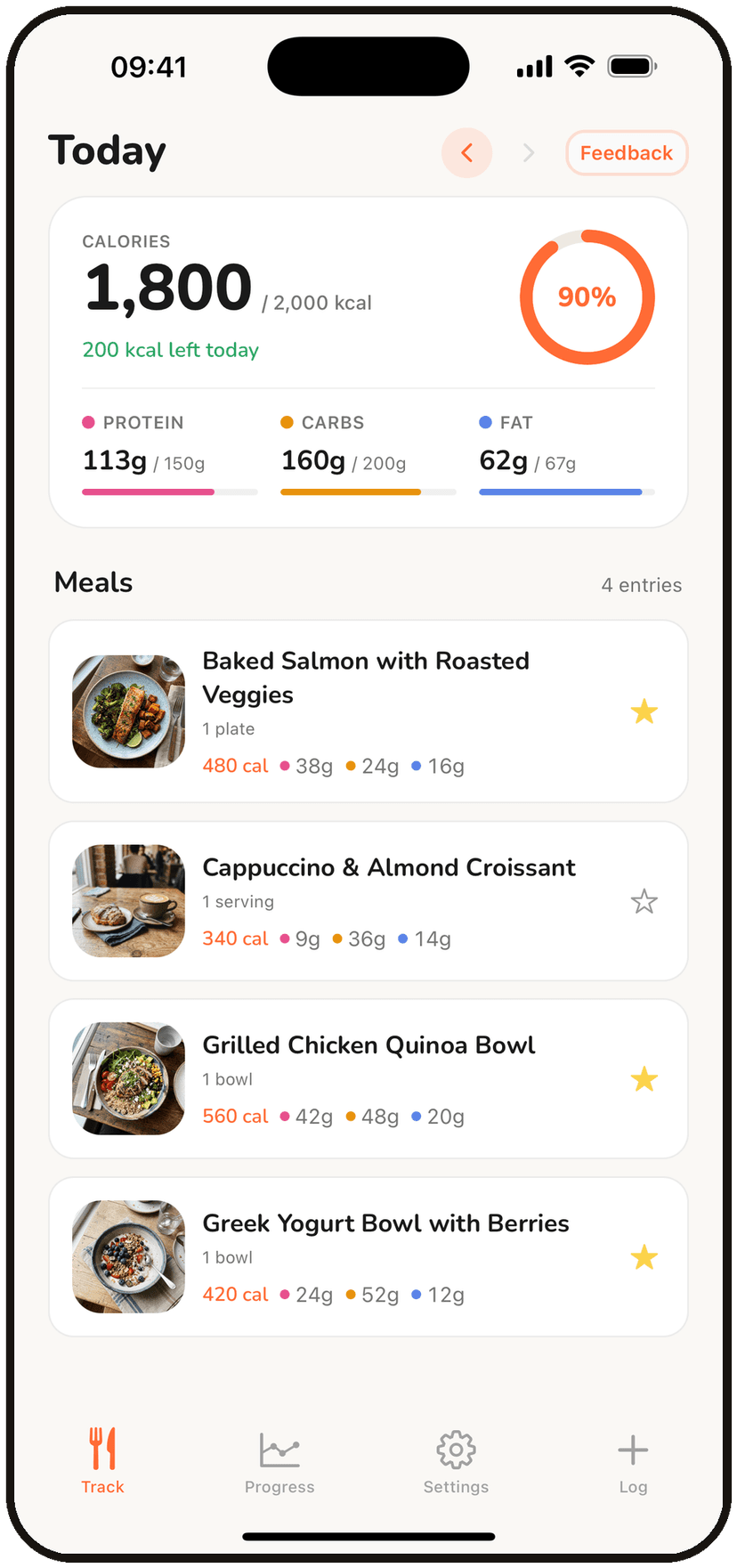
Portion guesses add up fast. BiteKit's AI estimates what's actually on your plate — oils, sides and all — so your log stays close to what you really ate.
- Log meals by photo, voice, or text
- Calories & macros estimated in seconds
- Syncs with Apple Health and Apple Watch
Free download · 3-day free trial, cancel anytime.
Scan to get the app