AI Mood & Food Advisor
Describe your current mood or energy level and get personalized food suggestions backed by nutritional psychiatry research. Support your brain with the right nutrients.
Helps us identify nutritional gaps and avoid redundancy in suggestions
Quick starts:
What is Nutritional Psychiatry?
Nutritional psychiatry is a rapidly growing field that studies the relationship between diet, nutrition, and mental health. Research has consistently shown that what you eat directly influences your brain chemistry, mood, and cognitive function. The food you consume provides the raw materials for neurotransmitter synthesis, affects brain inflammation levels, and shapes the gut microbiome that communicates constantly with your brain.
Landmark studies like the SMILES trial (2017) demonstrated that participants who improved their diet experienced significant reductions in depression symptoms — with one-third achieving full remission. The Mediterranean diet, rich in omega-3 fatty acids, vegetables, whole grains, and fermented foods, has been consistently associated with lower rates of depression and anxiety across multiple large-scale studies.
How Food Affects Your Brain Chemistry
Your brain relies on a complex network of neurotransmitters to regulate mood, motivation, focus, and calm. Each of these chemical messengers is built from nutrients you get from food.
Serotonin
The “feel-good” neurotransmitter
Made from tryptophan (found in turkey, eggs, cheese, nuts). Needs carbohydrates to cross the blood-brain barrier. About 95% of serotonin is produced in the gut, making gut health essential for mood. Low serotonin is linked to depression and anxiety.
Dopamine
The “motivation” neurotransmitter
Made from tyrosine (found in chicken, fish, dairy, bananas, avocados). Drives motivation, reward, focus, and pleasure. Low dopamine is associated with low motivation, brain fog, and fatigue. Iron and B vitamins are essential cofactors.
GABA
The “calming” neurotransmitter
The brain's primary inhibitory neurotransmitter that promotes calm. Magnesium supports GABA receptor function. Found in fermented foods, green tea (L-theanine), and foods rich in glutamic acid. Low GABA is linked to anxiety and restlessness.
Norepinephrine
The “alertness” neurotransmitter
Also made from tyrosine, norepinephrine drives alertness, attention, and energy. Vitamin C, copper, and B vitamins are required for its synthesis. Balanced levels support focus; excess is linked to anxiety and stress response.
The Gut-Brain Connection
The gut-brain axis is a bidirectional communication network between your digestive system and your brain. Your gut microbiome — the trillions of bacteria living in your intestines — produces neurotransmitters, vitamins, and short-chain fatty acids that directly influence brain function and mood.
95% of Serotonin is Made in the Gut
The vast majority of your body's serotonin is produced by gut bacteria, not the brain. A healthy, diverse gut microbiome is therefore essential for mood regulation. Fermented foods like yogurt, kefir, sauerkraut, and kimchi feed beneficial gut bacteria.
Fiber Feeds Your Mood
Dietary fiber from vegetables, fruits, legumes, and whole grains is fermented by gut bacteria into short-chain fatty acids (SCFAs) like butyrate. SCFAs reduce gut inflammation, strengthen the gut barrier, and directly communicate with the brain to support positive mood.
Processed Food Disrupts the Axis
Ultra-processed foods, artificial sweeteners, and excess sugar reduce microbiome diversity and increase gut inflammation. This “leaky gut” allows inflammatory molecules to reach the brain, contributing to depression, anxiety, and brain fog.
Quick Mood-Specific Food Guide
While the AI advisor provides personalized suggestions, here is a quick reference for mood-supporting nutrients:
Feeling Anxious
Focus on magnesium (dark chocolate, almonds, spinach), complex carbs for blood sugar stability, chamomile or green tea for L-theanine, and omega-3 rich foods. Avoid caffeine and sugar spikes.
Feeling Low
Focus on tryptophan-rich foods paired with carbs for serotonin, omega-3 fatty fish (salmon, sardines), vitamin D sources, B vitamins, and folate-rich leafy greens. Avoid alcohol and processed foods.
Brain Fog
Focus on omega-3 DHA for brain cell membranes, iron-rich foods, B12, tyrosine for dopamine, and proper hydration. Avoid excess sugar, processed carbs, and potential food sensitivities.
Feeling Stressed
Focus on vitamin C (citrus, bell peppers), magnesium, B5 (pantothenic acid), dark chocolate (flavanols reduce cortisol), and anti-inflammatory foods. Limit caffeine and alcohol.
What the Research Shows
The connection between food and mood is supported by a growing body of scientific evidence:
- SMILES Trial (2017): A randomized controlled trial showed that a modified Mediterranean diet significantly reduced depression symptoms in adults with major depression, with 32% achieving remission compared to only 8% in the social support control group.
- Omega-3 Meta-Analysis: A 2019 meta-analysis of 26 studies found that omega-3 supplementation (especially EPA) had a significant effect on reducing depression symptoms, particularly in people already taking antidepressants.
- Gut Microbiome Studies: Research published in Nature Microbiology (2019) identified specific gut bacteria strains associated with quality of life and depression, with butyrate-producing bacteria being consistently linked to higher quality of life scores.
- Mediterranean Diet and Anxiety: A 2021 systematic review found that adherence to a Mediterranean diet was associated with a 33% lower risk of developing depression and significantly reduced anxiety symptoms.
Frequently Asked Questions
How does the AI Mood & Food Advisor work?
The AI Mood & Food Advisor uses nutritional psychiatry research and AI to match your current mood, energy level, sleep quality, and time of day with specific food recommendations. It identifies key nutrients that support your mood state and suggests practical meals and snacks containing those nutrients.
What is nutritional psychiatry?
Nutritional psychiatry studies how diet and nutrition affect mental health and brain function. Research has shown that certain nutrients directly influence neurotransmitter production (serotonin, dopamine, GABA), gut-brain axis communication, and neuroinflammation. Landmark trials have demonstrated that improving diet quality can significantly reduce depression symptoms.
What foods help with anxiety?
Foods rich in magnesium (dark chocolate, spinach, almonds) support GABA receptor function. Omega-3 fatty acids from fatty fish reduce neuroinflammation linked to anxiety. Complex carbohydrates help stabilize blood sugar. Fermented foods support the gut-brain axis, where about 95% of serotonin is produced.
Can food really improve your mood?
Yes, research supports a strong connection between diet and mood. The SMILES trial showed that dietary improvement significantly reduced depression symptoms. Key mechanisms include tryptophan conversion to serotonin, omega-3s reducing brain inflammation, and gut bacteria producing mood-regulating chemicals.
What foods boost serotonin levels?
Serotonin is made from tryptophan, found in turkey, eggs, cheese, tofu, salmon, nuts, and seeds. Tryptophan needs carbohydrates to cross the blood-brain barrier, so pair protein with complex carbs. Vitamin B6 from chickpeas, potatoes, and bananas is also needed for serotonin synthesis.
Is this a replacement for professional mental health care?
No. The AI Mood & Food Advisor provides general wellness information based on nutritional psychiatry research. It is not a substitute for professional mental health care, therapy, or medication. If you are experiencing persistent mood issues or mental health concerns, please consult a healthcare professional.
iPhone app · 3-day free trial
You're likely eating 500 calories more than you think
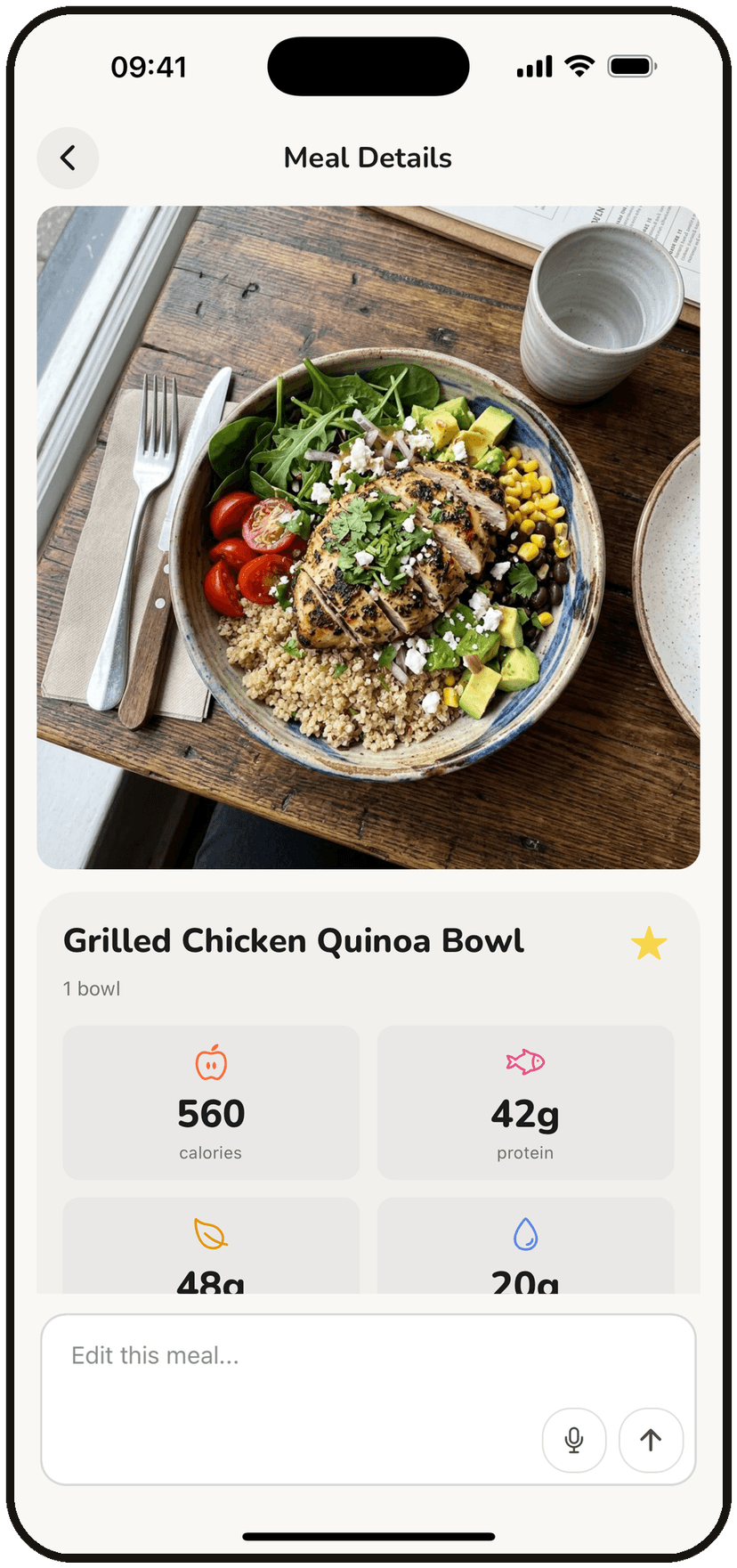
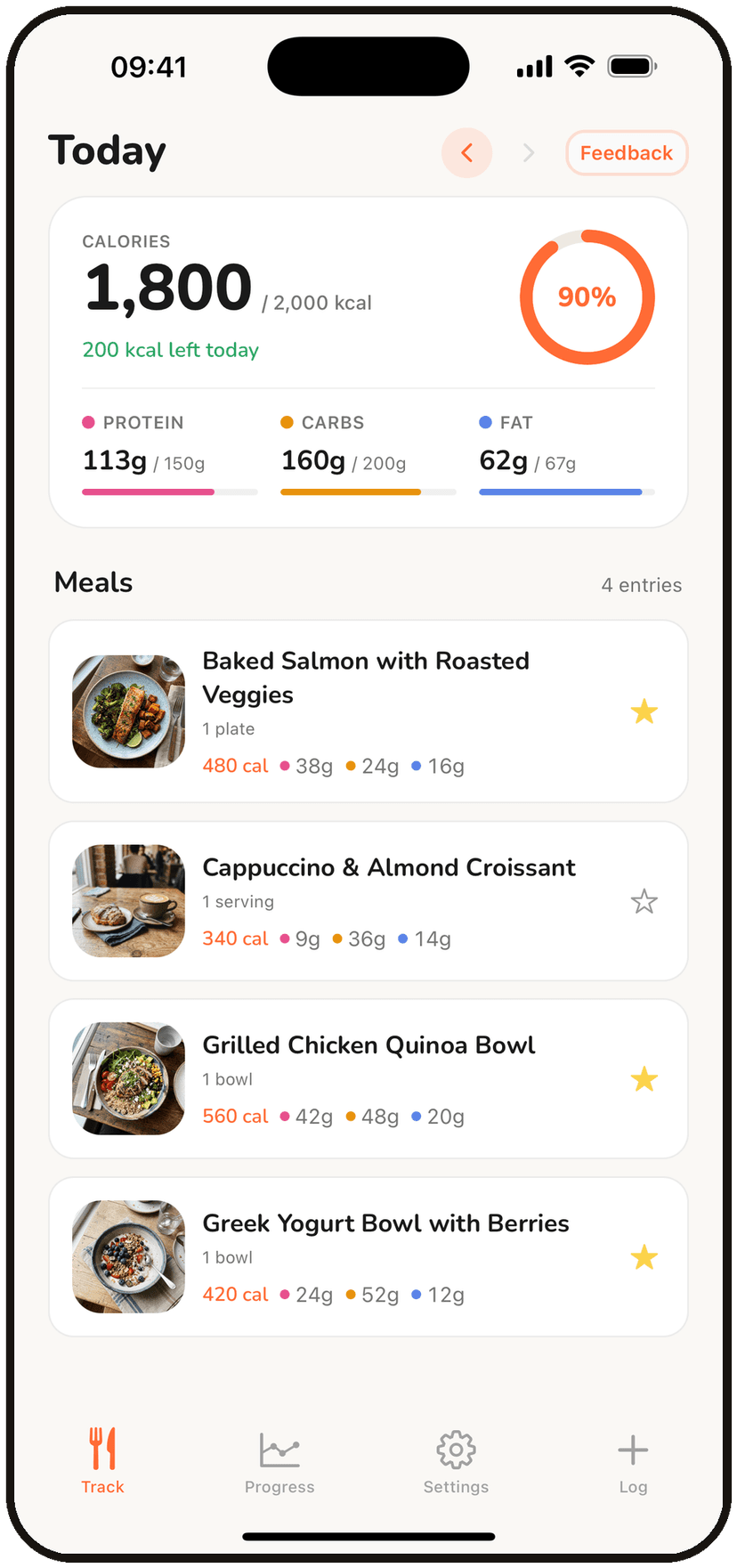
Portion guesses add up fast. BiteKit's AI estimates what's actually on your plate — oils, sides and all — so your log stays close to what you really ate.
- Log meals by photo, voice, or text
- Calories & macros estimated in seconds
- Syncs with Apple Health and Apple Watch
Free download · 3-day free trial, cancel anytime.
Scan with your iPhone camera