AI Nutrition Label Comparator
Compare 2-3 packaged food products side by side and get a clear winner. See detailed nutrition facts, ingredient analysis, health scores, and personalized recommendations based on your goals.
Enter 2-3 packaged food products by name and brand for accurate comparison
Select a goal to get tailored recommendations
Quick start:
How to Read and Compare Nutrition Labels
Understanding nutrition labels is one of the most important skills for making healthier food choices. Here's what to focus on when comparing packaged food products side by side.
Start with Serving Size
Always check the serving size first. Two products might look similar, but if one lists a 30g serving and the other lists 50g, the comparison is misleading without adjustment. Our AI tool normalizes this for fair comparison.
Check the Ingredient List
Ingredients are listed in order of quantity. If sugar or its variants (high fructose corn syrup, dextrose, maltodextrin) appear in the first few ingredients, the product is likely high in added sugars.
Watch the Sugar Content
The FDA recommends no more than 50g of added sugar per day. Many "healthy" products like granola bars, yogurts, and protein bars can contain 15-25g of sugar per serving. Compare sugar content carefully.
Protein Per Calorie Ratio
A high protein count means nothing if the product is also packed with calories. Look at protein relative to total calories. A good target is at least 10g of protein per 100 calories for protein-focused products.
Hidden Traps in Nutrition Labels
Food manufacturers use several tactics to make products appear healthier than they are. Here's what to watch for when comparing products:
Misleading Serving Sizes
Some products list unrealistically small serving sizes to make nutrition facts look better. A bag of chips might list "about 13 chips" as one serving when most people eat far more. Always check servings per container.
Sugar by Another Name
There are over 60 names for sugar on food labels. Watch for dextrose, maltose, corn syrup solids, cane juice, agave nectar, and brown rice syrup. Manufacturers sometimes use multiple types so no single sugar tops the ingredient list.
"Natural" and "Healthy" Claims
Terms like "natural," "wholesome," and "made with real fruit" are marketing claims, not regulated nutrition terms. Always compare the actual nutrition facts rather than relying on front-of-package claims.
Sodium Surprise
Even sweet-tasting products can be high in sodium. The FDA recommends no more than 2,300mg per day. Some single servings of soup, frozen meals, or snacks can contain 700-1,000mg of sodium.
Popular Product Comparisons
These are some of the most commonly compared packaged food categories. Use our tool to get detailed, personalized comparisons:
Greek Yogurt Brands
Chobani, Fage, Siggi's, and Oikos all offer Greek yogurt, but protein content, sugar levels, and ingredient quality vary significantly between brands and flavors.
Protein and Snack Bars
Kind, Clif, RX Bar, Quest, and ONE bars all position themselves as healthy, but their sugar content, protein sources, and ingredient quality differ dramatically.
Plant-Based Milks
Oat milk, almond milk, soy milk, and coconut milk have very different nutritional profiles. Protein ranges from 1g to 8g per cup depending on the type.
Breakfast Cereals
From Cheerios to Special K to granola, breakfast cereals range from nutrient-dense to sugar-laden. Comparing labels reveals surprising differences in fiber and sugar.
Tips for Choosing Healthier Products
Use these guidelines when shopping and comparing packaged foods to make consistently better choices:
Shorter ingredient lists are usually better
Products with 5-10 recognizable ingredients tend to be less processed than those with 20+ ingredients including additives, preservatives, and artificial colors.
Compare per 100g, not just per serving
Different serving sizes make direct comparison tricky. Looking at nutrition per 100g gives you a standardized way to compare any two products fairly.
Prioritize fiber and protein
Products higher in fiber and protein tend to be more satiating and nutritionally valuable. Aim for products with at least 3g of fiber and 5g of protein per serving.
Check sodium levels
Aim for products with less than 600mg of sodium per serving. High sodium intake is linked to increased blood pressure and cardiovascular risk.
Frequently Asked Questions
How does the AI Nutrition Label Comparator work?
Our AI uses advanced language models with access to current nutrition databases to look up real product data. Enter 2-3 packaged food product names, optionally select a health goal, and get a comprehensive side-by-side comparison with nutrition facts, scores, and a clear winner.
How many products can I compare at once?
You can compare 2 or 3 packaged food products at once. This allows for meaningful head-to-head comparisons like Chobani vs Fage, or three-way comparisons like Kind Bar vs Clif Bar vs RX Bar.
What nutrition information is included?
The comparison includes calories, protein, carbohydrates, total fat, saturated fat, fiber, sugar, and sodium per serving. It also analyzes ingredient quality, highlights notable ingredients, and provides pros and cons with an overall health score from 1-10.
What health goals can I choose from?
Choose from Weight Loss, Muscle Building, General Health, Low Sugar, and High Protein. The goal is optional but helps tailor recommendations. The tool always shows which product is best for each goal regardless of your selection.
How accurate are the nutrition facts?
The AI references current nutrition data for well-known brands. For major products, the data is highly accurate. However, product formulations can change, so always check the actual product label for the most up-to-date information.
What does the overall health score mean?
Each product receives a score from 1-10 based on its nutritional profile and ingredient quality. Scores of 9-10 indicate excellent nutrition with minimal processing, 7-8 are good with minor concerns, 5-6 are moderate, and below 5 indicates poor nutritional quality.
iPhone app · 3-day free trial
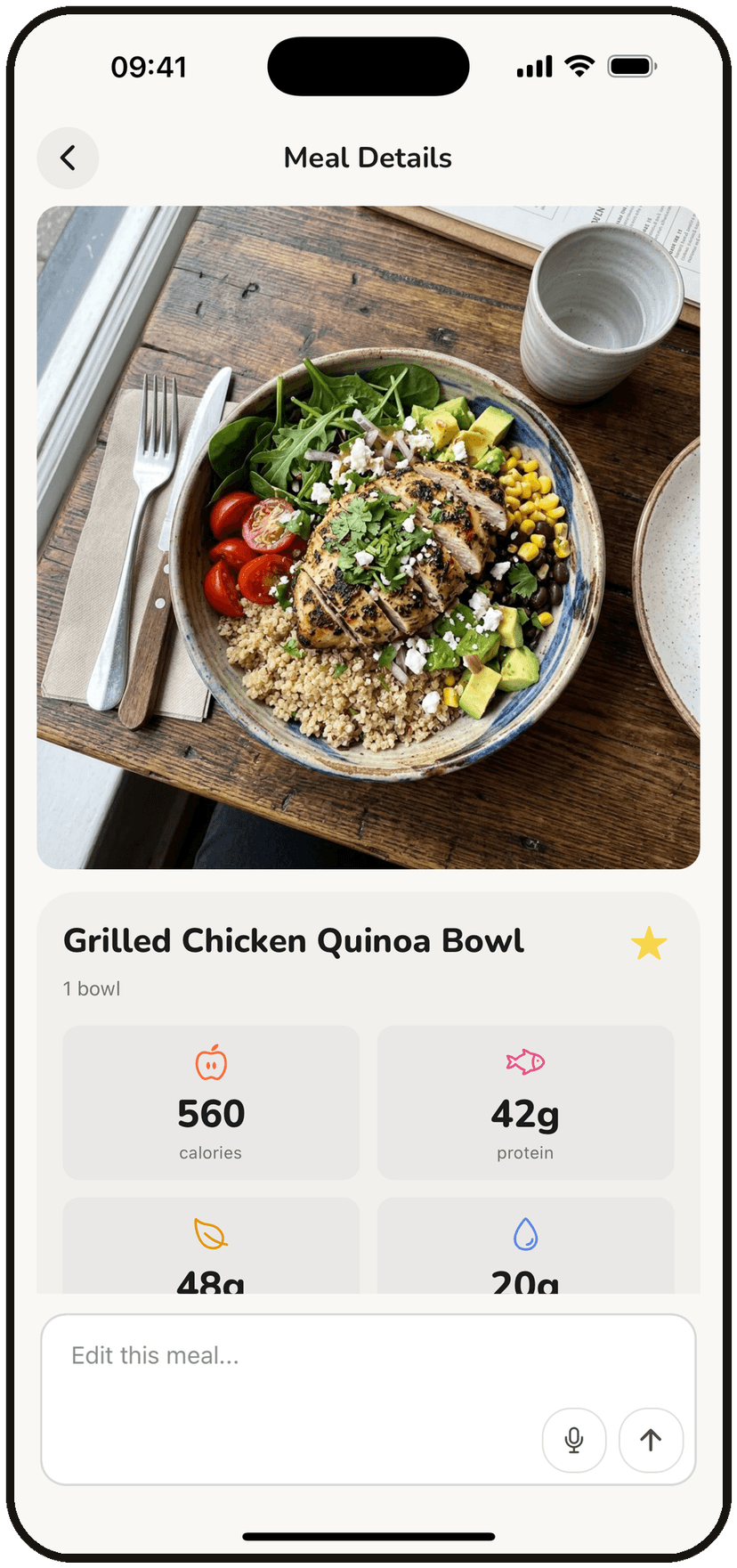
You're likely eating 500 calories more than you think
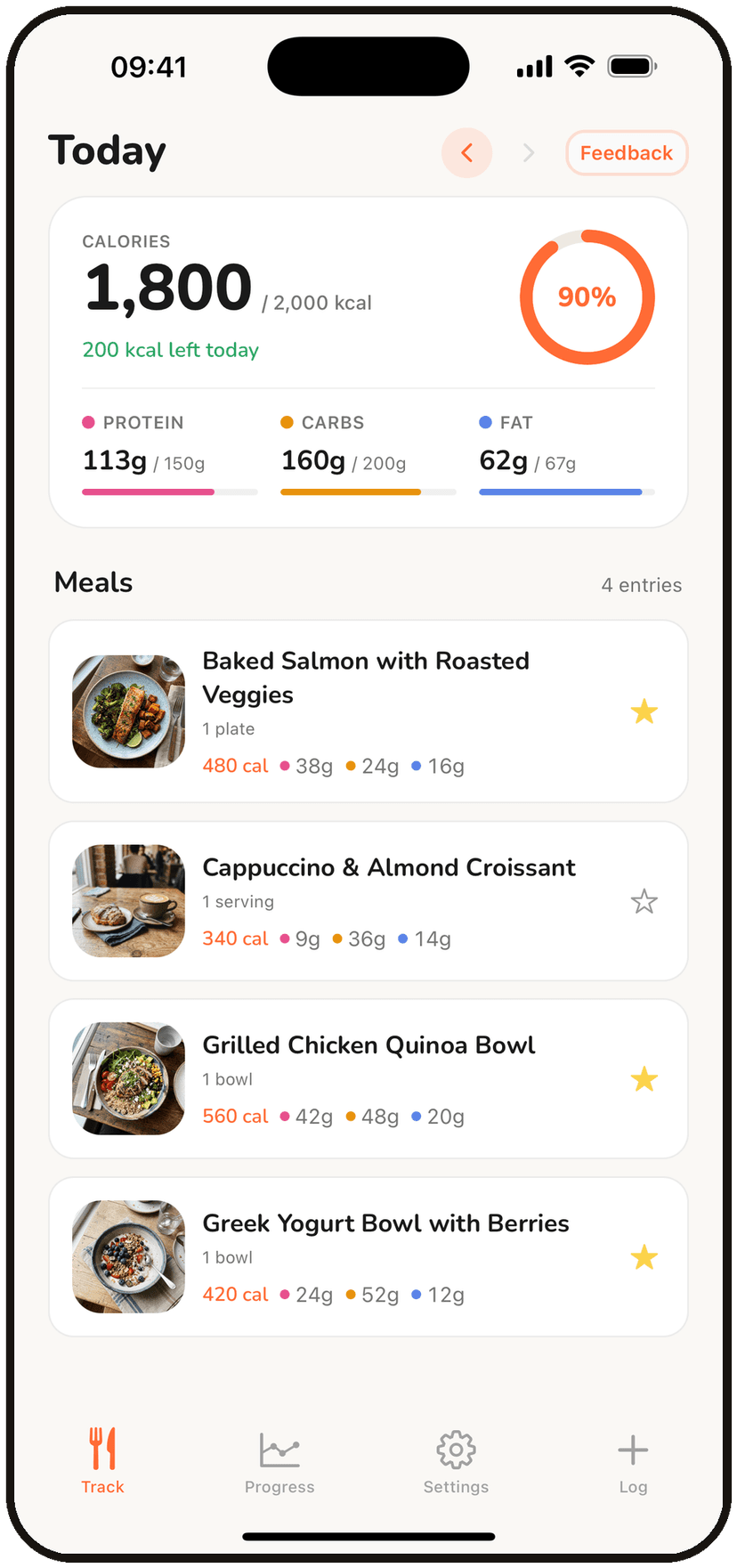
Portion guesses add up fast. BiteKit's AI estimates what's actually on your plate — oils, sides and all — so your log stays close to what you really ate.
- Log meals by photo, voice, or text
- Calories & macros estimated in seconds
- Syncs with Apple Health and Apple Watch
Free download · 3-day free trial, cancel anytime.
Scan with your iPhone camera