AI Pantry Meal Builder
List what's in your pantry and get complete meal ideas with step-by-step cooking instructions and full nutrition breakdowns — using only the ingredients you already have.
List as many or as few ingredients as you have — the AI will work with whatever you provide
Quick starts:
Benefits of Cooking with What You Have
Pantry cooking is one of the most practical and rewarding kitchen skills you can develop. Instead of shopping for a specific recipe, you work with what's already available — and the results are often surprisingly delicious.
- Save money: Stop buying extra ingredients that end up going to waste. Cooking from your pantry means fewer grocery trips and a lower food bill each month
- Reduce food waste: The average household throws away 30-40% of its food. Using up what you have before buying more is one of the simplest ways to cut waste
- Build cooking confidence: Working with limited ingredients forces creativity and helps you understand flavor combinations at a deeper level
- Save time: No more scrolling through recipes or running to the store for one missing ingredient. Cook with what's on hand right now
Pantry Staples Everyone Should Keep
A well-stocked pantry makes it easy to throw together a nutritious meal at any time. Here are the building blocks that give you the most versatility:
Grains and Starches
Rice, pasta, oats, bread, tortillas, and potatoes form the base of countless meals. They're cheap, shelf-stable, and pair with almost anything.
Examples: Brown rice, spaghetti, rolled oats, flour tortillas, quinoa
Proteins
Canned beans, lentils, eggs, canned tuna, and frozen chicken are affordable protein sources that last for weeks or months without spoiling.
Examples: Black beans, chickpeas, eggs, canned salmon, ground turkey
Canned Goods
Canned tomatoes, coconut milk, broth, and vegetables are the secret weapons of pantry cooking. They add flavor, moisture, and nutrition to any dish.
Examples: Diced tomatoes, chicken broth, coconut milk, corn, tomato paste
Flavor Builders
Garlic, onions, olive oil, soy sauce, and a few key spices can transform simple ingredients into restaurant-quality meals.
Examples: Garlic, cumin, paprika, soy sauce, olive oil, chili flakes
Reducing Food Waste Through Pantry Cooking
Food waste is a massive global problem, and households are one of the biggest contributors. Learning to cook with what you have is one of the most impactful steps you can take:
Use ingredients before they expire
Instead of letting produce wilt or cans sit forgotten, the Pantry Meal Builder helps you turn everything into a meal before it goes bad. Enter whatever needs to be used up first and get meal ideas immediately.
Shop smarter, not more
When you regularly cook from your pantry, you develop a better sense of what you actually use. Over time, your grocery shopping becomes more efficient because you buy what you need and use what you buy.
Get creative with odd combinations
Think you can't make a meal from random leftover ingredients? The AI finds combinations you might not have considered. Those canned beans, half a bag of rice, and some spices can become a satisfying dinner.
Track what goes unused
The ingredient summary shows which pantry items were used and which were not. This helps you plan your next meal to use up the remaining items, ensuring nothing goes to waste.
Creative Ingredient Substitutions
Great pantry cooking is about flexibility. Knowing how to swap ingredients opens up far more meal possibilities from the same pantry:
Protein Swaps
Chicken, tofu, beans, and canned fish are generally interchangeable in most recipes. Adjust cooking times and seasoning to match the protein you have on hand.
Grain Swaps
Rice, pasta, couscous, and quinoa can usually replace each other. Cook according to the grain's instructions and use the same sauce or seasoning as the original recipe.
Vegetable Swaps
Most vegetables can be substituted within the same family. Broccoli for cauliflower, spinach for kale, bell peppers for zucchini — the key is matching the cooking time.
Dairy and Fat Swaps
Butter, olive oil, and coconut oil work interchangeably for cooking. Yogurt can replace sour cream. Plant milks substitute for dairy milk in most cooked dishes.
Building a Versatile Pantry
A versatile pantry is not about having hundreds of ingredients — it's about having the right ones. Focus on items that combine well, last a long time, and cover the key nutritional bases:
- Start with 3-4 grains: Rice, pasta, oats, and bread or tortillas cover most meal formats from stir-fries to sandwiches to breakfast bowls
- Keep 2-3 protein sources: Canned beans, eggs, and one frozen protein (chicken, fish, or tofu) give you enough variety for a full week of meals
- Stock essential seasonings: Salt, pepper, garlic powder, cumin, paprika, and soy sauce can flavor virtually any cuisine from Mexican to Asian to Mediterranean
- Have a cooking fat: Olive oil for sauteing, butter or coconut oil for baking — one or two fats are all you need
- Add canned essentials: Diced tomatoes, coconut milk, and broth are the foundation of soups, curries, stews, and sauces
Frequently Asked Questions
How does the AI Pantry Meal Builder work?
You list the ingredients you have available, set your preferences (meal type, cooking time, skill level, equipment), and the AI generates 3-4 complete meal ideas using primarily your ingredients. Each meal comes with step-by-step cooking instructions and a full nutrition breakdown including calories, protein, carbs, fat, and fiber.
Do I need to have every single ingredient?
The AI builds meals from the ingredients you list. Each recipe also includes optional "nice to have" ingredients that would improve the dish but are not required. The core recipe works entirely with what you already have.
How accurate are the nutrition values?
The AI calculates nutrition using comprehensive food databases including USDA data. While exact values may vary based on specific brands and portions, the estimates are reliable for daily tracking and meal planning.
Can I use this for specific diets?
Yes! The builder supports vegetarian, vegan, gluten-free, dairy-free, and nut-free dietary restrictions. When selected, the AI ensures all meal suggestions comply with your dietary needs, even if your pantry contains non-compliant ingredients.
What if I only have a few ingredients?
The AI works with as few as 3-4 ingredients and will find creative ways to combine them into complete meals. The fewer ingredients you have, the simpler the recipes will be, but the AI maximizes flavor and nutrition from whatever you provide.
How does this help reduce food waste?
By building meals around what you already have, the tool helps you use ingredients before they expire. The ingredient summary shows which items were used and which were not, helping you plan future meals to use up everything in your pantry.
iPhone app · 3-day free trial
You're likely eating 500 calories more than you think
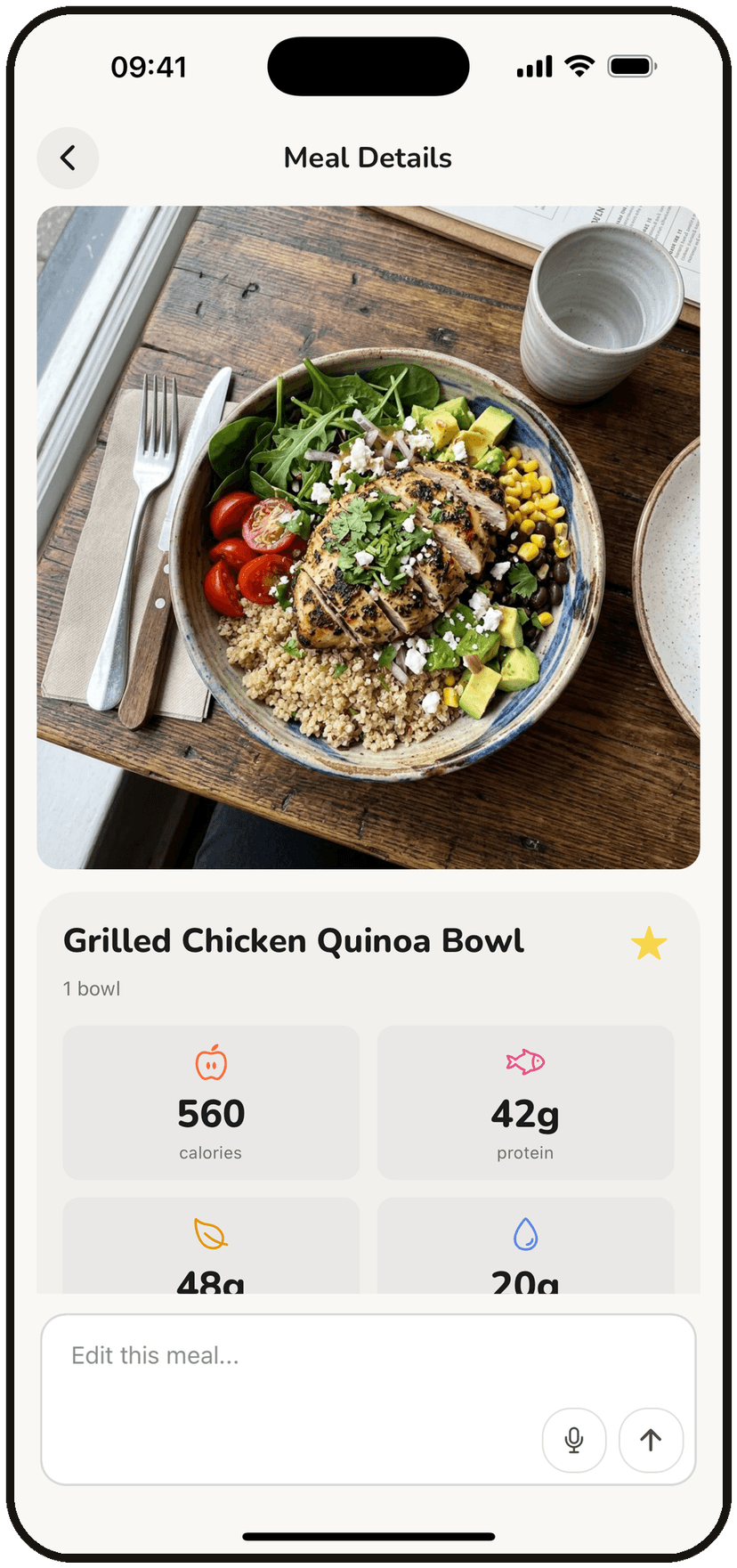
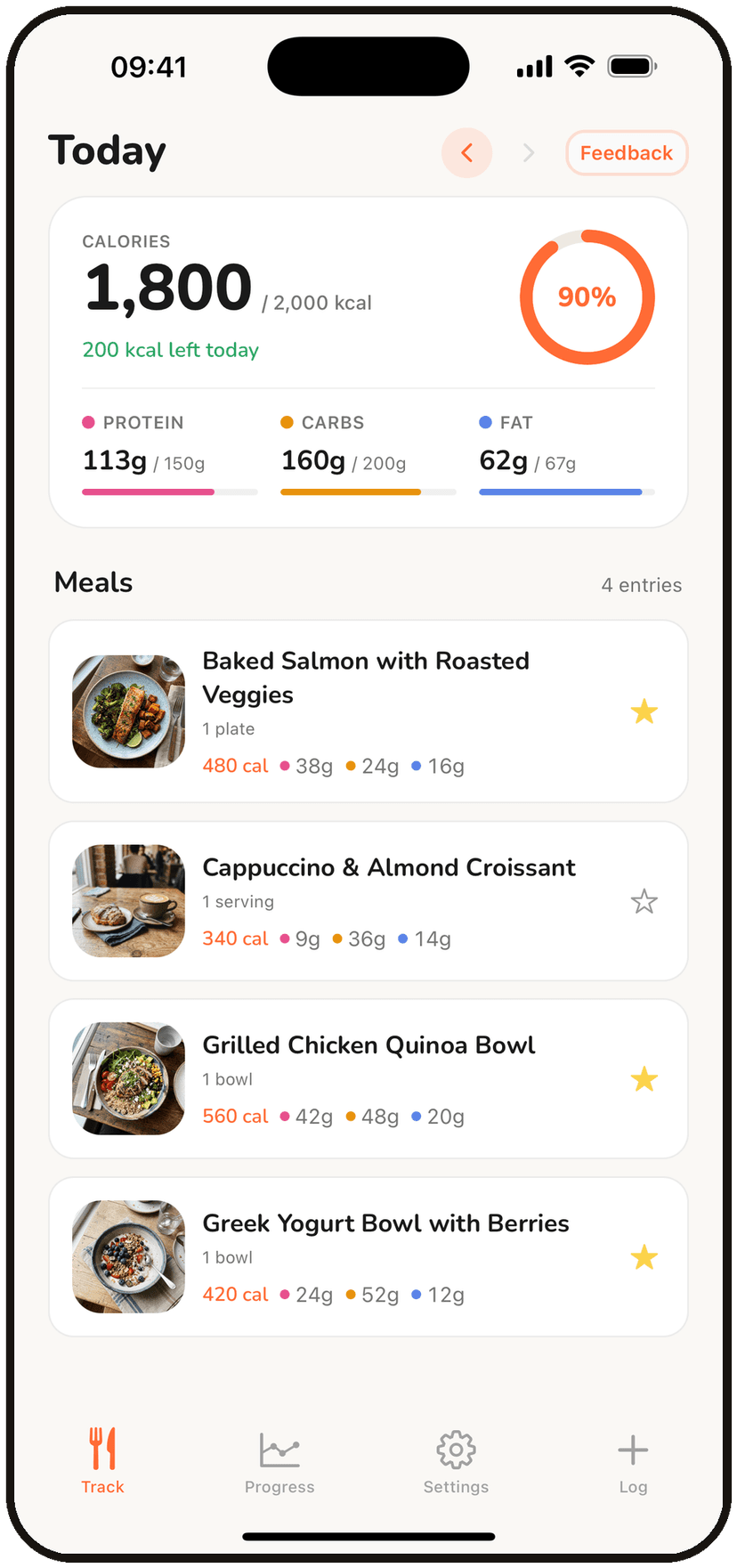
Portion guesses add up fast. BiteKit's AI estimates what's actually on your plate — oils, sides and all — so your log stays close to what you really ate.
- Log meals by photo, voice, or text
- Calories & macros estimated in seconds
- Syncs with Apple Health and Apple Watch
Free download · 3-day free trial, cancel anytime.
Scan with your iPhone camera