AI Plateau Breaker Advisor
Stuck at the same weight? Describe your current diet, training, and how long you have been stalled to get a personalized, science-backed plan for breaking through your plateau.
How many calories are you eating per day right now?
Anything else relevant — stress levels, sleep quality, recent diet history, etc.
Quick start examples:
Why Weight Loss Plateaus Happen
Weight loss plateaus are one of the most frustrating experiences in any fitness journey, but they are also completely normal. Nearly everyone who has lost a significant amount of weight has experienced at least one stall along the way. Understanding why plateaus occur is the first step toward breaking through them.
When you lose weight, your body responds by lowering its energy expenditure. Your smaller body requires fewer calories to maintain itself, your metabolism adjusts to the lower calorie intake, and your non-exercise activity (fidgeting, walking, daily movement) often decreases unconsciously. This combination means the calorie deficit that initially produced weight loss may no longer be sufficient.
Metabolic Adaptation Explained
Metabolic adaptation (sometimes called "adaptive thermogenesis") is your body's natural response to prolonged calorie restriction. It is an evolutionary survival mechanism designed to conserve energy during periods of food scarcity. While this was helpful for our ancestors, it can be a roadblock for modern weight loss goals.
BMR Reduction
Your basal metabolic rate can decrease beyond what is explained by weight loss alone. Research shows this can account for a 5-15% greater reduction in daily calorie burn than expected from the weight change.
NEAT Decline
Non-exercise activity thermogenesis (the calories you burn through daily movement, fidgeting, and posture) can drop significantly during a deficit. You may unconsciously move less, take fewer steps, and sit more often.
Hormonal Shifts
Leptin (the satiety hormone) decreases during calorie restriction while ghrelin (the hunger hormone) increases. Thyroid hormone output may also decrease slightly, further reducing metabolic rate.
Exercise Efficiency
Your body becomes more efficient at performing the same exercises, burning fewer calories for the same workout. This is why changing your training stimulus can help break a plateau.
Common Plateau Mistakes
When the scale stops moving, many people make reactive changes that can actually make the plateau worse. Here are the most common mistakes and what to do instead:
Drastically Cutting Calories
Slashing calories further can increase metabolic adaptation, cause muscle loss, and lead to binge eating. Instead, try a strategic refeed day or diet break to reset hormones before reducing calories modestly.
Adding Excessive Cardio
More cardio on top of an already aggressive deficit can increase cortisol, reduce recovery, and lead to further metabolic adaptation. Consider adding strength training or changing your cardio modality instead of simply doing more.
Ignoring Sleep and Stress
Poor sleep and chronic stress elevate cortisol, which promotes water retention and can mask fat loss on the scale. Improving sleep quality and managing stress may be the single most effective plateau-breaking strategy for many people.
Giving Up Too Soon
Many "plateaus" are simply normal weight fluctuations lasting 1-2 weeks. Water retention, hormonal cycles, and digestive timing can all mask ongoing fat loss. Give your current approach at least 2-3 weeks before making changes.
When to See a Professional
While most weight loss plateaus can be resolved with strategic adjustments to diet and training, some situations warrant professional guidance. Consider consulting a healthcare provider or registered dietitian if:
Extended Stall
Your plateau has lasted more than 8 weeks despite consistent adherence to your diet and training program.
Unusual Symptoms
You experience excessive fatigue, hair loss, feeling cold all the time, or other symptoms that may indicate a thyroid or hormonal issue.
Very Low Calories
You are already eating below 1,200 calories (women) or 1,500 calories (men) and still not losing weight. This may indicate a metabolic issue that needs medical evaluation.
Mental Health Concerns
The plateau is causing significant anxiety, obsessive food behaviors, or negatively impacting your relationship with food and exercise. A professional can help you develop a healthier approach.
Frequently Asked Questions
Why has my weight loss stalled?
Weight loss stalls typically occur due to metabolic adaptation (your body burns fewer calories as you lose weight), calorie creep (gradually eating more than you realize), water retention masking fat loss, or a decrease in non-exercise activity thermogenesis (NEAT). Our AI advisor analyzes your specific situation to identify the most likely cause.
How long does a weight loss plateau usually last?
A true weight loss plateau lasts at least 2-3 weeks with no change on the scale despite consistent effort. Short stalls of 1-2 weeks are often just normal fluctuations from water retention, hormonal cycles, or digestive timing. If your plateau has lasted more than 4 weeks, it likely requires deliberate adjustments to your nutrition or training.
Should I eat less to break a plateau?
Not necessarily. Eating less is not always the answer and can sometimes make things worse by further slowing your metabolism. Better strategies often include calorie cycling, refeed days, diet breaks, increasing protein intake, or changing your training stimulus. The AI Plateau Breaker analyzes your current intake and recommends the most appropriate approach.
What is metabolic adaptation?
Metabolic adaptation is your body reducing its energy expenditure in response to prolonged calorie restriction. Your basal metabolic rate decreases, non-exercise activity drops, and your body becomes more efficient at using energy. This is a normal survival mechanism that can slow or stall weight loss, and it often requires strategic approaches like refeed days or diet breaks to address.
How does the AI Plateau Breaker Advisor work?
The AI Plateau Breaker analyzes your current calorie intake, body weight, training routine, plateau duration, and diet type to identify the likely cause of your stall. It then generates personalized nutrition strategies, training adjustments, lifestyle recommendations, and a 4-week action plan based on current sports nutrition research.
When should I see a doctor about a weight loss plateau?
You should consult a healthcare professional if your plateau persists despite consistent effort for more than 8 weeks, if you experience unusual fatigue or other symptoms, if you are eating very low calories without losing weight, or if you suspect a thyroid or hormonal issue may be involved.
iPhone app · 3-day free trial
You're likely eating 500 calories more than you think
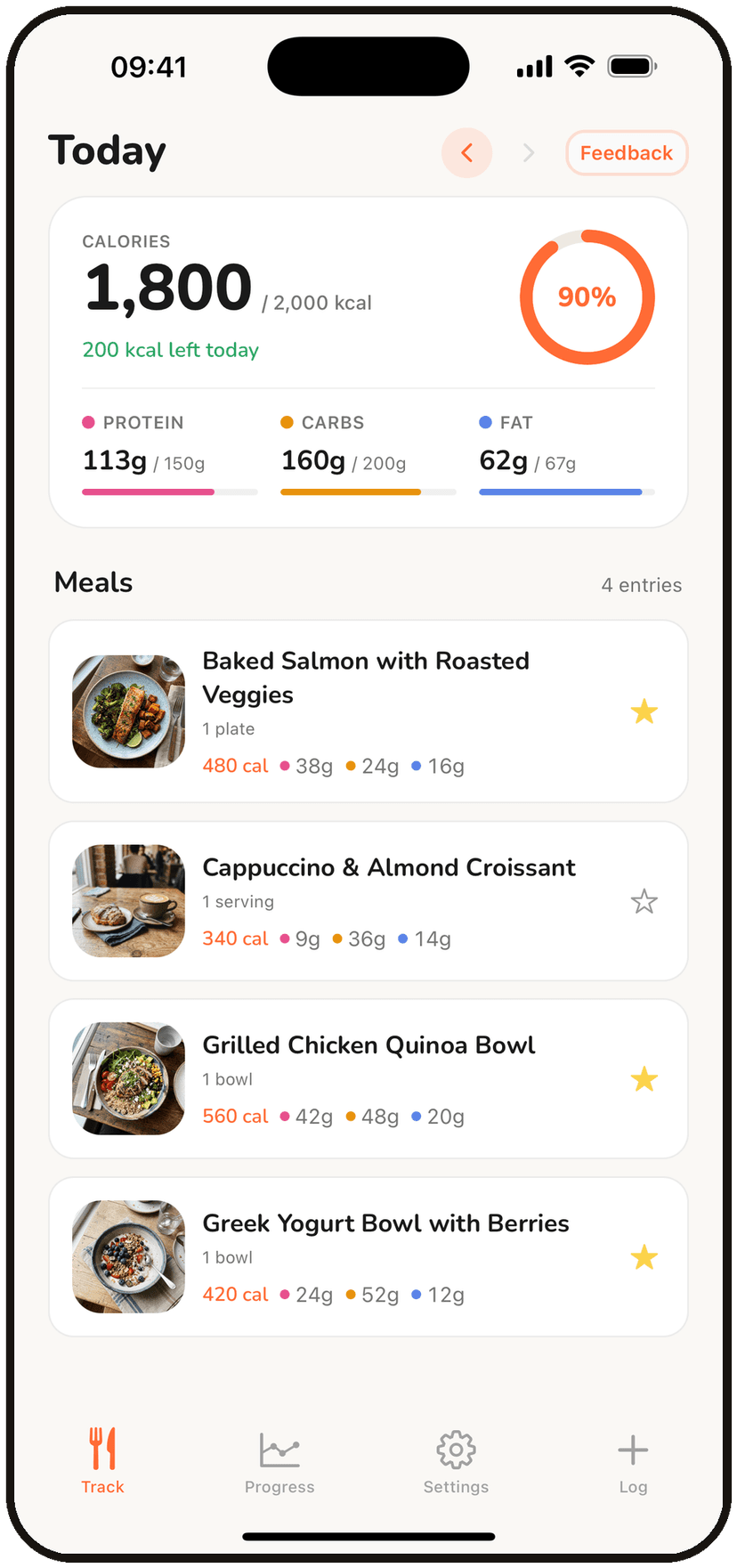
Portion guesses add up fast. BiteKit's AI estimates what's actually on your plate — oils, sides and all — so your log stays close to what you really ate.
- Log meals by photo, voice, or text
- Calories & macros estimated in seconds
- Syncs with Apple Health and Apple Watch
Free download · 3-day free trial, cancel anytime.
Scan with your iPhone camera