AI Race Nutrition Planner
Describe your upcoming race and get a personalized fueling plan with pre-race carb loading, a minute-by-minute fueling timeline, product recommendations, and hydration strategy.
Auto-filled for standard distances, or enter a custom distance
Helps calculate precise carb-loading targets per kg of body weight
Quick starts:
The Science of Race Nutrition
Your body stores approximately 1,600-2,000 calories of glycogen in muscles and liver. During endurance exercise, you burn through these stores at a rate that depends on intensity, fitness level, and environmental conditions. Once glycogen is depleted, you hit "the wall" — a sudden inability to maintain pace. A proper race nutrition plan prevents this by providing external fuel at the right time and in the right amounts.
- Carbohydrate is king: During moderate-to-high intensity exercise, carbohydrates are your primary fuel source. Fat oxidation cannot keep up with the energy demands of race pace.
- Gut training matters: Your gastrointestinal tract can be trained to absorb more carbohydrates per hour. Athletes who regularly practice fueling during training can tolerate 90-120g of carbs per hour.
- Multiple transportable carbohydrates: Using a mix of glucose and fructose allows absorption through different intestinal transporters, increasing total carb uptake beyond what either sugar alone can achieve.
- Individual variation: Optimal fueling rates, product preferences, and stomach tolerance vary widely between athletes. Testing in training is essential.
Fueling Strategy by Race Distance
Not every race requires the same nutrition approach. Here is how fueling needs scale with distance:
5K & 10K
These distances are short enough that glycogen stores are sufficient for most runners. Focus on a good pre-race meal 3-4 hours before. During the race, water at aid stations is typically all you need. Some competitive 10K runners may benefit from a small caffeine dose or mouth rinse with sports drink.
Half Marathon
The half marathon sits at the threshold where in-race fueling starts to matter. Faster runners (under 90 minutes) may not need mid-race fuel, while runners taking 2+ hours should aim for 30-60g of carbs per hour. One to two gels or equivalent is usually sufficient.
Marathon
The marathon is where race nutrition becomes critical. Target 60-90g of carbs per hour with fueling every 20-30 minutes. Pre-race carb loading over 2-3 days is recommended. Practice your entire fueling plan in long training runs.
Ultra Marathon & Trail
Ultra distances require 60-90g of carbs per hour sustained over many hours. Palate fatigue becomes a real issue, so variety is important — mix gels, chews, bars, and real food (sandwiches, potatoes, fruit). Sodium needs increase significantly, and you must plan for aid station availability.
Cycling & Triathlon
Cycling allows easier digestion since there is less GI jostling than running. Aim for 60-90g carbs per hour on the bike. In triathlon, do most of your fueling on the bike leg and switch to simpler, liquid calories for the run.
Hydration Strategies for Race Day
Proper hydration is just as critical as fueling. Both dehydration and overhydration (hyponatremia) can be dangerous. Here is how to get it right:
Pre-Race Hydration
Begin hydrating 24-48 hours before your race. Drink to thirst and check urine color (pale yellow is ideal). In the final 2-3 hours before start, sip 500-600ml of fluid with electrolytes. Avoid excessive water intake which can dilute sodium levels.
During-Race Hydration
Drink to thirst rather than on a rigid schedule. In hot conditions, aim for 750-1000ml per hour. In cool conditions, 400-600ml may suffice. Include sodium in your fluids (500-1000mg per hour) to maintain electrolyte balance and prevent hyponatremia.
A practical approach is to weigh yourself before and after training runs to estimate your sweat rate. For every pound lost during exercise, you need approximately 16-20 oz of fluid replacement. The AI Race Nutrition Planner factors in weather conditions to adjust your hydration targets.
Race Nutrition Product Types Explained
Understanding the different categories of race fueling products helps you build a plan that works for your stomach and preferences:
Energy Gels
Concentrated carbohydrate packets (80-120 cal, 20-30g carbs). Fast-absorbing and portable. Require water to wash down. Popular brands include GU, Maurten, SiS, and Huma.
Sports Drinks
Provide both carbs and hydration in one. Ideal for athletes who struggle with gels. Brands like Maurten, Skratch Labs, and Tailwind offer high-carb drink mixes designed for endurance events.
Energy Chews
Gummy-style fuel that provides a chewing experience. Easier on sensitive stomachs than gels for some athletes. Clif Bloks, GU Chews, and Skratch Chews are popular options.
Bars & Real Food
Best for ultra distances where palate fatigue is an issue. Provides more sustained energy but takes longer to digest. Options include energy bars, PB&J sandwiches, boiled potatoes, and rice cakes.
Frequently Asked Questions
How does the AI Race Nutrition Planner work?
The AI Race Nutrition Planner uses sports nutrition science and AI to create a personalized fueling strategy. You enter your race type, distance, terrain, weather, and experience level, and the AI generates a complete plan including pre-race carb loading, a minute-by-minute fueling timeline, real product recommendations, hydration strategy, and post-race recovery nutrition.
How many carbs per hour should I eat during a marathon?
Current research recommends 60-90 grams of carbohydrates per hour during a marathon. Beginners should start at the lower end (60g/hr) and work up. Using a mix of glucose and fructose sources allows your body to absorb more carbs per hour. The AI planner calculates your specific target based on your experience level and race details.
When should I start carb loading before a race?
For marathon-distance races and longer, carb loading should begin 2-3 days before the race. The target is 8-12 grams of carbohydrates per kilogram of body weight per day. Focus on familiar, low-fiber foods. For shorter races like 5K or 10K, a normal balanced diet with a good pre-race meal is sufficient.
What should I eat the morning of a race?
Eat your pre-race meal 3-4 hours before the start, aiming for 1-4 grams of carbs per kilogram of body weight. Stick to familiar, easily digestible foods low in fiber and fat. Common choices include oatmeal with banana, toast with peanut butter, or a bagel with jam.
How does weather affect race nutrition?
Hot weather significantly increases fluid and sodium needs. You may need 750-1000ml of fluid per hour versus 400-600ml in cool conditions. Higher temperatures also increase GI distress risk, so liquid calories may be better tolerated than solid food. The AI planner adjusts all targets based on your expected weather.
Should I use gels, chews, or sports drinks?
The best products depend on your race distance, preference, and stomach tolerance. Gels are convenient but require water. Chews are easier on sensitive stomachs. Sports drinks provide carbs and hydration together. For ultra distances, mixing in real food helps prevent palate fatigue. The key rule: never try new products on race day.
iPhone app · 3-day free trial
You're likely eating 500 calories more than you think
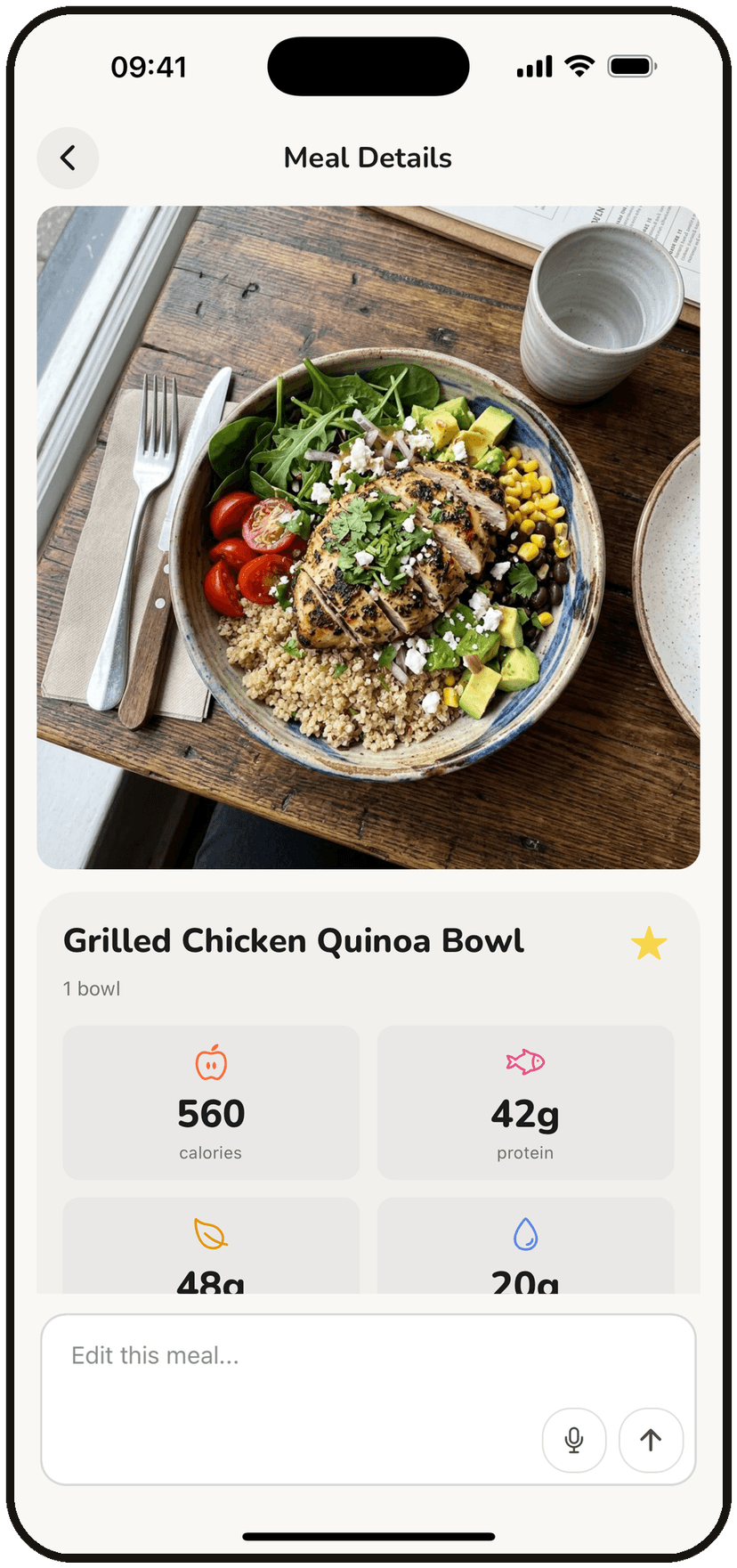
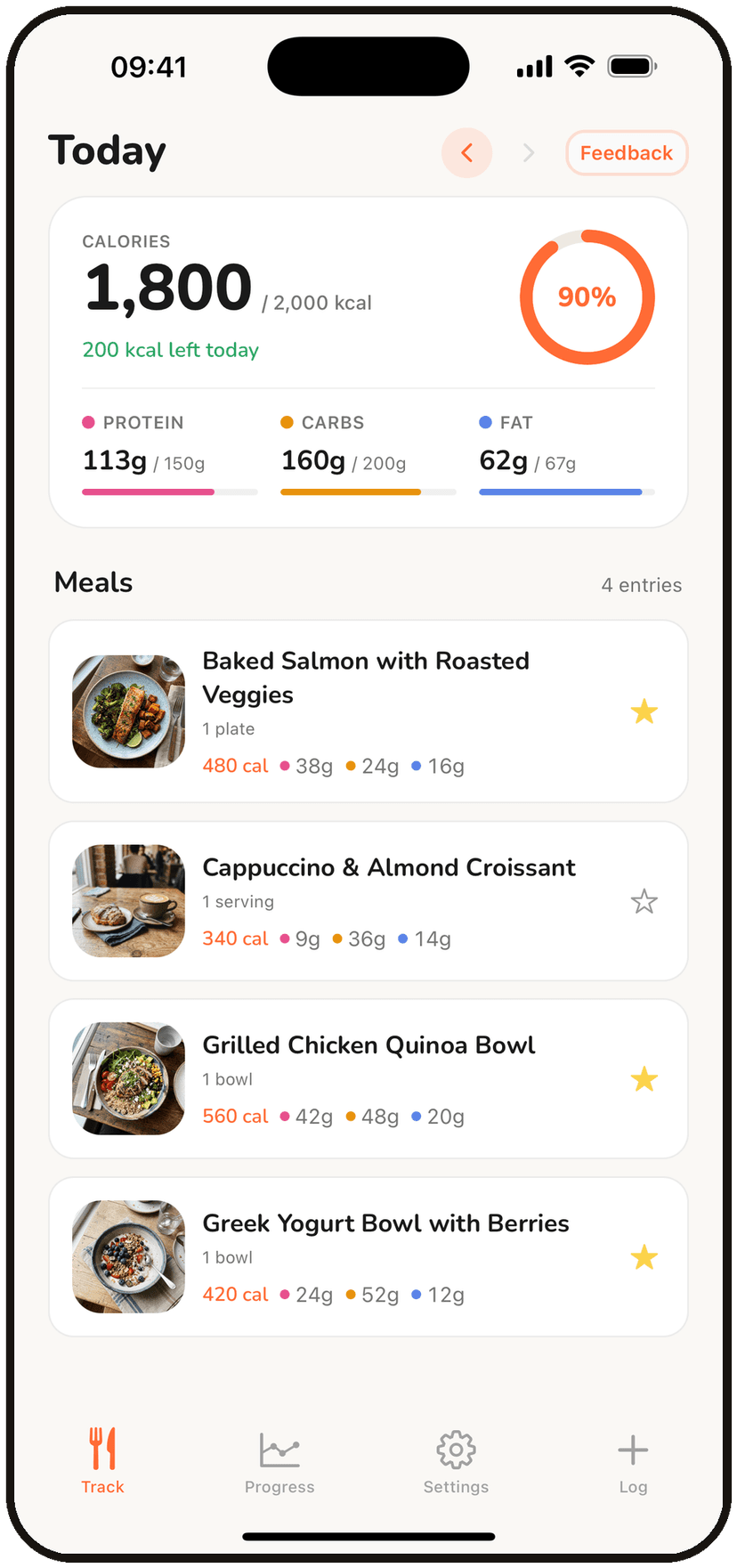
Portion guesses add up fast. BiteKit's AI estimates what's actually on your plate — oils, sides and all — so your log stays close to what you really ate.
- Log meals by photo, voice, or text
- Calories & macros estimated in seconds
- Syncs with Apple Health and Apple Watch
Free download · 3-day free trial, cancel anytime.
Scan with your iPhone camera