AI Recovery Nutrition Advisor
Describe your training load, soreness, and sleep quality to get personalized recovery nutrition with meals, supplement timing, hydration guidance, and a phased recovery timeline.
Mention any areas of pain or concern for targeted nutrition support
Helps calculate more precise protein and supplement dosages
Quick starts:
The Science of Recovery Nutrition
Recovery nutrition is not just about eating after a workout — it is a strategic process that spans hours after training and involves multiple physiological systems. Understanding the science behind recovery helps you make smarter nutrition decisions that translate into faster recovery, less soreness, and better performance in your next session.
- Muscle protein synthesis (MPS): After resistance training, MPS is elevated for 24-48 hours. Consuming adequate protein (0.3-0.5g per kg body weight) every 3-4 hours during this window maximizes muscle repair and growth
- Glycogen replenishment: Muscle glycogen stores are depleted during intense exercise. Consuming carbohydrates at a rate of 1-1.2g per kg body weight per hour in the first 4 hours post-exercise accelerates glycogen resynthesis
- Inflammation management: Exercise causes acute inflammation which is part of the adaptation process. However, excessive inflammation prolongs recovery. Anti-inflammatory nutrients like omega-3s, polyphenols, and antioxidants help manage this balance
- Hormonal recovery: Cortisol rises during intense training and must return to baseline for optimal recovery. Adequate carbohydrate intake helps lower cortisol, while sleep-supporting nutrients enhance growth hormone release overnight
Recovery Supplements: What the Research Shows
While whole foods should form the foundation of your recovery nutrition, certain supplements have strong evidence supporting their role in accelerating recovery. Here are the most research-backed options:
Creatine Monohydrate
Beyond its performance benefits, creatine at 3-5g daily reduces markers of muscle damage and inflammation after intense exercise. It also supports glycogen replenishment and has emerging evidence for brain recovery after sleep deprivation.
Tart Cherry Extract
Rich in anthocyanins and natural melatonin, tart cherry extract reduces delayed-onset muscle soreness (DOMS) by up to 20% and improves sleep quality. Take 480mg extract or 8-12 oz juice twice daily around intense training periods.
Collagen Peptides
Collagen supplementation (15-20g with vitamin C) 30-60 minutes before activity or before bed supports tendon and ligament repair. This is particularly valuable for athletes dealing with joint soreness or connective tissue injuries.
Omega-3 Fish Oil
EPA and DHA at 2-3g combined daily reduce exercise-induced inflammation and muscle soreness. Omega-3s also support cell membrane repair and have been shown to enhance muscle protein synthesis when combined with adequate protein intake.
Sleep: The Ultimate Recovery Tool
Sleep is arguably the single most important recovery factor, yet it is often overlooked in favor of supplements and nutrition timing. During deep sleep, your body releases approximately 75% of its daily growth hormone, which drives muscle repair and protein synthesis.
Sleep-Promoting Nutrients
Magnesium glycinate (300-400mg before bed) supports muscle relaxation and sleep onset. Tryptophan-rich foods (turkey, dairy, nuts) provide precursors for melatonin production. Tart cherry juice is one of the few natural food sources of melatonin, and studies show it can increase sleep time by up to 84 minutes.
Pre-Sleep Nutrition
A small protein-rich snack before bed (such as casein protein or Greek yogurt) provides a slow release of amino acids throughout the night, supporting overnight muscle protein synthesis. Research shows 30-40g of casein before bed can increase overnight MPS by up to 22%.
What to Avoid
Caffeine within 6-8 hours of bedtime, alcohol (disrupts REM sleep and growth hormone release), large high-fat meals within 2 hours of bed, and excessive sugar before sleep can all impair recovery quality even if total sleep duration is adequate.
Recovery Nutrition by Training Type
Different types of training create different recovery demands. Understanding these differences helps you prioritize the right nutrients at the right time.
Strength Training
Prioritize protein for muscle repair (1.6-2.2g per kg daily), moderate carbs for glycogen, and creatine for recovery. Focus on leucine-rich protein sources every 3-4 hours. Recovery typically takes 48-72 hours per muscle group.
Endurance / Cardio
Glycogen replenishment is the top priority. Aim for 1-1.2g carbs per kg per hour in the first 4 hours. Include moderate protein (20-30g) and prioritize electrolyte replacement, especially sodium and potassium.
HIIT / CrossFit
Demands both muscle repair and glycogen replenishment. High protein (30-50g) plus high carbs (50-80g) post-workout. Anti-inflammatory foods are especially important due to the high metabolic stress from intense intervals.
Sport-Specific
Recovery needs vary by sport. Contact sports require more anti-inflammatory support. Sports with repetitive joint stress benefit from collagen supplementation. Ball sports with mixed energy demands need balanced carb and protein recovery.
Frequently Asked Questions
How does the AI Recovery Nutrition Advisor work?
The AI Recovery Nutrition Advisor uses sports nutrition science and AI to create a personalized recovery plan. You enter your training type, intensity, duration, soreness level, and sleep quality. The AI then generates recovery meals with exact macros, a supplement timing plan, hydration guidance, and a phased recovery timeline.
What supplements help with muscle recovery?
Key recovery supplements include whey protein (within 30-60 minutes post-workout), creatine monohydrate (3-5g daily), tart cherry extract (before bed for reducing DOMS), collagen peptides (with vitamin C for connective tissue), omega-3 fish oil (for anti-inflammatory benefits), and magnesium (before bed for muscle relaxation and sleep).
How does sleep quality affect muscle recovery?
Sleep is critical for recovery. During deep sleep, your body releases growth hormone for muscle repair. Poor sleep increases cortisol, impairs glycogen replenishment, and reduces muscle protein synthesis by up to 18%. The AI advisor adjusts recommendations based on your sleep quality, suggesting sleep-promoting nutrients when needed.
What should I eat for muscle recovery after intense training?
After intense training, prioritize protein-rich foods (0.3-0.5g per kg body weight) with carbohydrates to replenish glycogen. Anti-inflammatory foods like salmon, berries, and leafy greens help reduce exercise-induced inflammation. Eat within 30-60 minutes post-workout for optimal recovery.
How much water should I drink after a workout?
Aim to drink 16-24 ounces of water for every pound of body weight lost during exercise. A general guideline is at least 16-20 ounces within the first hour after training. For intense sessions, add electrolytes to replace sodium, potassium, and magnesium lost through sweat. Total daily intake should be 3-4 liters during recovery.
How long does muscle recovery take?
Recovery time depends on training type and intensity. Light cardio needs 24-48 hours. Moderate strength training requires about 48 hours per muscle group. High-intensity sessions (heavy lifting, HIIT, CrossFit) may need 48-72 hours. Proper nutrition, hydration, and sleep can significantly reduce recovery times.
iPhone app · 3-day free trial
You're likely eating 500 calories more than you think
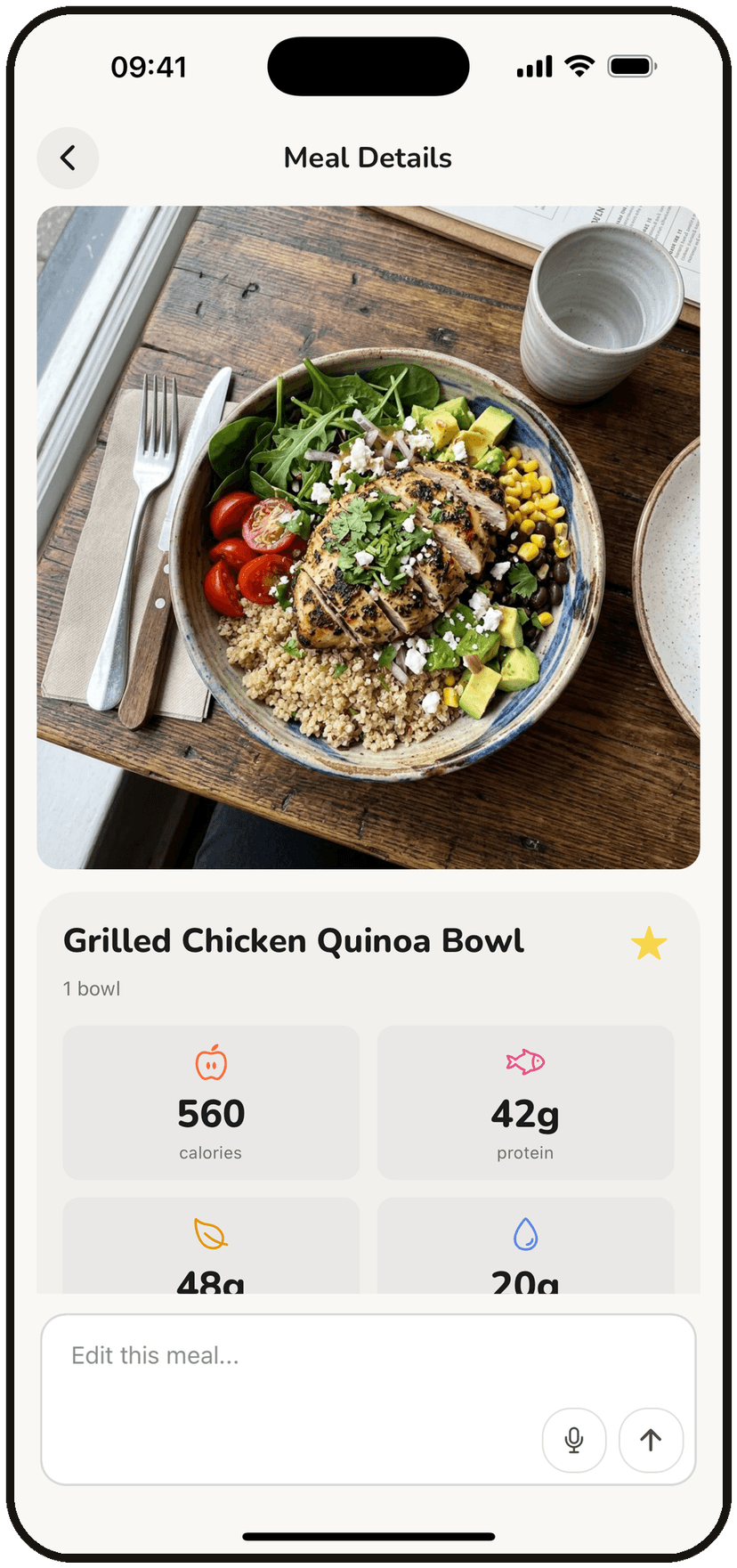
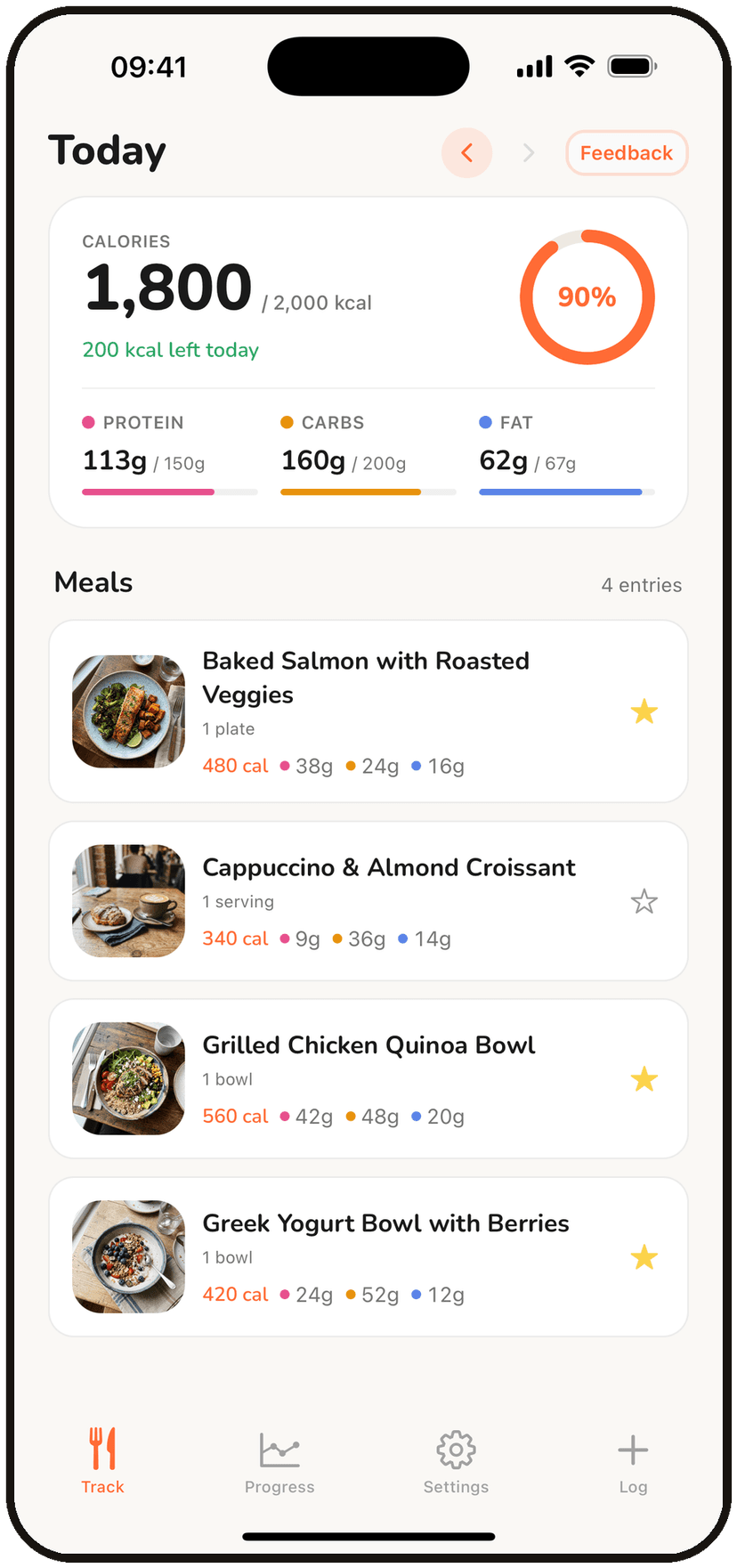
Portion guesses add up fast. BiteKit's AI estimates what's actually on your plate — oils, sides and all — so your log stays close to what you really ate.
- Log meals by photo, voice, or text
- Calories & macros estimated in seconds
- Syncs with Apple Health and Apple Watch
Free download · 3-day free trial, cancel anytime.
Scan with your iPhone camera