AI Refeeding Protocol Planner
Enter your fast duration and body stats to get a structured, phase-by-phase plan for safely breaking your fast — with foods, portions, timing, and safety guidance.
How long have you been fasting?
Why Proper Refeeding Matters After Fasting
During a fast, your body undergoes profound metabolic adaptations. Digestive enzyme production decreases, gut motility slows, the microbiome shifts, and your metabolism pivots from glucose to fat and ketone oxidation. When you break a fast incorrectly — with a large, high-fat, or high-fiber meal — you can experience significant digestive distress at best and, after extended fasts, dangerous electrolyte imbalances at worst.
72h+
Fast duration where refeeding syndrome risk becomes clinically significant
3–5
Days of careful refeeding recommended after a prolonged 5+ day fast
3
Key electrolytes (phosphate, potassium, magnesium) to monitor during refeeding
Refeeding Guidelines by Fast Duration
The appropriate refeeding approach depends heavily on how long you have been fasting. Longer fasts require more gradual, phased reintroduction.
16–23 Hour Fast (Intermittent Fasting)
Your digestive system is largely intact. Avoid breaking your fast with an extremely large meal or foods you do not normally eat. A moderate first meal with protein, vegetables, and complex carbs is appropriate. You can resume normal eating at the next meal.
24–47 Hour Fast (1–2 Day Fast)
Glycogen is depleted and gut motility has slowed. Begin with broth or liquid nourishment, then progress to soft easily digestible foods over 6–12 hours before resuming normal-sized meals. Avoid raw vegetables, fried foods, and large portions for the first meal.
48–71 Hour Fast (2–3 Day Fast)
Significant metabolic adaptations have occurred. Follow a 2–3 phase refeeding protocol over 12–24 hours: start with bone broth and diluted juice, progress to soft cooked foods, then introduce lean proteins and vegetables before returning to normal eating on day 2.
72 Hours to 5 Days (Extended Fast)
Refeeding syndrome risk is meaningful at this duration. A structured 2–3 day refeeding period is essential. The first 24 hours should focus on liquids and very small portions of soft, easily digestible foods. Monitor for signs of electrolyte imbalance including muscle weakness or irregular heartbeat.
5+ Day Prolonged Fast
Refeeding syndrome is a serious, potentially life-threatening risk after a prolonged fast of 5 or more days. Medical supervision during refeeding is strongly recommended. A 3–5 day refeeding protocol starting with small amounts of broth, electrolytes, and very soft foods is required. Do not rush this process.
Foods to Never Break a Fast With
Regardless of fast duration, certain foods are consistently problematic as the first thing you eat after fasting:
Avoid as First Foods
- ✕Raw salads and cruciferous vegetables (cabbage, broccoli, cauliflower)
- ✕Fried, greasy, or high-fat foods
- ✕Beans, lentils, and legumes (high fiber, gas-producing)
- ✕Alcohol (absorbed dangerously fast when fasted)
- ✕Large meals (stomach has contracted)
- ✕Spicy foods and hot sauces
- ✕Ultra-processed foods and refined sugar
- ✕Carbonated beverages
Best First Foods
- ✓Bone broth or vegetable broth (electrolytes)
- ✓Coconut water or diluted fruit juice
- ✓Ripe banana or mashed sweet potato
- ✓Soft-cooked or scrambled eggs
- ✓White rice or plain oatmeal (small portion)
- ✓Well-cooked, soft fish (salmon, tilapia)
- ✓Plain Greek yogurt (if not lactose intolerant)
- ✓Avocado (small portion, easy to digest fat)
Understanding Refeeding Syndrome
Refeeding syndrome is a serious metabolic complication triggered by the rapid reintroduction of carbohydrates after prolonged fasting or malnutrition. Here is why it happens and what to watch for:
The Electrolyte Shift Mechanism
During extended fasting, the body depletes intracellular phosphate, potassium, and magnesium. When carbohydrates are reintroduced, insulin surges rapidly, driving these electrolytes from the bloodstream into cells. This sudden drop in serum phosphate (hypophosphatemia), potassium (hypokalemia), and magnesium (hypomagnesemia) can impair cellular energy production and cardiac function.
Warning Signs of Refeeding Syndrome
- •Sudden muscle weakness or difficulty breathing
- •Irregular or rapid heartbeat (palpitations)
- •Confusion, difficulty concentrating, or seizures
- •Extreme fatigue beyond normal post-fast tiredness
- •Swelling of the hands or feet (fluid retention)
If you experience any of these symptoms, seek immediate medical attention.
Frequently Asked Questions
What is refeeding and why does it matter?
Refeeding is the gradual, structured reintroduction of food after fasting. During a fast, your digestive enzymes decrease, gut motility slows, and electrolyte balances shift. Breaking a fast incorrectly — with a large or inappropriate meal — risks digestive distress and, after extended fasts, refeeding syndrome from rapid electrolyte shifts. A proper protocol ensures safe, comfortable recovery.
What should I eat first after an intermittent fast?
After a 16–23 hour intermittent fast, good first-meal choices include a small serving of bone broth, eggs, Greek yogurt, a banana, or soft-cooked fish. Avoid starting with raw vegetables, fried foods, large portions, or alcohol. After a moderate first meal, you can resume normal eating at your next meal.
How do I safely break a 3-day fast?
Breaking a 72-hour fast requires a structured 2–3 day refeeding protocol. Start with bone broth in the first 1–2 hours. Progress to coconut water and diluted juice, then soft digestible foods like mashed banana, white rice, and soft-cooked eggs. Keep portions very small for the first 24 hours. Monitor for muscle weakness or irregular heartbeat, which can indicate electrolyte imbalance.
What is refeeding syndrome?
Refeeding syndrome is a potentially dangerous metabolic condition triggered by rapidly reintroducing carbohydrates after prolonged fasting. When insulin spikes from carbohydrate intake, phosphate, potassium, and magnesium rapidly shift into cells, dangerously depleting their serum levels. This can cause muscle weakness, cardiac arrhythmias, and in severe cases, cardiac arrest. Risk increases significantly with fasts over 48–72 hours.
Should I eat protein or carbs first after fasting?
After longer fasts (24h+), start with liquids and electrolytes, then introduce small amounts of easily digestible protein before significant carbohydrates. Protein helps stimulate stomach acid and digestive enzyme production gradually. Large carbohydrate loads immediately after extended fasting can cause rapid insulin spikes and contribute to refeeding syndrome risk.
How long should my refeeding period last?
The refeeding period should match the fast duration. After a 16–23 hour fast, resume normal eating at the next meal. After 24–47 hours, allow 6–12 hours. After 48–71 hours, allow 12–24 hours across 2 days. After a 72-hour to 5-day fast, plan 2–3 full refeeding days. After a 5+ day fast, plan 3–5 days and consider medical supervision.
iPhone app · 3-day free trial
You're likely eating 500 calories more than you think
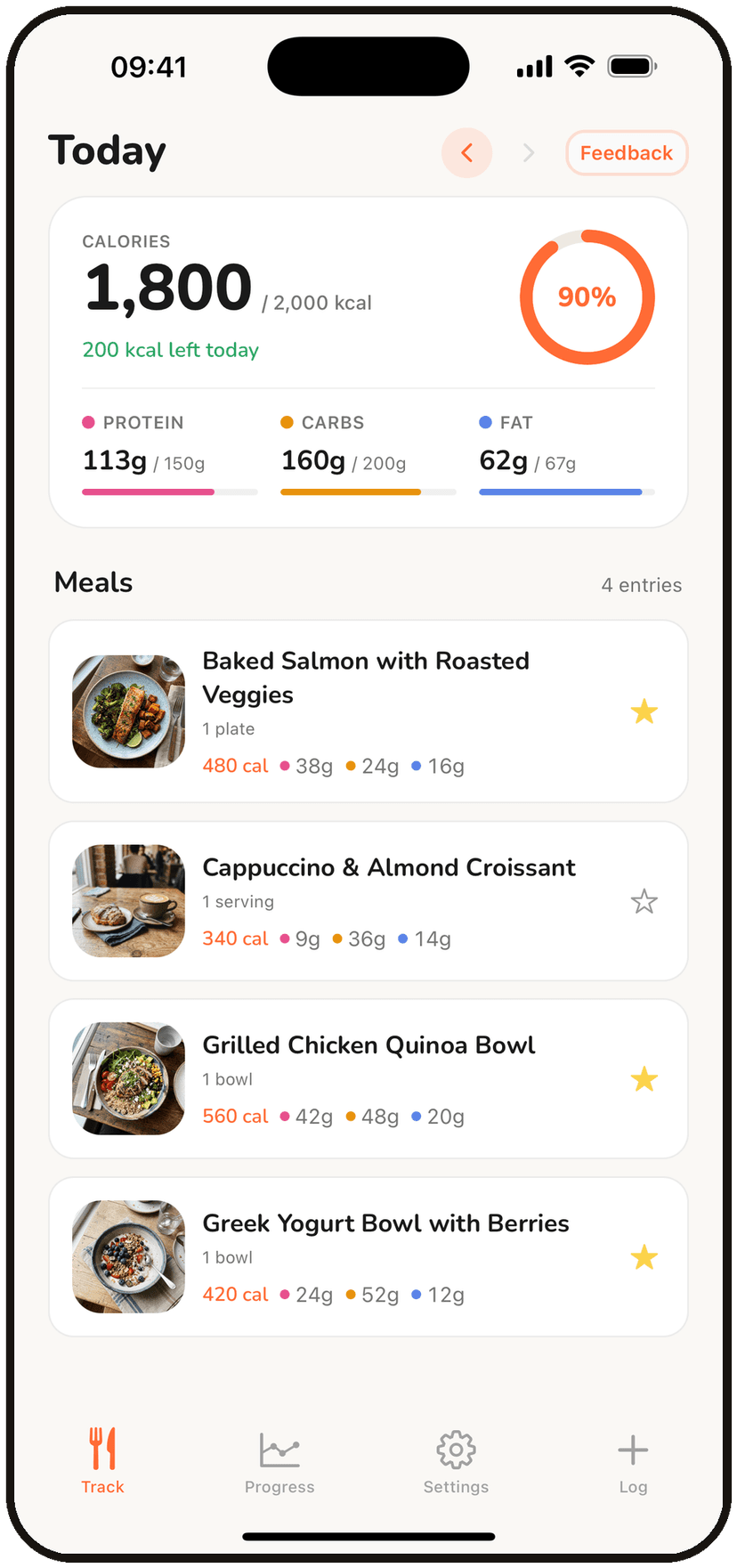
Portion guesses add up fast. BiteKit's AI estimates what's actually on your plate — oils, sides and all — so your log stays close to what you really ate.
- Log meals by photo, voice, or text
- Calories & macros estimated in seconds
- Syncs with Apple Health and Apple Watch
Free download · 3-day free trial, cancel anytime.
Scan with your iPhone camera