AI Meal Plan for Shift Workers
Get a nutrition plan optimized for your shift schedule. Timed meals for night shifts, rotating shifts, or 12-hour shifts with sleep-supporting nutrition and circadian rhythm guidance.
Quick starts:
Why Shift Workers Need Special Nutrition Plans
Shift work affects more than just your sleep schedule. Working outside the traditional 9-to-5 disrupts your circadian rhythm, which governs everything from metabolism and hormone production to digestion and appetite regulation. Without a nutrition plan designed around your shift pattern, shift workers face significantly higher risks of weight gain, metabolic syndrome, and digestive issues.
- Circadian disruption affects metabolism: Research published in PNAS shows that circadian misalignment reduces resting metabolic rate by 8% and impairs glucose tolerance, meaning your body processes food less efficiently during non-standard hours.
- Night shift workers gain more weight: A meta-analysis in Obesity Reviews found that shift workers have a 29% higher risk of becoming overweight or obese compared to day workers, largely due to eating at biologically inappropriate times.
- Meal timing matters more than meal content: Studies in Cell Metabolism demonstrate that when you eat can be as important as what you eat. Eating the same meal at midnight versus noon produces different insulin and glucose responses.
- Digestive issues are common: Up to 75% of night shift workers report gastrointestinal problems. Eating lighter meals during shifts and timing heavier meals during daylight hours can significantly reduce these issues.
Nutrition Strategies by Shift Type
Different shift patterns require different nutritional approaches. Here is what works best for each type:
Night Shift (10PM-6AM)
- Eat your main meal before 8 PM (before shift)
- Light, protein-rich meals during shift
- Avoid carb-heavy foods after midnight
- Sleep-promoting snack by 7-8 AM
- No caffeine after 2 AM
- Keep total night-time calories to 30-40% of daily intake
Rotating Shifts
- Keep meals at consistent relative times
- Shift meal timing gradually over 2-3 days
- Front-load calories before shift start
- Use light exposure and meals to reset rhythm
- Higher protein on rotation days to reduce fatigue
- Pre-prep meals for both shift patterns
Early Morning (4-6AM start)
- Quick, digestible pre-shift meal (banana + PB)
- Larger breakfast/brunch 2-3 hours into shift
- Main meal after shift ends (midday)
- Light evening meal to support early bedtime
- Caffeine OK early, stop by noon
- Prep breakfast the night before
12-Hour Shifts
- Plan 5-6 eating occasions across the shift
- Main meal before shift, lighter meals during
- Eat every 3-4 hours to maintain energy
- Pack all food in advance (no impulsive choices)
- Hydrate aggressively throughout shift
- Recovery meal focused on protein post-shift
The Science of Sleep and Nutrition for Shift Workers
Quality sleep is the biggest challenge for shift workers, and nutrition plays a direct role in how well you sleep during non-standard hours.
Tryptophan and Melatonin
Tryptophan is an amino acid that your body converts into serotonin and then melatonin, the sleep hormone. Foods rich in tryptophan include turkey, chicken, dairy products, eggs, nuts, and seeds. Pairing these with complex carbohydrates helps tryptophan cross the blood-brain barrier more efficiently.
Magnesium for Relaxation
Magnesium activates the parasympathetic nervous system, which calms your body for sleep. Many shift workers are deficient. Good sources include almonds, spinach, dark chocolate, avocados, and pumpkin seeds. Consider a magnesium glycinate supplement (200-400mg) 30-60 minutes before sleep.
Caffeine Half-Life
Caffeine has a half-life of 5-6 hours, meaning half the caffeine from your 2 AM coffee is still in your system at 7-8 AM when you are trying to sleep. The general rule is to stop caffeine intake at least 6 hours before your planned sleep time, ideally during the first half of your shift only.
Meal Size and Sleep Quality
Heavy meals close to bedtime increase core body temperature and activate digestion, both of which interfere with sleep onset. Your last meal before sleep should be light (200-400 calories), eaten 1-2 hours before bed, and focused on easily digestible proteins and complex carbs rather than fats or fiber.
Meal Prep Strategies for Shift Workers
Meal preparation is arguably more important for shift workers than for anyone else. When you are exhausted after a 12-hour shift, you will not cook from scratch. When the cafeteria is closed at 3 AM, your options are a vending machine or whatever you brought from home. Meal prepping on your days off sets you up for success.
- Batch cook proteins on days off: Grill chicken breasts, cook ground turkey, and hard-boil eggs in bulk. These keep 4-5 days refrigerated and form the base of quick meals.
- Pre-portion snack packs: Divide nuts, trail mix, protein bars, and cut vegetables into individual shift-day portions. Grab a pack on your way out the door.
- Label containers by shift day and meal: Mark each container with the day and meal timing (e.g., "Tuesday - Mid-Shift Meal"). This removes decision-making when you are tired.
- Invest in quality containers: A good insulated lunch bag, ice packs, and leak-proof containers are essential. If no refrigeration is available at work, an insulated bag with frozen ice packs keeps food safe for 8-12 hours.
- Cook once, eat multiple ways: A batch of grilled chicken can become a salad topping, wrap filling, rice bowl protein, or soup addition throughout the week.
Common Nutrition Mistakes Shift Workers Make
Avoiding these common pitfalls can significantly improve your energy, sleep quality, and long-term health as a shift worker:
Eating One Large Meal
Many shift workers skip meals during shifts then eat a huge meal after. This spikes blood sugar, impairs sleep, and promotes fat storage. Smaller, frequent meals are better.
Relying on Caffeine and Sugar
Energy drinks and candy provide a temporary boost followed by a crash. Protein-rich snacks and strategic caffeine use (first half of shift only) provide steadier energy.
Eating Fast Food on Breaks
Fast food is the default when nothing is packed. It is high in sodium, fat, and simple carbs which cause drowsiness and bloating during shifts. Pre-packed meals prevent this entirely.
Ignoring Off-Day Nutrition
Some shift workers eat well on work days but poorly on off days. Consistent nutrition on both shift and non-shift days helps stabilize your circadian rhythm and metabolism.
Frequently Asked Questions
How does the AI Shift Worker Meal Planner work?
The planner uses AI with real nutrition data to create a complete meal plan aligned to your specific shift hours. It generates timed meals with exact clock times, macro breakdowns, portability ratings, and explanations for why each meal is timed where it is. It also includes on-shift snacking strategies, sleep nutrition, circadian rhythm tips, and meal prep guidance.
What should I eat on a night shift?
Eat your largest meal before the shift starts, focusing on lean protein and complex carbs. During the shift, stick to smaller, protein-rich meals and snacks every 3-4 hours. Minimize simple carbs and sugar after midnight. Before sleeping, have a light meal with tryptophan-rich foods (turkey, dairy, nuts) paired with complex carbs to promote sleep quality.
When should I eat if I work rotating shifts?
For rotating shifts, eat your main meal 1-2 hours before each shift starts, light meals during the shift, and a sleep-promoting snack before bed. When rotating between day and night shifts, gradually shift your meal times over 2-3 days. Consistent relative timing helps your body adapt.
Can shift workers lose weight?
Absolutely. While shift work increases the risk of weight gain, structured meal timing and planning can counteract this. The key is maintaining a moderate calorie deficit, prioritizing protein, meal prepping to avoid impulse eating, and keeping meal timing as consistent as possible across both shift and off days.
What foods help me sleep after a night shift?
Tryptophan-rich foods like turkey, cottage cheese, bananas, and nuts promote sleep. Pair these with complex carbs (whole grain toast, oatmeal) to help tryptophan reach the brain. Tart cherry juice provides natural melatonin. Avoid caffeine for at least 6 hours before sleep and skip heavy, spicy, or high-fat meals within 2 hours of bedtime.
How do I meal prep for shift work?
Dedicate 2-3 hours on your days off to batch cooking proteins, preparing grab-and-go snack packs, and portioning meals into labeled containers. An insulated lunch bag with ice packs keeps food safe for 8-12 hours when no fridge is available. Label each container with the day and meal slot to eliminate decision-making when tired.
iPhone app · 3-day free trial
You're likely eating 500 calories more than you think
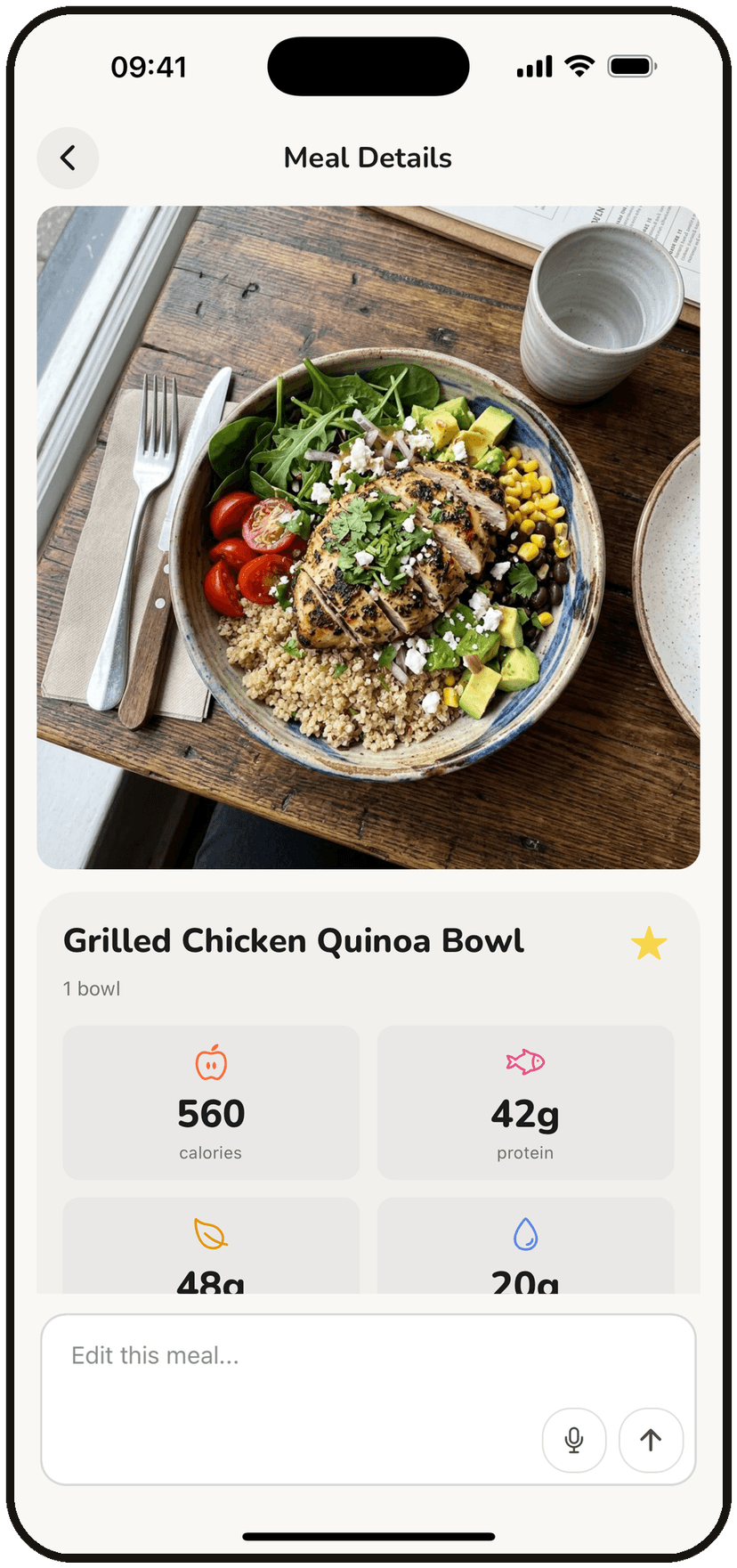
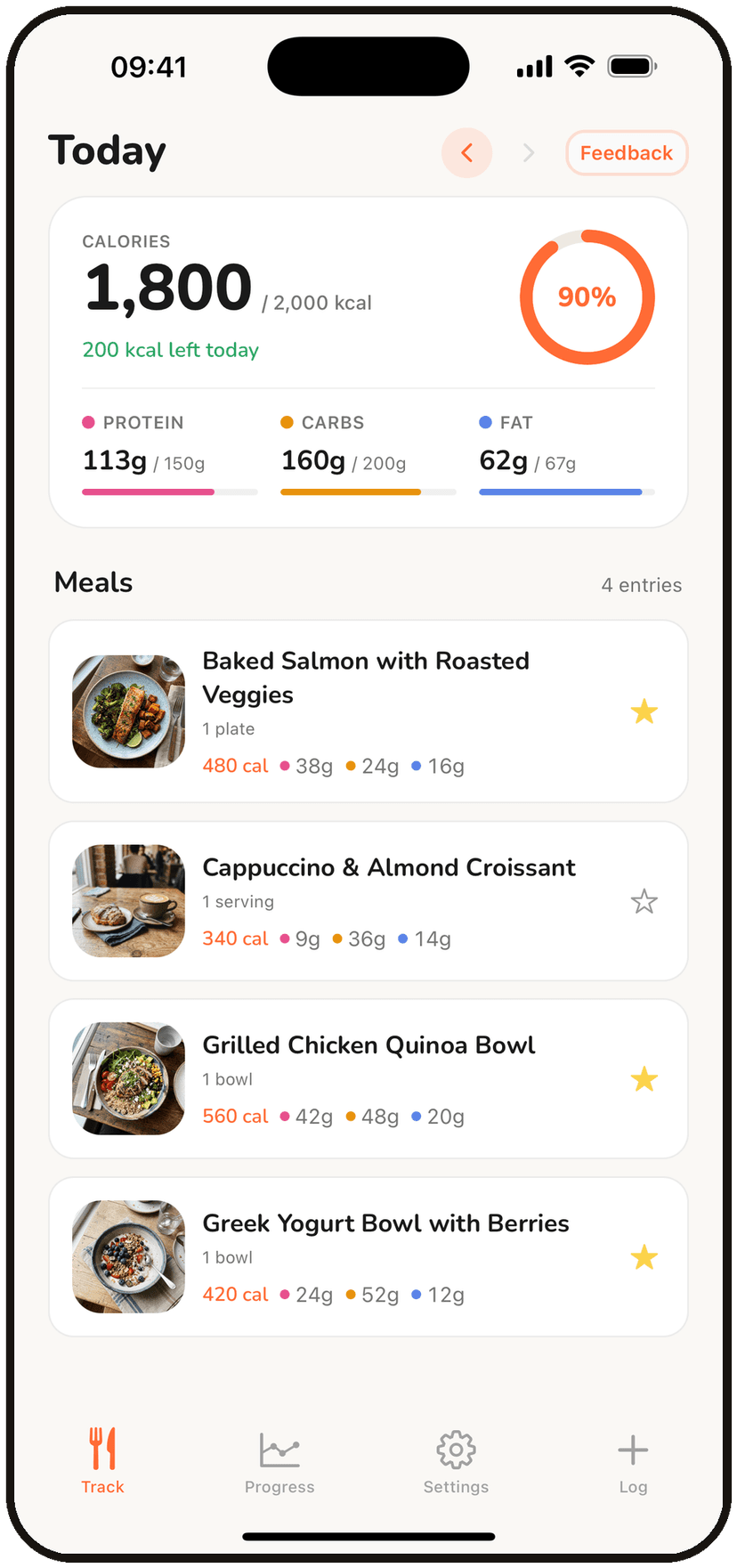
Portion guesses add up fast. BiteKit's AI estimates what's actually on your plate — oils, sides and all — so your log stays close to what you really ate.
- Log meals by photo, voice, or text
- Calories & macros estimated in seconds
- Syncs with Apple Health and Apple Watch
Free download · 3-day free trial, cancel anytime.
Scan with your iPhone camera