AI Triathlon Nutrition Planner
Generate a complete race-day nutrition strategy across swim, bike, and run legs with carb loading, transition fueling, and post-race recovery.
Helps calculate carb-loading targets and hourly fueling needs
Quick starts:
Why Triathlon Nutrition Matters
Triathlon is one of the most nutritionally demanding sports in the world. Unlike single-sport endurance events, triathletes must fuel across three different disciplines with two transitions, each presenting unique challenges for the digestive system and energy delivery.
- Glycogen depletion: Long-distance triathlons can burn through 5,000-10,000+ calories. Without consistent fueling, you will hit the wall and your performance will plummet
- GI distress risk: The transition from cycling to running is notorious for causing stomach issues. A well-planned nutrition strategy minimizes this risk
- Hydration complexity: You cannot drink during the swim, the bike is your best opportunity to hydrate, and the run makes absorption harder. Timing is everything
- Mental clarity: Proper fueling maintains blood sugar and brain function, helping you make better pacing and tactical decisions throughout the race
Fueling by Discipline: Swim, Bike, Run
Each leg of a triathlon presents different nutritional demands. Understanding these differences is key to building an effective race-day plan.
Swim Leg
You cannot eat or drink during the swim, so pre-race nutrition is critical. The swim depletes glycogen at a moderate rate and burns fewer calories per hour than cycling or running. Focus on arriving at the swim start well-hydrated and well-fueled from your pre-race meal. A small sip of sports drink just before entering the water can help maintain blood sugar.
Bike Leg
The bike is where the bulk of your race nutrition happens. Your stomach tolerates food best while cycling because your body is in a relatively stable position. This is the time to load up on calories and carbs for the run ahead. For longer races, aim for 60-90 grams of carbs per hour using a mix of glucose and fructose sources. Eat and drink on a schedule rather than waiting until you feel hungry or thirsty.
Run Leg
The run is the most challenging leg for nutrition. The impact of running makes digestion harder, and GI issues are most common here. Switch to smaller, more frequent doses of easily digestible nutrition like gels, chews, and flat cola. Reduce carb intake to 40-60 grams per hour and take advantage of aid stations for both fluids and solid nutrition. Walking through aid stations to drink reduces the risk of choking and improves absorption.
Transition Nutrition Strategies
Transitions are often overlooked in nutrition planning, but they offer critical windows to top off your fueling without losing significant time.
T1: Swim to Bike
After the swim, your body has been without nutrition for the entire swim duration. Take a quick sip of sports drink as you set up on the bike. Some athletes keep a pre-opened gel taped to their handlebars for the first few minutes of riding. Do not try to eat too much too quickly — ease into your bike nutrition plan.
T2: Bike to Run
The bike-to-run transition is the most critical nutritional moment. Take your last bike nutrition 10-15 minutes before dismounting. In T2, a quick gel with water or a few sips of sports drink can bridge the gap. Avoid anything heavy — your stomach needs time to adapt from cycling to running position.
Race Day Nutrition Strategies
Beyond the specific fueling plan, these strategies can make the difference between a successful race and a nutritional disaster.
Nothing New on Race Day
The golden rule of race nutrition: practice everything in training first. Every gel, drink, and bar should be tested during long training sessions before you rely on it in a race.
Eat Before You're Hungry
By the time you feel hungry during a race, you are already behind on fueling. Set a timer or use distance markers to remind yourself to eat and drink on schedule.
Adjust for Weather
Hot conditions increase fluid and sodium needs by 25-50%. Cold weather still requires hydration, though you may feel less thirsty. Always check the forecast and adjust your plan accordingly.
Have a Backup Plan
Carry more nutrition than you think you need. If your primary fuel does not sit well on race day, have alternatives ready. Know what the course aid stations offer and be prepared to use them.
Frequently Asked Questions
How does the AI Triathlon Nutrition Planner work?
The AI Triathlon Nutrition Planner uses endurance sports nutrition science and AI to create a comprehensive race-day fueling strategy. You select your race distance, weather conditions, and dietary preferences, and the AI generates a plan covering carb loading, pre-race meals, per-leg nutrition, transition fueling, and post-race recovery.
How many carbs per hour do I need during a triathlon?
Carb needs depend on race distance. For sprint triathlons, minimal in-race fueling is needed. For Olympic distance, aim for 30-60g carbs per hour on the bike. For Half Ironman, target 60-80g per hour on the bike and 40-60g on the run. For Full Ironman, aim for 60-90g per hour on the bike and 40-60g per hour on the run.
What should I eat during triathlon transitions?
Keep transition nutrition quick and simple. In T1 (swim to bike), take a few sips of sports drink or a quick gel. In T2 (bike to run), a small gel or energy chews with water can help maintain energy. Avoid anything heavy that could cause stomach issues during the run.
How do I carb load before a triathlon?
For Half Ironman and Full Ironman distances, carb load 2-3 days before the race by consuming 8-12g of carbs per kilogram of body weight daily. Focus on easily digestible sources like rice, pasta, bread, and potatoes. Reduce fiber and fat intake. For sprint and Olympic distances, a high-carb dinner and solid pre-race meal are usually sufficient.
How much should I drink during a triathlon?
Aim for 500-1000ml of fluid per hour during the bike and run, depending on weather and sweat rate. In hot conditions, increase fluid intake and add extra sodium (300-600mg per hour or more). Pre-hydrate well before the swim. The bike is your best opportunity to hydrate aggressively.
What should I eat the morning before a triathlon?
Eat your pre-race meal 2-4 hours before the start, aiming for 1-4g of carbs per kilogram of body weight. Choose familiar, easily digestible foods like oatmeal with banana, white toast with honey, or a bagel with jam. Avoid high-fiber, high-fat, and high-protein foods. Always stick to foods you've practiced with in training.
iPhone app · 3-day free trial
You're likely eating 500 calories more than you think
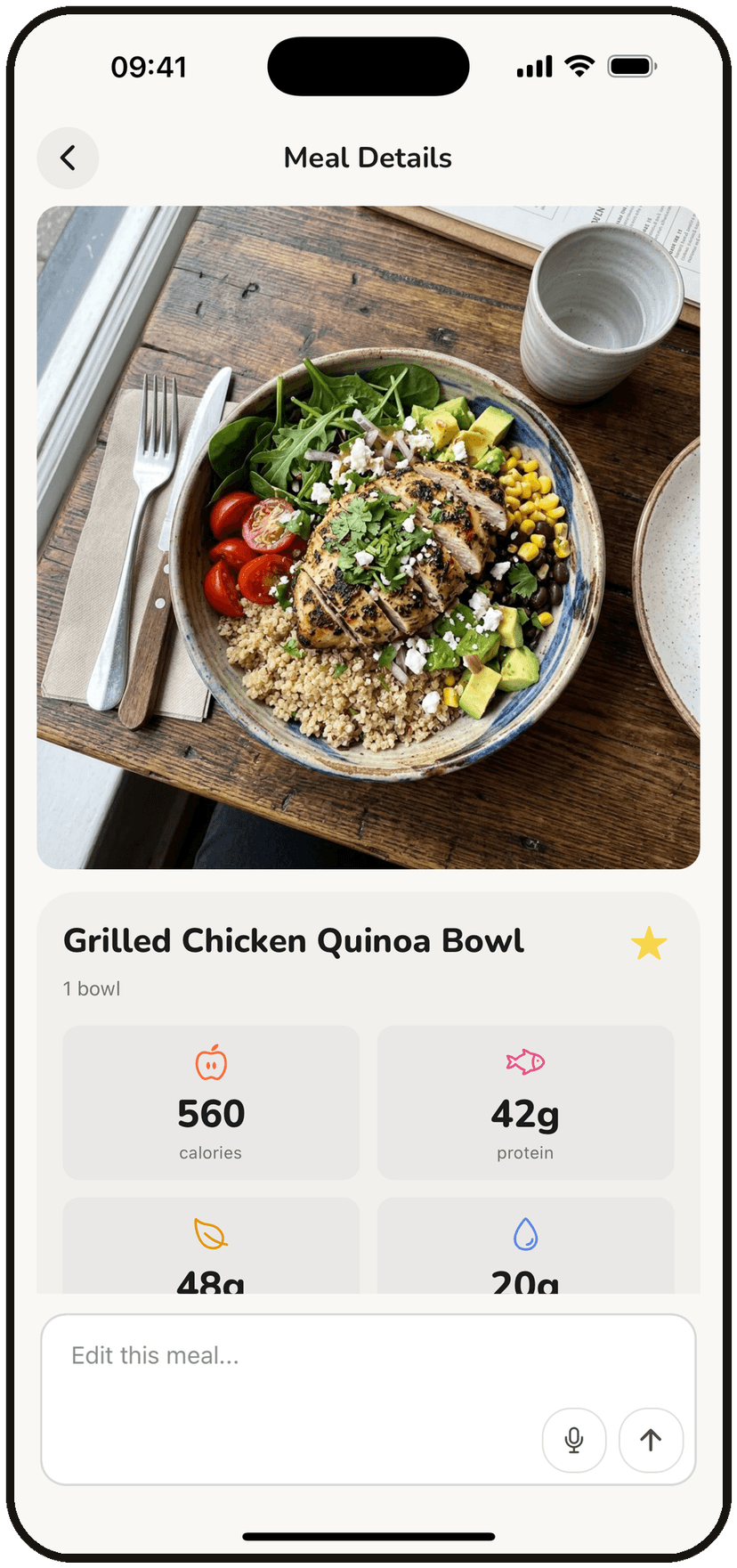
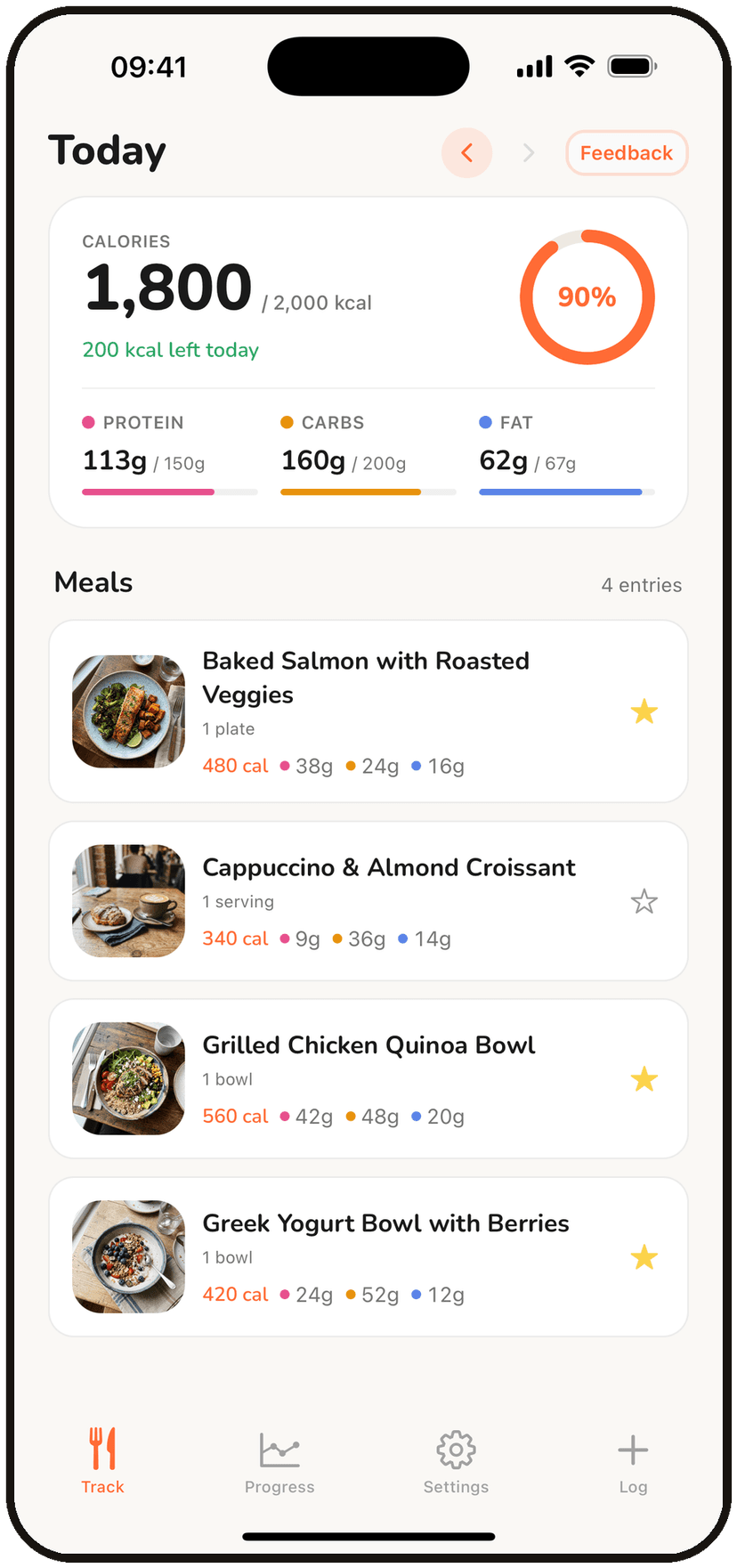
Portion guesses add up fast. BiteKit's AI estimates what's actually on your plate — oils, sides and all — so your log stays close to what you really ate.
- Log meals by photo, voice, or text
- Calories & macros estimated in seconds
- Syncs with Apple Health and Apple Watch
Free download · 3-day free trial, cancel anytime.
Scan with your iPhone camera