AI Workout Nutrition Advisor
Describe your training session and get a complete fueling strategy with pre-workout, intra-workout, and post-workout nutrition plans tailored to your goals.
0/1000 characters
Helps calculate more precise protein and calorie recommendations
Quick starts:
Why Workout Nutrition Timing Matters
Nutrient timing — strategically eating around your workouts — can have a meaningful impact on performance, recovery, and body composition. While total daily intake is the most important factor, optimizing what you eat before, during, and after training helps you get more out of every session.
- Pre-workout fuel: Eating the right foods before training provides the energy substrates your muscles need to perform at their best. Carbohydrates top off glycogen stores, while protein provides amino acids to reduce muscle breakdown during exercise
- Intra-workout sustenance: During longer or more intense sessions, consuming carbohydrates and electrolytes prevents premature fatigue and maintains training quality in later sets or miles
- Post-workout recovery: After training, your muscles are primed to absorb nutrients. Providing protein stimulates muscle protein synthesis, while carbohydrates replenish depleted glycogen stores
- Hydration throughout: Even mild dehydration (as little as 2% body weight loss) impairs strength, power, and endurance performance. Strategic hydration before, during, and after exercise is critical
Pre-Workout Nutrition: Fueling for Performance
What you eat before training directly affects your energy levels, focus, and workout quality. The goal is to provide enough fuel without causing digestive discomfort during exercise.
Full Meal (60-90 min before)
A balanced meal with complex carbohydrates, lean protein, and minimal fat. This gives your body time to digest and convert food into usable energy. Examples include oatmeal with protein powder, chicken with rice, or a turkey sandwich.
Light Snack (30 min before)
If you are short on time, a smaller, easily digestible snack works well. Focus on simple carbs with a small amount of protein. Examples include a banana with a handful of almonds, rice cakes with honey, or a small smoothie.
Key pre-workout nutrition principles: keep fiber and fat low to speed digestion, prioritize carbohydrates for energy, include moderate protein, and drink 16-20 ounces of water 2-3 hours before exercise with another 8 ounces 15-30 minutes before starting.
Intra-Workout Nutrition: When and Why
Not every workout requires eating during the session. The need for intra-workout nutrition depends primarily on duration and intensity. Here is a practical guide:
Under 60 Minutes
Water is typically sufficient. Your body has enough stored glycogen to fuel most workouts under an hour. Sip water regularly throughout — aim for 7-10 ounces every 10-20 minutes.
60-90 Minutes
Consider adding electrolytes to your water, especially if sweating heavily. For high-intensity sessions in this range, 15-30 grams of fast-acting carbohydrates (like a sports drink or energy gel) can help maintain performance in the final portion of your workout.
90+ Minutes
Intra-workout nutrition becomes important. Aim for 30-60 grams of carbohydrates per hour from easily digestible sources like sports drinks, gels, or dried fruit. Include electrolytes (sodium, potassium, magnesium) to replace what is lost through sweat. Some athletes benefit from EAAs (essential amino acids) during extended sessions.
Post-Workout Nutrition by Fitness Goal
Your fitness goal should influence your post-workout meal composition. While the fundamentals remain the same (protein plus carbs), the proportions and total calories shift based on what you are trying to achieve.
Muscle Building
Prioritize high protein (30-50g) with ample carbohydrates to create an insulin spike that drives amino acids into muscle cells. Total calories should support a caloric surplus. Include fast-digesting protein like whey alongside complex and simple carbs.
Fat Loss
Keep protein high (30-40g) to preserve muscle mass during a deficit, but moderate carbs and total calories. Your post-workout meal is the best time to include carbs even during a cut, as your muscles are most insulin sensitive after training.
Endurance
Carbohydrate replenishment is the top priority. Aim for a 3:1 or 4:1 carb-to-protein ratio with sufficient calories to replace what was burned. Glycogen resynthesis is fastest within the first 2 hours after prolonged exercise.
Recomposition
High protein is essential (35-50g) with moderate carbs timed around your workout. Recomposition requires precise calorie management — your post-workout meal should be your highest-carb meal of the day to fuel recovery and muscle growth without excess fat gain.
Hydration: The Overlooked Performance Factor
Hydration has a larger impact on workout performance than most people realize. A loss of just 2% of body weight through sweat can reduce strength by up to 20% and endurance capacity by even more. Here is how to stay properly hydrated around your training:
Before Training
Drink 16-20 ounces of water 2-3 hours before exercise, then another 8 ounces 15-30 minutes before starting. Check urine color — pale yellow indicates adequate hydration.
During Training
Sip 7-10 ounces every 10-20 minutes. For sessions over 60 minutes or in hot conditions, add electrolytes (especially sodium at 300-600mg per hour) to replace what is lost through sweat.
After Training
Drink 16-24 ounces of water for every pound of body weight lost during exercise. Include sodium in your post-workout meal or drink to help retain fluids and complete rehydration.
Frequently Asked Questions
How does the AI Workout Nutrition Advisor work?
The AI Workout Nutrition Advisor uses sports nutrition science and AI to create a complete fueling strategy. You describe your workout, select duration and intensity, and the AI generates personalized pre-workout, intra-workout, and post-workout meal plans with exact macros, timing, hydration, and supplement recommendations.
What should I eat before a workout?
Before a workout, eat a meal rich in easily digestible carbohydrates with moderate protein and low fat, ideally 60-90 minutes before training. For a lighter option, a small snack 30 minutes before works well. The goal is to provide energy without causing digestive discomfort during exercise.
Do I need to eat during my workout?
For workouts under 60 minutes, water is usually sufficient. For sessions lasting 60-90 minutes, consider electrolytes and small amounts of fast-digesting carbs. For workouts over 90 minutes, aim for 30-60 grams of carbs per hour along with electrolytes.
What is the best post-workout meal timing?
Research suggests eating within 30-60 minutes after exercise for optimal recovery. If you trained fasted or had your last meal more than 4 hours before training, eating sooner is more important. A post-workout meal should prioritize protein and carbohydrates with moderate fat.
How does workout type affect nutrition needs?
Strength training prioritizes higher protein intake with moderate carbs. Endurance exercise requires significantly more carbohydrates for glycogen replenishment. HIIT demands both high carbs and high protein. The AI advisor customizes all recommendations based on your specific training.
Can I use this tool with dietary restrictions?
Yes, the tool supports Vegan, Vegetarian, Dairy-Free, Gluten-Free, and Low-Carb dietary restrictions. The AI strictly avoids incompatible ingredients and uses appropriate alternatives while still meeting your workout nutrition needs.
iPhone app · 3-day free trial
You're likely eating 500 calories more than you think
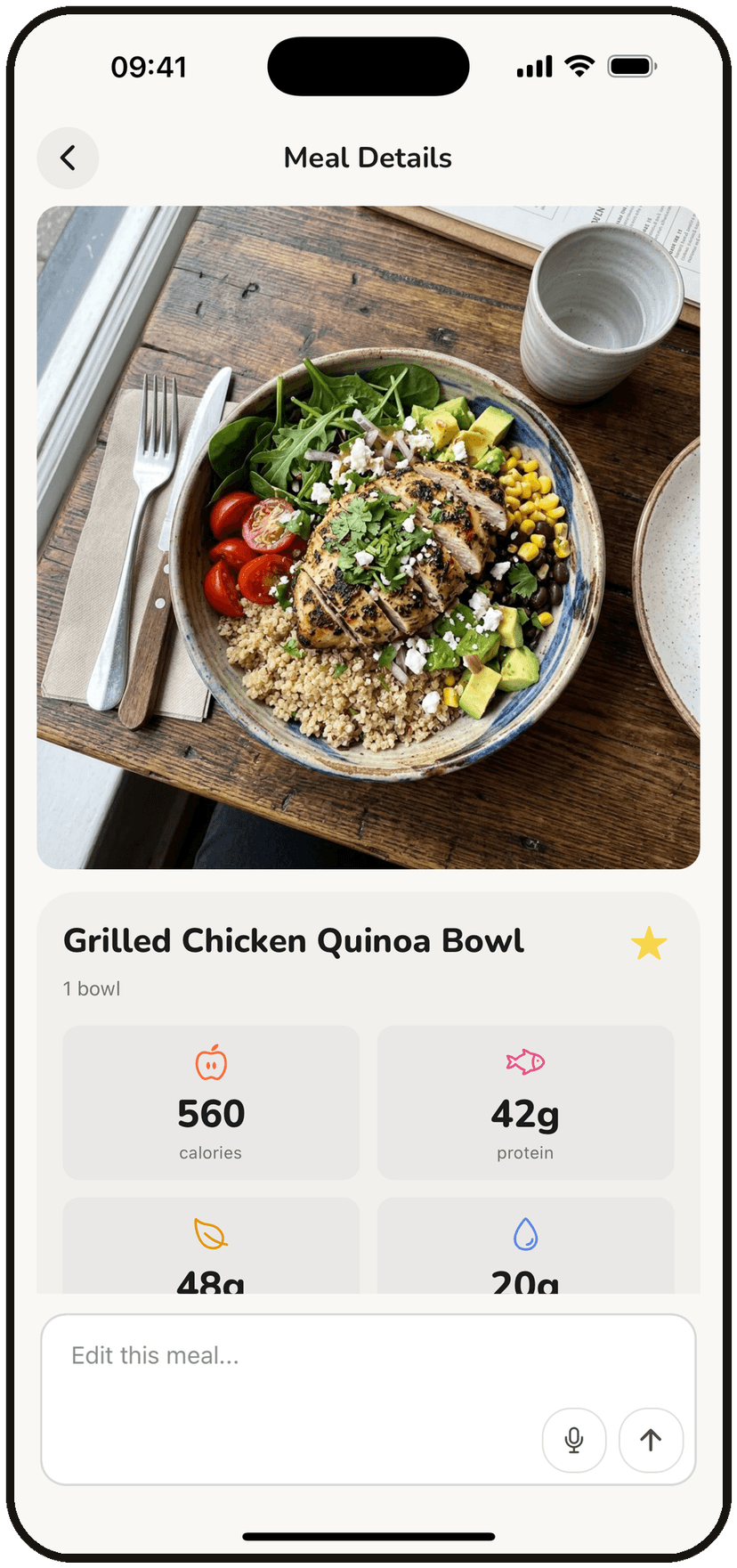
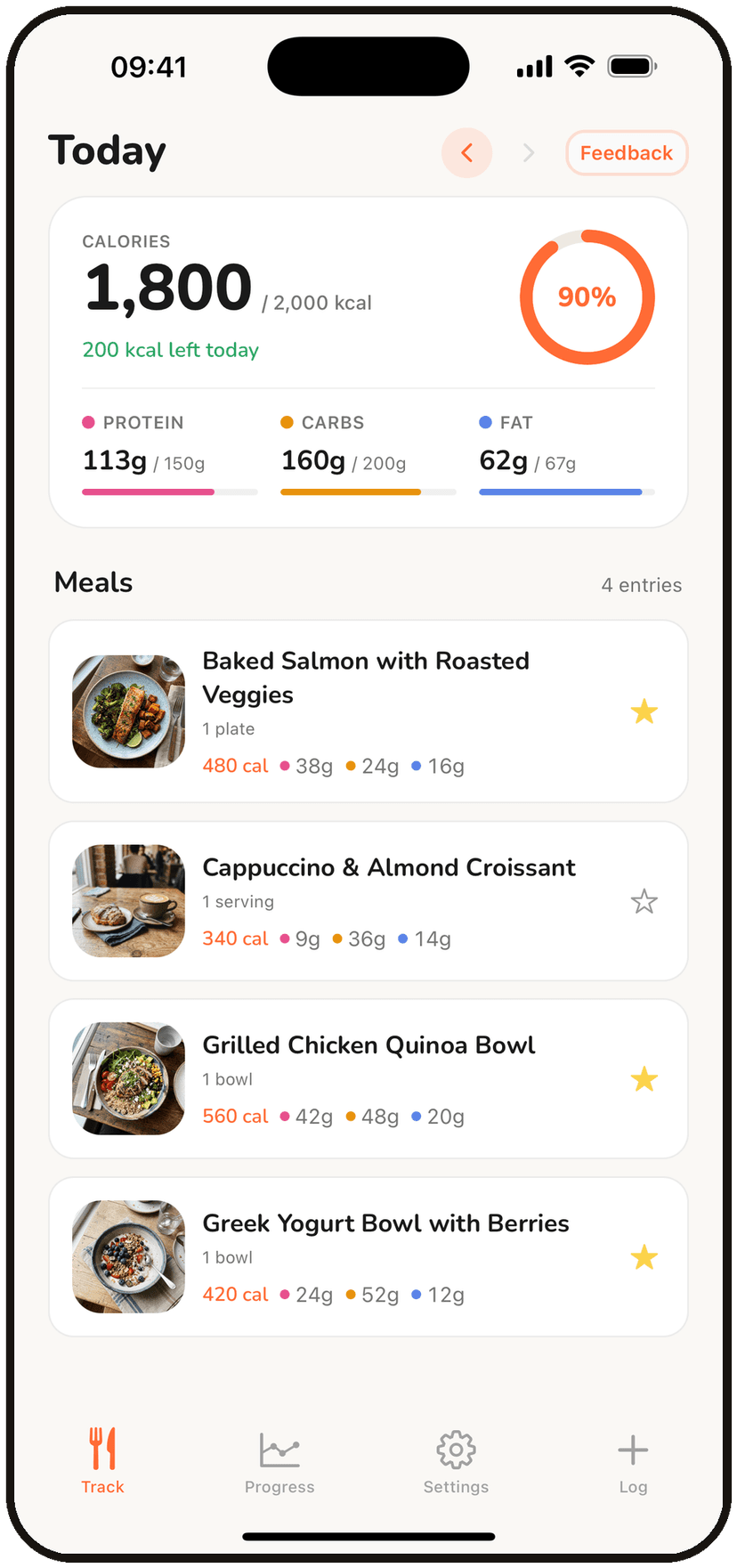
Portion guesses add up fast. BiteKit's AI estimates what's actually on your plate — oils, sides and all — so your log stays close to what you really ate.
- Log meals by photo, voice, or text
- Calories & macros estimated in seconds
- Syncs with Apple Health and Apple Watch
Free download · 3-day free trial, cancel anytime.
Scan with your iPhone camera