Alcohol Calorie Calculator
Calculate total calories, carbs, and sugar from any alcoholic drink by type, size, and mixer. See how your weekly drinking habits add up with our impact analysis.
Enter exact volume in milliliters
How are alcohol calories calculated?
Pure alcohol contains 7 calories per gram (nearly as calorie-dense as fat at 9 cal/g). The formula multiplies volume by ABV%, then by 0.789 (alcohol density) and 7 to get alcohol calories. Carb calories from residual sugars and mixers are added on top.
How Alcohol Affects Your Weight
Alcohol is often called "empty calories" because it provides energy (7 calories per gram) with virtually no nutritional value — no protein, no essential fats, no vitamins worth mentioning. But the impact goes beyond just extra calories.
Fat Burning Stops
Your body treats alcohol as a toxin and prioritizes metabolizing it over everything else. While processing alcohol, fat burning is essentially paused. This can last for hours after your last drink.
Increased Appetite
Alcohol lowers inhibitions and stimulates appetite. Research shows people consume significantly more food when drinking. Late-night snacking after a night out can easily double your total calorie intake for the evening.
Disrupted Sleep
Even moderate alcohol consumption reduces sleep quality. Poor sleep elevates ghrelin (the hunger hormone) and reduces leptin (the satiety hormone), making you hungrier the next day and more likely to reach for high-calorie comfort food.
Muscle Recovery Suffers
Alcohol impairs muscle protein synthesis and can reduce testosterone levels. If you strength train, drinking after workouts can diminish the muscle-building benefits of your training session.
Calories in Common Alcoholic Drinks
Here is a quick reference for approximate calories in popular alcoholic drinks at their standard serving sizes:
| Drink | Serving | Calories |
|---|---|---|
| Light Beer | 12 oz (355 ml) | ~103 |
| Regular Beer | 12 oz (355 ml) | ~153 |
| IPA / Craft Beer | 12 oz (355 ml) | ~210 |
| Red Wine | 5 oz (148 ml) | ~125 |
| White Wine | 5 oz (148 ml) | ~121 |
| Champagne | 5 oz (148 ml) | ~105 |
| Vodka / Gin / Whiskey | 1.5 oz (44 ml) | ~97 |
| Margarita | 8 oz (237 ml) | ~270 |
| Pina Colada | 8 oz (237 ml) | ~490 |
| Long Island Iced Tea | 8 oz (237 ml) | ~360 |
Note: Actual calorie counts vary by brand and preparation. These values are averages based on standard recipes and USDA data. Use the calculator above for precise calculations with your specific drink and serving size.
Tips for Reducing Calories from Alcohol
You do not need to give up drinking entirely to stay on track with your fitness goals. Here are evidence-based strategies to enjoy alcohol with fewer calories:
Choose Spirits with Zero-Calorie Mixers
A vodka soda or gin and soda water is around 97 calories — far less than a cocktail with juice or syrup. Add a squeeze of lime or lemon for flavor without the sugar. This simple swap can save you 100-300 calories per drink compared to sweet cocktails.
Opt for Light Beer or Dry Wine
Light beers typically have 100 calories or fewer per bottle, saving you 50-100 calories versus regular beers. Dry wines (red or white) are lower in residual sugar and average about 120 calories per glass compared to sweet wines at 160+ calories.
Alternate with Water
Have a glass of water or sparkling water between each alcoholic drink. This cuts your total drinks (and calories) in half, keeps you hydrated, and helps you pace yourself. You will likely feel better the next morning, too.
Avoid Sugary Cocktails
Frozen margaritas, pina coladas, and daiquiris can contain 300-500 calories each, with much of that from added sugar. If you like cocktails, ask for "skinny" versions made with fresh ingredients instead of pre-made mixes.
Set a Drink Limit Before Going Out
Decide on a maximum number of drinks ahead of time. Two light beers is about 200 calories; five craft beers is about 1,050 calories. Knowing your limit helps you budget calories and avoid the appetite-stimulating effects of excess alcohol.
Account for Alcohol in Your Daily Calories
If you know you will be drinking, plan your meals accordingly. Reduce carb and fat intake earlier in the day to leave room for drink calories. Prioritize protein-rich meals to protect muscle while keeping total calories in check. Use our Calorie Calculator to find your daily budget.
The Math Behind Alcohol Calories
Understanding the formula helps you estimate calories for any drink, even without a calculator:
Step 1: Find the Pure Alcohol Content
Alcohol volume (ml) = Drink volume (ml) × ABV% / 100
Example: 355 ml beer × 5% = 17.75 ml of pure alcohol
Step 2: Convert to Grams
Alcohol grams = Alcohol volume (ml) × 0.789 (density of ethanol)
Example: 17.75 ml × 0.789 = 14.0 grams of alcohol
Step 3: Calculate Alcohol Calories
Alcohol calories = Alcohol grams × 7 (calories per gram of alcohol)
Example: 14.0 g × 7 = 98 calories from alcohol alone
Step 4: Add Carbs, Sugar, and Mixer Calories
Total calories = Alcohol calories + (Carb grams × 4) + Mixer calories
Example: 98 + (13g carbs × 4) = 98 + 52 = 150 total calories for a regular beer
Frequently Asked Questions
How many calories are in alcohol?
Pure alcohol (ethanol) contains 7 calories per gram, making it nearly as calorie-dense as fat (9 cal/g) and almost double the calorie density of carbs or protein (4 cal/g each). A standard drink with 14 grams of alcohol has about 98 calories from the alcohol alone, before any carbs, sugar, or mixer calories are added.
Which alcoholic drinks have the most calories?
Sweet cocktails like Pina Coladas (300-500 cal), Margaritas (250-400 cal), and Long Island Iced Teas (250-350 cal) top the list due to multiple spirits and sugary mixers. IPAs and craft beers can reach 200-350 calories per pint. The lowest calorie options are light beers (~100 cal), dry wines (~120 cal per glass), and neat spirits (~97 cal per shot).
What is the lowest calorie alcoholic drink?
Spirits served neat or with zero-calorie mixers like soda water are the lowest calorie option. A 1.5 oz shot of vodka, gin, whiskey, rum, or tequila has about 97 calories with zero carbs and zero sugar. Light beer (~100 cal per bottle) and dry champagne (~85 cal per 4 oz) are also excellent low-calorie choices.
Does alcohol stop fat burning?
Yes. Your body treats alcohol as a priority toxin and halts fat oxidation while it metabolizes the ethanol. The liver converts alcohol into acetate, and your body uses acetate for energy instead of burning stored fat. This effect can last several hours after your last drink, significantly slowing your progress if you drink frequently.
How many calories does a glass of wine have?
A standard 5 oz (148 ml) glass of wine contains approximately 120-130 calories. Red wine averages about 125 calories per glass while white wine averages about 121. Sweeter wines and dessert wines can have 165+ calories per glass. Choosing dry wines (Sauvignon Blanc, Pinot Grigio, Cabernet Sauvignon) keeps calories on the lower end.
How does alcohol affect weight loss?
Alcohol undermines weight loss in several ways: it adds "empty" calories with no nutritional benefit, it pauses fat burning for hours, it increases appetite and lowers food inhibitions, and it disrupts sleep quality which affects hunger hormones the next day. Even moderate weekly drinking of 3-4 drinks can add 500-1,000+ calories per week. Use our Calorie Deficit Calculator to see how alcohol impacts your deficit.
iPhone app · 3-day free trial
You're likely eating 500 calories more than you think
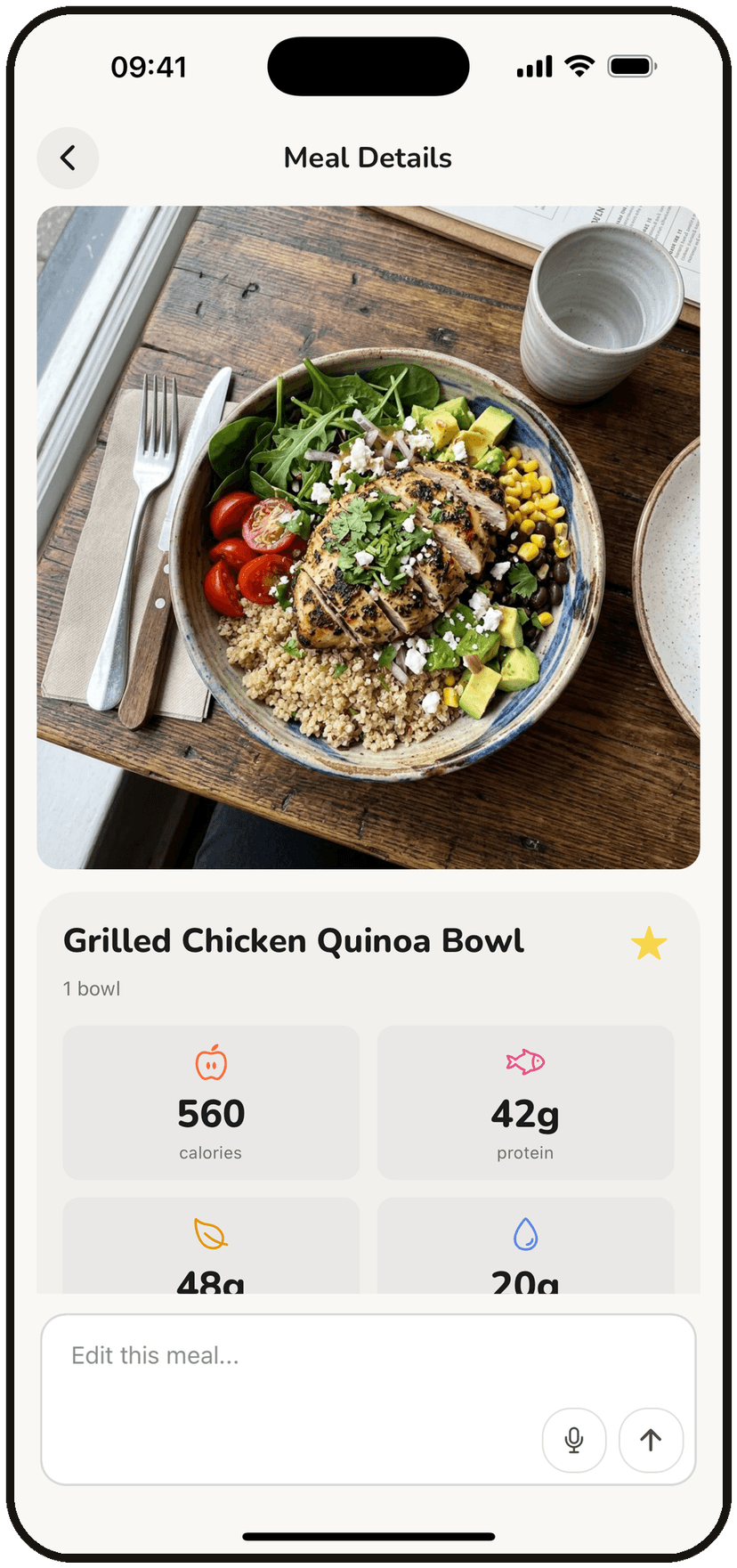
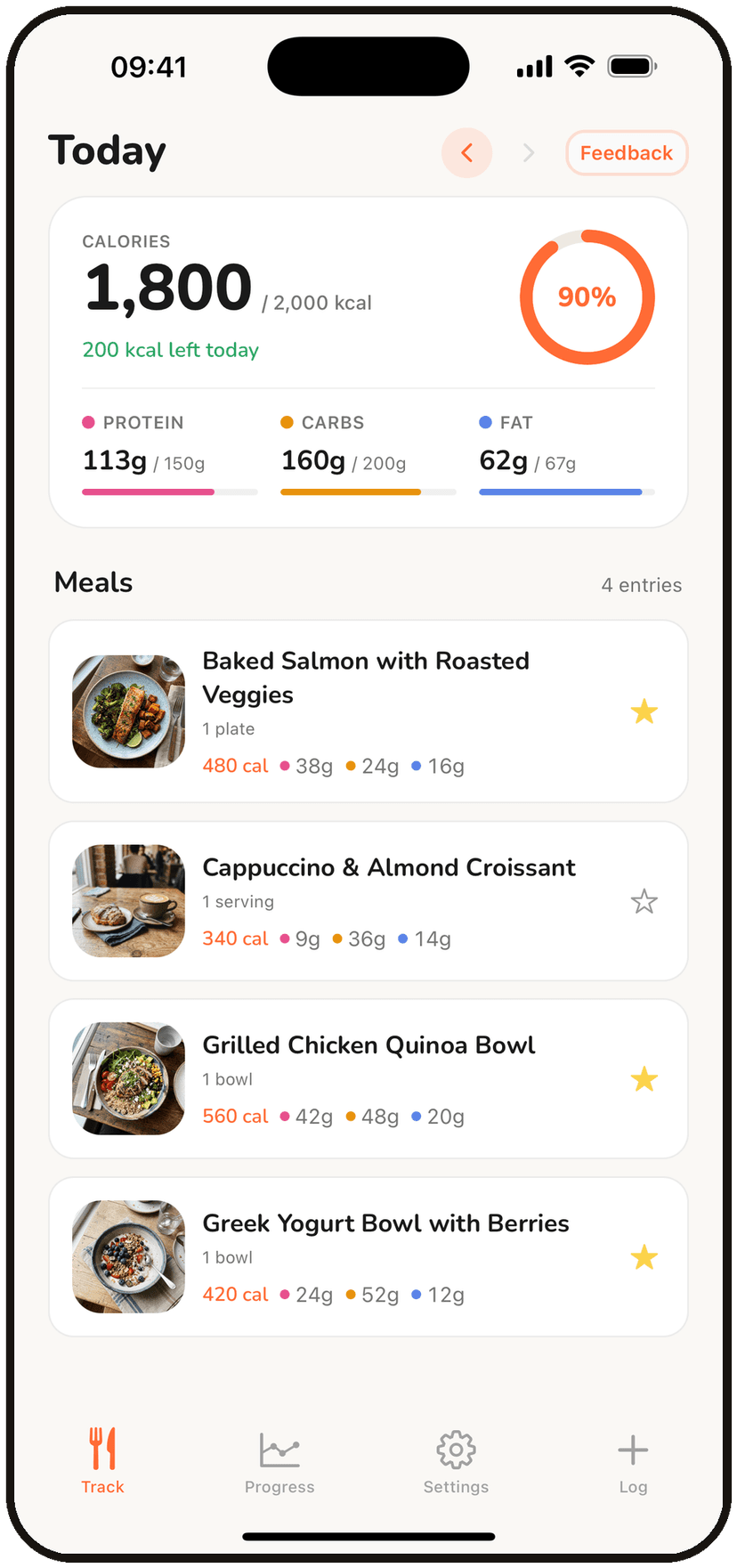
Portion guesses add up fast. BiteKit's AI estimates what's actually on your plate — oils, sides and all — so your log stays close to what you really ate.
- Log meals by photo, voice, or text
- Calories & macros estimated in seconds
- Syncs with Apple Health and Apple Watch
Free download · 3-day free trial, cancel anytime.
Scan with your iPhone camera