Atkins Net Carb Calculator
Calculate net carbs for any food or meal by subtracting fiber and sugar alcohols from total carbs. Track your daily budget across all four Atkins phases.
Your Atkins Phase
Select your current phase to set your daily net carb budget
Food Items
Add foods to calculate net carbs for your meal
What Are Net Carbs?
Net carbs are the carbohydrates that your body actually digests and uses for energy. They are calculated by subtracting fiber and sugar alcohols from total carbohydrates, because these components have minimal impact on blood sugar levels.
The Atkins diet pioneered the concept of counting net carbs instead of total carbs. This approach gives you a more accurate picture of how foods affect your metabolism and allows you to eat more nutrient-dense, fiber-rich foods without worrying about exceeding your carb limit.
The Net Carb Formula
Net Carbs = Total Carbs - Fiber - Sugar Alcohol Impact
Erythritol: subtract 100% (zero glycemic impact). All other sugar alcohols (maltitol, sorbitol, xylitol, isomalt): subtract 50% of their gram value.
The Four Atkins Phases
The Atkins diet is structured in four progressive phases, each increasing your net carb allowance as you approach and maintain your goal weight:
Phase 1: Induction (20g net carbs/day)
The strictest phase, lasting at least 2 weeks. Your body switches from burning carbs to burning fat. Focus on protein, healthy fats, and 12-15g of net carbs from foundation vegetables like leafy greens, broccoli, and cauliflower.
Phase 2: Balancing (25-50g net carbs/day)
Gradually add 5g of net carbs per week. Reintroduce nuts, seeds, berries, and more vegetables. Stay in this phase until you are within 10 pounds of your goal weight.
Phase 3: Fine-Tuning (50-80g net carbs/day)
Add more carb-containing foods like starchy vegetables, whole grains, and fruits. Find your personal carb balance — the maximum carbs you can eat while still losing weight slowly.
Phase 4: Maintenance (80-100g net carbs/day)
Your lifelong eating plan. You have found your carb tolerance and can maintain your goal weight. If you gain weight, reduce net carbs by 10-20g until weight stabilizes.
Sugar Alcohols and Net Carbs
Sugar alcohols are sweeteners found in many sugar-free and low-carb products. They taste sweet but are only partially absorbed by the body, which is why they count differently than regular carbs:
Erythritol (0% impact)
Fully excreted without being metabolized. Zero calories, zero glycemic impact. The best sugar alcohol for Atkins — subtract it completely from total carbs.
Maltitol (50% impact)
Partially absorbed. Common in sugar-free chocolate and candy. Count half the grams toward net carbs. Can cause digestive discomfort in large amounts.
Xylitol (50% impact)
Found in sugar-free gum and mints. Count half the grams toward net carbs. Has dental health benefits but can cause GI issues in excess.
Sorbitol (50% impact)
Naturally found in some fruits. Common in sugar-free products. Count half the grams toward net carbs. Can have a laxative effect in large doses.
Best Low Net Carb Foods for Atkins
These foods are staples across all Atkins phases because they are low in net carbs and high in nutrients:
Foundation Vegetables
Spinach (0.4g net carbs/cup), lettuce (0.5g), broccoli (3.6g), cauliflower (2.9g), zucchini (2.4g). High in fiber, which reduces net carbs further.
Proteins
Chicken, beef, pork, fish, eggs, and cheese. Zero or near-zero net carbs. Build every meal around a quality protein source.
Healthy Fats
Avocado (2g net carbs), olive oil (0g), butter (0g), coconut oil (0g). Essential for satiety and nutrient absorption on Atkins.
Nuts and Seeds (Phase 2+)
Almonds (2.5g net carbs/oz), walnuts (2g/oz), chia seeds (1g/tbsp), flaxseeds (0.2g/tbsp). Great for snacking within your carb budget.
Tips for Tracking Net Carbs on Atkins
Read Labels Carefully
Always check total carbs, fiber, and sugar alcohols on nutrition labels. Net carbs are rarely listed directly, so you need to calculate them yourself.
Track Every Meal
Small carbs add up fast, especially in Phase 1. Track everything including condiments, sauces, and beverages to stay within your daily limit.
Prioritize Fiber
High-fiber foods give you more food volume for fewer net carbs. A cup of broccoli has 6g total carbs but only 3.6g net carbs thanks to fiber.
Be Cautious with Sugar Alcohols
While sugar alcohols reduce net carbs, some people are more sensitive to them. If weight loss stalls, try reducing sugar-free products.
Frequently Asked Questions
How do you calculate net carbs for Atkins?
Net carbs are calculated by subtracting fiber and sugar alcohol impact from total carbs. The formula is: Net Carbs = Total Carbs - Fiber - (Sugar Alcohols x impact factor). Erythritol has zero impact, while most other sugar alcohols count as half their listed grams.
How many net carbs per day on Atkins Phase 1?
Atkins Phase 1 (Induction) limits you to 20 grams of net carbs per day for at least 2 weeks. Most of these carbs should come from foundation vegetables. This strict limit helps your body transition to burning fat for fuel.
What is the difference between net carbs and total carbs?
Total carbs include all carbohydrates, while net carbs subtract fiber and sugar alcohols because they have minimal impact on blood sugar. Atkins counts net carbs because they more accurately reflect the carbs that affect your metabolism and ketosis.
Do sugar alcohols count as net carbs?
It depends on the type. Erythritol has zero glycemic impact and does not count at all. Other sugar alcohols like maltitol, sorbitol, xylitol, and isomalt are partially absorbed and count as half their gram value toward net carbs.
What are the four phases of the Atkins diet?
Phase 1 (Induction): 20g/day. Phase 2 (Balancing): 25-50g/day. Phase 3 (Fine-Tuning): 50-80g/day. Phase 4 (Maintenance): 80-100g/day. Each phase gradually increases your net carb allowance as you approach your goal weight.
How do I move between Atkins phases?
Move from Phase 1 to Phase 2 after at least 2 weeks, adding 5g of net carbs per week. Enter Phase 3 when you are within 10 pounds of your goal. Transition to Phase 4 once you have maintained your goal weight for at least a month. Reduce carbs if weight loss stalls.
iPhone app · 3-day free trial
You're likely eating 500 calories more than you think
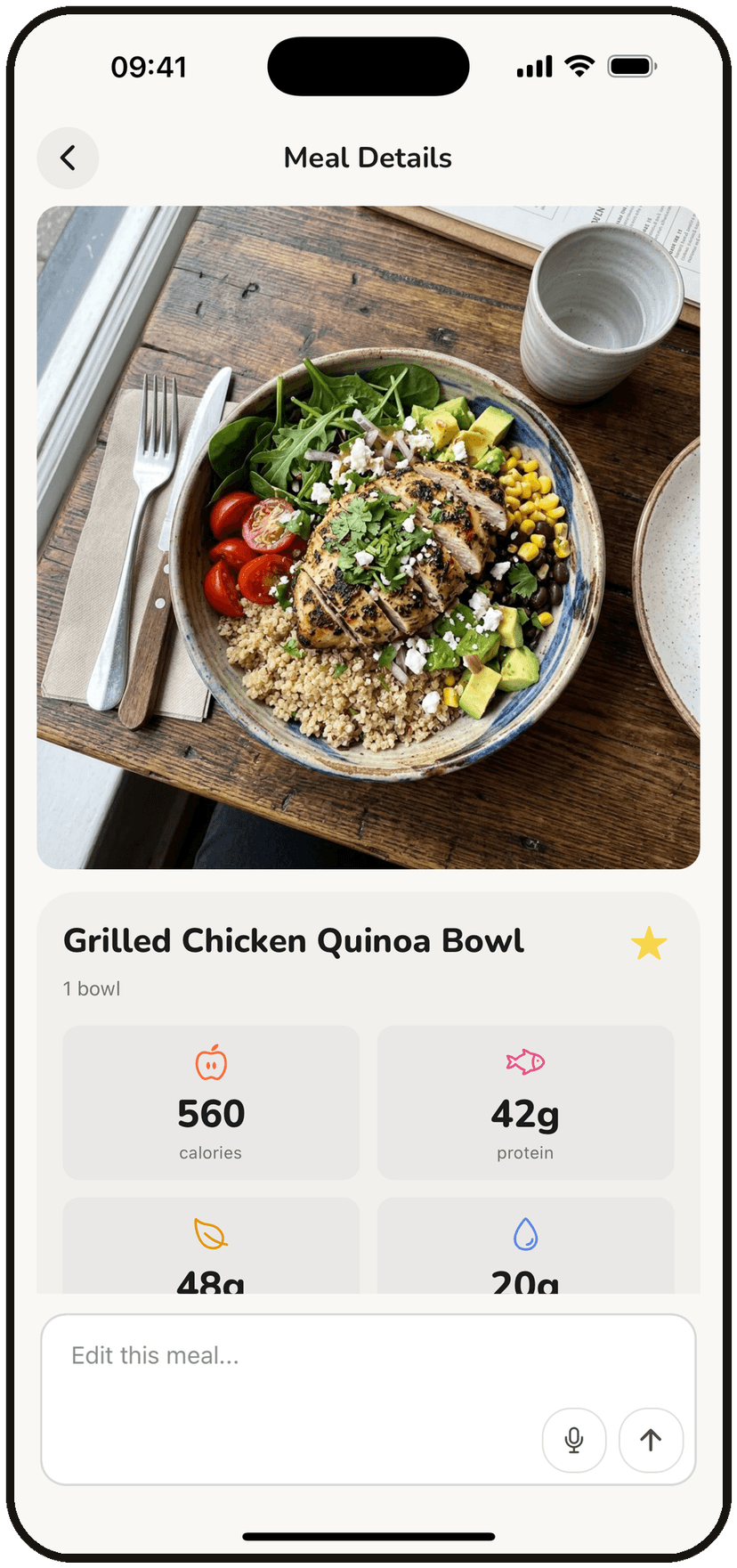
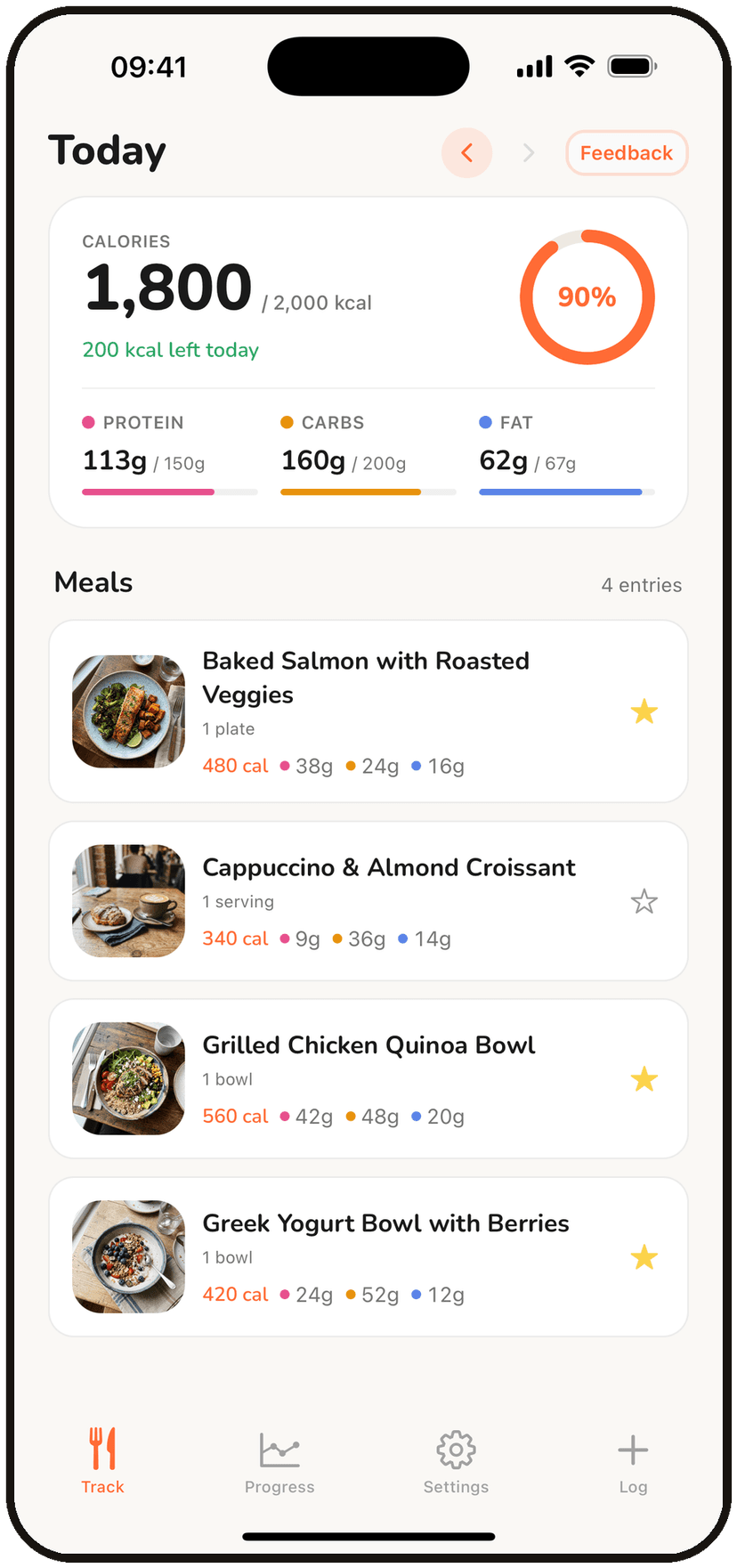
Portion guesses add up fast. BiteKit's AI estimates what's actually on your plate — oils, sides and all — so your log stays close to what you really ate.
- Log meals by photo, voice, or text
- Calories & macros estimated in seconds
- Syncs with Apple Health and Apple Watch
Free download · 3-day free trial, cancel anytime.
Scan to get the app