Autophagy Fasting Timer
Estimate when your body reaches each fasting metabolic state — from blood sugar drop and glycogen depletion through ketosis, autophagy initiation, and peak cellular repair. Personalized to your body composition, last meal, activity level, and fasting experience.
Note: Autophagy cannot be directly measured without a biopsy. All milestones shown are research-based estimates that vary significantly between individuals. This tool is for educational purposes only and is not medical advice.
Your Fasting Profile
When your last meal ended / fast officially begins
Affects glycogen stores and speed of fat-adaptation
High-carb meals delay glycogen depletion; keto/low-carb meals accelerate it
Exercise speeds glycogen depletion and accelerates ketosis
Keto-adapted and experienced fasters reach autophagy milestones earlier
What Is Autophagy?
Autophagy (from the Greek for “self-eating”) is the cellular process by which your body identifies, breaks down, and recycles damaged or dysfunctional components — misfolded proteins, worn-out organelles, and old mitochondria. Think of it as the cell's internal quality-control and recycling program.
In 2016, Yoshinori Ohsumi won the Nobel Prize in Physiology or Medicine for his foundational work on autophagy mechanisms in yeast. Subsequent research has linked impaired autophagy to neurodegenerative diseases (Alzheimer's, Parkinson's), cancer, metabolic disease, and accelerated aging — while upregulated autophagy is associated with cellular longevity and resilience.
Fasting is one of the most powerful known activators of autophagy. The primary mechanism: fasting suppresses mTOR (mechanistic target of rapamycin) and activates AMPK (AMP-activated protein kinase), together triggering autophagic flux — the rate at which damaged cellular components are cleared.
Why Autophagy Timing Varies Between People
Unlike hitting a specific ketone number on a meter, autophagy cannot be detected without laboratory analysis of a tissue biopsy. Research estimates are derived from averaging multiple physiological measurements. Several well-studied factors shift your personal timeline:
Last Meal Composition
High-carbohydrate meals fully top off glycogen stores, pushing back glycogen depletion and ketosis by 4–6 hours. Keto or low-carb meals leave glycogen stores partially depleted, pulling milestones forward by the same margin.
Body Composition
Leaner individuals with lower body fat percentages typically have less total glycogen stored relative to their metabolic rate, enabling faster depletion. Higher body fat is associated with greater insulin resistance, slowing the transition to fat-burning mode.
Activity Level
Exercise is a potent glycogen-burning and autophagy-activating stimulus. Even light walking during a fast measurably accelerates glycogen depletion. Exercise also directly activates AMPK, compounding the fasting-driven autophagy signal.
Fasting Experience
Keto-adapted and experienced fasters have up-regulated fat-oxidation enzymes and more efficient ketone production. Their bodies transition to ketosis faster and may upregulate autophagy pathways at earlier hours relative to a first-time faster.
The 8 Fasting Metabolic Milestones
This timer tracks eight key metabolic transitions during an extended fast. Here is what the research says about each:
Blood Sugar Drop (3–5h)
Digestion of your last meal is complete. Blood glucose and insulin begin declining as the fed state ends. The liver starts releasing stored glucose from glycogen.
Insulin Baseline (6–8h)
Insulin reaches a true fasted baseline. Fat cells begin releasing free fatty acids (lipolysis). This is the hormonal precondition for all subsequent metabolic shifts.
Glycogen Depletion (12–18h)
Liver and muscle glycogen stores are substantially or fully depleted. Fat oxidation now dominates. Gluconeogenesis ramps up to maintain blood glucose from amino acids and glycerol.
Fat Burning / Mild Ketones (14–20h)
The liver begins producing beta-hydroxybutyrate (BHB) and acetoacetate. Free fatty acids are abundant in the bloodstream. You are in mild ketosis.
Nutritional Ketosis (18–24h)
BHB exceeds 0.5 mmol/L — the clinical threshold for nutritional ketosis. The brain increasingly relies on ketones. BDNF (brain-derived neurotrophic factor) rises, supporting cognition.
Autophagy Initiation (24–36h)
mTOR suppression and AMPK activation trigger significant autophagic flux. Damaged proteins and organelles begin being cleared. Timing is estimated — actual onset varies widely.
Peak Autophagy (48–72h)
Autophagy is maximally active. IGF-1 and PKA drop significantly. Mitophagy (selective clearance of dysfunctional mitochondria) is elevated. Growth hormone is high, preserving lean mass.
Deep Cellular Repair (72h+)
Based on Longo et al. research, 72-hour fasting triggers hematopoietic stem cell regeneration signals and immune system reset. Should only be attempted under medical supervision.
The mTOR–AMPK Switch: How Fasting Triggers Autophagy
Two nutrient-sensing proteins are at the center of fasting-induced autophagy:
- mTOR (mechanistic target of rapamycin): The “growth and build” signal. When nutrients are plentiful, mTOR is active and autophagy is suppressed. During fasting, mTOR activity drops as amino acids and glucose decline, releasing the brake on autophagy.
- AMPK (AMP-activated protein kinase): The “energy stress” sensor. When cellular energy (ATP) is low — as it is during fasting and exercise — AMPK activates. AMPK both inhibits mTOR and directly phosphorylates autophagy-initiating proteins (ULK1), amplifying the autophagic signal.
- Insulin and IGF-1: Both suppress autophagy. The deep drop in insulin during fasting is therefore essential to the process — any insulin spike (from food, certain supplements, or even high doses of some amino acids) will temporarily pause autophagy.
Supporting Your Fast: Electrolytes
As insulin falls during fasting, the kidneys become more efficient at excreting sodium, which draws potassium and magnesium along with it. Electrolyte depletion — not hunger — is responsible for most fasting side effects: headaches, muscle cramps, fatigue, dizziness, and heart palpitations.
- Sodium: The most critical. Add a pinch of pink salt or sea salt to water every few hours during fasts exceeding 16 hours.
- Potassium: Found in electrolyte supplements. Low potassium can cause heart arrhythmias during extended fasting — do not neglect this.
- Magnesium: Supports sleep quality and muscle function. Magnesium glycinate or malate are well-tolerated during fasting.
A Note on Measurement and Individual Variation
The milestones shown by this timer are research-based estimates. Autophagy cannot be measured without a tissue biopsy analyzed in a laboratory — no wearable, blood test, or breath sensor can detect it directly. Individual variation in these timelines is substantial. Factors not captured here (insulin sensitivity, gut microbiome, sleep quality, chronic stress) also affect the timing. Use these estimates as a directional guide, not a precise measurement. This tool is for educational purposes only and does not constitute medical advice.
Frequently Asked Questions
How many hours of fasting does autophagy start?
Significant autophagy is estimated to begin around 24–36 hours of fasting in most people. Some early signaling may occur at 16–18 hours in keto-adapted or lean individuals. The exact timing cannot be determined without a tissue biopsy — estimates shown by this tool are based on published research averages.
Does eating keto before fasting speed up autophagy?
Yes. A ketogenic or low-carb last meal leaves glycogen stores partially depleted at fast onset, shortening the time to glycogen depletion and ketosis by 4–6 hours. Keto-adapted individuals also have more efficient fat-oxidation enzymes, further accelerating the transition.
Does exercising during a fast help reach autophagy faster?
Exercise accelerates glycogen depletion and independently activates AMPK — one of the primary autophagy triggers. Light walking can advance milestones by 2–3 hours; more vigorous exercise by 3–4 hours. The effects compound with the fasting signal.
Can I measure autophagy at home?
No. Autophagy requires a tissue biopsy to measure directly. Blood ketone meters (measuring beta-hydroxybutyrate) are the closest proxy — ketosis indicates the hormonal conditions for autophagy are in place, but does not confirm autophagy is occurring or at what level.
Is a 16-hour fast enough for autophagy?
A 16-hour fast may initiate early autophagy signaling, especially in keto-adapted fasters, but significant autophagic activity is generally estimated to require 24–36 hours or more. Regular 16:8 fasting may provide cumulative mild benefits rather than deep cellular cleaning.
What breaks autophagy?
Anything that raises insulin or activates mTOR will pause autophagy. This includes all caloric foods, protein shakes (especially BCAA-rich ones), milk or cream in coffee, and certain supplements. Black coffee, plain tea, and electrolyte water (without sugar) are generally considered autophagy-neutral.
Related Tools
iPhone app · 3-day free trial
You're likely eating 500 calories more than you think
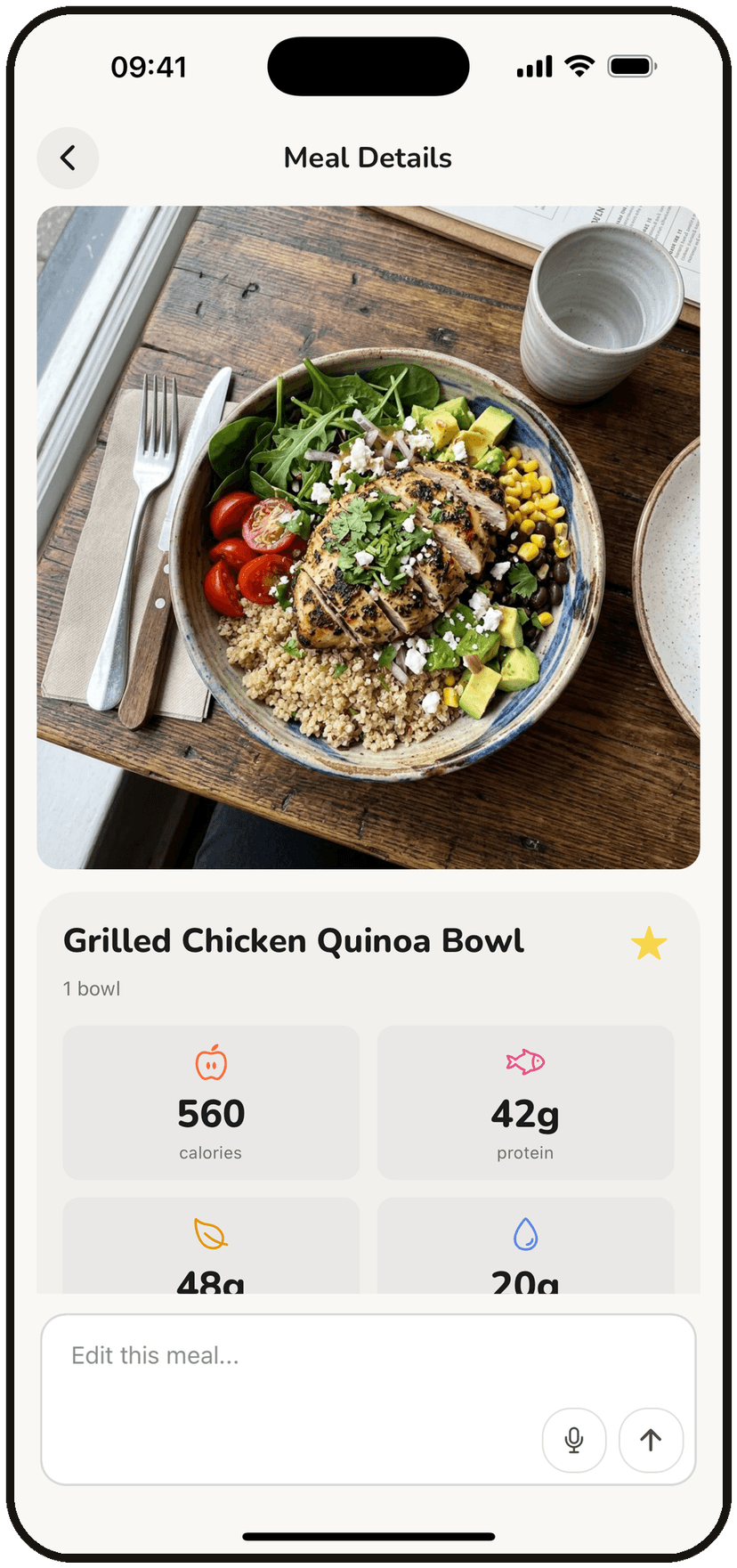
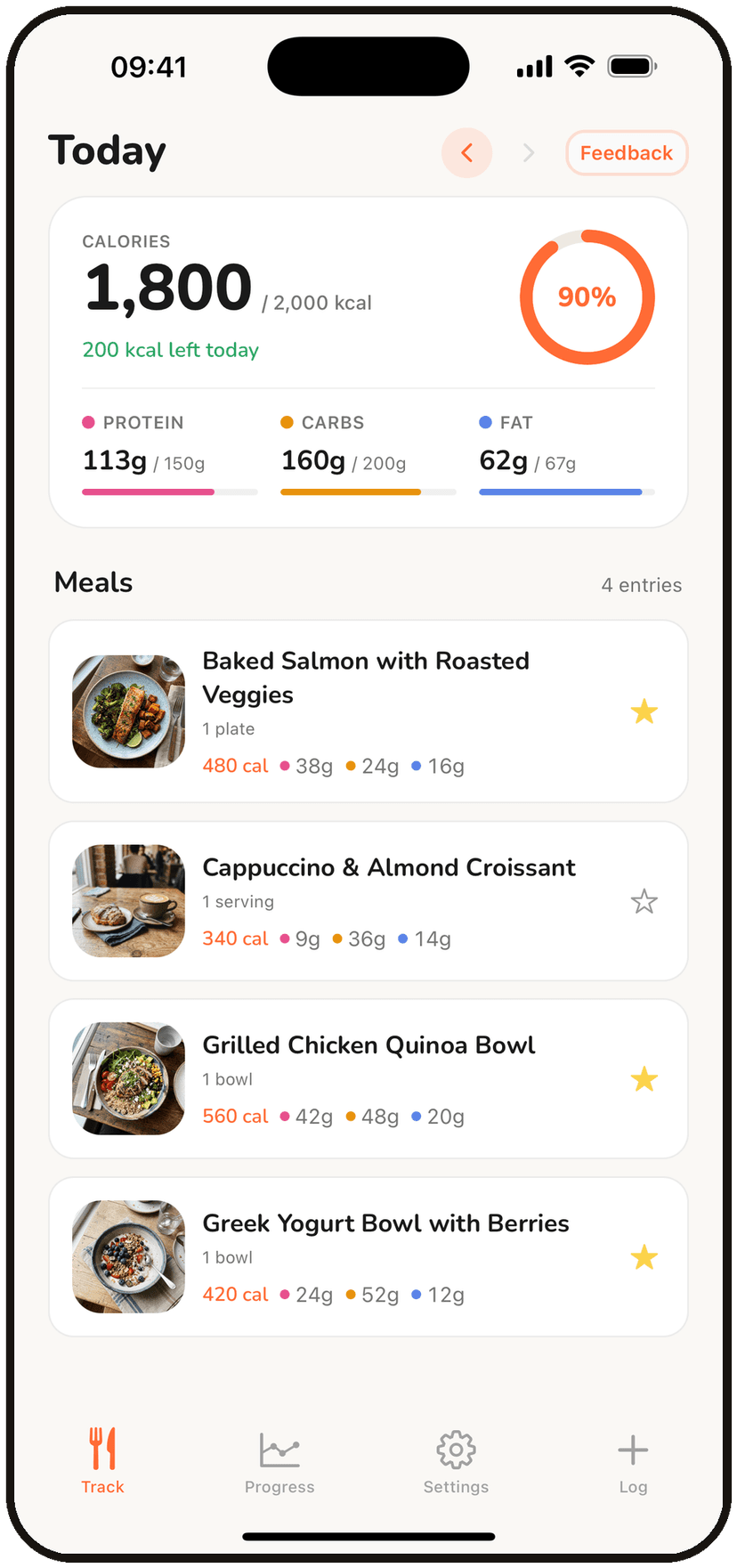
Portion guesses add up fast. BiteKit's AI estimates what's actually on your plate — oils, sides and all — so your log stays close to what you really ate.
- Log meals by photo, voice, or text
- Calories & macros estimated in seconds
- Syncs with Apple Health and Apple Watch
Free download · 3-day free trial, cancel anytime.
Scan with your iPhone camera