Body Measurement Tracker
Log and visualize your body measurements over time. Track chest, waist, hips, arms, thighs, and more to see real progress beyond the scale.
Why Track Body Measurements?
Body measurements are one of the most reliable ways to track your fitness progress. While the scale only tells you one number, measurements reveal exactly where your body is changing. You might be losing fat around your waist while building muscle in your arms and shoulders - changes that are invisible on a scale but clearly visible in your measurements.
Many people experience "body recomposition" where they simultaneously lose fat and gain muscle. During this process, your weight might stay the same or even increase slightly, which can feel discouraging if the scale is your only metric. Body measurements cut through this confusion and show you what is actually happening.
How to Measure Each Body Part Correctly
Consistent measurement technique is essential for accurate tracking. Here is a guide for each body part:
Chest
Wrap the tape around the fullest part of your chest, across the nipple line. Keep arms relaxed at your sides and breathe normally. Measure at the end of a normal exhale.
Waist
Measure at the narrowest point of your torso, usually just above the belly button. Stand relaxed and do not suck in your stomach. Measure at the end of a normal exhale.
Hips
Measure at the widest point of your buttocks. Stand with feet together and keep the tape level all the way around. This is usually 7-8 inches below your waist.
Arms
Measure around the peak of the bicep (the widest part of your upper arm). Keep your arm relaxed and hanging at your side. Measure both left and right arms to track symmetry.
Thighs
Measure at the widest point of your upper leg, usually about one inch below the groin. Stand with your weight evenly distributed on both legs.
Shoulders
Measure at the widest point of your shoulders, around the deltoid muscles. This measurement usually requires a helper to keep the tape level across your back.
What Your Measurements Tell You
Different patterns of measurement changes can tell you what is happening with your body composition:
Waist Decreasing + Arms Increasing
This is a classic sign of successful body recomposition. You are losing fat around your midsection while building muscle in your upper body. This is ideal for most fitness goals.
All Measurements Decreasing
This indicates overall fat loss. If you are in a calorie deficit without sufficient protein or strength training, you may also be losing muscle. Make sure to maintain protein intake and resistance training.
Shoulders and Chest Growing + Waist Stable
This suggests you are in a lean bulk phase, adding muscle with minimal fat gain. Maintaining a moderate calorie surplus with high protein supports this pattern.
Left/Right Differences
Tracking both sides helps identify muscle imbalances. A difference greater than 1 cm (0.5 inches) between sides may warrant adding unilateral exercises to balance your development.
Tips for Consistent, Accurate Tracking
Same Time of Day
Measure in the morning before eating or exercising. Your body is at its most consistent state after waking up, reducing variability from food and water intake.
Same Technique
Use the same measurement points and tape tension every time. Slight differences in where you place the tape can cause variations of 1-2 cm.
Weekly or Biweekly
Measure every 1-2 weeks for the best balance between tracking progress and avoiding the noise of daily fluctuations. Set a recurring reminder.
Focus on Trends
Individual measurements can fluctuate. Look at 4-8 week trends rather than week-to-week changes to get an accurate picture of your progress.
Frequently Asked Questions
How often should I take body measurements?
For most people, taking body measurements every 1-2 weeks is ideal. This gives your body enough time to show measurable changes while keeping you motivated with regular check-ins. Always measure at the same time of day (ideally in the morning before eating) and under the same conditions for consistent results.
Why should I track body measurements instead of just weight?
Body measurements reveal changes that the scale cannot detect. You might be losing fat and gaining muscle simultaneously, which keeps your weight the same but changes your body composition significantly. Measurements show where you are losing inches (like your waist) and where you are gaining muscle (like your arms or shoulders), giving you a much more complete picture of your progress.
What body parts should I measure for tracking progress?
The most important measurements to track are: chest (around the fullest part), waist (at the narrowest point above the navel), hips (at the widest point of the buttocks), arms (around the peak of the bicep), thighs (at the widest point), and calves. You can also track neck and shoulders. Measuring both left and right sides of limbs helps identify muscle imbalances.
How do I take accurate body measurements?
Use a flexible cloth or plastic measuring tape. Stand relaxed with muscles unflexed. Keep the tape snug but not compressing the skin, and ensure it is level all the way around. Take each measurement 2-3 times and use the average. Always measure on bare skin or thin clothing, at the same time of day, and in the same state (before or after exercise, hydrated consistently).
Is it normal for measurements to fluctuate day to day?
Yes, daily fluctuations of 0.5-1 cm (0.25-0.5 inches) are completely normal and can be caused by hydration levels, food intake, exercise-induced swelling, time of day, and even how tightly you pull the tape. This is why measuring every 1-2 weeks and looking at long-term trends is more meaningful than daily measurements.
What measurements indicate I am making progress?
Progress indicators depend on your goals. For fat loss, decreasing waist and hip measurements are positive signs. For muscle building, increasing arm, chest, shoulder, and thigh measurements indicate muscle growth. For body recomposition, you might see your waist shrinking while your arms and shoulders grow, even if your weight stays the same.
iPhone app · 3-day free trial
You're likely eating 500 calories more than you think
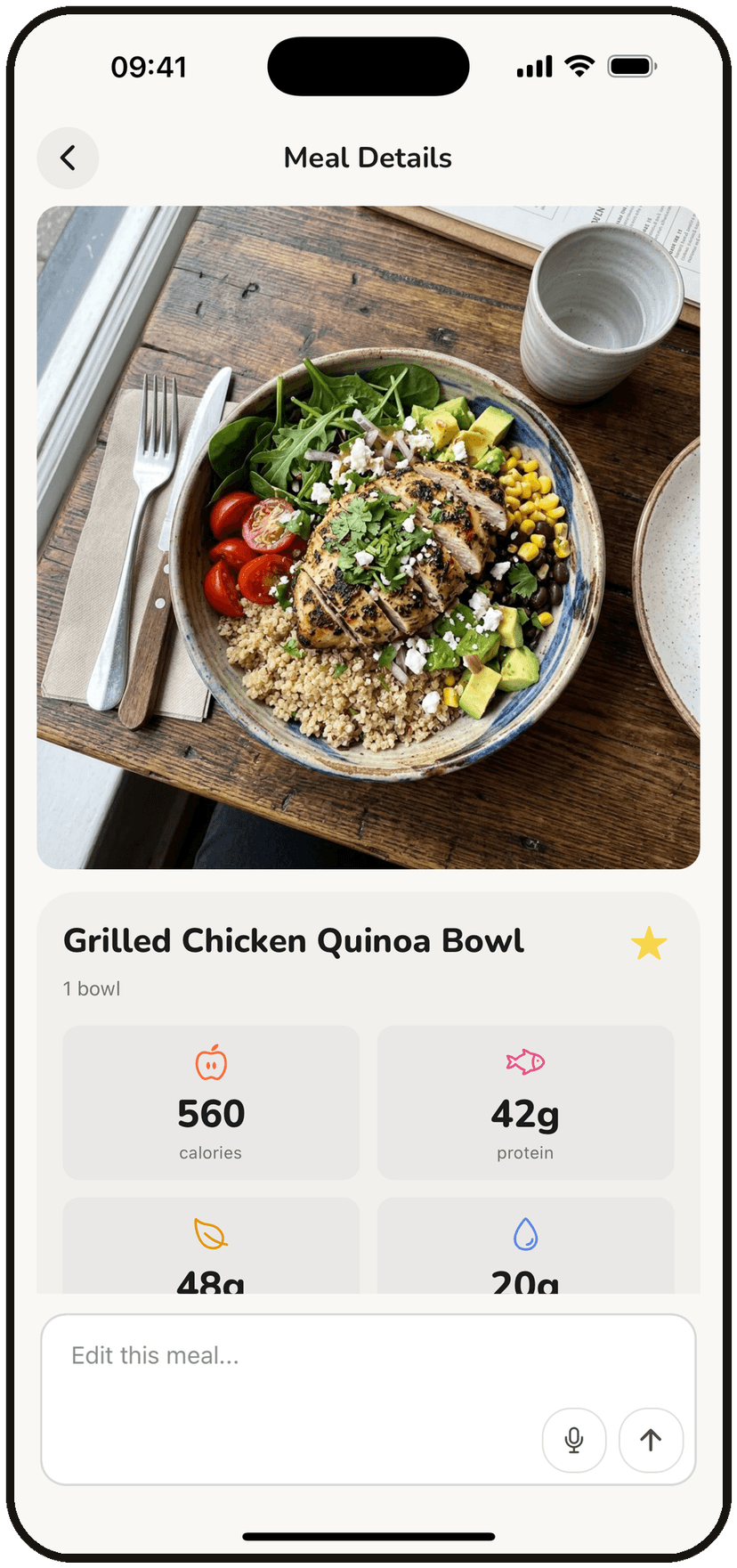
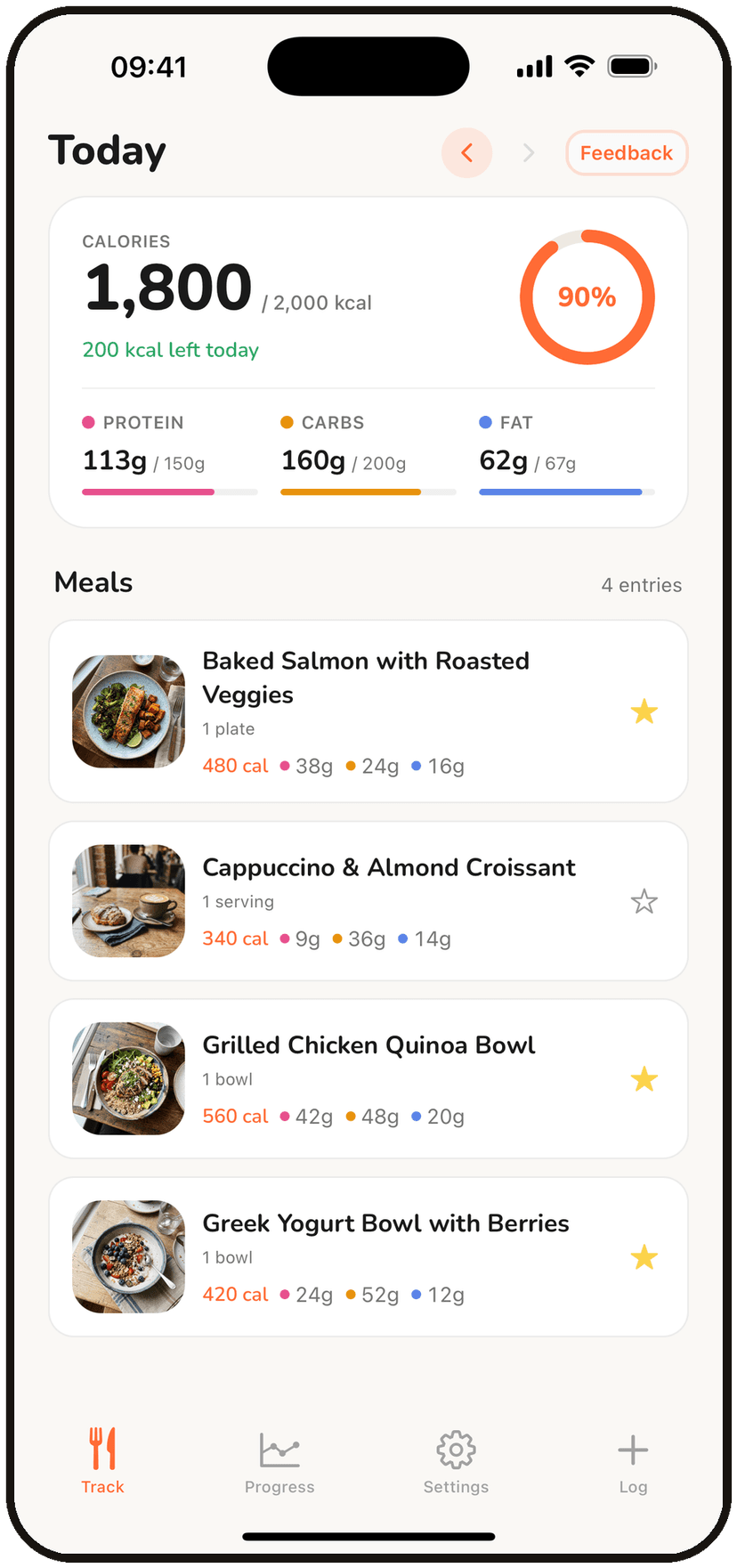
Portion guesses add up fast. BiteKit's AI estimates what's actually on your plate — oils, sides and all — so your log stays close to what you really ate.
- Log meals by photo, voice, or text
- Calories & macros estimated in seconds
- Syncs with Apple Health and Apple Watch
Free download · 3-day free trial, cancel anytime.
Scan with your iPhone camera