Body Recomposition Calculator
Get separate training-day and rest-day calorie and macro targets to lose fat and build muscle simultaneously. No more choosing between bulking and cutting.
If provided, we'll use the more accurate Katch-McArdle formula
What is Body Recomposition?
Body recomposition (or "recomp") is the process of losing body fat and building lean muscle at the same time. Instead of traditional bulk-and-cut cycles where you alternate between gaining weight and losing weight, recomp uses strategic calorie cycling to change your body composition while keeping your weight relatively stable.
The key principle is simple: eat more on the days you train hard (to fuel muscle growth and recovery) and eat less on the days you rest (to encourage fat burning). By cycling your calories and macros around your training, you give your body the nutrients it needs to build muscle when it's primed for growth while still creating an overall environment for fat loss.
Training Day vs Rest Day Nutrition
The cornerstone of body recomposition is eating differently on training days versus rest days. Here's why each day is structured the way it is:
Training Days
- Calorie surplus above TDEE (10-20%)
- Higher carbs to fuel workouts and recovery
- Lower fat (25% of calories)
- High protein to maximize muscle protein synthesis
Rest Days
- Calorie deficit below TDEE (10-20%)
- Lower carbs since glycogen demand is reduced
- Higher fat (35% of calories) for sustained energy
- Same high protein to preserve muscle mass
Who Should Do Body Recomp?
Body recomposition isn't for everyone, but it works exceptionally well for certain groups of people:
Beginners to Weight Training
New lifters experience "newbie gains" - the ability to build muscle and lose fat rapidly because everything is a new stimulus. This is the ideal population for recomp.
Returning After a Break
If you used to train and are getting back into it, muscle memory allows you to regain lost muscle quickly while simultaneously shedding fat gained during the break.
Slightly Overweight with Some Training History
Those carrying extra body fat but with a foundation of muscle can leverage their energy reserves for fat loss while their training stimulus drives muscle growth.
People Who Hate Strict Bulk/Cut Cycles
If you don't want to go through months of gaining weight followed by months of dieting, recomp offers a more moderate, sustainable approach to improving your physique.
Tips for Successful Body Recomp
Prioritize Protein
Keep protein at 1g per lb of body weight every day - training and rest days alike. This is non-negotiable for recomp success.
Train Hard with Progression
Progressive overload is essential. Aim to add weight or reps to your lifts over time. Without a strong training stimulus, recomp won't work.
Be Patient
The scale may not move much during recomp. Track progress with photos, measurements, and strength gains rather than body weight alone.
Sleep and Recover
Aim for 7-9 hours of quality sleep. Growth hormone peaks during deep sleep, which is critical for both muscle building and fat metabolism.
Frequently Asked Questions
What is body recomposition?
Body recomposition is the process of simultaneously losing body fat and building muscle. It uses calorie cycling - eating a surplus on training days and a deficit on rest days - to change your body composition without large swings in body weight.
How does calorie cycling work for body recomp?
You eat more calories on training days (10-20% above your TDEE) to fuel muscle growth and recovery, and fewer calories on rest days (10-20% below your TDEE) to encourage fat burning. This gives your body exactly what it needs depending on the day's demands.
Who is body recomp best suited for?
Body recomp works best for beginners to intermediate lifters, people returning after a training break, those who are slightly overweight with some muscle base, and anyone who prefers a moderate approach over strict bulk/cut cycles.
How much protein do I need for body recomp?
Aim for 1 gram of protein per pound of body weight on both training and rest days. Protein stays consistently high to support muscle growth during surpluses and muscle preservation during deficits.
Why are carbs higher on training days?
Carbohydrates fuel intense workouts, replenish glycogen stores, and spike insulin which helps deliver nutrients to muscles. On rest days, your body relies more on fat for energy, so carbs are reduced and fat intake is increased.
How long does body recomp take?
Most people notice visible changes in 8-12 weeks. Since your weight may stay the same while body composition changes, track progress with photos, measurements, and strength gains rather than relying on the scale.
iPhone app · 3-day free trial
You're likely eating 500 calories more than you think
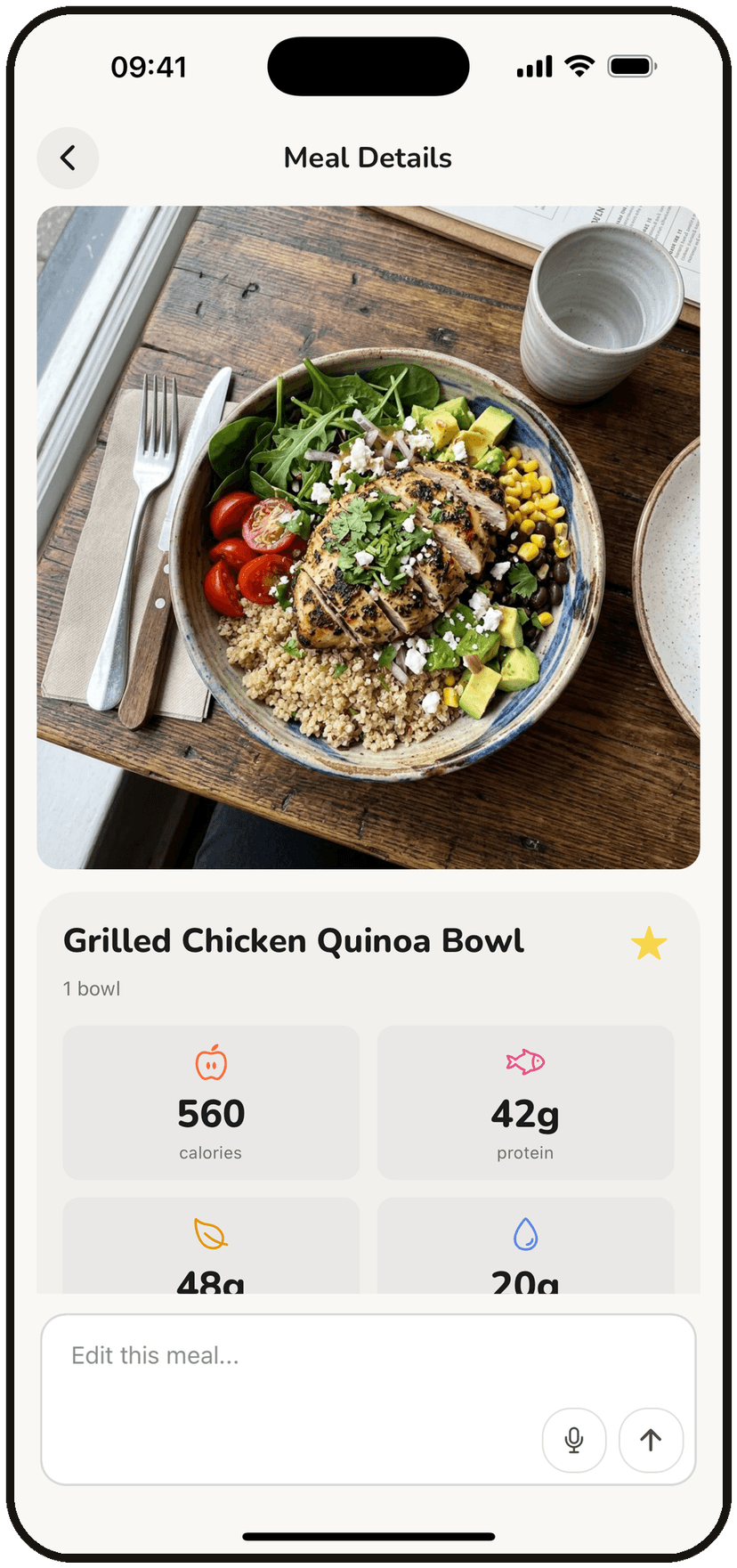
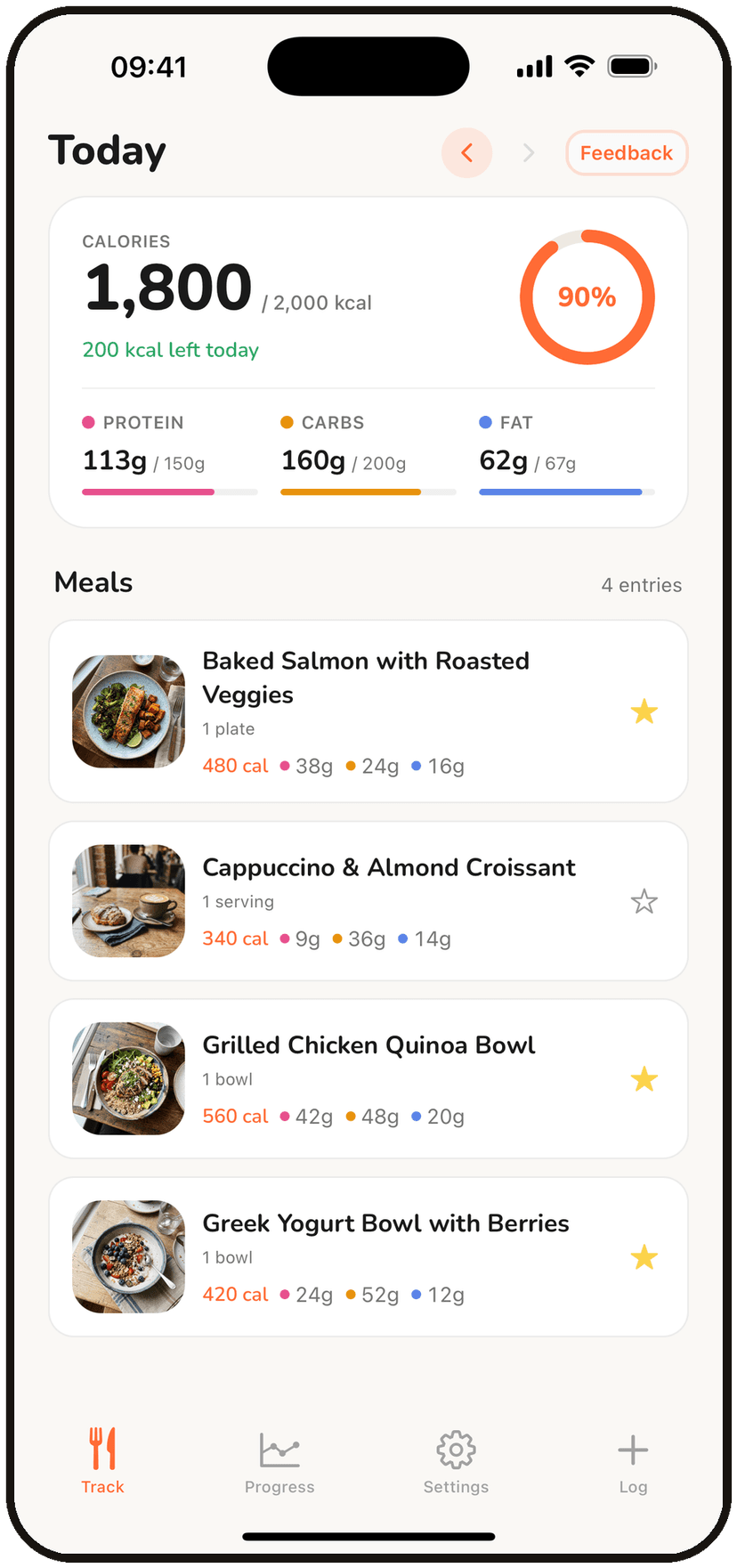
Portion guesses add up fast. BiteKit's AI estimates what's actually on your plate — oils, sides and all — so your log stays close to what you really ate.
- Log meals by photo, voice, or text
- Calories & macros estimated in seconds
- Syncs with Apple Health and Apple Watch
Free download · 3-day free trial, cancel anytime.
Scan with your iPhone camera