Body Shape Calculator
Enter your bust, waist, hip, and height measurements to identify your body shape — hourglass, pear, apple, rectangle, or inverted triangle — and get shape-specific nutrition and fitness guidance.
The Five Body Shapes Explained
Body shape describes how fat and muscle mass are distributed across your bust, waist, and hips. These five categories are widely used in both fashion and health contexts, and each reflects different hormonal and metabolic tendencies.
Hourglass
Bust and hips roughly equal width; waist at least 9 inches narrower. Proportionally balanced fat distribution.
Pear (Triangle)
Hips wider than bust by more than 2 inches. Fat stored preferentially in thighs, hips, and buttocks.
Inverted Triangle
Bust/shoulders wider than hips by more than 2 inches. Common in swimmers and those with athletic upper bodies.
Apple (Round)
Waist close to bust and hip width; weight carried around the midsection. Associated with visceral fat patterns.
Rectangle (Banana)
Bust, waist, and hips all similar in width. Fat distributed evenly; naturally athletic or straight silhouette.
Why Body Shape Matters for Health
Body shape is more than aesthetics — it reflects where your body preferentially stores fat, which has real metabolic implications. Research consistently shows that fat stored around the abdomen (visceral fat) is metabolically active in a way that subcutaneous fat in the hips and thighs is not. Visceral fat releases inflammatory compounds and free fatty acids into the portal circulation, increasing risk of insulin resistance, type 2 diabetes, and cardiovascular disease.
This is why apple-shaped individuals often have higher health risk at the same BMI compared to pear-shaped individuals. The waist-to-hip ratio (WHR) and waist-to-height ratio (WHtR) are both validated predictors of these risks — and this calculator provides both.
Waist-to-Hip Ratio (WHR)
Divides your waist measurement by your hip measurement. WHO guidelines define low cardiovascular risk as WHR <0.85 for women and <0.90 for men.
Waist-to-Height Ratio (WHtR)
Divides your waist by your height. A ratio below 0.50 is the widely cited healthy target — meaning “keep your waist to less than half your height.”
How Body Shape Is Classified
Our calculator uses the following measurement-based rules, consistent with established fashion and health research conventions:
Hourglass
Bust and hips are within 5% of each other AND waist is at least 9 inches smaller than both bust and hips.
Pear (Triangle)
Hips are more than 2 inches larger than the bust.
Inverted Triangle
Bust is more than 2 inches larger than the hips.
Apple (Round)
Waist is within 9 inches of both bust and hips, and bust-to-hip difference is small — indicating little waist definition.
Rectangle (Banana)
Bust, waist, and hips are all within approximately 5% of each other — a straight, even silhouette.
Nutrition Strategies by Body Shape
Your body shape suggests where your body preferentially stores energy. Tailoring your nutrition to those tendencies can improve both body composition and metabolic health over time.
Apple Shape: Prioritize Fiber and Reduce Refined Carbs
Central adiposity is driven partly by insulin resistance and cortisol. A high-fiber, low-glycemic diet (vegetables, legumes, whole grains) combined with adequate protein improves insulin sensitivity and reduces visceral fat accumulation. Limit added sugar and ultra-processed foods.
Pear Shape: Support Estrogen Metabolism with Fiber and Whole Foods
Lower-body fat is often linked to estrogen-related fat storage. A diet rich in cruciferous vegetables, fiber, and omega-3s supports healthy estrogen metabolism. Protein is especially important to build upper-body muscle and create visual balance.
Inverted Triangle: Fuel Lower-Body Muscle Building
Adequate protein and carbohydrates around workouts support lower-body hypertrophy. A slight calorie surplus (if building is the goal) with ample protein (1 g/lb of goal bodyweight) directs gains to the glutes and thighs for better proportion.
Rectangle: Calorie Surplus and High Protein to Build Curves
This shape is well-suited to a lean bulking phase. A modest surplus (200–300 kcal) with protein at 1–1.2 g/lb of bodyweight, combined with targeted resistance training, builds hip and glute volume that creates more shape definition over time.
Hourglass: Maintain Balance with Whole Foods
The goal is maintenance of existing proportions. A balanced macronutrient split with emphasis on whole foods, sufficient protein, and adequate fiber supports this naturally proportionate shape without skewing fat distribution in one direction.
How to Take Accurate Measurements
Bust / Chest
Measure around the fullest part of your chest, keeping the tape parallel to the floor. Do not compress the soft tissue — hold the tape snugly but not tight.
Waist
Measure at the narrowest point of your torso, usually about 1 inch above the navel. Exhale normally and measure — do not suck in.
Hips
Stand with feet together and measure around the widest part of your hips and buttocks, keeping the tape parallel to the floor.
Frequently Asked Questions
What are the five main body shapes?
The five classic body shapes are: Hourglass (bust and hips roughly equal, narrow waist), Pear or Triangle (hips wider than bust), Inverted Triangle (bust/shoulders wider than hips), Apple or Round (weight carried in the midsection), and Rectangle or Banana (bust, waist, and hips all similar widths).
How do I measure my body shape accurately?
Use a flexible measuring tape. Measure your bust at the fullest part of your chest, your waist at the narrowest point (usually 1 inch above the navel), and your hips at the widest part across the buttocks. Stand straight and keep the tape parallel to the floor.
Can your body shape change over time?
Yes. Body shape can shift with significant weight changes, muscle building, hormonal changes such as menopause, and aging. Targeted exercise and diet can also change the relative proportions of different body areas.
Is an apple body shape unhealthy?
Carrying more fat in the abdominal area is associated with higher metabolic risk compared to fat stored in the hips and thighs. However, body shape alone is not a health verdict. A waist-to-hip ratio above 0.85 for women or 0.90 for men, or a waist-to-height ratio above 0.50, are better indicators of cardiovascular risk.
What is the waist-to-hip ratio and why does it matter?
The waist-to-hip ratio (WHR) is your waist measurement divided by your hip measurement. It is a well-validated indicator of cardiovascular disease risk. For women, a WHR below 0.80 is considered low risk. For men, below 0.90 is low risk.
What is the difference between body shape and body type (somatotype)?
Body shape describes your current proportions (bust, waist, hips). Body type or somatotype (ectomorph, mesomorph, endomorph) describes your genetic tendency to gain or lose weight and build muscle. They are related but different. This calculator focuses on body shape based on actual measurements.
iPhone app · 3-day free trial
You're likely eating 500 calories more than you think
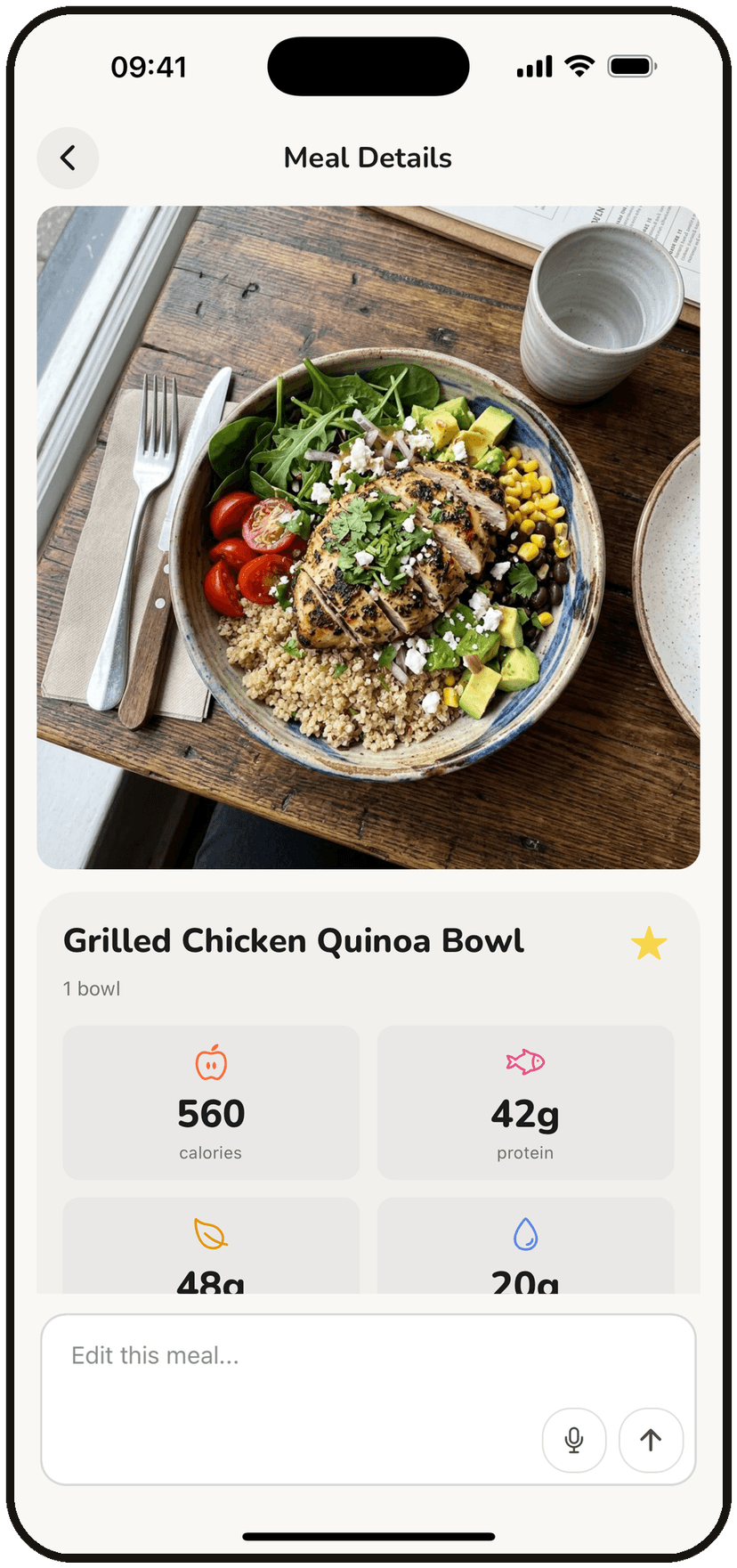
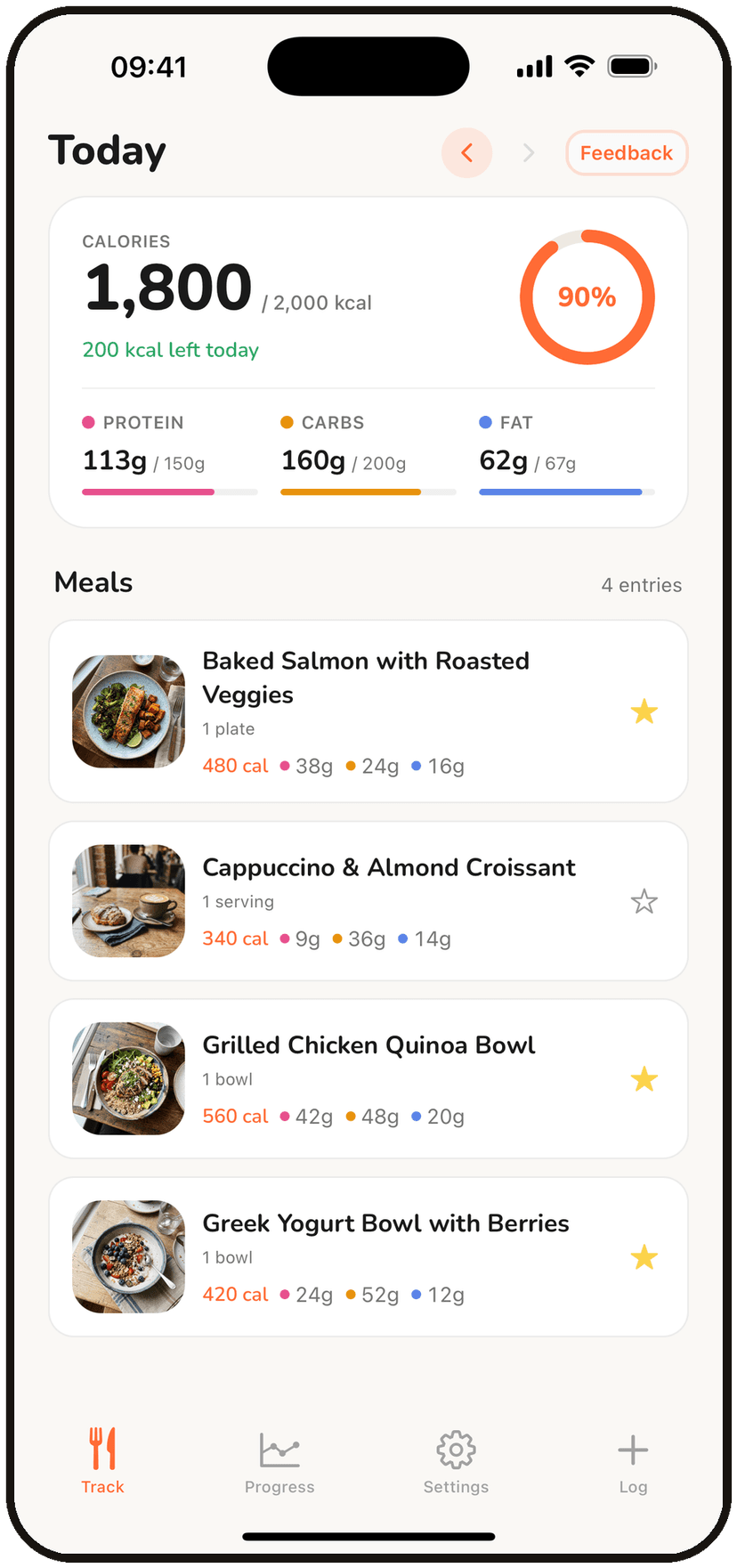
Portion guesses add up fast. BiteKit's AI estimates what's actually on your plate — oils, sides and all — so your log stays close to what you really ate.
- Log meals by photo, voice, or text
- Calories & macros estimated in seconds
- Syncs with Apple Health and Apple Watch
Free download · 3-day free trial, cancel anytime.
Scan with your iPhone camera