Bulking & Cutting Calculator
Calculate your optimal calories and macros for building muscle or losing fat. Get personalized recommendations based on your goals, body composition, and training schedule.
Improves accuracy with Katch-McArdle formula
What is Bulking and Cutting?
Bulking and cutting are the two main phases of a bodybuilding diet cycle. During a bulk, you eat more calories than you burn to provide your body with the energy it needs to build new muscle tissue. During a cut, you eat fewer calories to lose body fat while trying to preserve the muscle you built.
Bulking Phase
- Calorie surplus (eating more than TDEE)
- Focus on progressive overload in training
- Higher carbohydrate intake for energy
- Expect gradual weight gain
- Duration: typically 3-6 months
Cutting Phase
- Calorie deficit (eating less than TDEE)
- Maintain training intensity to preserve muscle
- Higher protein to prevent muscle loss
- Expect gradual fat loss
- Duration: typically 8-16 weeks
How to Bulk Without Getting Fat
The key to a successful lean bulk is finding the sweet spot: enough calories to maximize muscle growth without excessive fat gain. Here are the principles:
1. Use a Moderate Surplus
A surplus of 200-500 calories above your TDEE is optimal for most people. Larger surpluses don't build muscle faster - they just increase fat gain.
2. Prioritize Protein
Aim for 1.0-1.2g of protein per pound of body weight. This ensures your body has the building blocks for muscle protein synthesis.
3. Focus on Progressive Overload
Extra calories only build muscle if you give your body a reason to adapt. Gradually increase weight, reps, or volume in your training.
4. Monitor Your Progress
Weigh yourself weekly and aim for 0.25-0.5 kg (0.5-1 lb) gain per week for beginners. If gaining faster, reduce calories slightly.
How to Cut Without Losing Muscle
The challenge during a cut is losing fat while preserving your hard-earned muscle. Follow these strategies:
1. Keep Protein High
Increase protein to 1.0-1.3g per pound of body weight during a cut. Higher protein helps preserve muscle mass when in a deficit.
2. Maintain Training Intensity
Keep lifting heavy to signal your body to preserve muscle. Reduce volume if needed, but maintain intensity (weight on the bar).
3. Use a Moderate Deficit
A deficit of 500-750 calories is sustainable for most people. Aggressive deficits (1000+) increase muscle loss risk.
4. Be Patient
Aim to lose 0.5-1 kg (1-2 lbs) per week. Faster weight loss often means muscle loss. Trust the process.
When to Bulk vs. Cut
Choosing the right phase depends on your current body composition and goals. Use body fat percentage as a guide:
Start Bulking When:
- Men: Body fat is below 15%
- Women: Body fat is below 23%
- You've been cutting and want to build muscle
- You feel depleted and strength is declining
- You're a beginner with low body fat
Start Cutting When:
- Men: Body fat is above 18-20%
- Women: Body fat is above 25-28%
- You've been bulking for 3-6 months
- You want to reveal muscle definition
- Preparing for an event or competition
Consider Maintaining When:
If you're in the "grey zone" (12-18% for men, 20-25% for women) and happy with your physique, maintaining is a valid option. It's also good for diet breaks between phases or if you're new to tracking and want to practice before making changes.
Lean Bulk vs. Dirty Bulk
Not all bulks are created equal. Understanding the difference between lean bulking and dirty bulking will help you choose the right approach:
| Aspect | Lean Bulk | Dirty Bulk |
|---|---|---|
| Calorie Surplus | 200-500 calories | 1000+ calories |
| Food Quality | Nutrient-dense foods | Any foods, no restrictions |
| Weight Gain Rate | 0.25-0.5 kg/week | 0.5-1+ kg/week |
| Fat Gain | Minimal | Significant |
| Cut Duration After | Shorter | Longer |
| Best For | Most people | Hardgainers, athletes |
Recommendation: Lean bulking is preferred for most people. It allows you to build muscle without spending excessive time cutting afterward. Dirty bulking may be appropriate for underweight individuals or athletes with very high calorie needs.
Macro Timing for Muscle Growth
While total daily intake matters most, strategic nutrient timing can optimize your results:
Protein Timing
- Spread protein across 4-6 meals
- 25-40g protein per meal
- Include protein post-workout
- Consider casein before bed
Carb Timing
- More carbs around workouts
- Pre-workout: 1-2 hours before
- Post-workout: within 2 hours
- Lower carbs on rest days (optional)
Fat Timing
- Spread throughout the day
- Limit fats pre-workout
- Good for slower-digesting meals
- Include healthy fat sources
Note: Nutrient timing has a small impact compared to total daily intake. Focus on hitting your daily targets first, then optimize timing if desired.
Frequently Asked Questions
What is bulking and cutting?
Bulking is a muscle-building phase where you eat in a calorie surplus to support muscle growth. Cutting is a fat-loss phase where you eat in a calorie deficit to lose body fat while preserving muscle mass. These phases are typically alternated by bodybuilders and fitness enthusiasts.
How many calories should I eat when bulking?
For a lean bulk, aim for a surplus of 200-300 calories above your TDEE. For a moderate bulk, target 400-500 calories above TDEE. An aggressive bulk uses 700-1000 calories above TDEE. Choose based on your goals and comfort with potential fat gain.
How much protein do I need when cutting?
When cutting, protein intake should be 1.0-1.3g per pound of body weight - higher than during a bulk. This helps preserve muscle mass during a calorie deficit. For example, a 180 lb person should consume 180-234g of protein daily while cutting.
Should I bulk or cut first?
If your body fat is above 18% (men) or 25% (women), it's generally better to cut first. If your body fat is below 15% (men) or 23% (women), you're in a good position to bulk. Starting from a leaner state makes bulking more efficient.
What is a lean bulk vs dirty bulk?
A lean bulk uses a moderate calorie surplus (200-500 calories) with nutrient-dense foods to minimize fat gain. A dirty bulk uses a large surplus with no food restrictions, leading to more fat gain. Lean bulking is generally recommended for better long-term results.
How long should a bulk or cut last?
A bulk typically lasts 3-6 months, long enough to see significant muscle gains. A cut usually lasts 8-16 weeks, depending on how much fat you need to lose. Avoid bulking past 18-20% body fat (men) or 25-28% (women).
Should I eat differently on training vs rest days?
Some people prefer to eat slightly more on training days and less on rest days (calorie cycling). This can help fuel workouts while minimizing fat gain. However, keeping calories consistent daily works well too. The most important factor is hitting your weekly targets.
How fast should I expect to gain or lose weight?
When bulking, aim to gain 0.25-0.5 kg (0.5-1 lb) per week for beginners, or 0.1-0.25 kg for advanced lifters. When cutting, losing 0.5-1 kg (1-2 lbs) per week is sustainable. Faster changes often mean more muscle loss or fat gain.
Free app
You're likely eating 500 calories more than you think
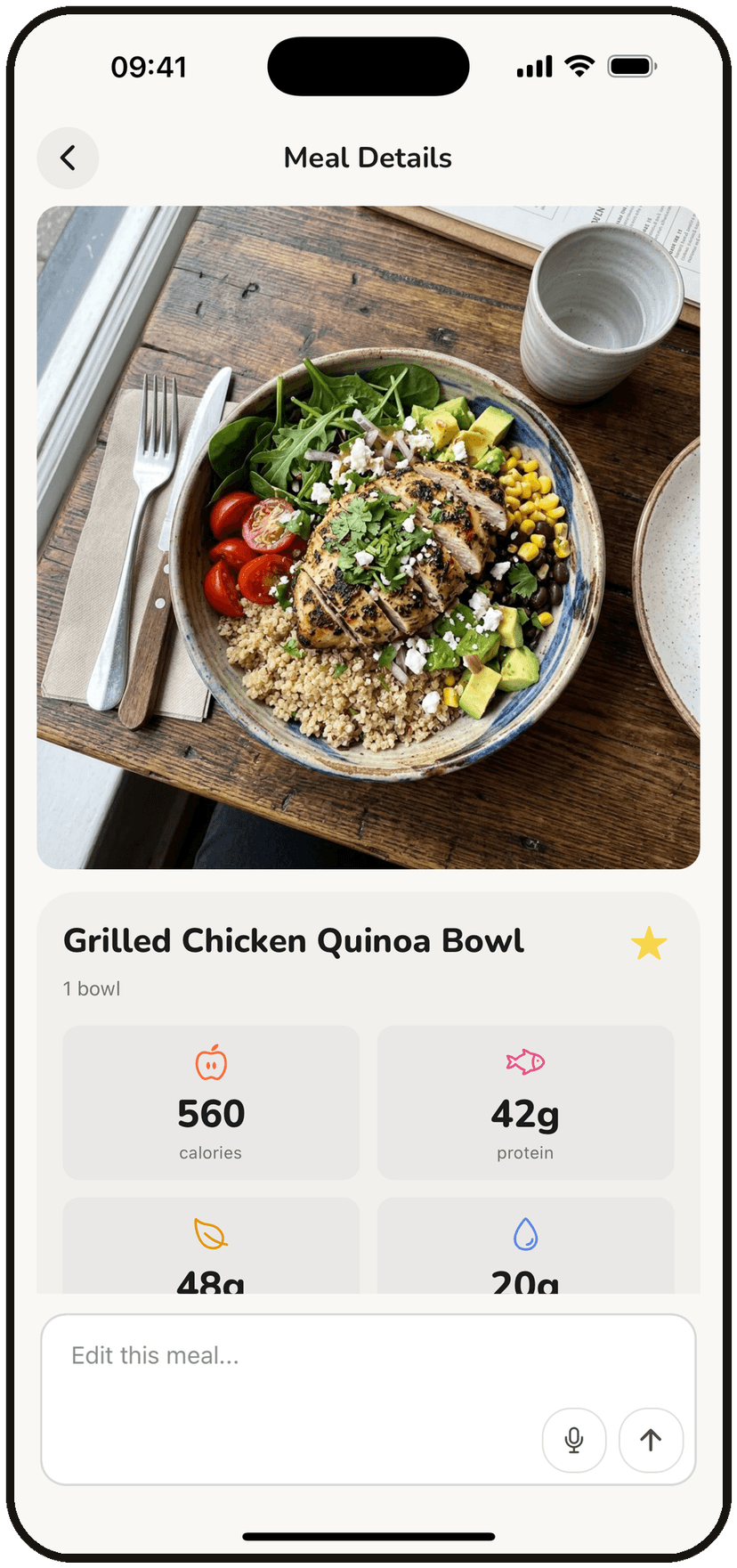
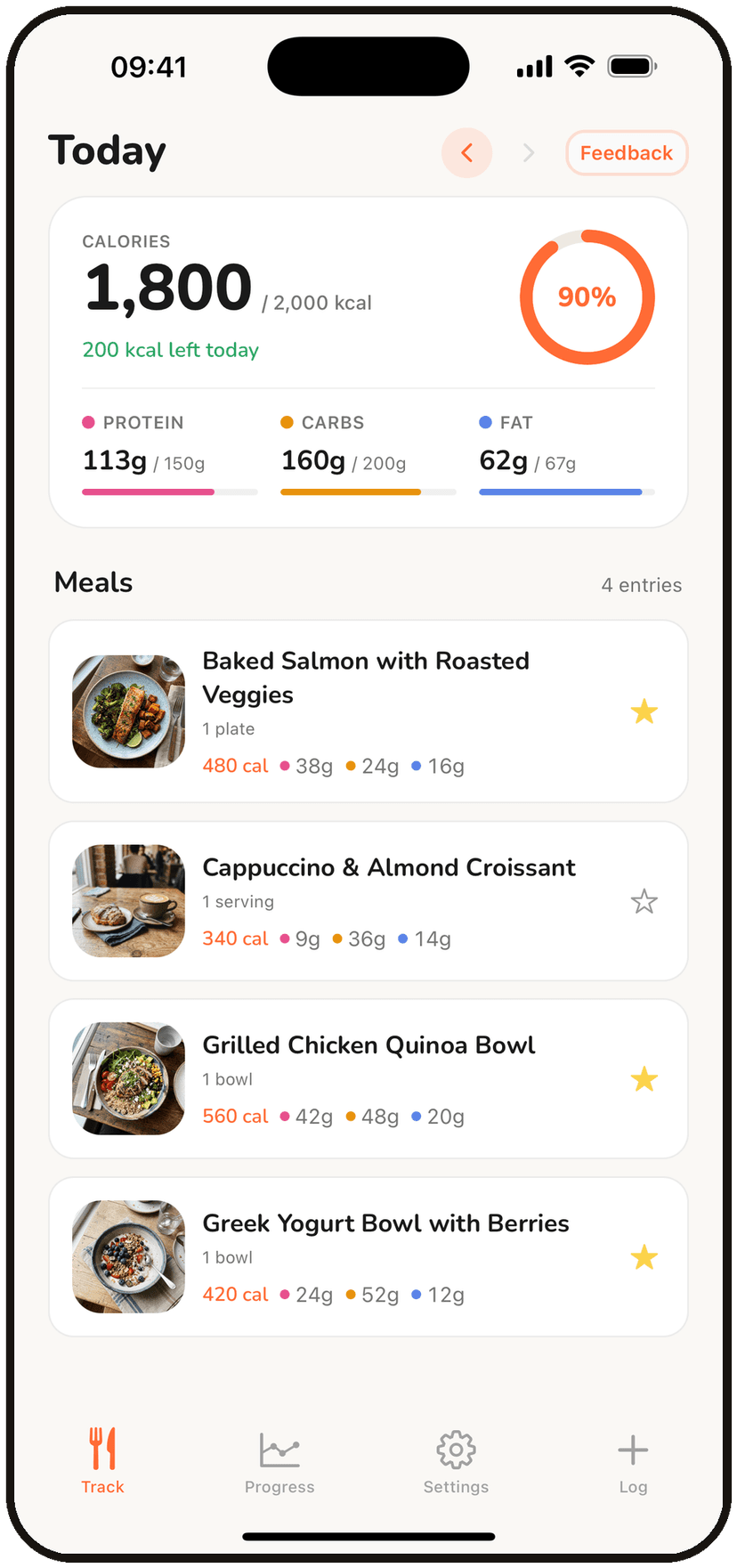
Portion guesses add up fast. BiteKit's AI reads your actual plate, so the number you track is the number you ate.
- Photo, voice, or text input
- Instant calorie & macro tracking
- Private by design — no password required
Free to download. No credit card required.
Scan to get the app