Caffeine Intake Calculator
Calculate your safe daily caffeine limit based on your body weight, sensitivity, and goals. Find out how many cups of coffee you can safely enjoy each day.
How Caffeine Works
Caffeine is a natural stimulant found in coffee beans, tea leaves, and cacao plants. It works by blocking adenosine receptors in your brain. Adenosine is a neurotransmitter that builds up throughout the day and makes you feel sleepy. By blocking these receptors, caffeine keeps you feeling alert and awake.
Once consumed, caffeine is absorbed into the bloodstream within about 45 minutes. Peak blood levels occur between 15 minutes and 2 hours after consumption. The liver then metabolizes caffeine, breaking it down into three primary metabolites: paraxanthine, theobromine, and theophylline, each with their own mild stimulatory effects.
Step 1: Absorption
Caffeine is quickly absorbed through the stomach and small intestine, reaching peak blood concentration within 30-60 minutes of consumption.
Step 2: Adenosine Blocking
Caffeine's molecular structure is similar to adenosine, allowing it to bind to adenosine receptors without activating them. This prevents the drowsiness signal from reaching your brain.
Step 3: Stimulation
With adenosine blocked, neurotransmitters like dopamine and norepinephrine increase, leading to enhanced alertness, improved mood, and better concentration.
Caffeine and Exercise Performance
Caffeine is one of the most extensively studied ergogenic aids in sports science. Research consistently shows it can improve various aspects of physical performance when consumed strategically.
Endurance
2-4% improvement in endurance performance by reducing perceived exertion and increasing fat oxidation
Strength & Power
3-5% increase in maximal strength and power output during resistance training
Mental Focus
Improved reaction time, alertness, and cognitive function during training and competition
Timing tip: For optimal performance benefits, consume caffeine 30-60 minutes before exercise at a dose of 3-6mg per kg of body weight.
Tips for Reducing Caffeine Intake
If you're consuming more caffeine than recommended, it's important to reduce gradually rather than stopping abruptly, which can cause withdrawal symptoms like headaches, fatigue, and irritability.
Gradual Reduction
- Week 1: Reduce intake by 25%
- Week 2: Reduce by another 25%
- Week 3: Continue reducing until at your target
- Timeline: Takes 2-4 weeks for full adjustment
Substitution Strategies
- Half-caf: Mix regular and decaf coffee
- Switch to tea: Lower caffeine with added L-theanine
- Herbal alternatives: Try caffeine-free herbal teas
- Water first: Hydrate before reaching for caffeine
Caffeine Tolerance and Withdrawal
Regular caffeine consumption leads to tolerance, meaning you need more caffeine over time to achieve the same effects. Your brain adapts by producing more adenosine receptors, which is why regular coffee drinkers may not feel a strong boost from their usual cup.
Withdrawal symptoms typically begin 12-24 hours after your last caffeine intake and can last 2-9 days. The most common symptom is a headache, caused by blood vessels in the brain dilating without caffeine's vasoconstrictive effect. Other symptoms include fatigue, difficulty concentrating, irritability, and mild depression.
Tolerance Reset
To reset your caffeine tolerance, gradually reduce intake over 1-2 weeks, then abstain for 7-12 days. After this period, caffeine's effects will be noticeably stronger when you resume at lower doses.
Cycling Strategy
Some athletes cycle caffeine intake, using it only on training days or during competition periods, to maintain sensitivity and maximize performance benefits when it matters most.
Frequently Asked Questions
How much caffeine is safe per day?
The FDA considers 400mg of caffeine per day to be safe for most healthy adults, which is roughly equivalent to four 8-ounce cups of brewed coffee. However, individual tolerance varies based on body weight, genetics, and sensitivity. Some people may need to consume significantly less.
How does body weight affect caffeine tolerance?
Caffeine dosage is often calculated at 3-6mg per kilogram of body weight. A heavier person can generally tolerate more caffeine than a lighter person. For example, a 70kg (154lb) person with normal sensitivity might safely consume up to 280mg, while a 90kg (198lb) person could handle up to 360mg.
What time should I stop drinking coffee?
Caffeine has a half-life of approximately 6-8 hours, meaning half the caffeine is still in your system after that time. To avoid sleep disruption, most experts recommend stopping caffeine consumption 8-12 hours before bedtime. For a 10 PM bedtime, this means no caffeine after 10 AM to 2 PM depending on your sensitivity.
What are the signs of too much caffeine?
Signs of excessive caffeine intake include restlessness, anxiety, insomnia, digestive issues, rapid heartbeat, muscle tremors, and irritability. If you experience these symptoms, consider reducing your caffeine intake gradually to avoid withdrawal headaches.
Does caffeine improve athletic performance?
Yes, caffeine is one of the most well-researched performance-enhancing supplements. Studies show it can improve endurance, strength, and power output when consumed at 3-6mg per kg of body weight about 30-60 minutes before exercise. It works by reducing perceived exertion and increasing fat oxidation.
How long does caffeine stay in your system?
Caffeine has a half-life of about 5-6 hours in most adults, but this can range from 3-9 hours depending on genetics, age, liver function, and other factors. It takes roughly 10-12 hours for caffeine to be mostly eliminated from your body. Smokers metabolize caffeine faster, while oral contraceptives can slow metabolism.
iPhone app · 3-day free trial
You're likely eating 500 calories more than you think
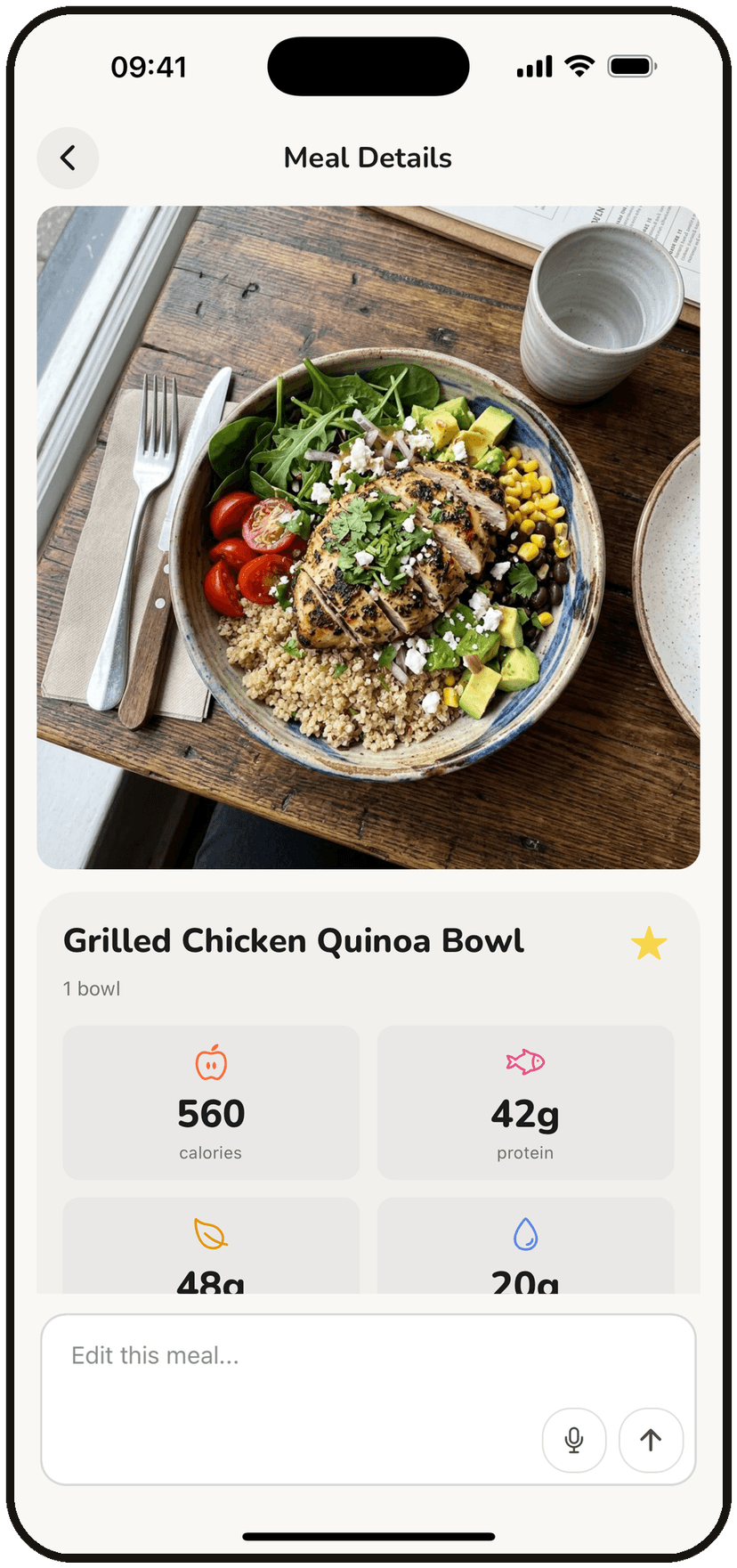
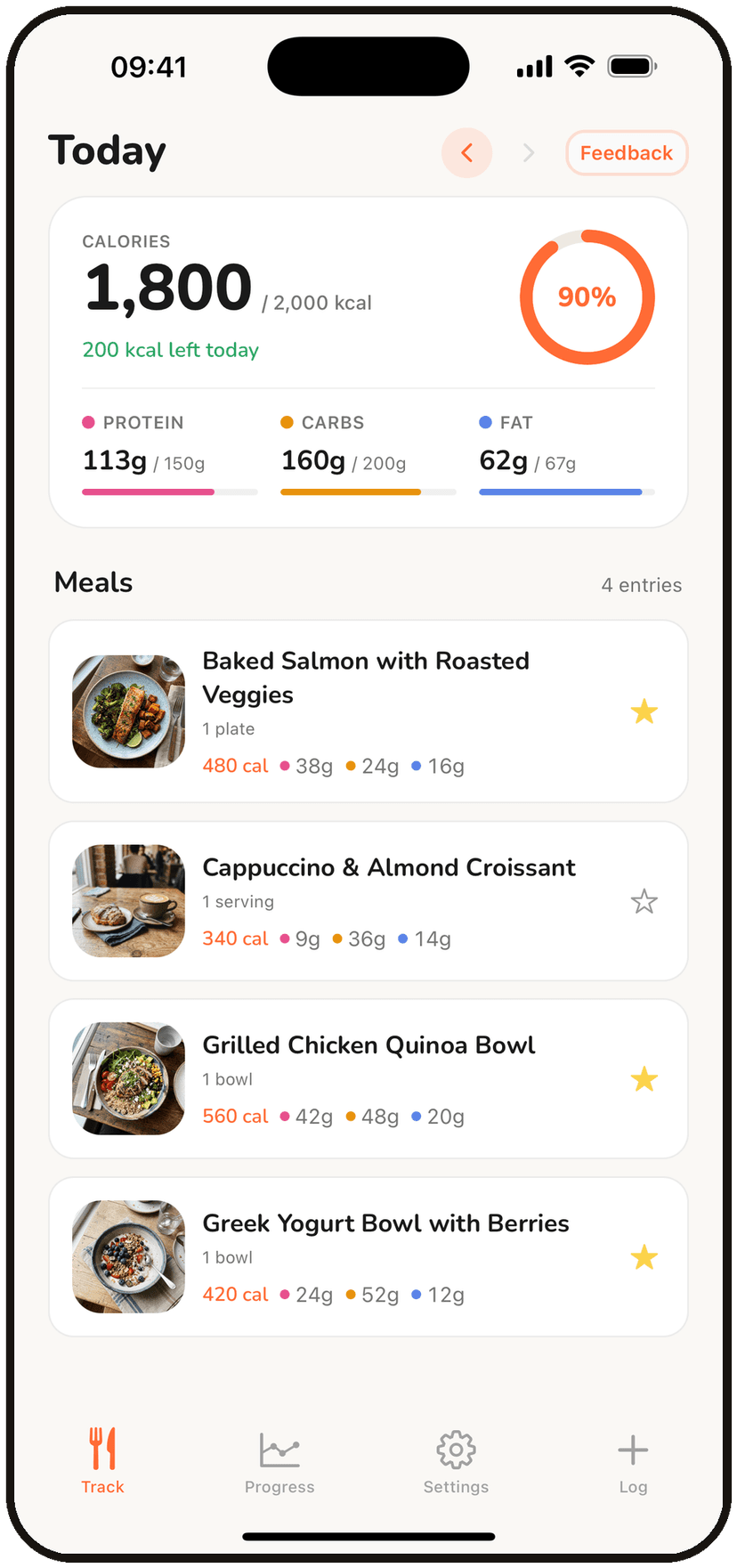
Portion guesses add up fast. BiteKit's AI estimates what's actually on your plate — oils, sides and all — so your log stays close to what you really ate.
- Log meals by photo, voice, or text
- Calories & macros estimated in seconds
- Syncs with Apple Health and Apple Watch
Free download · 3-day free trial, cancel anytime.
Scan with your iPhone camera