Carb Loading Calculator
Plan a personalized 3-day or 7-day carb-loading protocol with daily carb gram targets, macro breakdowns, and food suggestions based on your body weight and event type.
If known, we'll show how much to increase each day
We'll show exact calendar dates for each loading day
What is carb loading?
Carb loading (glycogen supercompensation) is a proven endurance strategy where you increase carbohydrate intake before a race to maximize muscle glycogen stores. Your body can store about 2,000-2,500 kcal of glycogen — enough for roughly 90-120 minutes of hard exercise. Proper loading can improve performance by 2-3%.
The Science of Glycogen Supercompensation
Glycogen supercompensation is the physiological process behind carb loading. Under normal conditions, your muscles and liver store approximately 400-500g of glycogen, providing around 1,600-2,000 kcal of readily available energy. This is enough to fuel roughly 90-120 minutes of moderate-to-high intensity exercise.
By combining reduced training volume with systematically increased carbohydrate intake, you can push glycogen stores to 150-200% of their normal capacity -- storing 600-800g of glycogen (2,400-3,200 kcal). This extra fuel reserve delays fatigue, maintains pace later in the race, and has been shown in research to improve endurance performance by 2-3%.
The key enzyme involved is glycogen synthase, which becomes more active when glycogen stores are partially depleted and carbohydrate intake is high. This is why the loading phase works best when training tapers simultaneously -- your muscles are primed to absorb and store more carbohydrates than usual.
3-Day vs. 7-Day Carb Loading Protocol
The original carb loading protocol, developed in the 1960s, involved a grueling glycogen depletion phase (exhaustive exercise plus low-carb diet) followed by several days of high-carb loading. Modern research has shown this depletion phase is unnecessary for most athletes.
3-Day Modern Protocol (Recommended)
- No depletion phase needed
- Gradual increase from 6g/kg to 11g/kg
- Easier to execute and less fatigue
- Equally effective glycogen storage
- Backed by Bussau et al. (2002) research
- Best for first-time carb loaders
7-Day Classic Protocol
- Includes glycogen depletion phase (days 7-5)
- Low-carb days followed by high-carb loading
- Can cause fatigue and irritability during depletion
- May slightly higher peak storage in some athletes
- More difficult to time with taper
- Best for experienced athletes who have practiced it
For most athletes, the 3-day protocol is the better choice. It achieves the same glycogen storage levels without the risk of arriving at the start line feeling drained from the depletion phase. The 7-day protocol may be worth considering for ultra-endurance athletes who have successfully used it before.
Best Foods for Carb Loading
Eating 8-12g of carbs per kg of body weight requires deliberate food choices. Not all carbs are created equal for loading -- you need high-carb, easily digestible options, especially on peak days.
Top Tier: High Carb, Low Fiber
White rice (45g carbs/cup), pasta (43g/cup), white bread (15g/slice), bagels (50g each), pancakes (30g each), fruit juice (26g/cup), honey (17g/tbsp), sports drinks, and energy bars. These are your primary loading foods on peak days.
Good Options: Moderate Fiber
Oatmeal (27g carbs/cup), sweet potatoes (27g/medium), bananas (27g each), dried fruit (30-40g per handful), granola, and rice cakes. Great for early loading days; reduce on the final day to avoid GI issues.
Helpful Additions
Jam, maple syrup, applesauce, pretzels, crackers, and low-fat muffins can help you reach high carb targets when regular meals are not enough. Liquid carbs (juice, sports drinks) are easy to consume when appetite is low.
Foods to Limit on Peak Days
High-fiber foods (beans, lentils, bran), fatty foods (fried items, heavy sauces, cheese), large amounts of protein (steak, chicken breast), and gas-producing vegetables (broccoli, cabbage). These can cause GI distress on race morning.
Common Carb Loading Mistakes
Even experienced endurance athletes make errors that reduce the effectiveness of their carb loading strategy. Here are the most common pitfalls and how to avoid them:
Not eating enough carbs
The most common mistake is underestimating how much food 10-12g/kg of carbs actually requires. For a 70 kg athlete, that is 700-840g of carbs -- roughly 16 cups of cooked rice spread across the day. Track your intake with an app to ensure you actually hit the target.
Eating too much fat and fiber
Loading up on pasta with heavy cream sauce or eating large salads alongside your carbs reduces the carb-to-calorie ratio and can cause GI problems. During peak loading days, deliberately choose low-fat, low-fiber carb sources.
Starting too late
Trying to carb load in just one day is not enough time for full glycogen supercompensation. Start at least 2-3 days before your event. If using the 7-day protocol, begin a full week out.
Not reducing training volume
Carb loading only works when combined with reduced training (tapering). If you continue hard training during the loading phase, your muscles will burn the extra glycogen instead of storing it. Rest or do only very light activity during loading days.
Panicking about weight gain
Gaining 1-3 kg during carb loading is normal and expected. This is water bound to glycogen -- it is fuel, not fat. Do not try to restrict calories or skip meals because the scale went up. That extra stored energy is exactly what will carry you through the race.
Frequently Asked Questions
What is carb loading and why does it work?
Carb loading (glycogen supercompensation) is a strategy where you increase carbohydrate intake in the days before an endurance event to maximize glycogen stores. Your body normally stores about 400-500g of glycogen (1,600-2,000 kcal). With proper loading, you can push this to 600-800g (2,400-3,200 kcal), giving you more fuel for sustained exercise and improving performance by 2-3%.
Should I use a 3-day or 7-day protocol?
The 3-day modern protocol is recommended for most athletes. Research has shown that 3 days of high-carb intake without a depletion phase achieves the same glycogen levels as the classic 7-day protocol. The 7-day protocol includes a glycogen depletion phase that can leave athletes feeling fatigued. Only consider the 7-day protocol if you have successfully used it before.
How many grams of carbs per kg should I eat?
For the 3-day protocol: aim for 5-7g/kg three days before, 8-10g/kg two days before, and 10-12g/kg the day before the race. For a 70 kg athlete, peak loading means eating about 770g of carbs -- equivalent to roughly 17 cups of cooked rice. This requires deliberate planning and frequent meals.
What are the best foods for carb loading?
Focus on high-carb, low-fiber foods, especially on peak days: white rice, pasta, white bread, bagels, pancakes, bananas, fruit juice, honey, jam, sports drinks, and energy bars. On earlier loading days, oatmeal and sweet potatoes are also fine. Reduce fiber and fat on the final day to minimize GI risk on race morning.
Will carb loading make me gain weight?
Yes, expect to gain 1-3 kg (2-7 lbs) during carb loading. This is water bound to stored glycogen, not body fat. Every gram of glycogen binds approximately 3g of water. This extra weight is fuel that will be used during your race. Do not restrict calories during the loading period.
What should I eat for my pre-race meal?
Eat a pre-race meal 3-4 hours before the start containing 1-4g of carbs per kg body weight. Choose easily digestible, low-fiber, low-fat foods like oatmeal with banana and honey, white toast with jam, or a bagel with peanut butter. Only eat foods you have tested during training.
iPhone app · 3-day free trial
You're likely eating 500 calories more than you think
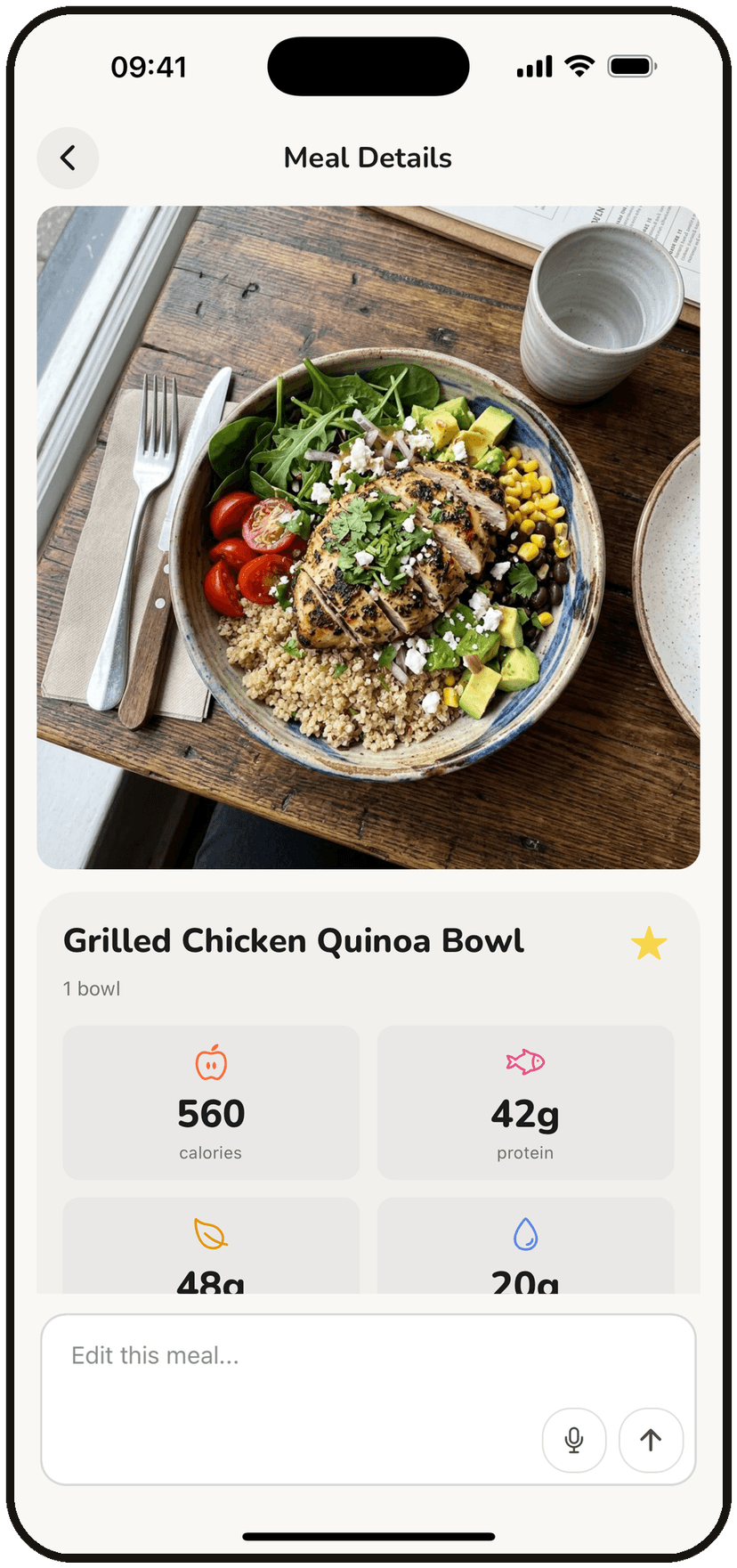
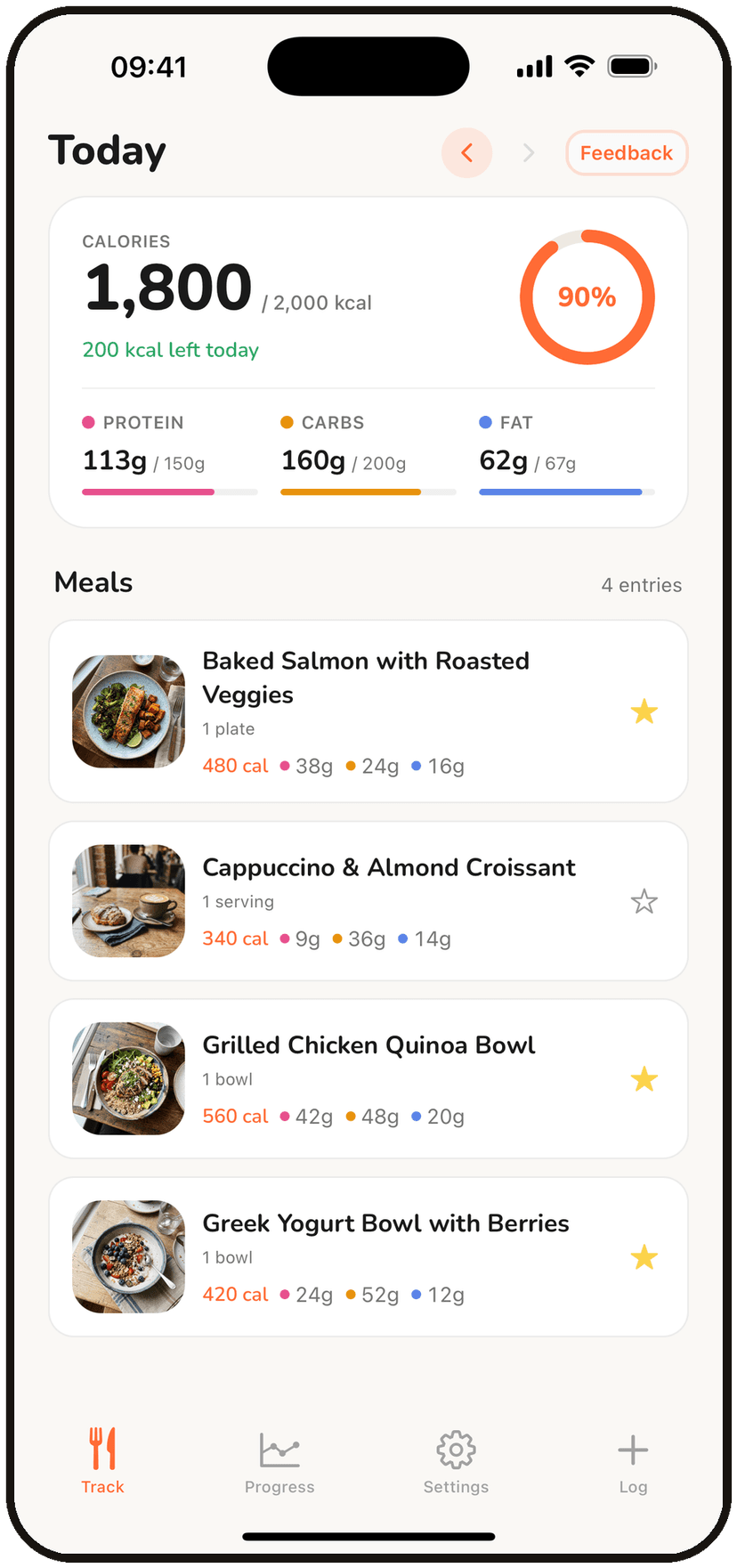
Portion guesses add up fast. BiteKit's AI estimates what's actually on your plate — oils, sides and all — so your log stays close to what you really ate.
- Log meals by photo, voice, or text
- Calories & macros estimated in seconds
- Syncs with Apple Health and Apple Watch
Free download · 3-day free trial, cancel anytime.
Scan with your iPhone camera