AI Cheat Day Analyzer
Had an epic cheat day? No judgment here. Tell us what you ate and we'll give you the calorie reality check, put it in perspective, and help you bounce back with a solid recovery plan.
Be honest - we're not here to judge, just to help you understand and move forward!
Need inspiration?
The Psychology of Cheat Days
Understanding the mental aspect of cheat days is just as important as the calorie math. Here's what research and experience tell us about occasional indulgences.
Planned vs. Unplanned
Planned cheat meals can actually boost motivation and adherence. Knowing you have flexibility makes strict days easier. Unplanned binges often come from over-restriction.
The All-or-Nothing Trap
One "bad" meal can spiral into a "bad" day, then week. Recognizing this pattern helps break it. Every meal is a fresh start - the past plate is gone.
Guilt Is Counterproductive
Research shows food guilt is associated with worse diet outcomes. Accept what happened, learn from it, and move on. Beating yourself up helps no one.
Enjoyment Matters
Food is more than fuel - it's culture, celebration, and connection. Enjoying special meals fully (without guilt) is part of a healthy relationship with food.
Why One Bad Day Won't Ruin Your Progress
Let's do the math and science to show you why a single cheat day is just a small blip in your journey.
The 3,500 Calorie Rule
It takes approximately 3,500 excess calories to gain one pound of fat. Even a 5,000 calorie day (roughly 3,000 over maintenance) would only result in less than 1 pound of actual fat gain - and that's assuming 100% storage, which doesn't happen.
Glycogen Replenishment
If you've been in a deficit, your glycogen stores are depleted. Excess carbs first go to refilling these stores (along with water), which is actually beneficial for workouts and energy levels.
Thermic Effect Increases
Higher calorie intake temporarily increases your metabolic rate. Your body burns more calories digesting and processing the extra food, meaning not all those calories "count."
Absorption Limits
Your digestive system has limits. When you eat significantly more than usual, not everything is efficiently absorbed. Some passes through without being fully utilized.
How to Recover from Overeating
The best recovery is simple: return to normal. Here's a day-by-day guide to bouncing back without punishment or restriction.
Day 1: Hydrate & Normalize
Drink plenty of water to help flush excess sodium. Eat your normal calories - NOT less. Do some light activity like walking. Focus on protein and vegetables but don't restrict.
Days 2-3: Back to Routine
Return to your regular eating pattern. The bloat will start subsiding. Exercise normally. Focus on whole, nutrient-dense foods without obsessing. Stay off the scale.
Day 4+: Everything Is Normal
By now, water weight is mostly gone. Your body has returned to baseline. Any remaining scale fluctuation is normal day-to-day variation. Continue your regular routine.
The Golden Rule
Never "make up for" a cheat day with extreme restriction. This creates an unhealthy binge-restrict cycle. One day of normal eating after a cheat day is infinitely better than one day of punishment.
Building a Healthy Relationship with Food
Long-term success isn't about perfection - it's about consistency and balance. Here's how to approach food without guilt or obsession.
The 80/20 Approach
Eat nutritious, whole foods 80% of the time. The other 20% can include treats, restaurants, and special occasions. This sustainable approach prevents feelings of deprivation.
No "Good" or "Bad" Foods
Labeling foods as "good" or "bad" creates unnecessary moral weight around eating. All foods can fit in a balanced diet. Some are more nutrient-dense; others are more for enjoyment.
Track Without Obsessing
Tracking can be a helpful awareness tool, but it shouldn't rule your life. Take breaks when needed. Use it as data, not judgment. Estimates are fine.
Celebrate Progress, Not Perfection
If you ate well 6 out of 7 days, that's 85% success. That's an A grade! Focus on what you did right, not the one day that went sideways.
Frequently Asked Questions
How does the AI cheat day analyzer work?
Simply describe everything you ate on your cheat day in the text box. Our AI analyzes your description, estimates calories for each meal, calculates macro totals, and provides perspective on the impact along with a practical recovery plan.
Will one cheat day ruin my diet progress?
No, one cheat day will not ruin your progress. Even a high-calorie day only represents about 1-1.5 lbs of potential weight gain - and your body does not store everything as fat. Glycogen replenishment, increased metabolism, and absorption limits all work in your favor.
Should I eat less after a cheat day to compensate?
No, we do not recommend restricting calories to compensate. The best approach is to return to your normal eating pattern immediately. Severe restriction can lead to binge-restrict cycles. Focus on hydration, whole foods, and getting back to your routine without punishment.
Why does the scale go up so much after a cheat day?
The scale increase is mostly water weight and food volume, not fat. High sodium and carbohydrate intake causes water retention. This temporary bloat typically resolves within 2-4 days of returning to normal eating. Don't weigh yourself for a week after a cheat day.
Are cheat days actually good for you?
Planned higher-calorie days can have benefits: they replenish glycogen, provide a mental break, and may help prevent metabolic adaptation during extended dieting. The key is moderation - enjoying yourself without going completely overboard, and getting back on track afterward.
How accurate are the calorie estimates?
Our AI provides reasonable estimates based on typical portion sizes and food database values. While not perfectly precise, they are accurate enough for the purpose: giving you perspective and a realistic picture. The exact number matters less than understanding the relative impact.
Free app
You're likely eating 500 calories more than you think
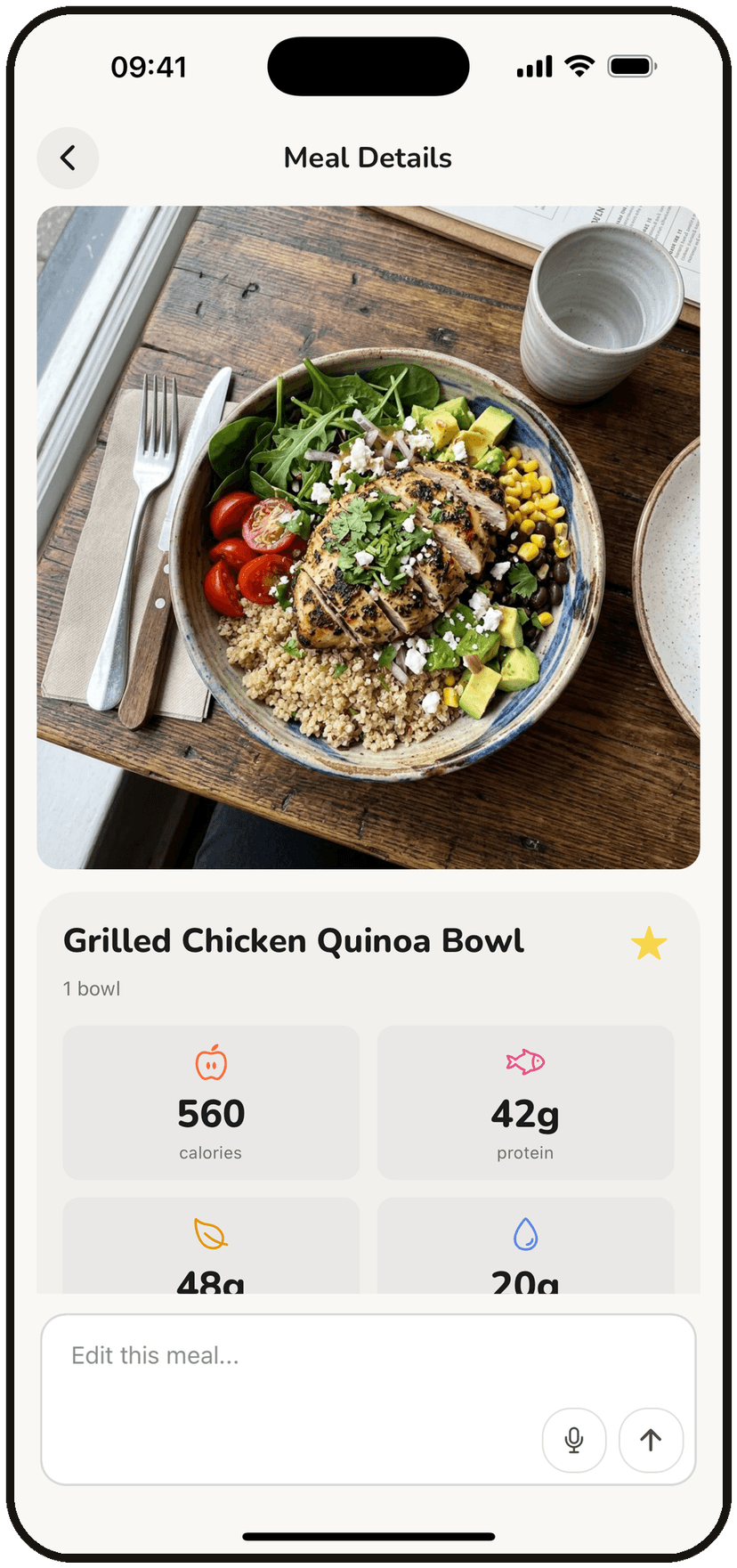
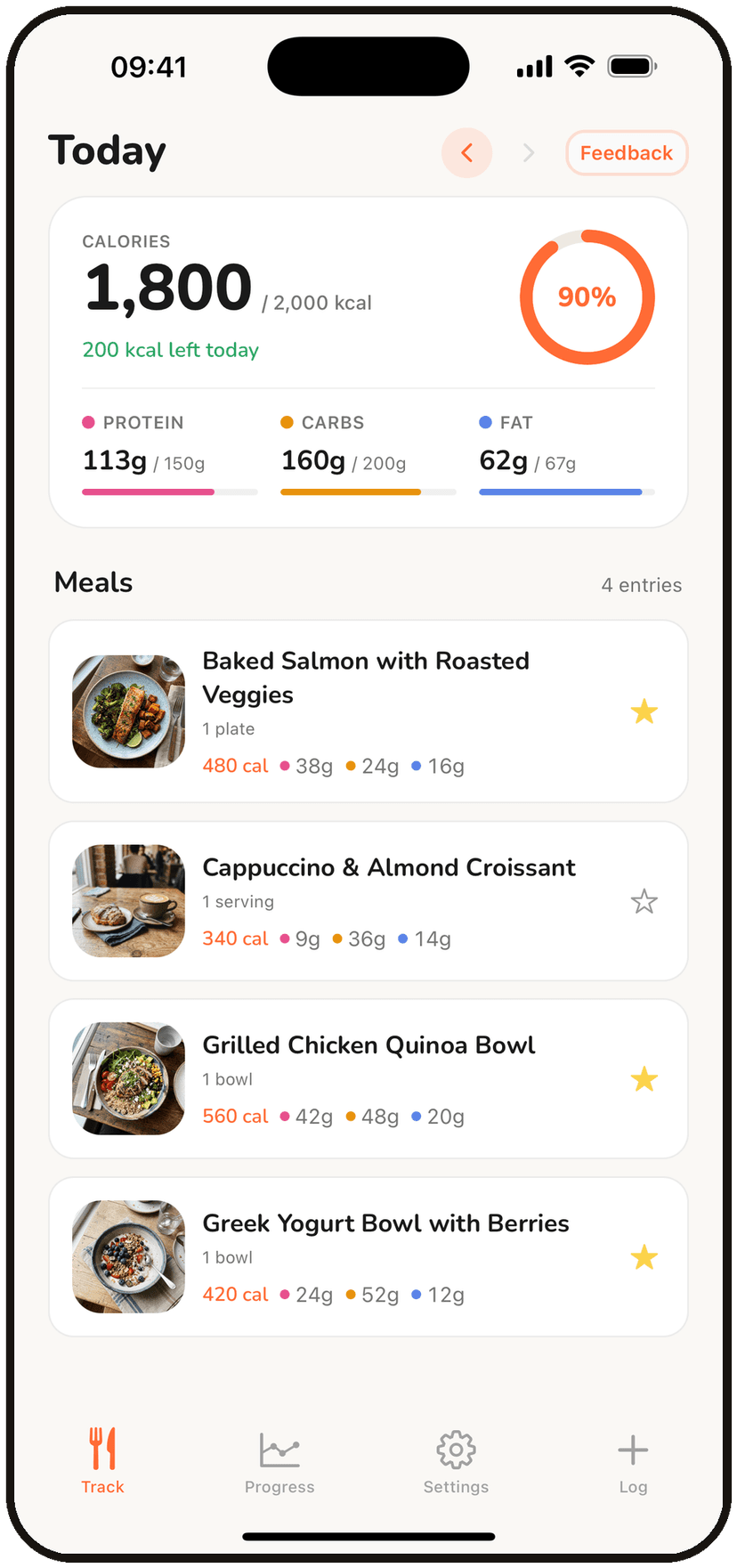
Portion guesses add up fast. BiteKit's AI reads your actual plate, so the number you track is the number you ate.
- Photo, voice, or text input
- Instant calorie & macro tracking
- Private by design — no password required
Free to download. No credit card required.
Scan to get the app