Cheat Meal Calculator
Find out exactly how many calories you can enjoy on a cheat day while still reaching your weekly weight goals. Plan guilt-free cheat meals that fit your diet.
The calories you eat on your regular diet days
How many days per week you eat at your daily target
This leaves 1 cheat day per week
Total calorie deficit for the week (3500 cal = ~0.5 kg or 1 lb loss)
What is a Cheat Meal?
A cheat meal is a planned break from your regular diet where you allow yourself to enjoy foods you typically restrict. It's a psychological and sometimes physiological tool used in flexible dieting to maintain long-term adherence to a nutrition plan.
The concept behind cheat meals is simple: by occasionally satisfying cravings, you reduce the feeling of deprivation that often leads to diet abandonment. When planned properly using a weekly calorie budget, cheat meals can be part of a successful weight management strategy.
Benefits of Cheat Meals
- ✓Reduces feelings of restriction and deprivation
- ✓Improves long-term diet adherence
- ✓Provides a mental break from tracking
- ✓Can boost metabolism temporarily
Things to Watch Out For
- !Can become a binge if not planned
- !May trigger unhealthy eating patterns
- !Temporary water weight gain is normal
- !Overindulging can erase weekly deficit
Cheat Meals vs. Refeed Days
While both cheat meals and refeed days involve eating more than your usual diet allows, they serve different purposes and are structured differently. Understanding the distinction can help you choose the right approach for your goals.
Cheat Meal
- Focus:Psychological satisfaction
- Duration:One meal or a few hours
- Food choice:Any foods you enjoy
- Tracking:Optional but recommended
- Best for:Maintaining diet sanity
Refeed Day
- Focus:Hormonal and metabolic reset
- Duration:Full day or multiple days
- Food choice:High-carb, moderate protein, low fat
- Tracking:Precise calorie and macro tracking
- Best for:Restoring leptin after extended dieting
The Psychology of Cheat Meals
The most powerful benefit of cheat meals is psychological. Strict dieting creates a sense of restriction that can lead to cravings, obsessive food thoughts, and eventually, diet abandonment. Strategic cheat meals address these psychological challenges.
The Restriction-Binge Cycle
When foods are completely off-limits, they become more desirable. This can lead to a cycle of strict restriction followed by uncontrolled binging. Planned cheat meals break this cycle by removing the "forbidden" status of certain foods.
Social Connection
Food is often a social activity. Cheat meals allow you to participate in dinners, celebrations, and social gatherings without feeling isolated by your diet. This social aspect contributes to better long-term diet adherence.
Reward and Motivation
Having a planned cheat meal to look forward to can provide motivation to stay on track during the week. It serves as a reward for your discipline and makes the journey feel more sustainable.
How to Do Cheat Meals Right
A successful cheat meal strategy requires planning and awareness. Here are the key principles to enjoy cheat meals while still making progress toward your goals.
Plan Ahead
Use this calculator to determine your cheat day budget. Knowing your limit helps you enjoy without overdoing it.
Choose Quality
Pick foods you truly enjoy rather than eating everything in sight. A satisfying meal beats multiple mediocre snacks.
Stay Mindful
Eat slowly and savor your food. Mindful eating helps you recognize fullness and prevents unconscious overeating.
Get Back on Track
The day after your cheat meal, return to your regular eating plan. One meal does not define your progress.
Track Your Week
Use a food tracking app to monitor your weekly average. This ensures your cheat meals fit within your overall plan.
Adjust as Needed
If you are not seeing results, reduce cheat meal frequency or size. Everyone responds differently to flexible dieting.
When Cheat Meals Become a Problem
While cheat meals can be a healthy part of flexible dieting, they can also become problematic for some people. It's important to recognize warning signs and adjust your approach if needed.
Binge Eating Patterns
If cheat meals regularly turn into uncontrolled binges where you eat to the point of discomfort, this may indicate a problematic relationship with food that requires professional support.
Guilt and Shame Cycles
If you feel intense guilt or shame after cheat meals, leading to restrictive behavior, this all-or-nothing mindset can be harmful. Cheat meals should feel enjoyable, not anxiety-inducing.
Compensatory Behaviors
Excessive exercise, fasting, or purging after cheat meals are signs of disordered eating. If you find yourself engaging in these behaviors, please seek help from a healthcare professional.
No Progress Despite Tracking
If you are not making progress toward your goals despite tracking, your cheat meals may be larger than you realize. Consider more accurate tracking or reducing cheat meal frequency.
Frequently Asked Questions
How many calories can I eat on a cheat day?
It depends on your weekly budget and how many days you stay on target. Use our calculator above to find your exact cheat day allowance. Generally, if you stick to your target for 6 days, you can enjoy significantly more calories on day 7 while maintaining progress.
Will a cheat meal ruin my diet progress?
Not if you plan it properly. What matters is your weekly calorie average, not single days. A planned cheat meal that fits within your weekly budget will not derail your progress. The key is to calculate your allowance and stick to it.
How often should I have a cheat meal?
Most people do well with one cheat meal or day per week (the classic 80/20 or 90/10 approach). If you have a lot of weight to lose, you might start with less frequent cheat meals. Those closer to their goal or maintaining may enjoy more flexibility.
What is the difference between a cheat meal and a refeed?
A cheat meal is focused on psychological satisfaction and involves eating whatever you want. A refeed day is a structured approach focused on eating higher carbohydrates at maintenance calories to restore leptin levels. Refeeds are typically used by athletes or those on very long diets.
Can I lose weight while having weekly cheat meals?
Absolutely! Many successful dieters include regular cheat meals. The key is maintaining a weekly calorie deficit. Our calculator helps you find the balance between enjoying cheat meals and still losing weight at your desired rate.
Why did I gain weight after a cheat day?
Temporary weight gain after a cheat day is usually water retention, not fat gain. High-sodium and high-carb foods cause your body to retain more water. This typically normalizes within 1-3 days of returning to your regular diet. Do not let the scale discourage you!
Free app
You're likely eating 500 calories more than you think
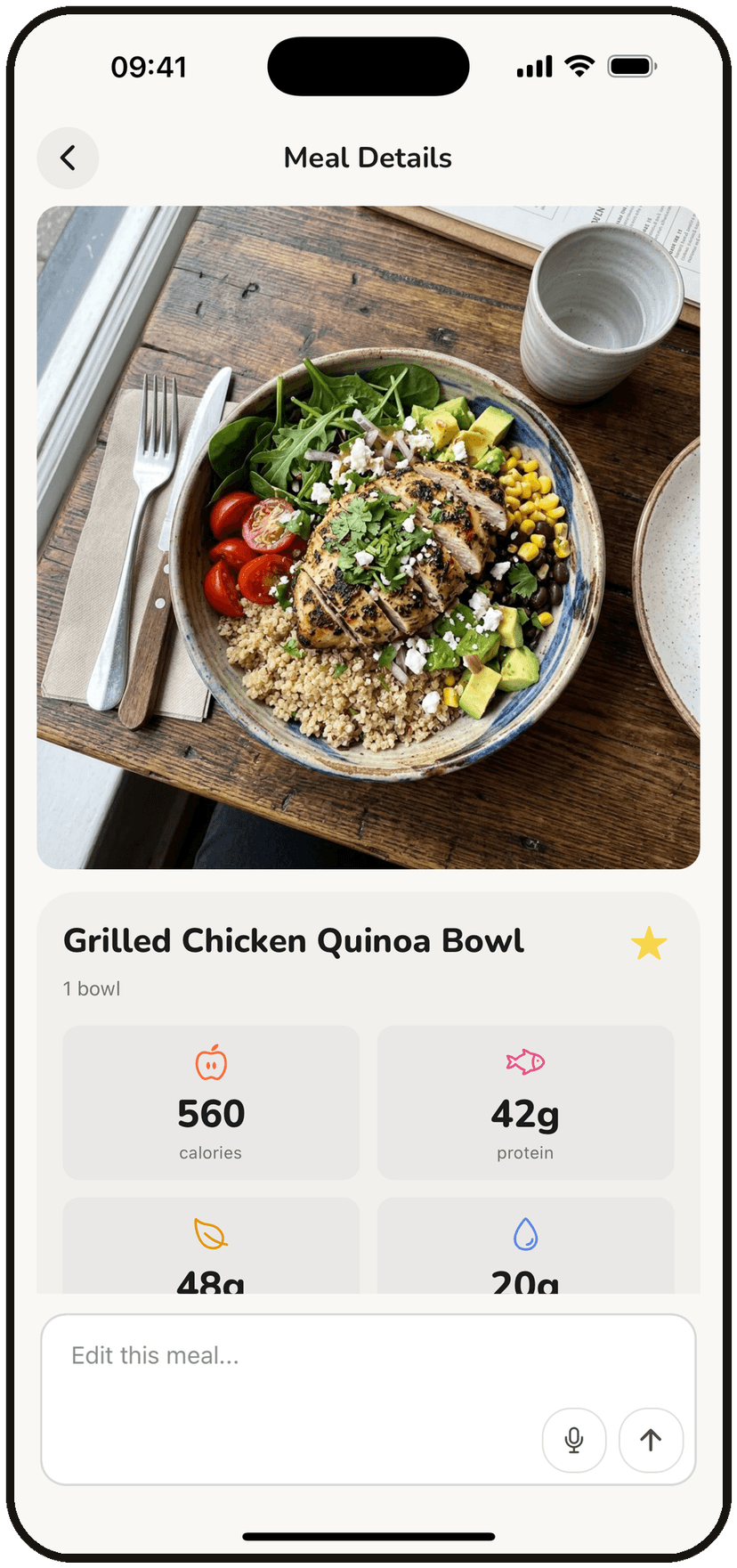
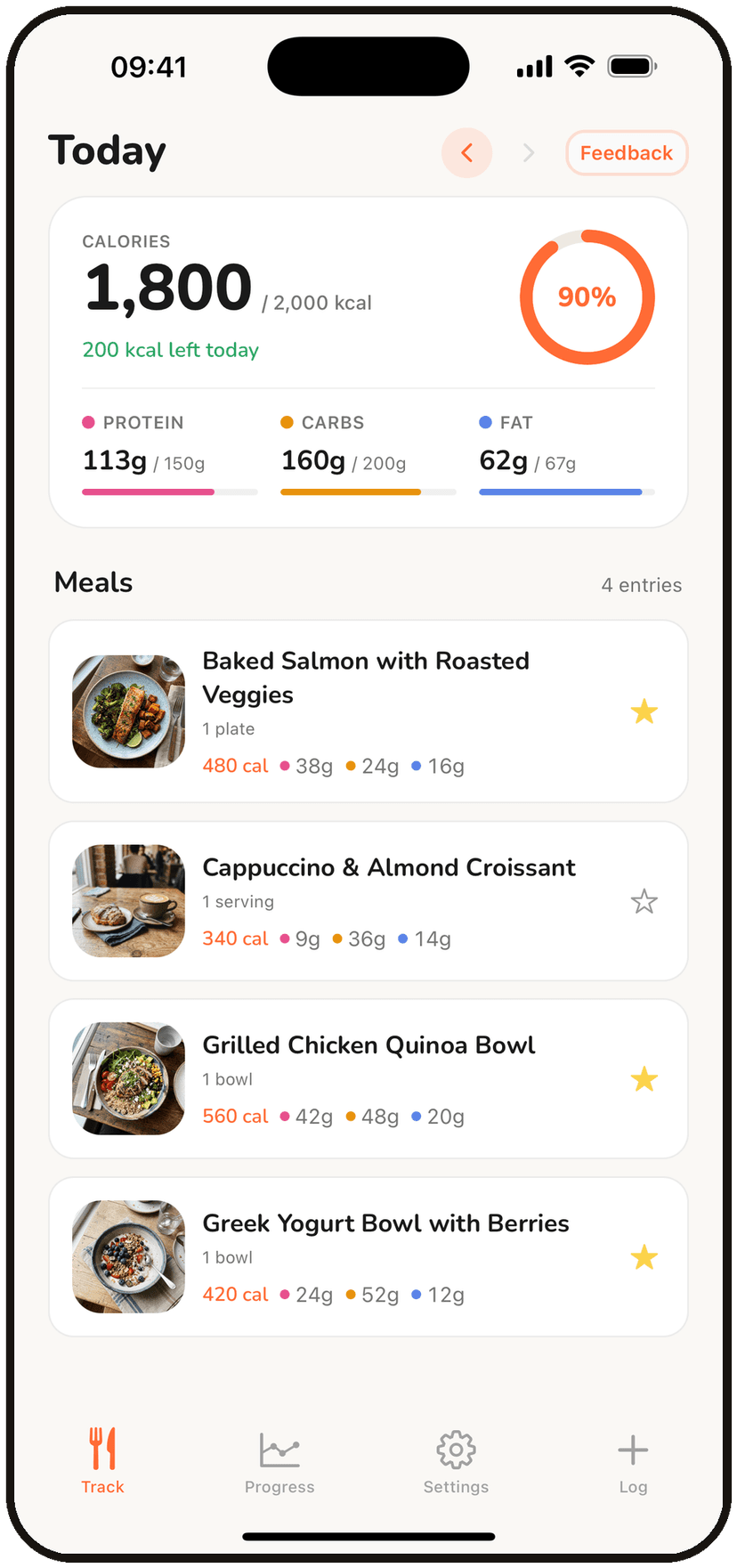
Portion guesses add up fast. BiteKit's AI reads your actual plate, so the number you track is the number you ate.
- Photo, voice, or text input
- Instant calorie & macro tracking
- Private by design — no password required
Free to download. No credit card required.
Scan to get the app