Circadian Eating Window Calculator
Find your optimal daily eating window based on your wake time, chronotype, and schedule. Backed by time-restricted eating research from the Salk Institute.
The Science of Circadian Eating
What Is Time-Restricted Eating?
Time-restricted eating (TRE) — also called circadian eating — means consuming all daily calories within a consistent 8-12 hour window, ideally aligned with daylight hours. Unlike intermittent fasting protocols focused on total fasting duration, TRE emphasizes the timing of the eating window relative to your internal biological clock.
Dr. Satchidananda Panda and his team at the Salk Institute have conducted landmark research showing that mice fed the same high-fat diet but restricted to an 8-hour window weigh significantly less and have better metabolic health than mice allowed to eat at any time — even though total calories are identical.
The Cortisol Awakening Response and Meal Timing
Within 30-60 minutes of waking, cortisol surges as part of the cortisol awakening response (CAR). This cortisol spike serves as a biological alarm clock, mobilizing energy stores and synchronizing peripheral clocks in the liver, pancreas, and intestines with the central circadian clock in the brain (the suprachiasmatic nucleus).
Eating immediately after waking blunts this cortisol peak and can desynchronize peripheral clocks. Waiting 1-2 hours before your first meal allows cortisol to naturally decline and your body to prepare optimal insulin signaling for the incoming meal.
Why Earlier Eating Windows Are Superior
Insulin sensitivity follows a diurnal rhythm — it is highest in the morning and progressively decreases throughout the day. The same 500-calorie meal consumed at 8 AM produces a smaller, shorter insulin spike than the same meal consumed at 8 PM. Chronobiology research shows that eating earlier:
- •Reduces fasting glucose and insulin levels
- •Lowers blood pressure and triglycerides
- •Improves fat oxidation (fat burning rates)
- •Produces greater weight loss at the same calorie intake
- •Enhances sleep quality by keeping digestion away from the sleep period
Chronotype: Why Your Eating Window Is Personal
Chronotype describes your genetically influenced preference for sleep-wake timing. About 20-25% of people are early birds, 55-60% are intermediate, and 20-25% are night owls. Your chronotype is controlled partly by variations in clock genes (PER2, PER3, CLOCK) and shifts with age — teenagers are naturally night owls, while adults trend earlier.
Because a night owl's circadian phase is naturally delayed by 1-2 hours relative to an early bird's, forcing them to eat at the same clock time creates internal circadian misalignment. This calculator adjusts your optimal eating window start and end times based on your chronotype so you get the metabolic benefits of circadian alignment without fighting your biology.
Calorie Distribution: Front-Loading for Metabolic Health
The pattern of distributing more calories earlier in the day (front-loading) and fewer calories at dinner is associated with significantly better metabolic outcomes. A 2013 study by Garaulet et al. found that eating the main meal before 3 PM resulted in greater weight loss than eating it after 3 PM — even with identical total calories and macronutrients.
This calculator uses a 20/40/25/15 distribution: 20% at breakfast, 40% at lunch, 25% at a mid-afternoon snack, and only 15% at dinner. This front-loads 60% of calories into the first half of the eating window when insulin sensitivity and digestive enzyme activity are highest.
Night Shift Workers: Managing Circadian Disruption
Night shift workers are at significantly higher risk for obesity, type 2 diabetes, cardiovascular disease, and gastrointestinal issues due to chronic circadian misalignment. Research suggests the best strategy is to:
- •Maintain a consistent eating schedule aligned with your sleep period
- •Avoid heavy meals during the biological night (2-6 AM for day workers)
- •Use bright light exposure during your work shift to entrain your clock
- •Keep eating windows consistent on both work and off days to reduce metabolic disruption
Frequently Asked Questions
What is a circadian eating window?
A circadian eating window is the daily time period during which you consume all your calories, timed to align with your body's internal biological clock. Research shows that eating within an 8-12 hour window — especially earlier in the day — significantly improves insulin sensitivity, metabolism, and sleep quality.
How does chronotype affect the best time to eat?
Chronotype is your genetically influenced sleep-wake preference. Early birds have an advanced circadian phase, so their optimal window starts and ends earlier. Night owls have a delayed phase — their optimal window shifts 1-2 hours later. Eating against your chronotype creates circadian misalignment, which has metabolic consequences similar to jet lag.
Why wait before eating after waking?
Cortisol peaks 30-60 minutes after waking as a natural biological signal. Eating immediately blunts this peak and can desynchronize your metabolic clocks. Waiting 1-2 hours allows cortisol to complete its role in readying your metabolism before you add the insulin response of a meal.
Is time-restricted eating the same as intermittent fasting?
They overlap but differ in emphasis. Intermittent fasting (like 16:8) focuses on the fasting duration and often allows flexibility in when the eating window occurs. Time-restricted eating specifically emphasizes aligning the eating window with daylight and biological rhythms — the timing relative to your circadian clock matters as much as the window length.
Can I still do this if I work irregular shifts?
Yes. For shift workers, consistency of eating window relative to your sleep schedule is more important than the clock time. This calculator's night shift mode adjusts recommendations relative to your personal sleep-wake cycle rather than the solar cycle.
What if my eating window can't start or end at the optimal time?
Start with what is achievable. Even a 1-hour shift toward the optimal window has measurable metabolic benefits. Gradually adjust your eating times by 15-30 minutes every few days rather than making a sudden change.
Related Tools
iPhone app · 3-day free trial
You're likely eating 500 calories more than you think
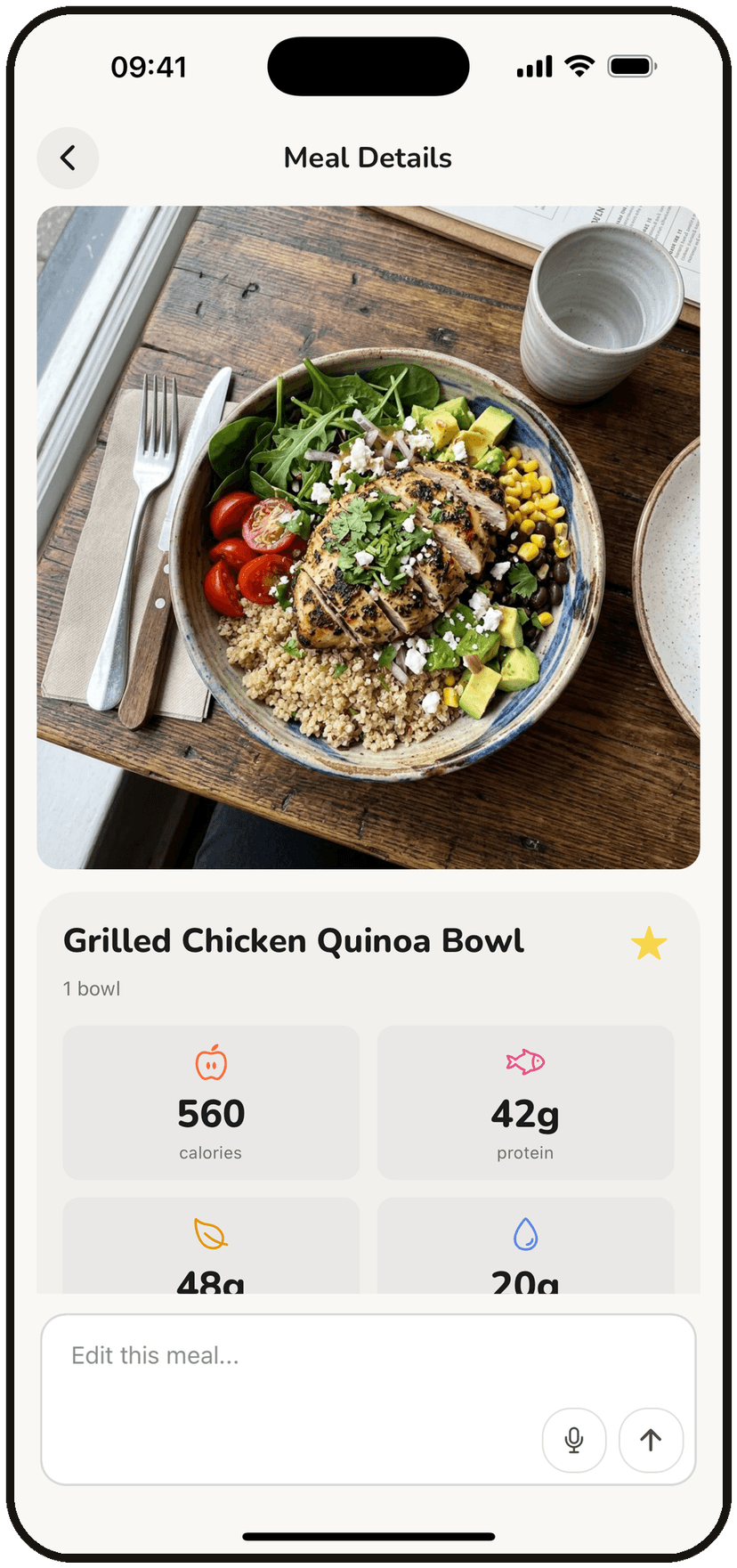
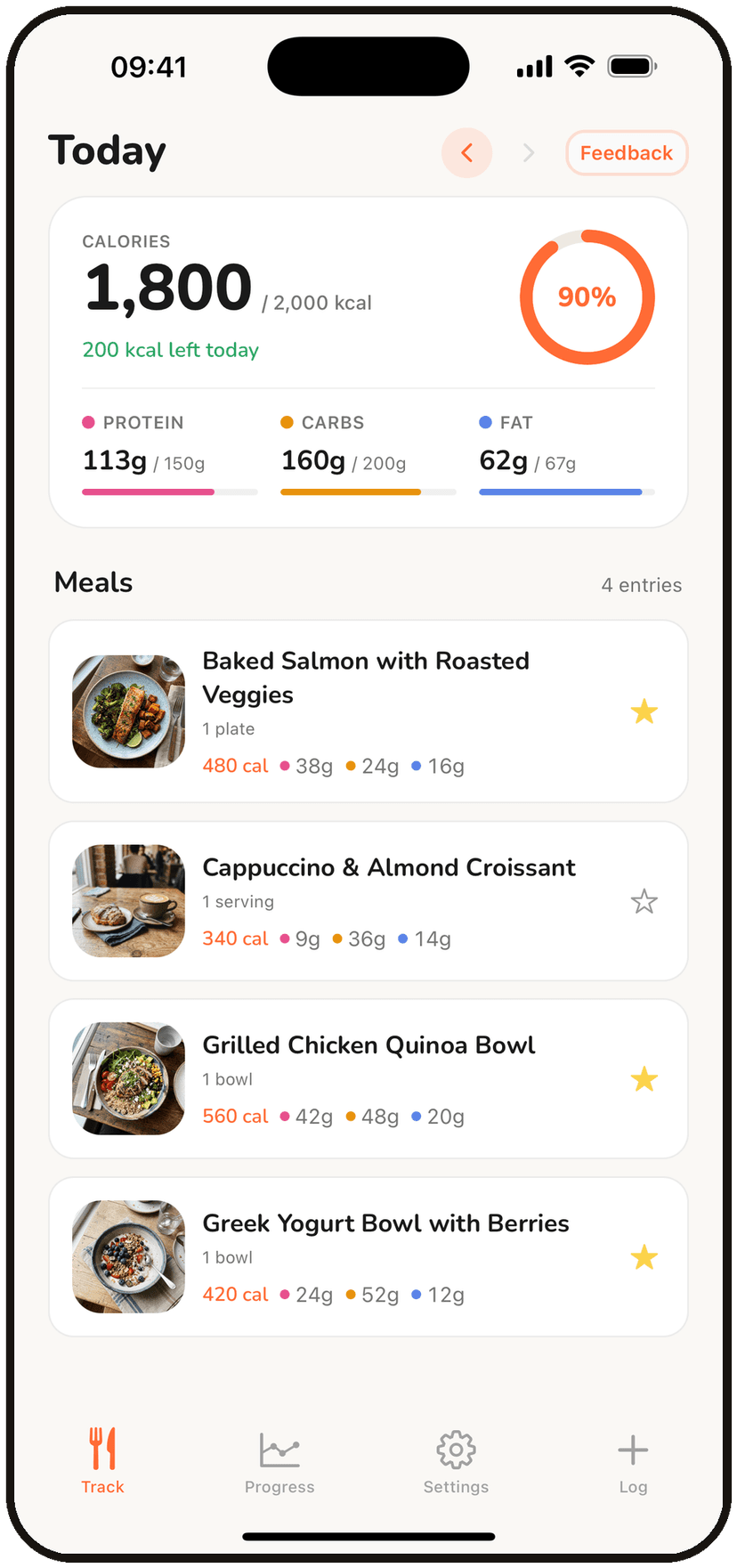
Portion guesses add up fast. BiteKit's AI estimates what's actually on your plate — oils, sides and all — so your log stays close to what you really ate.
- Log meals by photo, voice, or text
- Calories & macros estimated in seconds
- Syncs with Apple Health and Apple Watch
Free download · 3-day free trial, cancel anytime.
Scan with your iPhone camera