Cold Plunge Calorie Calculator
Estimate how many calories your cold water immersion actually burns — including the post-plunge metabolic recovery bonus and brown adipose tissue activation estimate.
How Cold Water Immersion Burns Calories
When you submerge in cold water, your body faces a physiological emergency: maintain core temperature at 37°C (98.6°F) or risk hypothermia. To accomplish this, your metabolism kicks into high gear through two mechanisms — shivering thermogenesis and non-shivering thermogenesis — both of which burn significant calories.
Water conducts heat away from the body 25 times faster than air at the same temperature. This rapid heat loss forces the body to generate heat at a dramatically accelerated rate, elevating your metabolic equivalent (MET) value well above resting levels. Even a 10-minute session in moderately cold water can produce a calorie expenditure comparable to 20–30 minutes of walking.
Shivering vs. Non-Shivering Thermogenesis
Cold-induced calorie burn comes from two distinct pathways, each with different characteristics:
Shivering Thermogenesis
Rapid, involuntary muscle contractions that generate heat through mechanical work. Shivering can increase metabolic rate 2–5x above resting levels and is the dominant mechanism in cold-naive individuals. It burns more calories per minute but is unsustainable and diminishes with cold adaptation.
Non-Shivering Thermogenesis (BAT)
Brown adipose tissue (BAT) generates heat by uncoupling the electron transport chain — burning glucose and fatty acids to produce heat rather than ATP. It is silent, efficient, and is upregulated with regular cold exposure. Regular cold plungers rely more heavily on BAT, burning calories quietly even without obvious shivering.
Brown Fat Activation and Long-Term Metabolic Benefits
Brown adipose tissue (BAT) is found primarily in the neck, collarbone region, and along the spine. Unlike white fat, BAT is packed with mitochondria (hence its brown color) and exists specifically to generate heat. Cold exposure below 15°C (59°F) is the most reliable stimulus for BAT activation.
Research shows that regular cold exposure increases BAT volume, density, and activity over weeks and months. This means that consistent cold plunging can meaningfully raise your baseline metabolic rate — not just during sessions, but at rest throughout the day. Studies have found up to a 15% increase in whole-body energy expenditure in individuals with high BAT activity compared to those with low BAT.
- Norepinephrine release: Cold immersion triggers a 2–3x spike in norepinephrine, which directly activates BAT and also improves mood, focus, and alertness for hours afterward.
- Insulin sensitivity: BAT activation improves glucose uptake and insulin sensitivity, which has downstream benefits for body composition and metabolic health.
- Post-plunge metabolic elevation: Metabolic rate stays elevated for 30–60 minutes after a cold plunge as your body continues rewarming. This calculator estimates this recovery bonus separately.
Temperature Guide & Safety Recommendations
| Temperature Range | MET Value | Safe Duration | Best For |
|---|---|---|---|
| 50–65°F (10–18°C) | 3.0–4.5 | Up to 30–60 min | Beginners, recovery, daily practice |
| 40–50°F (4–10°C) | 4.5–7.0 | 5–15 min | Fat loss, BAT activation, intermediate users |
| 34–40°F (1–4°C) | 7.0–9.0 | 1–5 min max | Experienced only, max thermogenesis |
Safety note: These guidelines are for healthy adults without cardiovascular conditions, cold urticaria, or Raynaud's disease. Always consult a physician before beginning cold water immersion therapy. Never plunge alone, especially in very cold water.
Building a Cold Plunge Protocol
Beginner Protocol (0–5 sessions)
Start at 60–65°F (15–18°C) for 2–3 minutes. Focus on controlled breathing (slow exhale through pursed lips) to manage the initial cold shock response. Repeat 2–3 times per week. Calorie burn is highest in this phase due to vigorous shivering.
Intermediate Protocol (6–20 sessions)
Progress to 50–58°F (10–14°C) for 5–10 minutes. You should notice reduced shivering and greater tolerance — this is cold adaptation beginning. BAT activation is now contributing more to thermogenesis. Aim for 3–5 sessions per week.
Experienced Protocol (21–50 sessions)
Try 45–55°F (7–13°C) for 10–15 minutes. You can now sustain longer sessions with less discomfort. Focus on maximizing BAT activation time. Post-plunge benefits (mood, focus, metabolism) are now more pronounced and longer-lasting.
Regular Protocol (50+ sessions)
You can safely explore 40–50°F (4–10°C) for 10–15 minutes. At this level, your BAT is well-developed and non-shivering thermogenesis dominates. Per-session calorie burn is lower per minute, but cumulative metabolic and hormonal benefits are substantial.
Frequently Asked Questions
How many calories does a cold plunge burn?
A 10-minute cold plunge at 55°F (13°C) burns roughly 80–130 calories for a 170 lb person, depending on cold adaptation. Including the 30-min post-plunge recovery bonus adds another 20–40 calories. Use the calculator above for your specific inputs.
Does cold water immersion burn more calories than exercise?
Cold immersion has a higher calorie burn per minute than low-intensity exercise, but exercise typically produces more total calories because sessions are longer. Cold plunging complements exercise — it does not replace it. The unique advantage is the post-plunge metabolic elevation and long-term BAT development.
What is brown fat and why does cold water activate it?
Brown adipose tissue (BAT) is a heat-generating fat found mainly in the neck and collarbone area. Cold exposure below 15°C (59°F) triggers norepinephrine release, which activates BAT to burn glucose and fat for heat. Regular cold exposure increases BAT volume and activity, raising baseline metabolism.
Why do experienced cold plungers burn fewer calories?
Cold adaptation makes thermogenesis more efficient. Acclimatized individuals rely more on quiet BAT activation and less on shivering, which uses less energy per degree of heat generated. This is a positive adaptation — it indicates improved cold tolerance and higher BAT activity.
What temperature cold plunge burns the most calories?
The coldest water (34–40°F / 1–4°C) produces the highest MET value (7–9), but safe duration is only 1–5 minutes. For maximum total calorie burn, moderately cold water (50–59°F / 10–15°C) for 10–15 minutes is often more effective overall. Temperature and duration must be balanced.
How long should a cold plunge be for weight loss?
10–15 minutes at 50–59°F (10–15°C) is an effective target for fat loss. Beginners should start with 2–5 minutes at milder temperatures and progress gradually. Consistency over weeks matters more than single-session duration — daily sessions build BAT and produce cumulative metabolic benefits.
Related Tools
iPhone app · 3-day free trial
You're likely eating 500 calories more than you think
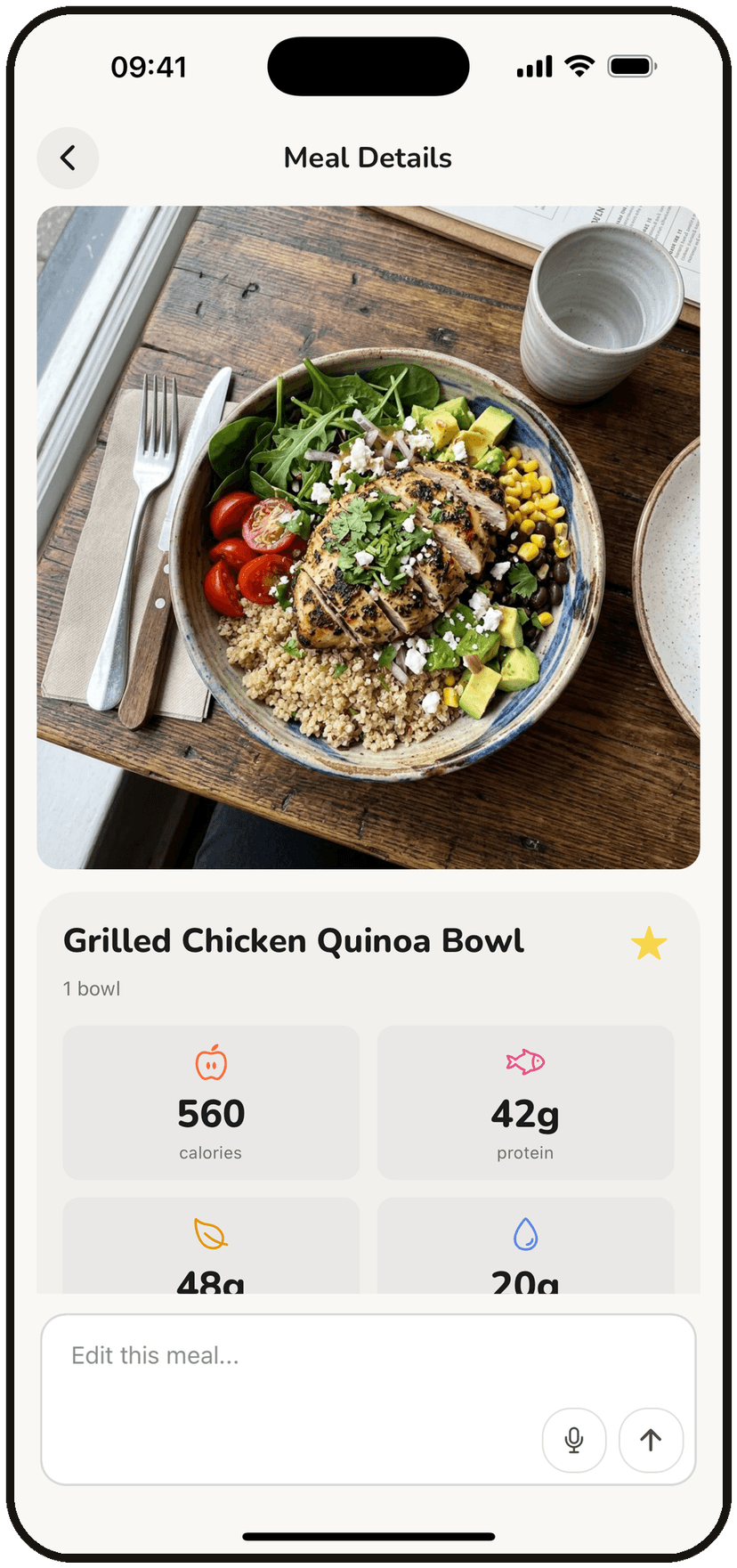
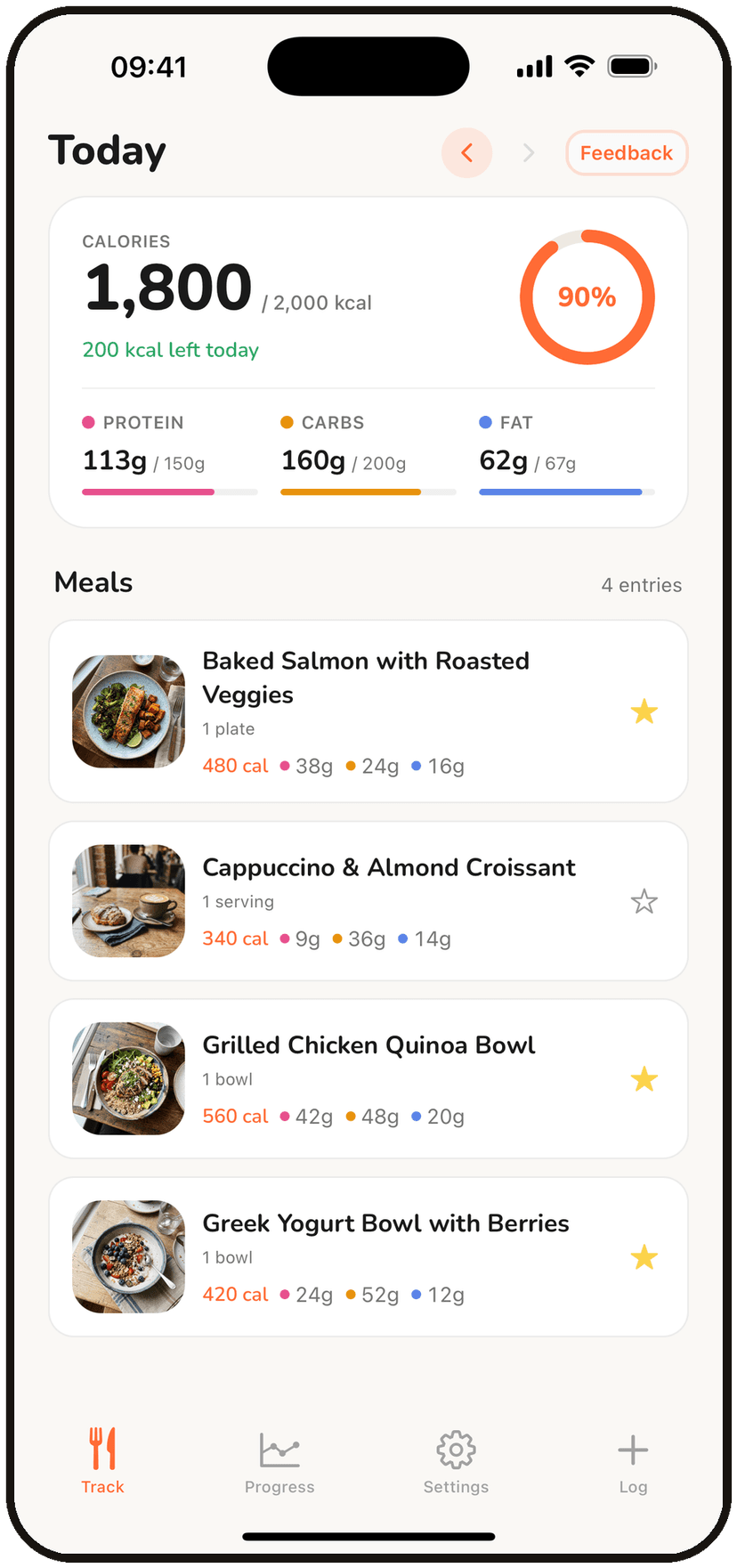
Portion guesses add up fast. BiteKit's AI estimates what's actually on your plate — oils, sides and all — so your log stays close to what you really ate.
- Log meals by photo, voice, or text
- Calories & macros estimated in seconds
- Syncs with Apple Health and Apple Watch
Free download · 3-day free trial, cancel anytime.
Scan with your iPhone camera