Collagen Intake Calculator
Calculate your optimal daily collagen peptide dose based on your specific goal — with vitamin C pairing guidance, collagen type recommendations, and food-source alternatives.
Age affects dosing — older adults (40+) have greater anabolic resistance and need slightly more
The Science of Collagen Supplementation
Collagen is the most abundant protein in the human body, making up 25-35% of total protein content. It provides structural support to skin, bones, cartilage, tendons, ligaments, and the gut lining. As we age, collagen synthesis declines at roughly 1-1.5% per year from the mid-20s — making supplementation increasingly relevant from age 30 onward.
Hydrolyzed collagen peptides (the most common supplement form) are broken into small peptides that are efficiently absorbed in the small intestine. Research from multiple RCTs shows that these peptides preferentially concentrate in collagen-rich tissues — particularly skin, cartilage, and tendons — where they stimulate fibroblasts to increase collagen production.
Why Dose Varies by Goal
Skin Health: 2.5-5g/day
Small doses are surprisingly effective for skin. The Proksch et al. (2014) trial showed significant improvements in skin elasticity and hydration with just 2.5g/day of collagen peptides over 8 weeks. The mechanism is stimulation of dermal fibroblasts rather than direct incorporation.
Joint Health: 10-15g/day
Joints require higher doses because collagen must be delivered to cartilage, which has poor blood supply. Multiple OA trials use 10-15g/day, and the pre-activity timing ensures peak blood amino acid levels coincide with mechanical joint loading — which drives the benefit.
Gut Health: 5-10g/day
The gut lining is composed largely of collagen-rich extracellular matrix. Glycine and proline (abundant in collagen) are key substrates for intestinal epithelial repair. A 5-10g/day dose provides meaningful amounts of these amino acids without oversupplementation.
Tendon/Ligament: 15-25g/day
Shaw et al. (2017) established the 15g + vitamin C protocol as the evidence-based standard for connective tissue synthesis. The pre-exercise window is critical — the mechanical loading signal (exercise) and the nutritional substrate (collagen amino acids) must coincide for maximum effect.
Collagen vs. Protein: Are They the Same?
No — collagen is not a substitute for complete protein. Collagen is technically an incomplete protein (lacking tryptophan) with a very different amino acid profile from whey, egg, or meat proteins. It is uniquely rich in glycine (~33%), proline (~13%), and hydroxyproline (~10%) — amino acids that are limiting in most Western diets and are specifically needed for connective tissue synthesis.
Think of collagen as a targeted nutraceutical for connective tissue, separate from your daily protein intake for muscle protein synthesis. Your muscle-building protein targets (0.7-1g/lb body weight) should be met with complete proteins. Collagen is an addition, not a replacement.
Frequently Asked Questions
How much collagen should I take per day?
The optimal dose depends on your goal. Skin health: 2.5-5g/day. Joint health: 10-15g/day. Gut health: 5-10g/day. Tendon/ligament support: 15-25g/day taken before exercise. Older adults should aim for the higher end of each range.
Does vitamin C help collagen work better?
Yes — vitamin C is a required cofactor for collagen synthesis in your body. It enables the enzyme prolyl hydroxylase to cross-link collagen fibers, making them structurally stable. The Shaw et al. (2017) study used 50mg vitamin C with 15g collagen 1 hour before exercise and doubled collagen synthesis vs. placebo.
Marine vs. bovine collagen — which is better?
Both are predominantly Type I collagen, and research shows similar efficacy. Marine collagen has smaller peptides (lower molecular weight) which may absorb slightly faster. Bovine collagen is more cost-effective and also contains Type III. For joint support, UC-II (undenatured chicken type II collagen) is uniquely suited as the only reliable source of type II.
When is the best time to take collagen?
For tendon and joint goals, 45-60 minutes before exercise is the most evidence-based protocol. For skin and general health, morning on empty stomach or before bed are both effective. The most important factor is consistency — taking it at the same time daily regardless of timing.
How long until collagen works?
Skin benefits are typically visible in 4-8 weeks. Joint improvements take 12-24 weeks of consistent use for OA. Tendon strengthening requires 6-12 weeks of pre-exercise dosing. Gut benefits may appear in 4-8 weeks. Collagen requires long-term consistency to see meaningful results.
iPhone app · 3-day free trial
You're likely eating 500 calories more than you think
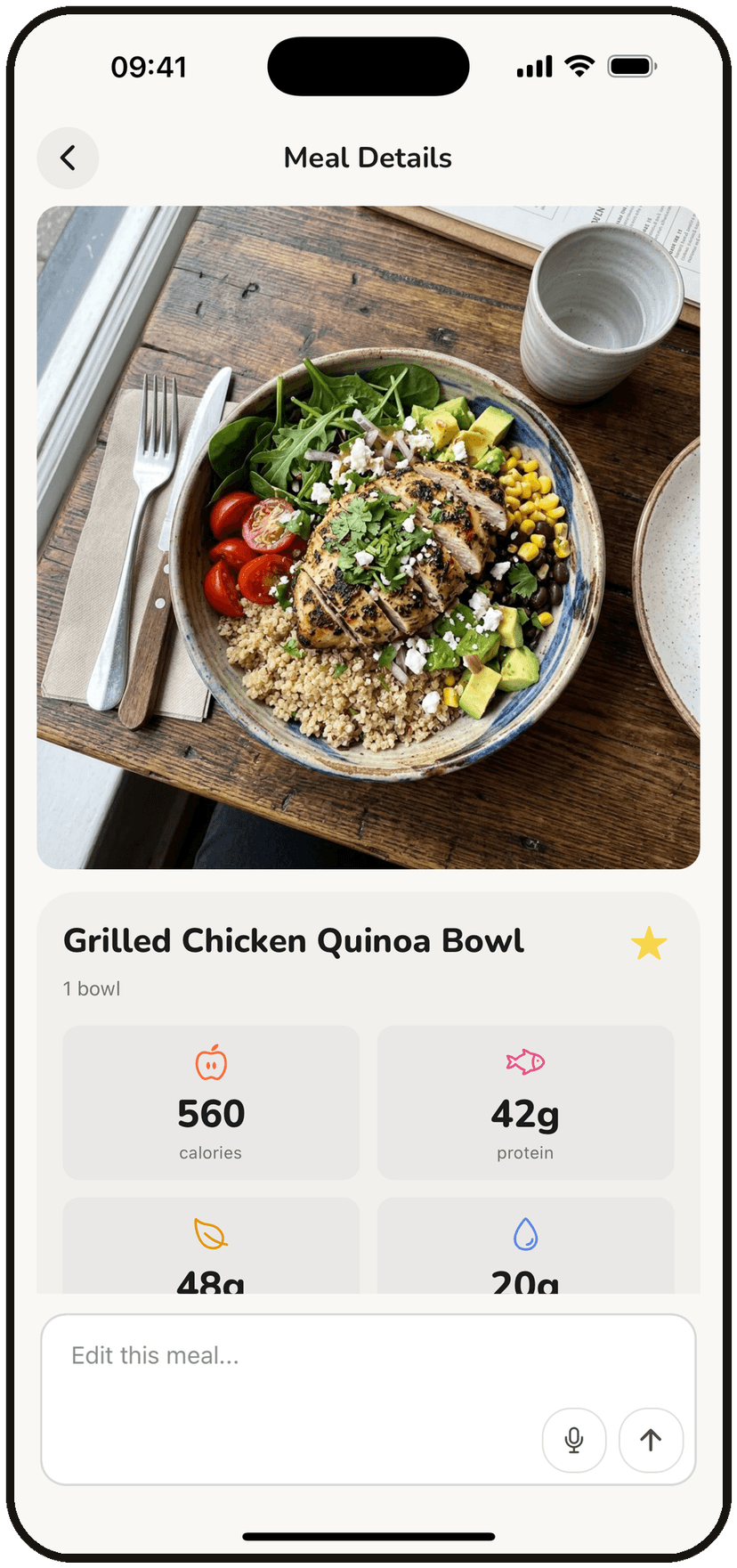
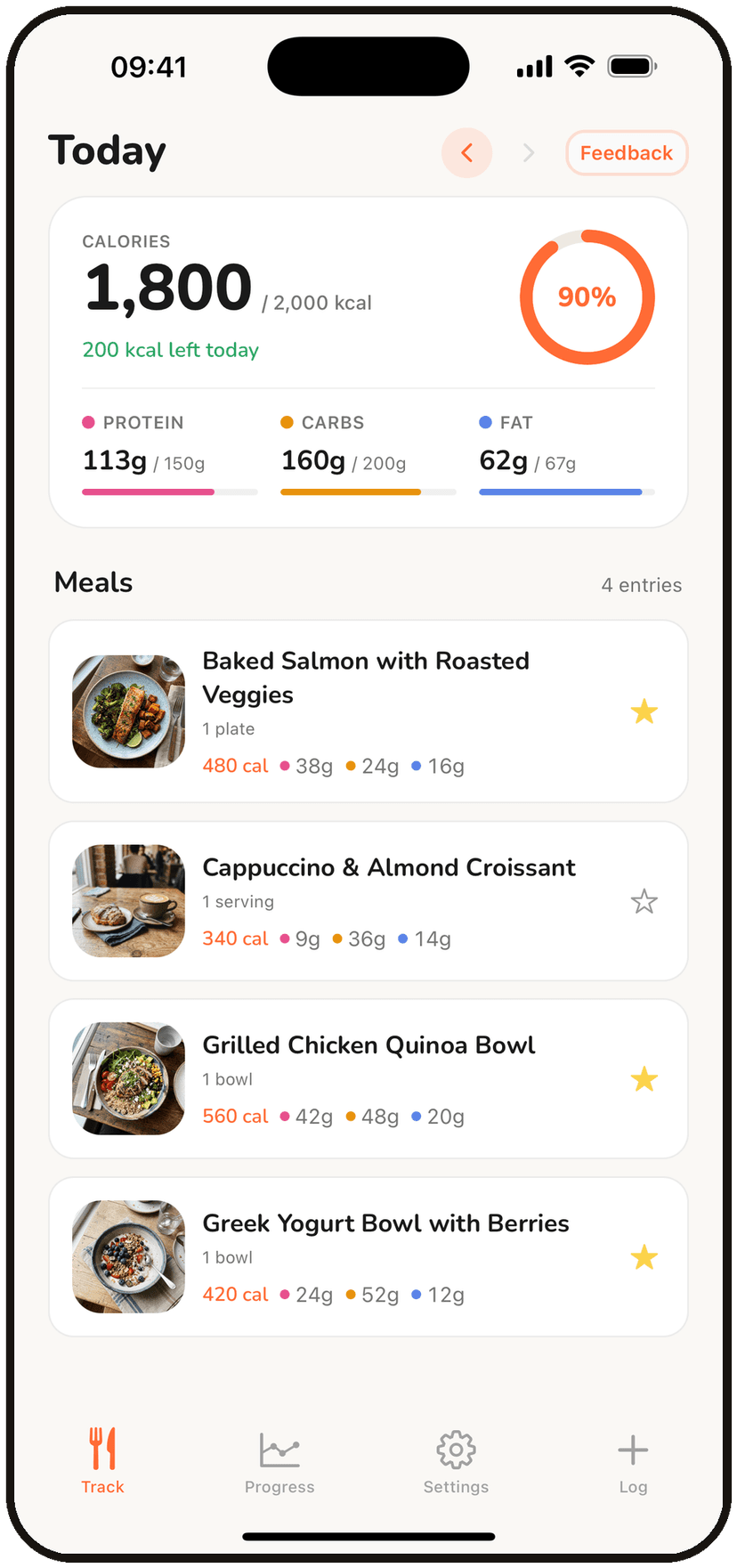
Portion guesses add up fast. BiteKit's AI estimates what's actually on your plate — oils, sides and all — so your log stays close to what you really ate.
- Log meals by photo, voice, or text
- Calories & macros estimated in seconds
- Syncs with Apple Health and Apple Watch
Free download · 3-day free trial, cancel anytime.
Scan with your iPhone camera