Cycle Sync Nutrition Calculator
Get calorie targets, macro splits, food recommendations, and seed cycling guidance tailored to your current menstrual cycle phase.
What Is Cycle Syncing?
Cycle syncing is the practice of aligning your nutrition, exercise, and lifestyle with the four distinct phases of your menstrual cycle. First popularized by functional nutritionist Alisa Vitti, the approach recognizes that shifting hormone levels create measurably different metabolic states throughout the month.
Rather than eating the same way every day, cycle syncing tailors your macros, food choices, and workout intensity to what your body actually needs at each stage — potentially reducing PMS severity, improving energy levels, and making it easier to reach body composition goals.
The Four Phases of Your Cycle
Each phase is driven by a different hormonal environment that directly affects your metabolism, hunger, and energy.
Menstrual Phase (Days 1–5)
Both estrogen and progesterone drop to their lowest levels, triggering menstruation. Metabolism slows slightly, but iron losses from bleeding make nutrient density critical. Prioritize iron-rich, anti-inflammatory foods and gentle movement.
Follicular Phase (Days 6–13)
Estrogen rises as a follicle develops. Energy, mood, and cognitive function improve week-over-week. This is your most insulin-sensitive phase — ideal for harder workouts and slightly higher carb intake to fuel performance.
Ovulatory Phase (Days 14–16)
Estrogen peaks, triggering the LH surge and egg release. Energy and strength peak during ovulation. Increase protein intake to support muscle recovery from peak-intensity workouts. Raw vegetables and fiber help clear the surge of estrogen after ovulation.
Luteal Phase (Days 17–28)
Progesterone dominates and raises your resting metabolic rate by ~100–150 calories per day. Hunger, cravings, and fatigue naturally increase. Complex carbs, magnesium-rich foods, and tryptophan sources help stabilize blood sugar, mood, and PMS symptoms.
Seed Cycling Explained
Seed cycling involves eating specific seeds during the two halves of your cycle to provide the micronutrients your body needs for each hormonal phase.
Days 1–14: Estrogen Phase Seeds
- 1 tbsp flaxseed daily — lignans support healthy estrogen metabolism and clearance
- 1 tbsp pumpkin seed daily — zinc supports follicle development and the LH surge at ovulation
Days 15–28: Progesterone Phase Seeds
- 1 tbsp sesame seed daily — lignans support progesterone production post-ovulation
- 1 tbsp sunflower seed daily — vitamin E and selenium support the luteal phase and reduce PMS
Add ground seeds to smoothies, yogurt, oatmeal, or salad dressings. Grinding flaxseed improves bioavailability significantly.
How Calorie Needs Shift Each Phase
| Phase | Calorie Adjustment | Reason |
|---|---|---|
| Menstrual | −75 calories | Metabolism slows as hormones drop; focus on nutrient density over quantity |
| Follicular | Baseline TDEE | Rising estrogen improves insulin sensitivity; good fueling for workouts |
| Ovulatory | +50 calories | Peak estrogen drives highest energy and metabolic demand |
| Luteal | +125 calories | Progesterone raises BMR by ~150 cal; natural hunger increase |
Frequently Asked Questions
What is cycle syncing nutrition?
Cycle syncing nutrition adjusts your food intake, macro ratios, and exercise intensity to align with the four phases of your menstrual cycle. Each phase has distinct hormonal patterns affecting metabolism, energy, hunger, and nutrient needs — eating in sync can help manage PMS, improve energy, and support hormone balance.
Why do calorie needs change throughout the menstrual cycle?
During the luteal phase, progesterone raises your basal metabolic rate by ~100–150 calories per day — explaining natural hunger increases before your period. During the follicular phase, estrogen tends to suppress appetite. The ovulatory phase peaks estrogen and metabolic demand slightly, while the menstrual phase is lower energy but high in nutrient needs due to iron losses.
What is seed cycling and does it work?
Seed cycling involves eating 1 tbsp flaxseed + 1 tbsp pumpkin seed during days 1–14, then switching to 1 tbsp sesame + 1 tbsp sunflower seed during days 15–28. The seeds provide lignans, zinc, vitamin E, and selenium that may modulate estrogen and progesterone. Many women report improved cycle regularity and reduced PMS, and all seeds are nutritious regardless of hormonal effects.
Should I eat more carbs during the luteal phase?
Yes — complex carbohydrates help manage PMS and stabilize blood sugar during the luteal phase. Choose sweet potatoes, oats, quinoa, and brown rice over simple sugars. Pairing carbs with protein and fat slows digestion and prevents energy crashes while satisfying cravings and boosting serotonin production.
How do I know which phase I am in?
Day 1 of your period starts the cycle. With a 28-day cycle: menstrual is days 1–5, follicular days 6–13, ovulatory days 14–16, and luteal days 17–28. Physical signs help too: rising energy signals follicular; peak confidence and energy indicate ovulation; bloating and increased appetite suggest luteal; cramping and bleeding mark menstruation.
Can I use this calculator if my cycle is irregular?
Yes — use the phase selector option rather than entering a cycle day if your cycle length varies. Track physical symptoms to identify your current phase. Signs like cervical mucus changes and basal body temperature can help you identify ovulation and the luteal phase even with an irregular cycle.
Related Tools
iPhone app · 3-day free trial
You're likely eating 500 calories more than you think
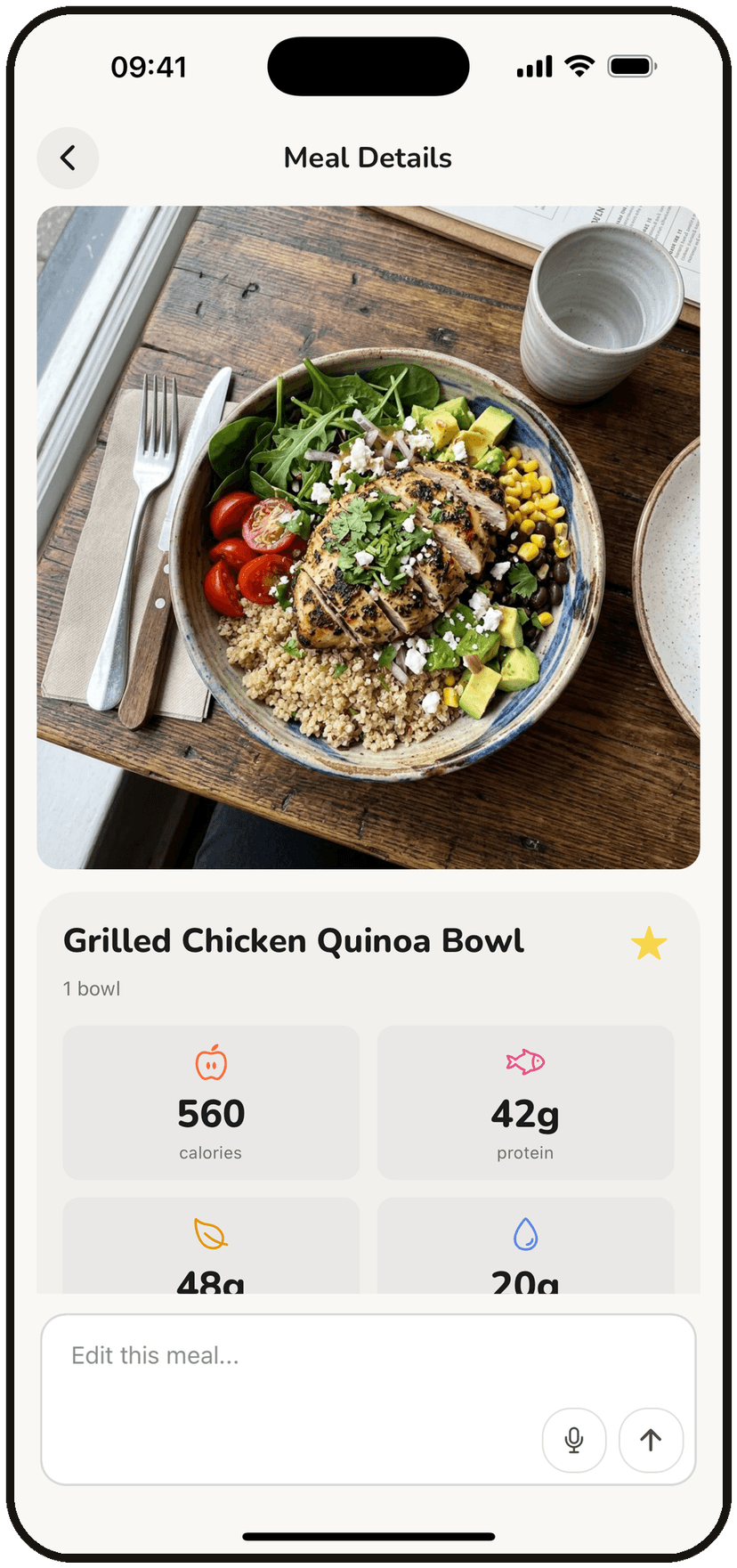
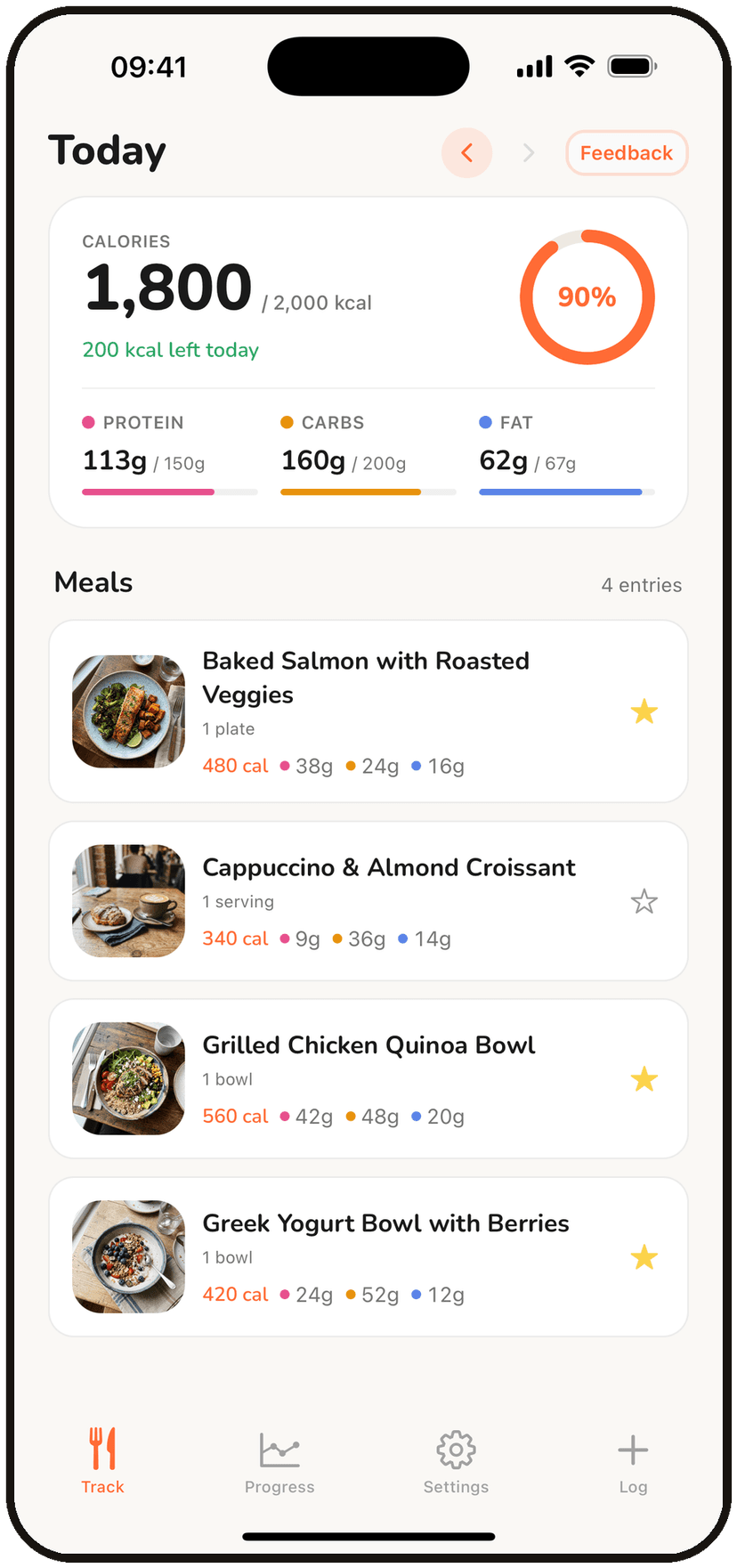
Portion guesses add up fast. BiteKit's AI estimates what's actually on your plate — oils, sides and all — so your log stays close to what you really ate.
- Log meals by photo, voice, or text
- Calories & macros estimated in seconds
- Syncs with Apple Health and Apple Watch
Free download · 3-day free trial, cancel anytime.
Scan with your iPhone camera