Cycling Nutrition Calculator
Estimate calories, carbs, and hydration needs per hour for road cycling based on power output, weight, and ride duration. Fuel smarter, ride longer, avoid the bonk.
Zone 3: Steady endurance effort, can speak in short sentences
Higher temperatures significantly increase sweat rate and fluid/sodium needs.
Why cycling nutrition matters
Your body stores about 2,000 kcal of glycogen -- enough for roughly 90 minutes of moderate cycling. Beyond that, you need to fuel on the bike to maintain power output and avoid "bonking." Proper nutrition can mean the difference between finishing strong and grinding to a halt.
How Cycling Burns Calories
Cycling calorie expenditure is directly tied to power output (watts). Unlike running, where body weight is the primary determinant of calorie burn, cycling calories are overwhelmingly determined by how many watts you push through the pedals. A heavier rider and a lighter rider producing the same wattage burn roughly the same number of calories per hour.
The human body converts chemical energy from food into mechanical work at roughly 20-25% efficiency. The remaining 75-80% is lost as heat. This means for every kilojoule of mechanical work you produce on the bike, your body actually metabolizes about 4 kilojoules of energy. Because 1 kilocalorie = 4.184 kilojoules, the math conveniently works out so that kilojoules of cycling work roughly equal kilocalories burned.
Zone 2 Endurance (100-150W)
Burns 400-600 kcal/hr. Primarily fat-fueled (50-60% fat), making it sustainable for many hours. This is the bread-and-butter training zone where your body becomes more efficient at burning fat. Fueling needs are modest -- water and light carbs are sufficient for rides under 2 hours.
Tempo / Sweet Spot (180-220W)
Burns 650-800 kcal/hr. Shifts toward carbohydrate reliance (50-65% carbs). This is the intensity where proper fueling becomes critical. Glycogen depletion can occur within 90-120 minutes without on-bike nutrition. Aim for 40-60g carbs per hour.
Threshold & Above (250W+)
Burns 900+ kcal/hr. Heavily carb-dependent (70-85% carbs). At these intensities, glycogen is the dominant fuel and depletion can occur rapidly. Elite riders consume up to 90-120g of carbs per hour during races. Gut training is essential to tolerate high intake rates.
Carb Periodization for Cyclists
Modern cycling nutrition has moved beyond "one size fits all" toward carb periodization -- strategically adjusting carbohydrate intake based on the demands of each training session. The key principle: fuel for the work required.
Train Low (Easy Days)
On easy, Zone 2 rides, reduce carb intake to enhance fat oxidation adaptations. Riding with lower carb availability teaches your body to use fat more efficiently, sparing glycogen for when you need it most. Save the gels for harder sessions.
Train High (Hard Days)
For interval sessions, races, and group rides, fully fuel with carbs before and during the ride. High-intensity work requires glycogen, and performing these sessions underfueled compromises quality and increases illness risk. Eat a carb-rich meal 2-3 hours before and fuel on the bike.
Race Day: Maximum Fuel
On race days or big event rides, carb load for 1-2 days beforehand (8-12g/kg body weight), eat a large pre-ride meal (2-4g/kg), and consume the maximum carbs per hour your gut can tolerate. This is not the time to restrict -- fueling wins races.
Recovery: Refuel Quickly
After hard rides, consume 1-1.2g/kg of carbs plus 0.3-0.4g/kg of protein within 30 minutes. The glycogen synthesis window is most active immediately post-exercise. A recovery shake, rice bowl, or chocolate milk are excellent choices.
Hydration Science for Cyclists
Dehydration is one of the biggest performance limiters in cycling. Losing just 2% of body weight through sweat can reduce power output by 5-10% and impair cognitive function. For a 75 kg rider, that's only 1.5 liters of fluid -- easily lost in 2 hours of riding in warm conditions.
Sweat Rate Varies Widely
Individual sweat rates range from 500ml to over 2,000ml per hour depending on genetics, fitness, intensity, and heat. Weigh yourself before and after rides (without drinking) to estimate your personal sweat rate. Each kilogram lost equals approximately 1 liter of sweat.
Sodium Is Critical
Sweat contains 300-1,000mg of sodium per liter. On a hot 3-hour ride, you could lose 3,000mg+ of sodium. Insufficient sodium replacement causes cramping, fatigue, and in extreme cases hyponatremia. Use electrolyte drinks or salt tabs, especially in heat.
Pre-hydration matters: Drink 500ml of water or electrolyte drink in the 2 hours before riding. If riding in extreme heat, consider a sodium-loading protocol (consuming extra sodium the evening before) to expand your plasma volume and improve heat tolerance.
Preventing the Bonk: Why Fueling Timing Matters
"Bonking" -- the sudden, dramatic loss of energy that occurs when glycogen stores are depleted -- is every cyclist's worst nightmare. Understanding why it happens and how to prevent it is fundamental to successful long-distance cycling.
The biggest mistake: waiting too long to eat
By the time you feel hungry on the bike, you are already behind on fueling. It takes 20-30 minutes for ingested carbs to reach your muscles. Start eating within the first 30 minutes of rides longer than 90 minutes and consume small amounts every 15-20 minutes.
Skipping breakfast before a long ride
Fasted riding is fine for easy Zone 2 spins, but skipping a pre-ride meal before a hard or long ride is a recipe for bonking. Your liver glycogen depletes overnight. A carb-rich meal 2-3 hours before tops off those stores and gives you 60-90 extra minutes of fuel.
Going too hard, too early
Starting a ride at too high an intensity burns through glycogen at an accelerated rate. At threshold power, you burn carbs 3-4 times faster than at Zone 2. Pace your effort, especially in the first hour, and save high-intensity surges for when they matter most.
Frequently Asked Questions
How many calories does cycling burn per hour?
Calorie burn depends primarily on power output (watts). At 150W, expect roughly 540 kcal/hr; at 200W, about 720 kcal/hr; at 250W, around 900 kcal/hr. A simple rule: kilojoules of work (watts x hours x 3.6) roughly equals kilocalories burned, because human efficiency and energy conversion factors nearly cancel out.
How many carbs per hour do I need while cycling?
For rides under 1 hour, water is sufficient. For 1-2.5 hour rides, aim for 30-60g carbs/hour. For rides over 2.5 hours, target 60-90g/hour using dual-source carbs (glucose + fructose). Elite riders now consume up to 120g/hr, but this requires dedicated gut training.
How much water should I drink while cycling?
Aim for 500-750ml per hour in moderate conditions, increasing to 750-1,000ml in hot weather. Drink small sips every 15-20 minutes. Use electrolyte drinks for rides over 60 minutes to replace sodium. Weigh yourself before and after rides to calibrate your personal sweat rate.
What is bonking and how do I prevent it?
Bonking occurs when glycogen stores are depleted, causing sudden fatigue and inability to maintain power. Prevent it by eating a carb-rich pre-ride meal, starting on-bike fueling within 30 minutes of longer rides, consuming 30-90g of carbs per hour, and pacing your early effort.
How do I convert watts to calories burned?
Multiply watts by hours by 3.6 to get kilojoules of work. Due to human efficiency (~24%) and energy conversion, kJ of work roughly equals kcal burned. Example: 200W for 2 hours = 200 x 2 x 3.6 = 1,440 kJ, which is approximately 1,440 kcal burned.
How much sodium do I lose while cycling?
The average cyclist loses 300-700mg of sodium per hour through sweat, increasing to 700-1,000mg in hot conditions. Replace sodium with electrolyte drinks, salt tablets, or salty snacks. Insufficient replacement can cause cramping, fatigue, and hyponatremia.
iPhone app · 3-day free trial
You're likely eating 500 calories more than you think
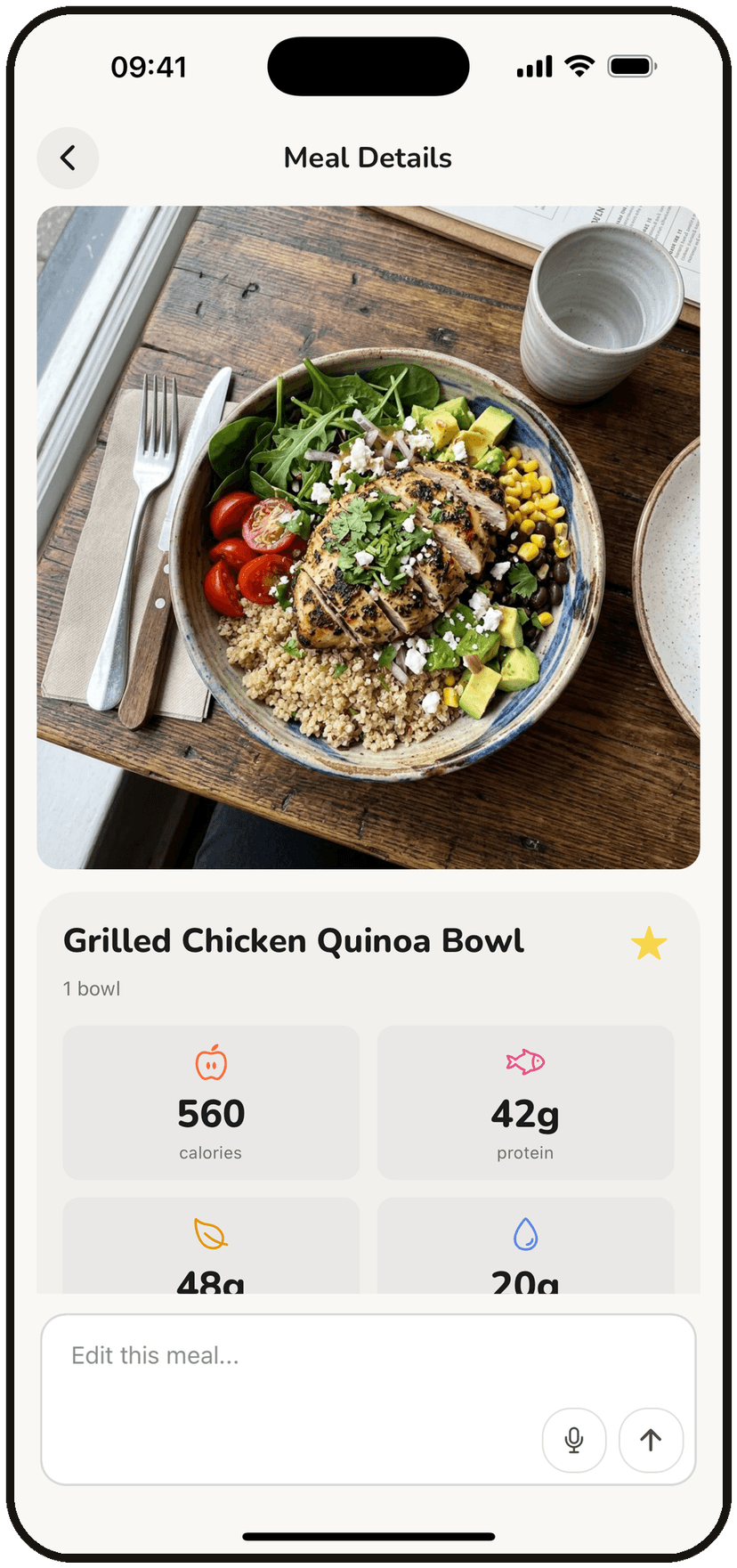
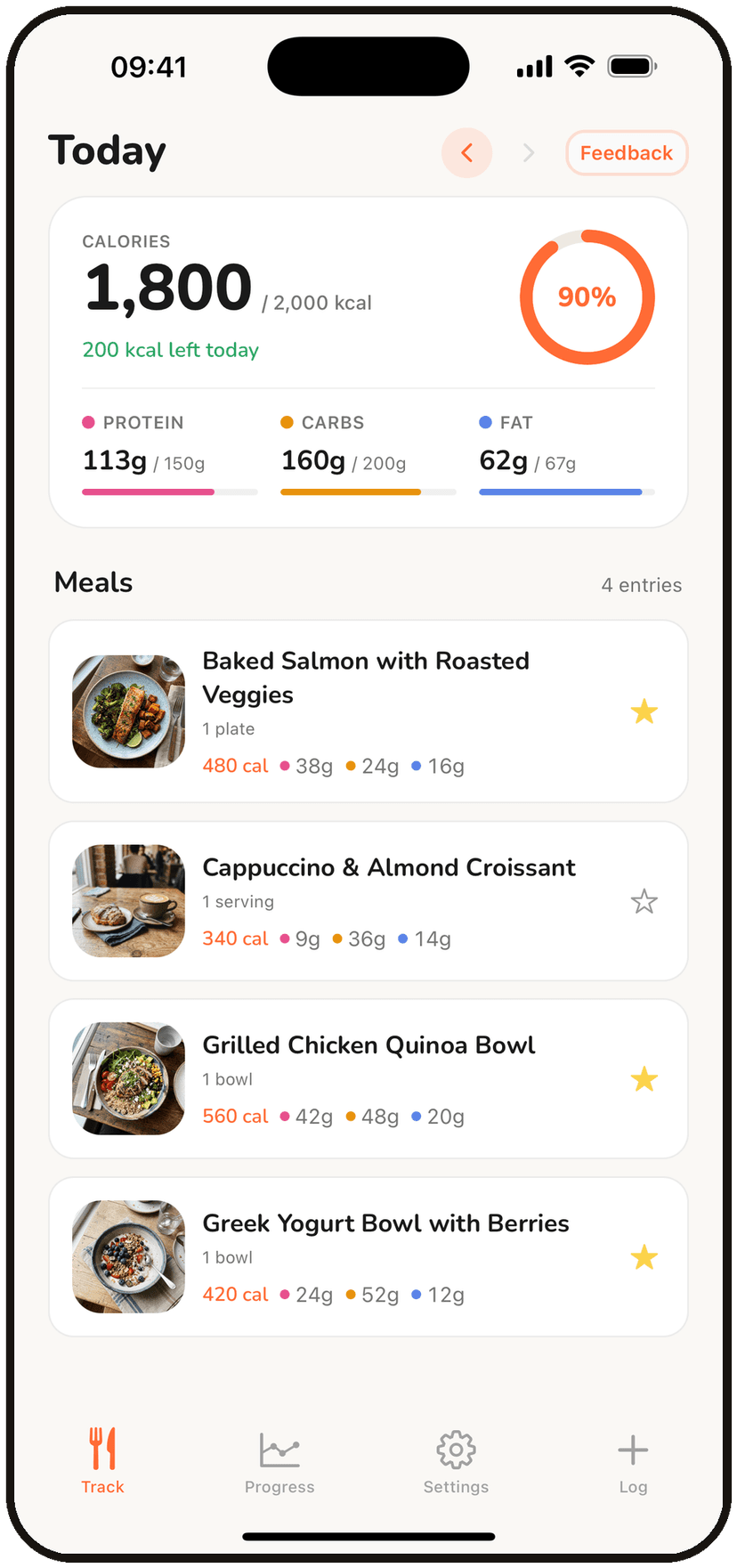
Portion guesses add up fast. BiteKit's AI estimates what's actually on your plate — oils, sides and all — so your log stays close to what you really ate.
- Log meals by photo, voice, or text
- Calories & macros estimated in seconds
- Syncs with Apple Health and Apple Watch
Free download · 3-day free trial, cancel anytime.
Scan with your iPhone camera