DASH Diet Calculator
Calculate your personalized daily servings of grains, vegetables, fruits, dairy, and protein to follow the DASH eating plan. Designed to lower blood pressure and improve heart health.
What is the DASH Diet?
DASH stands for Dietary Approaches to Stop Hypertension. Developed by the National Heart, Lung, and Blood Institute (NHLBI), the DASH eating plan is a clinically proven dietary pattern designed to prevent and lower high blood pressure (hypertension) without medication.
Unlike fad diets, the DASH diet was developed through rigorous NIH-funded clinical trials. It emphasizes whole, nutrient-dense foods that are naturally rich in potassium, calcium, magnesium, fiber, and protein — all nutrients that play a role in regulating blood pressure. The DASH diet does not require special foods or supplements, making it practical and sustainable for long-term health.
DASH Diet Food Groups
The DASH diet organizes foods into specific groups with daily or weekly serving targets. Serving sizes vary by calorie level, and the calculator above personalizes these for you.
Grains (6-8 servings/day at 2,000 cal)
Choose whole grains like whole wheat bread, brown rice, oatmeal, and whole grain pasta. One serving equals 1 slice of bread, 1 oz dry cereal, or 1/2 cup cooked rice or pasta. Whole grains provide fiber and sustained energy.
Vegetables (4-5 servings/day at 2,000 cal)
Include a variety of colors: leafy greens, tomatoes, carrots, broccoli, sweet potatoes, and squash. One serving equals 1 cup raw leafy vegetables or 1/2 cup cooked vegetables. Vegetables are rich in potassium, magnesium, and fiber.
Fruits (4-5 servings/day at 2,000 cal)
Enjoy whole fruits like bananas, apples, oranges, berries, and grapes. One serving equals 1 medium fruit, 1/2 cup fresh or frozen fruit, or 1/4 cup dried fruit. Fruits provide potassium, fiber, and antioxidants.
Low-Fat Dairy (2-3 servings/day at 2,000 cal)
Choose fat-free or low-fat milk, yogurt, and cheese. One serving equals 1 cup milk, 1 cup yogurt, or 1.5 oz cheese. Dairy provides calcium and vitamin D, key nutrients for blood pressure regulation.
Lean Meats, Poultry, and Fish (6 oz or less/day at 2,000 cal)
Select lean cuts, trim visible fat, and bake, broil, or grill instead of frying. One serving equals 1 oz cooked meat, poultry, or fish. Emphasize fish high in omega-3 fatty acids like salmon and mackerel.
Nuts, Seeds, and Legumes (4-5 servings/week at 2,000 cal)
Almonds, walnuts, sunflower seeds, lentils, and kidney beans. One serving equals 1/3 cup nuts, 2 tbsp seeds, or 1/2 cup cooked legumes. These are excellent sources of magnesium, potassium, protein, and fiber.
Proven Health Benefits of the DASH Diet
The DASH diet is one of the most well-researched eating plans in nutrition science. Multiple large-scale clinical trials have demonstrated its effectiveness:
Lowers Blood Pressure
Clinical trials show DASH can reduce systolic blood pressure by 8-14 mmHg. Combining DASH with sodium reduction produces even greater reductions.
Heart Disease Prevention
Reduces LDL cholesterol and lowers the overall risk of cardiovascular disease, heart attack, and stroke through nutrient-rich food choices.
Weight Management
The DASH diet's emphasis on high-fiber, nutrient-dense foods naturally promotes satiety and supports sustainable weight management without extreme restriction.
Diabetes Risk Reduction
Following the DASH diet has been associated with a lower risk of developing type 2 diabetes. Its emphasis on whole grains and fiber helps regulate blood sugar.
The Research Behind the DASH Diet
The DASH diet is backed by some of the most rigorous nutrition research ever conducted. The original DASH trial, published in the New England Journal of Medicine in 1997, enrolled 459 adults and showed that the DASH eating pattern significantly lowered blood pressure in just 8 weeks, even without sodium restriction.
The follow-up DASH-Sodium trial (2001) tested DASH at three sodium levels (3,300 mg, 2,300 mg, and 1,500 mg per day) and found that combining DASH with lower sodium intake produced the greatest blood pressure reductions. Participants on DASH with 1,500 mg sodium had systolic blood pressure 7.1 mmHg lower than those on a typical American diet with the same sodium level.
Since then, the DASH diet has been endorsed by the American Heart Association, the National Institutes of Health, and the Dietary Guidelines for Americans. It has consistently been ranked among the top overall diets by nutrition experts for its safety, nutritional completeness, and effectiveness.
DASH Diet Sodium Targets
Sodium reduction is a cornerstone of the DASH diet's blood pressure-lowering effects. There are two sodium levels to choose from:
Standard DASH
2,300 mg/day
Aligns with the Dietary Guidelines for Americans. A good starting point for most people transitioning to the DASH diet.
Lower-Sodium DASH
1,500 mg/day
Recommended for people with hypertension or those seeking maximum blood pressure reduction. Shown to produce the greatest results in the DASH-Sodium trial.
Frequently Asked Questions
What is the DASH diet?
DASH stands for Dietary Approaches to Stop Hypertension. It is a clinically proven eating plan developed by the NIH that emphasizes fruits, vegetables, whole grains, lean proteins, and low-fat dairy while limiting sodium, saturated fat, and added sugars. It was specifically designed to lower blood pressure without medication.
How many servings of each food group does the DASH diet recommend?
On a 2,000-calorie plan: 6-8 servings of grains, 4-5 servings of vegetables, 4-5 servings of fruits, 2-3 servings of low-fat dairy, 6 oz or less of lean meats, 4-5 servings per week of nuts/seeds/legumes, 2-3 servings of fats and oils, and 5 or fewer servings per week of sweets. Servings adjust based on your calorie level.
How much sodium is allowed on the DASH diet?
The standard DASH diet limits sodium to 2,300 mg per day. The lower-sodium version restricts sodium to 1,500 mg per day and has been shown to produce even greater blood pressure reductions. The lower target is especially recommended for people with hypertension.
Can the DASH diet help with weight loss?
Yes, the DASH diet can support weight loss when combined with a calorie deficit. Its emphasis on nutrient-dense, high-fiber foods promotes satiety and helps reduce overall calorie intake naturally. Studies show that DASH combined with calorie reduction leads to even greater blood pressure improvements.
What are the proven health benefits of the DASH diet?
Clinical trials demonstrate that DASH can lower systolic blood pressure by 8-14 mmHg, reduce LDL cholesterol, lower the risk of heart disease and stroke, decrease the risk of type 2 diabetes, support kidney health, and help with weight management. It has been ranked as one of the best overall diets by nutrition experts for multiple years.
How is the DASH diet different from the Mediterranean diet?
While both diets emphasize fruits, vegetables, and whole grains, the DASH diet was specifically designed to lower blood pressure and places a stronger emphasis on low-fat dairy and sodium reduction. The Mediterranean diet focuses more on healthy fats like olive oil and includes moderate red wine. Both are well-researched and considered among the healthiest eating patterns.
iPhone app · 3-day free trial
You're likely eating 500 calories more than you think
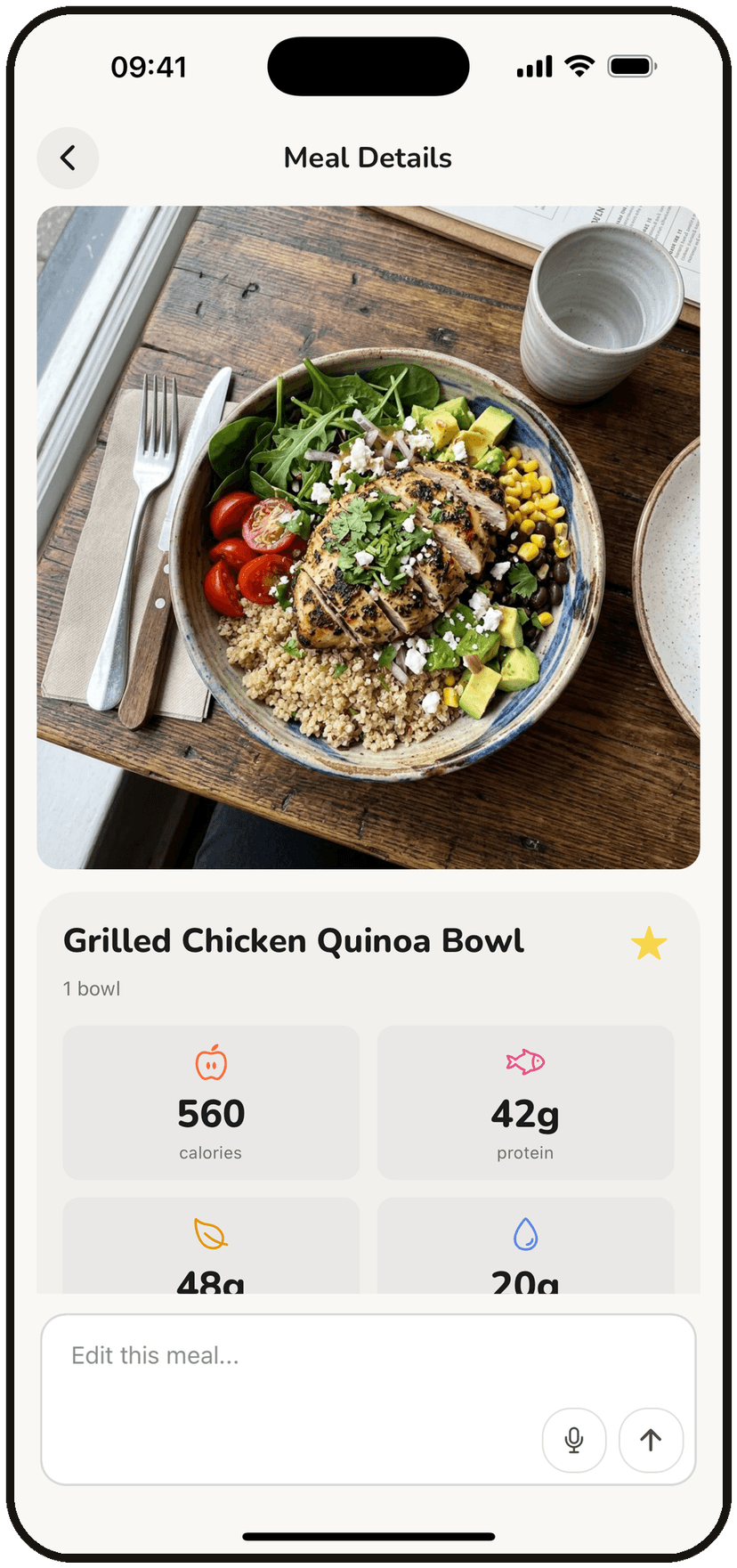
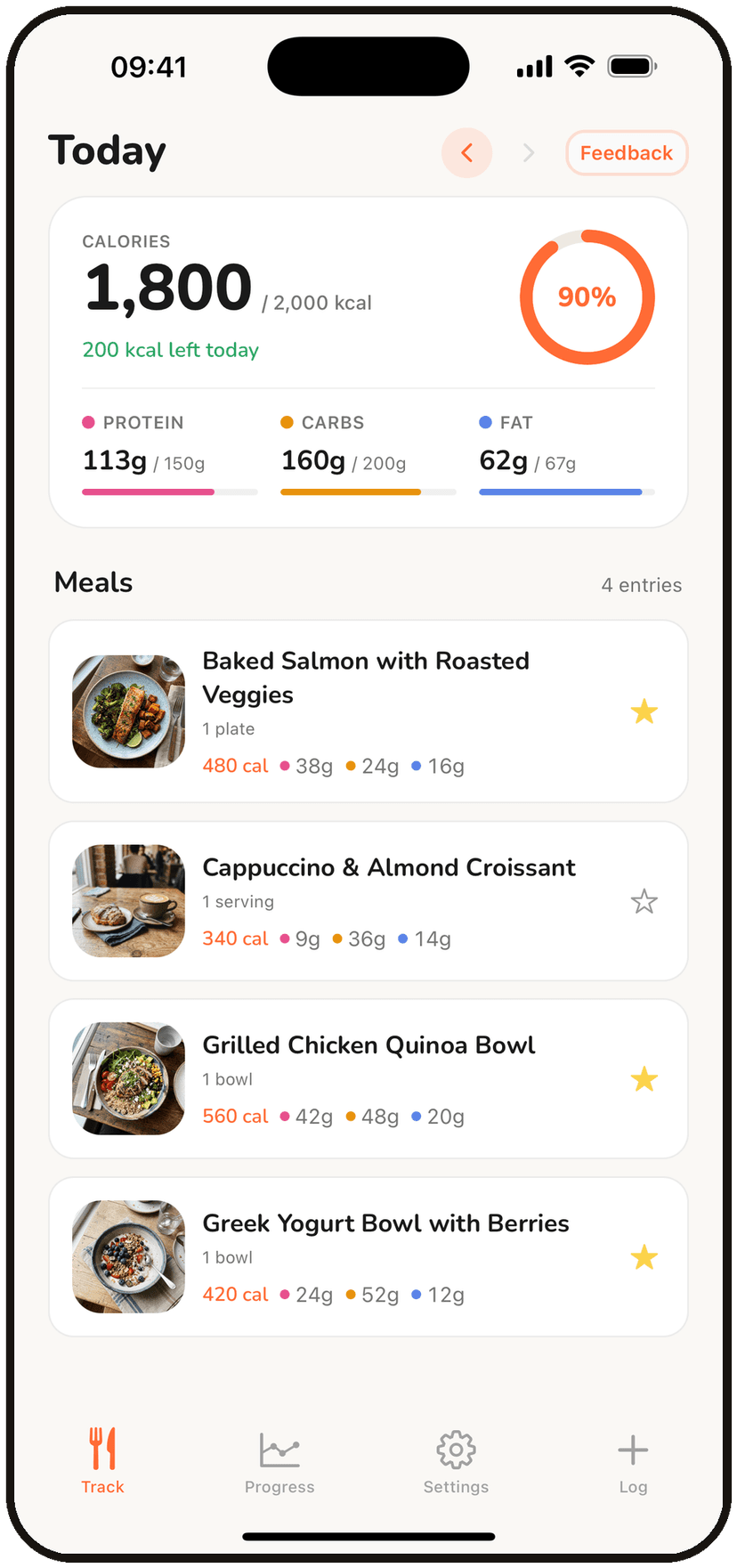
Portion guesses add up fast. BiteKit's AI estimates what's actually on your plate — oils, sides and all — so your log stays close to what you really ate.
- Log meals by photo, voice, or text
- Calories & macros estimated in seconds
- Syncs with Apple Health and Apple Watch
Free download · 3-day free trial, cancel anytime.
Scan with your iPhone camera