Diet Break Calculator
Plan structured diet breaks during long cuts to reset your metabolism, restore hormonal balance, and improve long-term fat loss outcomes. Get personalized break duration, calorie targets, and macro recommendations.
Helps refine break duration for leaner individuals
What you're eating now during your cut
Use our TDEE calculator if unsure
What is a Diet Break?
A diet break is a planned, structured period of 1-3 weeks where you temporarily stop your calorie deficit and eat at maintenance-level calories. Unlike cheat days or uncontrolled eating, diet breaks are strategic tools designed to counteract the metabolic and hormonal adaptations that occur during prolonged dieting.
When you diet for extended periods, your body perceives the calorie deficit as a threat and activates survival mechanisms: leptin drops, thyroid hormones decrease, cortisol rises, NEAT (non-exercise activity thermogenesis) declines, and hunger hormones spike. A diet break interrupts this cascade, giving your body a signal that the "famine" is over.
The Science Behind Diet Breaks
Diet breaks are supported by growing research showing that intermittent approaches to dieting can be more effective than continuous restriction. Here are the key mechanisms:
Leptin Restoration
Leptin is the master hormone of energy balance. During a deficit, leptin plummets within days, signaling your brain to conserve energy and increase appetite. Eating at maintenance - especially with increased carbohydrates - can boost leptin by 20-40% within a week, partially reversing the metabolic slowdown.
Metabolic Adaptation Reset
Prolonged dieting reduces metabolic rate by 50-300+ calories per day beyond what weight loss alone explains. This "adaptive thermogenesis" includes reduced NEAT, lower thermic effect of food, and hormonal shifts. Diet breaks partially reverse this by restoring thyroid hormones (T3/T4) and increasing spontaneous daily movement.
Psychological Recovery
Diet fatigue is real. Prolonged restriction increases food preoccupation, reduces motivation, and raises the risk of binge eating. Scheduled diet breaks provide a mental reprieve, reduce the feeling of deprivation, and improve adherence when you return to your deficit. This psychological benefit alone can improve long-term outcomes.
The MATADOR Study
The landmark MATADOR study (2018) compared continuous dieting versus alternating 2 weeks of dieting with 2 weeks at maintenance. The intermittent group lost significantly more fat (50% more) and experienced less metabolic slowdown, despite both groups spending the same total number of weeks in a deficit. This research provides strong evidence for structured diet breaks.
How to Execute a Diet Break Successfully
A diet break is not a free-for-all. Follow these guidelines to maximize the metabolic and psychological benefits:
1. Increase calories gradually over 2-3 days
Jumping from a large deficit straight to maintenance can cause digestive discomfort and excessive water retention. Instead, add 200-300 calories per day over 2-3 days until you reach your maintenance target. This gives your gut time to adjust to larger food volumes.
2. Increase carbs primarily
The extra calories during your break should come mainly from carbohydrates. Carbs have the strongest impact on leptin levels, replenish depleted muscle glycogen, support thyroid function, and improve training performance. Keep protein and fat relatively stable.
3. Maintain protein intake
Keep protein at around 1g per pound of body weight (2.2g per kg) throughout the break. This protects lean muscle mass and keeps you feeling full despite the shift in macros. There is no need to increase protein during a break.
4. Continue training normally
Do not reduce your training during a diet break. The extra carbohydrates and calories should fuel better workouts. Many lifters experience strength gains during breaks as glycogen stores refill and recovery improves. Use this time to push performance.
5. Ignore the scale for the first week
You will gain 2-5 lbs (1-2.5 kg) almost immediately from glycogen and water. This is not fat. Do not panic and cut calories prematurely - this defeats the entire purpose of the break. The water weight will drop within a few days of returning to your deficit.
When Should You Take a Diet Break?
Timing your diet breaks strategically maximizes their effectiveness. Watch for these signals:
Time-Based Scheduling
Proactively schedule breaks every 4-8 weeks of continuous dieting, regardless of how you feel. Prevention is better than waiting until you are deeply adapted and burnt out.
Plateau Lasting 2+ Weeks
If weight loss has completely stalled for 2-3 weeks despite consistent adherence, a diet break can reset the metabolic mechanisms causing the plateau rather than further reducing calories.
Training Performance Decline
A noticeable drop in strength, endurance, or recovery that persists beyond normal fluctuation suggests your body needs a caloric reprieve to maintain muscle and performance.
Mental Fatigue / Food Obsession
If you are constantly thinking about food, experiencing strong cravings, or feeling mentally drained from dieting, a break can prevent the binge-restrict cycle and improve long-term adherence.
Diet Break vs. Refeed Day vs. Cheat Day
These three strategies are often confused but serve different purposes:
| Feature | Diet Break | Refeed Day | Cheat Day |
|---|---|---|---|
| Duration | 1-3 weeks | 1 day | 1 day |
| Calories | At maintenance | At maintenance | Uncontrolled |
| Macro focus | High carb | High carb | None |
| Hormonal impact | Significant | Partial/temporary | Minimal |
| Best for | Metabolic reset | Weekly leptin boost | Psychological relief |
Frequently Asked Questions
What is a diet break?
A diet break is a planned period of 1-3 weeks where you eat at maintenance calories instead of a deficit during a prolonged cut. Unlike cheat days, diet breaks are structured and designed to counteract metabolic adaptation by restoring leptin levels, thyroid hormones, and NEAT. The MATADOR study showed that intermittent dieting with breaks produces greater fat loss than continuous dieting.
How long should a diet break last?
Most diet breaks last 1-2 weeks. The minimum effective duration is about 7 days for hormonal recovery to begin. Leaner individuals or those with aggressive deficits may benefit from up to 3 weeks. For competition prep, shorter 1-week breaks every 4-6 weeks are common. For general fat loss, 2-week breaks every 6-8 weeks work well.
Will I gain fat during a diet break?
No, if you eat at true maintenance calories you will not gain body fat. The scale will increase by 2-5 lbs (1-2.5 kg) due to glycogen and water retention, not fat. Each gram of stored glycogen binds 3-4 grams of water. This water weight drops off within days of resuming your deficit.
How often should I take diet breaks?
With a moderate deficit (15-20%), every 6-8 weeks. With an aggressive deficit (25%+), every 4-6 weeks. Leaner individuals should take breaks more frequently. The MATADOR study used a 2-on, 2-off protocol. Our calculator recommends a schedule based on your specific deficit size, body fat, and goals.
What should I eat during a diet break?
Increase calories to maintenance primarily through carbohydrates. Keep protein at ~1g per pound of body weight and fat at about 25% of total calories. Carbs have the strongest effect on leptin, glycogen replenishment, and thyroid function. Focus on whole-food carb sources like rice, oats, potatoes, fruits, and bread.
Is a diet break the same as a refeed day?
No. A refeed is a single high-carb day at maintenance, done 1-2 times per week during a diet. A diet break is a continuous 1-3 week period at maintenance. Diet breaks produce more substantial hormonal recovery because leptin and thyroid hormones need sustained caloric adequacy to meaningfully recover. Both strategies can be used together during a cut.
iPhone app · 3-day free trial
You're likely eating 500 calories more than you think
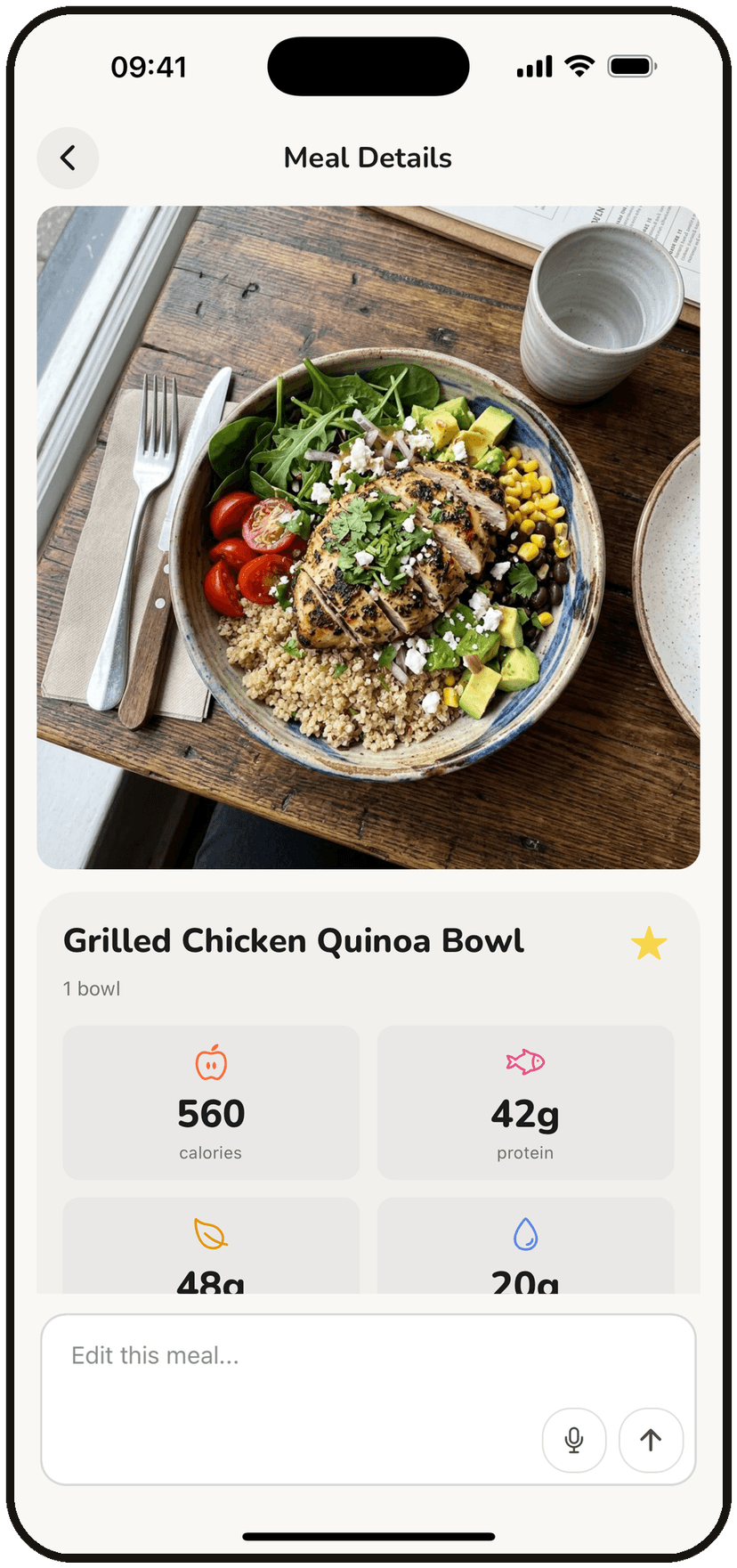
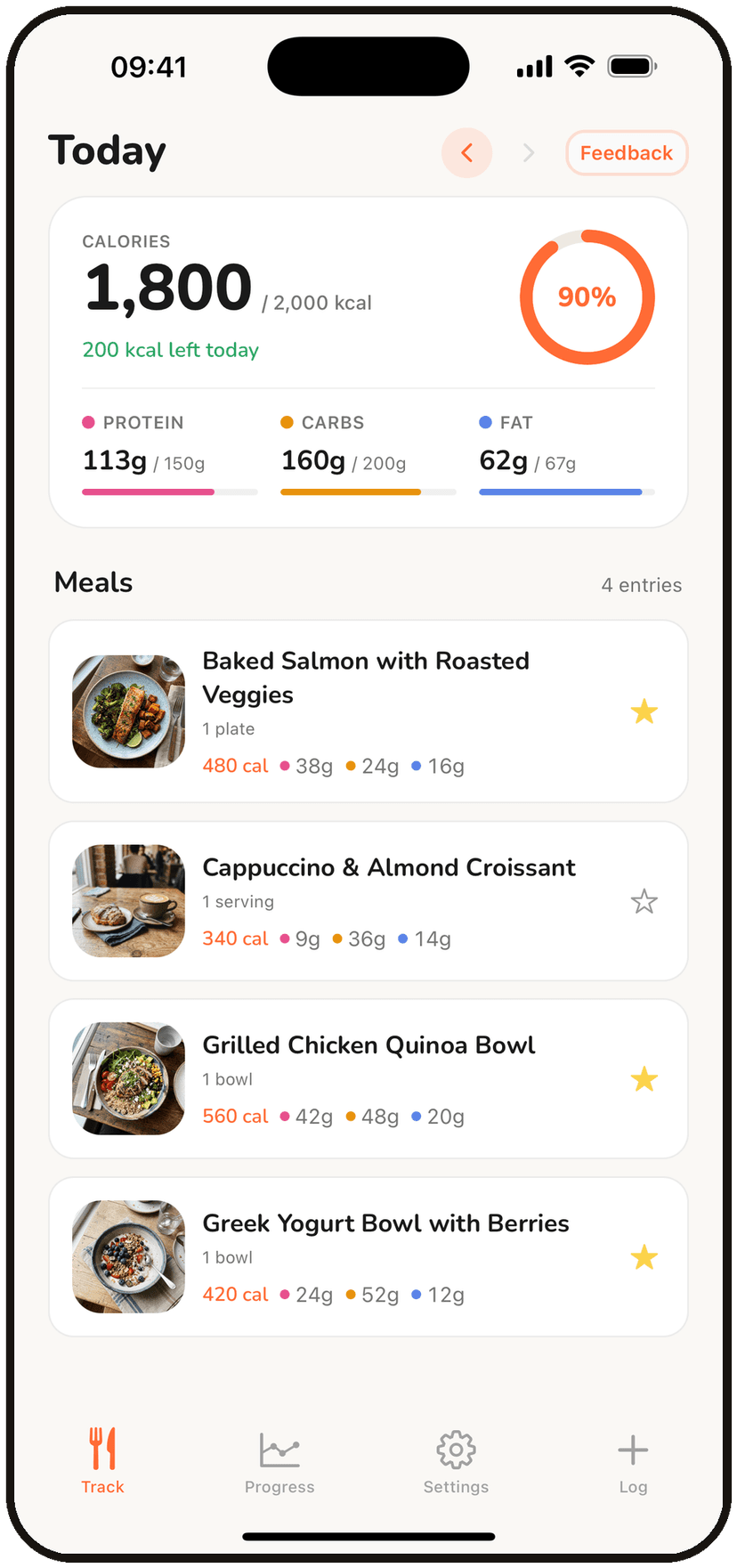
Portion guesses add up fast. BiteKit's AI estimates what's actually on your plate — oils, sides and all — so your log stays close to what you really ate.
- Log meals by photo, voice, or text
- Calories & macros estimated in seconds
- Syncs with Apple Health and Apple Watch
Free download · 3-day free trial, cancel anytime.
Scan with your iPhone camera