Electrolyte Balance Calculator
Calculate your daily sodium, potassium, magnesium, and calcium needs based on your body weight, activity level, climate, diet, and more. Get personalized electrolyte targets with food sources and deficiency signs.
How does this work?
This calculator estimates your daily electrolyte needs based on baseline recommendations scaled to your body weight, then adjusted for activity, climate, diet, sweat rate, caffeine consumption, and health considerations. Results are general guidelines; consult a healthcare provider for medical advice.
What Are Electrolytes?
Electrolytes are minerals that carry an electrical charge when dissolved in body fluids like blood, sweat, and urine. They are essential for virtually every bodily function, from muscle contractions and nerve impulses to maintaining proper hydration and pH balance.
The four primary electrolytes that most people need to pay attention to are sodium, potassium, magnesium, and calcium. While other minerals like chloride and phosphorus are also electrolytes, these four are the ones most commonly depleted through exercise, diet choices, and environmental factors.
The Four Key Electrolytes
Sodium
The primary electrolyte lost in sweat. Sodium maintains fluid balance outside cells, supports nerve impulse transmission, and is critical for muscle contraction. Most adults need 1,500-2,300 mg daily, but athletes and people in hot climates may need significantly more.
Potassium
Works alongside sodium to regulate fluid balance inside cells. Potassium is essential for maintaining normal heart rhythm, supporting muscle contractions, and regulating blood pressure. Most adults fall short of the 2,600-3,400 mg adequate intake, making it one of the most common nutrient gaps.
Magnesium
Involved in over 300 enzymatic reactions including energy production, protein synthesis, and muscle and nerve function. Magnesium also plays a key role in sleep quality and stress management. An estimated 50% of Americans do not get enough magnesium from their diet.
Calcium
Best known for bone health, calcium is also critical for muscle contraction, nerve signaling, and blood clotting. While most people associate calcium with dairy products, it can also be obtained from leafy greens, fortified foods, sardines, and tofu. Adults typically need 1,000-1,200 mg per day.
Factors That Affect Electrolyte Needs
Your daily electrolyte needs are not a fixed number. Several factors can dramatically increase or decrease how much of each electrolyte your body requires.
Activity Level and Exercise
Exercise is the single biggest factor in electrolyte depletion. A moderate workout can cause you to lose 500-1,000 mg of sodium per hour through sweat, along with smaller amounts of potassium, magnesium, and calcium. Intense or prolonged exercise can double these losses. Athletes training twice a day or for extended periods need significantly more electrolytes than sedentary individuals.
Climate and Environment
Hot and humid environments increase sweat production dramatically, leading to greater electrolyte losses. Even hot and dry climates, where sweat evaporates quickly and feels less noticeable, can cause significant dehydration and mineral depletion. Altitude above 5,000 feet increases respiration rate and urinary losses, adding another layer of electrolyte demand.
Diet Type
Your dietary pattern profoundly affects electrolyte balance. Keto and low-carb diets cause increased sodium and water excretion through lower insulin levels, requiring supplementation. Vegan diets may lack calcium and certain forms of minerals found in animal products. High-sodium diets from processed foods can actually displace potassium, creating an imbalance even when total sodium appears adequate.
Caffeine and Medications
Caffeine acts as a mild diuretic, increasing the urinary excretion of magnesium and calcium. High caffeine consumers (3+ cups of coffee daily) should be mindful of increased mineral losses. Certain medications including diuretics, proton pump inhibitors, and some antibiotics can also deplete specific electrolytes.
Electrolytes and Special Diets
Different dietary approaches create unique electrolyte challenges. Understanding how your diet affects mineral balance helps you prevent deficiency symptoms.
Keto / Low-Carb
Lower insulin causes kidneys to excrete more sodium and water. The “keto flu” is largely an electrolyte issue. Supplement sodium, potassium, and magnesium.
Vegan
Plant-based diets may be lower in bioavailable calcium and magnesium. Phytates in grains and legumes can reduce mineral absorption. Focus on fortified foods and diverse plant sources.
Paleo
Eliminating dairy removes a major calcium source. While paleo diets are generally rich in potassium from vegetables, calcium and magnesium may need extra attention from non-dairy sources.
How to Meet Your Electrolyte Needs
The best approach is to prioritize whole food sources first, then supplement strategically if your lifestyle demands exceed what food alone can provide.
1. Eat a mineral-rich diet
Include a variety of vegetables (especially leafy greens), fruits (bananas, avocados), nuts and seeds (pumpkin seeds, almonds), dairy or fortified alternatives, and quality protein sources. These foods provide a broad spectrum of electrolytes along with cofactors that aid absorption.
2. Salt your food to taste
For most active, healthy people, adding salt to home-cooked meals is a simple way to meet sodium needs. If you cook from scratch and avoid processed foods, you likely need more salt than you think. One teaspoon of salt provides about 2,300 mg of sodium.
3. Use electrolyte drinks strategically
Commercial electrolyte drinks or DIY solutions (water + salt + potassium salt + lemon) are most beneficial during and after intense exercise, in hot conditions, or when following a low-carb diet. Look for products with adequate sodium (at least 500 mg) rather than sugar-heavy sports drinks with minimal electrolytes.
4. Consider targeted supplements
Magnesium glycinate or citrate before bed can support sleep and muscle recovery. Potassium supplementation should be done carefully and ideally through food sources, as excess supplemental potassium can affect heart rhythm. Calcium supplements are most useful for those who avoid dairy entirely.
Frequently Asked Questions
What are the four main electrolytes and why do they matter?
The four main electrolytes are sodium, potassium, magnesium, and calcium. Sodium regulates fluid balance and nerve signaling. Potassium supports heart rhythm and muscle contractions. Magnesium is involved in over 300 enzymatic reactions including energy production. Calcium is critical for bone health, muscle function, and nerve transmission. All four work together to maintain proper hydration and cellular health.
How does a keto or low-carb diet affect electrolyte needs?
Keto and low-carb diets significantly increase electrolyte needs. When carb intake drops, insulin levels decrease, causing the kidneys to excrete more sodium and water. This can deplete sodium, potassium, and magnesium rapidly. Most keto dieters need an additional 500-1,000 mg of sodium, 300-500 mg of potassium, and 200-400 mg of magnesium per day. The “keto flu” is largely an electrolyte issue that resolves with proper supplementation.
How does hot weather affect my electrolyte needs?
Hot and humid climates significantly increase electrolyte losses through sweat. Sweat contains primarily sodium along with smaller amounts of potassium, magnesium, and calcium. In hot conditions, sweat rates can double or triple compared to temperate climates. People exercising in heat may need 30-50% more sodium and 10-20% more potassium.
What are the signs of electrolyte imbalance?
Common signs include muscle cramps and spasms, fatigue and weakness, headaches, dizziness, irregular heartbeat, nausea, confusion, and numbness or tingling. Each electrolyte has its own deficiency symptoms: low sodium causes confusion and swelling; low potassium causes weakness and palpitations; low magnesium causes cramps and insomnia; low calcium causes spasms and numbness.
Can I get enough electrolytes from food alone?
Most people on a balanced diet can meet their electrolyte needs through whole foods. However, athletes, people on restrictive diets (keto, vegan), and those in hot climates may benefit from targeted supplementation or electrolyte drinks. Focus on potassium-rich foods like bananas, potatoes, and avocados; magnesium-rich foods like nuts, seeds, and dark chocolate; and calcium from dairy, leafy greens, or fortified foods.
How does caffeine affect electrolyte balance?
Caffeine has a mild diuretic effect that can increase the excretion of magnesium and calcium through urine. Consuming 300+ mg of caffeine per day (about 3 cups of coffee) can increase urinary magnesium loss by 20-30% and calcium loss by a smaller but measurable amount. Heavy coffee or energy drink consumers should increase their magnesium and calcium intake to compensate.
iPhone app · 3-day free trial
You're likely eating 500 calories more than you think
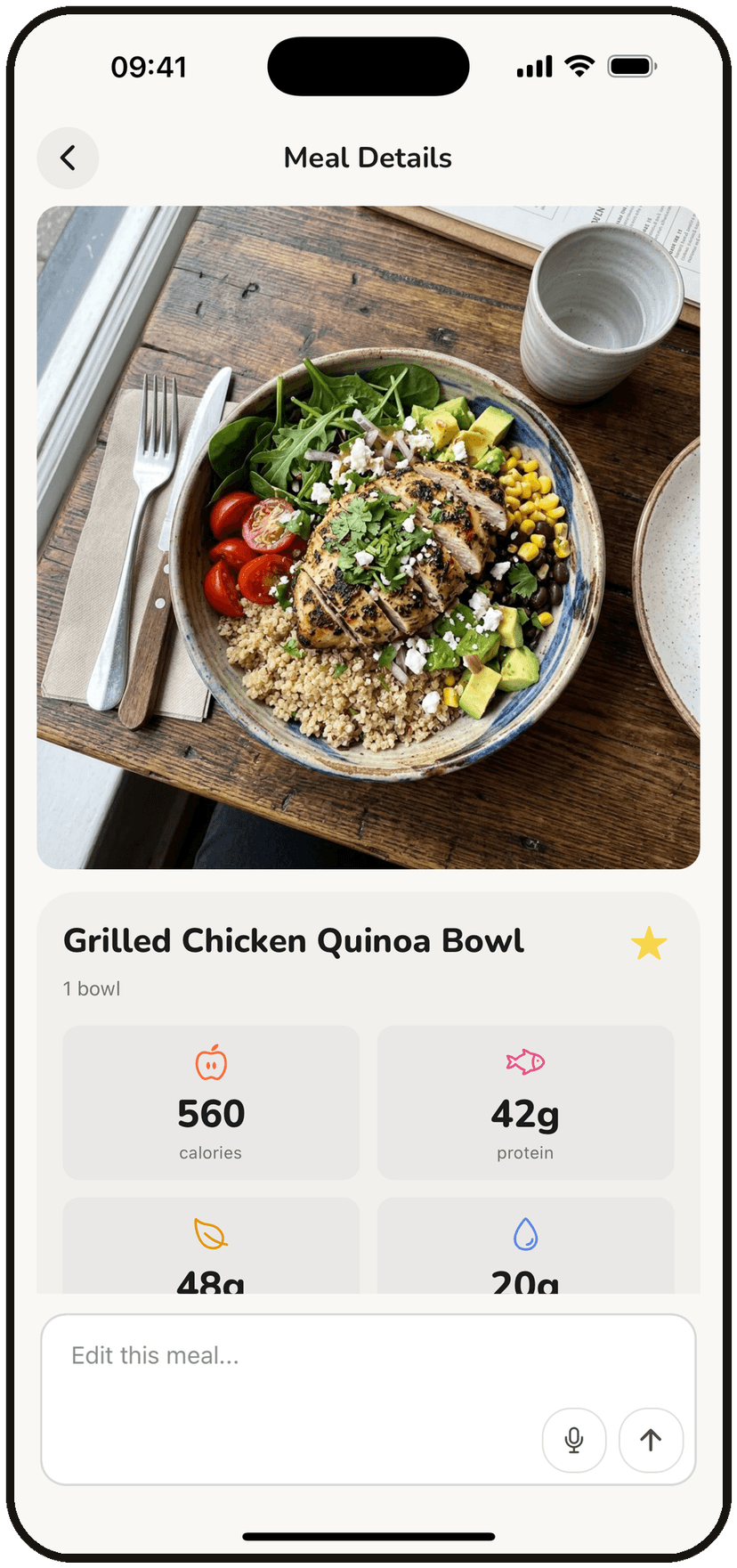
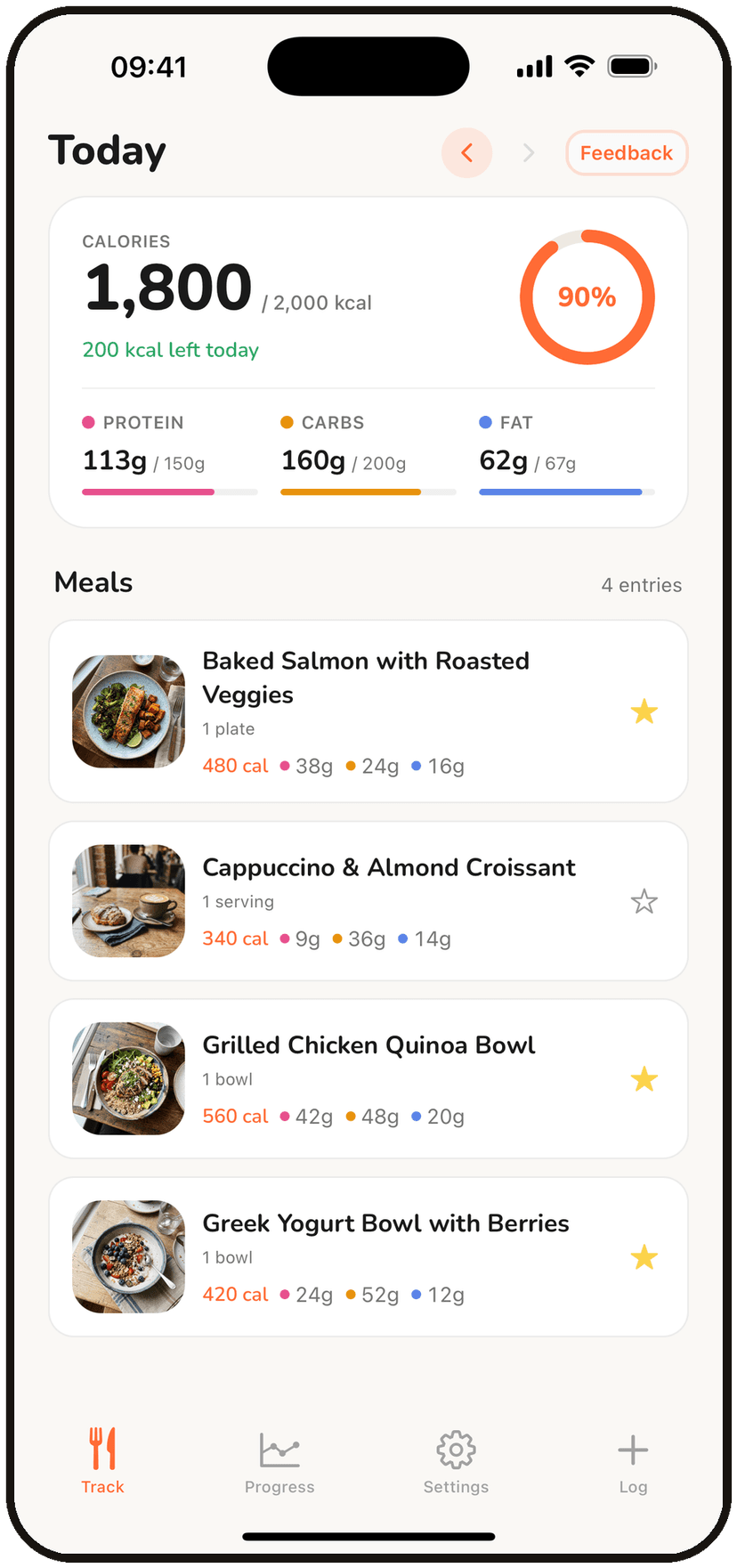
Portion guesses add up fast. BiteKit's AI estimates what's actually on your plate — oils, sides and all — so your log stays close to what you really ate.
- Log meals by photo, voice, or text
- Calories & macros estimated in seconds
- Syncs with Apple Health and Apple Watch
Free download · 3-day free trial, cancel anytime.
Scan with your iPhone camera