Extended Fasting Timeline Calculator
See exactly what happens in your body hour by hour during an extended fast — from blood sugar stabilizing and glycogen depletion through ketosis, autophagy, and stem cell regeneration.
Medical disclaimer: Extended fasting beyond 24 hours should be done under medical supervision. This tool is for educational purposes only and does not constitute medical advice.
Your Fasting Details
When your last meal ended / fast begins
Affects lean mass and glycogen estimate
Affects when glycogen depletion starts
What Happens in Your Body During Extended Fasting?
Extended fasting triggers a cascade of metabolic changes that go far beyond simple calorie restriction. Understanding these stages helps you know what your body is doing and how to support it at each phase.
Phase 1: Fed to Fasted (0–12h)
Insulin falls, blood glucose normalizes, and the body begins tapping liver glycogen. This is the phase most people experience daily with an overnight fast.
Phase 2: Glycogen Depletion (8–18h)
Liver glycogen depletes, forcing the body to ramp up fat oxidation and begin producing ketones. Timing varies significantly based on activity level and last meal carbohydrate content.
Phase 3: Ketosis (18–36h)
Beta-hydroxybutyrate (BHB) rises to measurable levels. The brain shifts from glucose to ketones as its primary fuel. Growth hormone surges 300–500% to preserve muscle mass.
Phase 4: Deep Autophagy (36–72h+)
Cellular autophagy is maximally upregulated. Damaged proteins and organelles are recycled. At 72h+, Valter Longo's research indicates stem cell regeneration and immune system reset signals are activated.
Glycogen Depletion: The Metabolic Crossover
Glycogen depletion is the pivotal transition in fasting metabolism. Before it happens, your body relies primarily on glucose. After it, fat becomes the dominant fuel source.
- Liver glycogen (~100g): Used primarily to maintain blood glucose between meals. Depletes within the first 8–12 hours of fasting.
- Muscle glycogen (~300–500g): Scales with lean muscle mass. Used by working muscles but also contributes to systemic glucose availability. Depletes more slowly during rest.
- Last meal composition matters: A high-carbohydrate meal refills glycogen stores more completely, delaying depletion by ~4 hours. A keto or low-carb meal means stores are already partially depleted at fast onset, accelerating the crossover by ~4 hours.
- Activity level matters: Even light walking meaningfully accelerates glycogen oxidation, while sedentary rest conserves stores.
Autophagy: Cellular Self-Cleaning
Autophagy (from Greek: “self-eating”) is the process by which cells break down and recycle damaged components — misfolded proteins, dysfunctional organelles, and cellular debris. It was the subject of the 2016 Nobel Prize in Physiology or Medicine (Yoshinori Ohsumi).
During fasting, the nutrient-sensing pathway mTOR is suppressed and AMPK is activated, together triggering autophagy. The effect becomes substantial around 24 hours and is maximized at 48–72 hours. Research suggests autophagy plays a role in:
- Clearance of damaged proteins linked to neurodegenerative diseases
- Elimination of dysfunctional mitochondria (mitophagy)
- Reduced cellular aging signals
- Potential benefits for metabolic disease markers
Growth Hormone and Muscle Preservation
One of the counterintuitive findings of fasting research is that muscle mass is better preserved than expected during short and medium-length fasts. The mechanism: growth hormone (GH) surges dramatically — studies show increases of 300–500% — at around the 24-hour mark of fasting.
This GH surge serves as the body's muscle-preservation strategy. By mobilizing fat stores more aggressively (lipolysis), GH reduces the need for gluconeogenesis from amino acids, thereby sparing muscle protein. This is one reason extended fasting differs metabolically from simple caloric restriction.
The 72-Hour Milestone: Stem Cell Regeneration
Dr. Valter Longo's laboratory at the University of Southern California published landmark research showing that a 72-hour fast causes a significant drop in IGF-1 (insulin-like growth factor 1) and PKA (protein kinase A), which in turn triggers hematopoietic stem cell activation and regeneration of the immune system.
The research suggests that old, damaged immune cells are broken down during the fast, and new immune cells are generated from stem cells during the refeeding phase. This has been studied as a potential adjunct therapy for chemotherapy patients whose immune systems are compromised.
Important: A 72-hour fast is medically significant and carries real risks including severe electrolyte imbalances, refeeding syndrome, and hypoglycemia. It should only be attempted under physician supervision with regular blood monitoring.
Electrolytes During Extended Fasting
As insulin falls during fasting, the kidneys excrete more sodium, which takes potassium and magnesium with it. This is why electrolyte depletion — not hunger — is often the real cause of fasting side effects like headaches, muscle cramps, fatigue, and heart palpitations.
- Sodium: The most critical. Add ¼ tsp of pink salt or sea salt to water every few hours during a fast exceeding 24 hours.
- Potassium: Found in electrolyte supplements. Low potassium can cause heart arrhythmias during extended fasting.
- Magnesium: Important for sleep quality and muscle function. Magnesium glycinate or malate supplements are generally well-tolerated while fasting.
Frequently Asked Questions
When does the body enter ketosis during fasting?
Most people begin producing measurable ketones between 16 and 24 hours into a fast, once liver glycogen stores are sufficiently depleted. The exact timing depends on your body weight, lean mass, activity level, and the composition of your last meal. A high-carbohydrate last meal delays ketosis onset; a keto or low-carb last meal accelerates it.
When does autophagy start during fasting?
Autophagy becomes significantly elevated after approximately 24–48 hours of fasting and is maximized around the 48–72 hour mark. Some autophagy signaling occurs even during shorter 16–18 hour fasts, but deep autophagy requires extended fasting periods.
What happens at 72 hours of fasting?
Based on research by Dr. Valter Longo, a 72-hour fast triggers stem cell regeneration and immune system reset. The body breaks down old immune cells and signals new ones from hematopoietic stem cells. 72-hour fasts should only be attempted under medical supervision.
Does body weight affect fasting metabolic stages?
Yes. Heavier individuals with more lean muscle mass carry larger glycogen stores, meaning it can take slightly longer for glycogen to fully deplete. This calculator estimates personalized glycogen stores using ~100g liver glycogen plus muscle glycogen scaled to your lean mass.
Is extended fasting safe?
Short fasts of 16–24 hours are generally safe for healthy adults. Fasts beyond 24 hours carry risks including electrolyte imbalances and hypoglycemia. Fasts of 48–72+ hours should only be attempted under medical supervision. This tool is for educational purposes only.
How do I break an extended fast safely?
Refeeding after a prolonged fast requires care. Start with small, easily digestible foods like bone broth, a small portion of eggs, or avocado. Avoid large carbohydrate-rich meals immediately, as they can trigger refeeding syndrome in longer fasts. Gradually reintroduce normal meals over 24–48 hours after a 48–72h fast.
Related Tools
iPhone app · 3-day free trial
You're likely eating 500 calories more than you think
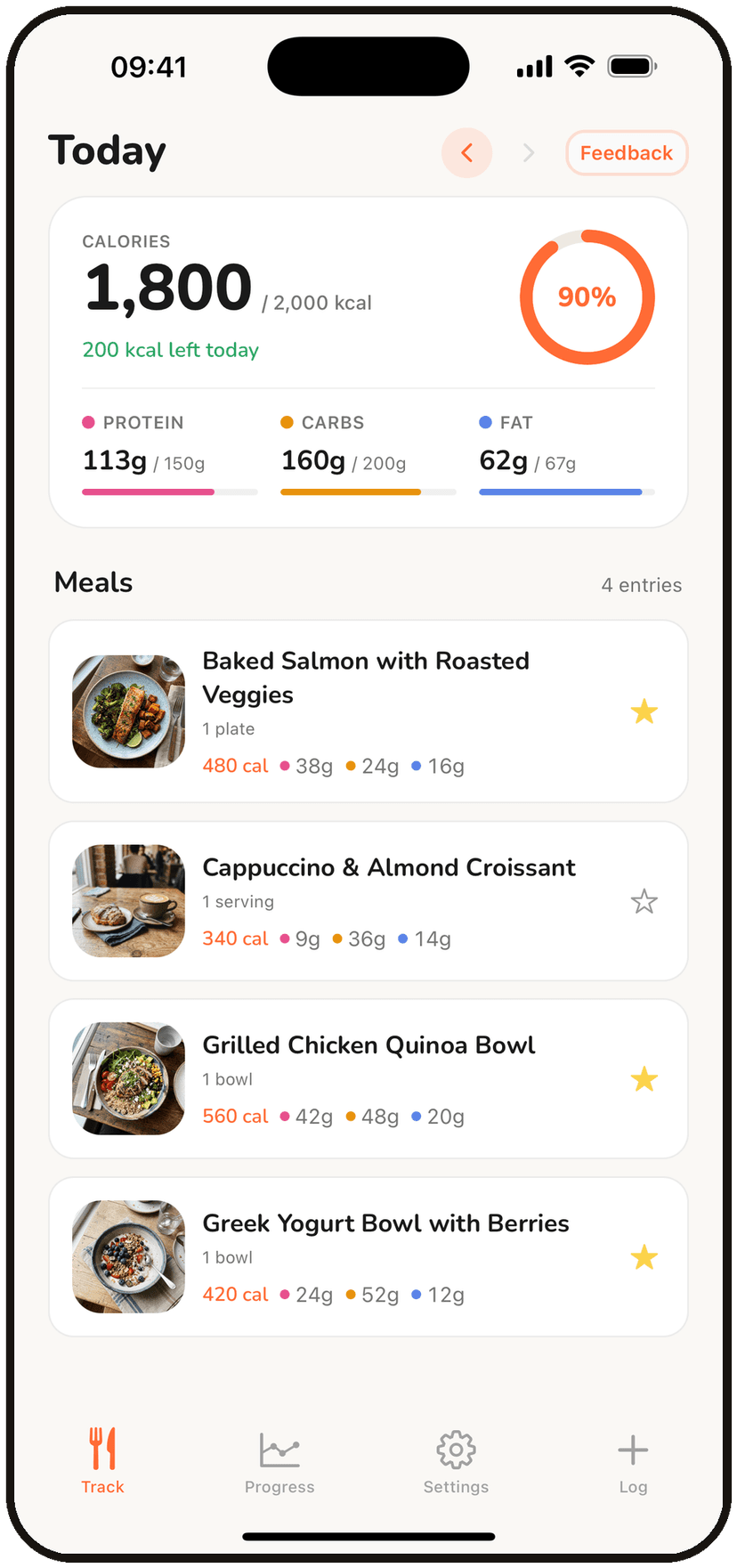
Portion guesses add up fast. BiteKit's AI estimates what's actually on your plate — oils, sides and all — so your log stays close to what you really ate.
- Log meals by photo, voice, or text
- Calories & macros estimated in seconds
- Syncs with Apple Health and Apple Watch
Free download · 3-day free trial, cancel anytime.
Scan with your iPhone camera