Fermented Food Intake Tracker
Log your daily servings of fermented foods and track progress toward the 4-serving-per-day target from the 2021 Stanford microbiome study. Variety across food types matters as much as quantity.
Today's Progress
Target: 4+ servings/day (Stanford 2021 study)
Start your fermented foods journey
Log the fermented foods you have eaten today. Even one serving is a great start.
What counts as a “live culture” food?
A fermented food only supports gut health if it contains live microorganisms at the time you eat it. Heat-pasteurized products (canned sauerkraut, shelf-stable kombucha) no longer contain live cultures. Look for refrigerated products with labels reading “live and active cultures” or “raw”.
Dairy
Yogurt (plain)
1 serving = 3/4 cup (170g)
Must contain "live and active cultures" label
Greek Yogurt
1 serving = 3/4 cup (170g)
Higher protein; same live culture requirement
Kefir
1 serving = 1 cup (240ml)
Among the highest probiotic counts of any food
Lassi
1 serving = 1 cup (240ml)
Traditional fermented dairy drink from India
Cottage Cheese (live culture)
1 serving = 1/2 cup (113g)
Only counts if the label lists "live and active cultures"
Vegetables
Kimchi
1 serving = 1/4 cup (40g)
Look for refrigerated, raw kimchi — not pasteurized
Sauerkraut
1 serving = 1/4 cup (35g)
Must be raw/refrigerated — canned versions are pasteurized
Traditional Pickles (brine-fermented)
1 serving = 2 spears
Lacto-fermented only — vinegar pickles do not count
Beverages
Kombucha
1 serving = 8 oz (240ml)
Check sugar content; some brands are very high
Kvass
1 serving = 8 oz (240ml)
Fermented beet or bread beverage
Soy & Fermented Grains
Miso
1 serving = 1 tbsp (16g)
Don't boil — heat above 115°F kills live cultures
Tempeh
1 serving = 3 oz (85g)
Also very high in protein (~16g per 3 oz)
Natto
1 serving = 1 oz (28g)
Exceptionally high in vitamin K2 (MK-7)
Other
Apple Cider Vinegar (raw/with mother)
1 serving = 1 tbsp
Only "with the mother" versions contain live cultures
The Stanford Study: Why 4–6 Servings?
In 2021, researchers at Stanford University published a landmark randomized controlled trial in the journal Cell (Wastyk et al.) that compared two dietary interventions over 10 weeks: a high-fermented-food diet and a high-fiber diet. Participants in the fermented food group ate an average of 6.3 servings per day of foods such as yogurt, kefir, fermented cottage cheese, kimchi, and kombucha.
The results were striking: the fermented food group saw a 19% average increase in microbiome diversity — a key measure of gut health associated with reduced risk of obesity, diabetes, and inflammatory disease. Simultaneously, 19 inflammatory proteins decreased, including some linked to type 2 diabetes, rheumatoid arthritis, and chronic stress responses. The high-fiber group did not show the same microbiome diversity gains, though fiber still provided other benefits.
The 4-serving-per-day target used in this tracker represents the minimum threshold associated with meaningful microbiome changes in the study data, while 6 servings represents the study average for the high-fermented-food group.
What Makes a Fermented Food Actually Count?
Not all products labeled “fermented” contain live microorganisms. For a fermented food to benefit your microbiome, it must still harbor living bacteria or yeast at the time you consume it. This is where most commercial products fall short.
- Pasteurization kills cultures: Canned sauerkraut, most shelf-stable kombucha, and commercial miso soup mixes are pasteurized. The fermentation happened, but the live organisms are gone. Look for refrigerated, raw, or unpasteurized versions.
- Heat destroys probiotics during cooking: Miso stirred into boiling broth, sauerkraut cooked into a stew, or kimchi fried in a pan lose their live cultures. Eat these foods cold or add them after cooking for microbiome benefit.
- Vinegar-pickled foods do not count: Most grocery store pickles, olives, and pepperoncini are made with vinegar, not lacto-fermentation. True lacto-fermented pickles are found in the refrigerated section and list only salt and water as preservatives.
- Look for these label signals: “Live and active cultures,” “raw,” “unpasteurized,” or “naturally fermented.” In the US, the National Yogurt Association seal requires at least 100 million live cultures per gram.
Fermented Foods Guide by Category
Fermented Dairy
Yogurt, Greek yogurt, kefir, and lassi are the most accessible fermented foods in Western diets. Kefir is particularly potent, containing 12+ distinct bacterial strains plus beneficial yeasts — far more diversity than most yogurts. Plain full-fat yogurt with no added sugar and a live culture seal is the simplest daily option. Look for brands listing specific strains like L. acidophilus, Bifidobacterium, and L. casei.
Fermented Vegetables
Kimchi and sauerkraut are both lacto-fermented cabbage products rich in Lactobacillus species. Kimchi additionally contains garlic, ginger, and chili — all prebiotics and antimicrobial compounds that support the fermented bacteria. A quarter cup (40g) is a standard serving; these are easy to add as a condiment to eggs, rice bowls, or sandwiches. For raw pickles, look for them refrigerated near specialty foods — not in the shelf-stable pickle aisle.
Fermented Beverages
Kombucha is the most popular fermented beverage in North America. It is made by fermenting sweetened tea with a SCOBY (symbiotic culture of bacteria and yeast) for 7–30 days. The final product contains live cultures, organic acids, and small amounts of alcohol. Watch the sugar content — some brands contain 12–15g per bottle. Raw kvass (fermented beet or bread) is a traditional Eastern European alternative with a savory, earthy flavor.
Soy-Based Fermented Foods
Miso, tempeh, and natto are fermented soy products with dramatically different flavors and uses. Miso is a salty paste used in soups, dressings, and marinades. Tempeh is a firm, sliceable cake used as a high-protein meat substitute (16g protein per 3 oz serving). Natto is a sticky, strongly flavored traditional Japanese food made from whole soybeans — an acquired taste, but exceptionally high in vitamin K2 (MK-7), a nutrient most Westerners are deficient in.
Why Variety Matters as Much as Volume
Different fermented foods seed different bacterial strains. Eating four servings of plain yogurt daily will primarily deliver Lactobacillus bulgaricus and Streptococcus thermophilus — two strains primarily used in yogurt production. Eating one serving each of yogurt, kimchi, kombucha, and miso delivers species from completely different genera: Leuconostoc, Pediococcus, Acetobacter, and Aspergillus.
Microbiome diversity — measured by the number of distinct microbial species present — is a key biomarker for metabolic health, immune function, and mental health via the gut-brain axis. The Stanford study found that increasing fermented food variety was the strongest predictor of microbiome diversity gains, not simply eating more of one type.
A practical approach is to keep two or three different fermented foods in your refrigerator and rotate them throughout the week. Pair kimchi or sauerkraut with lunch, have yogurt or kefir at breakfast, and add miso paste to soups or dressings at dinner.
Building a Fermented Foods Habit
If you currently eat little to no fermented food, a sudden jump to 4–6 servings per day can cause temporary bloating, gas, or digestive discomfort as your gut microbiome adjusts. Start with 1 serving per day for one to two weeks, then increase by one serving per week until you reach 4 daily servings.
- Week 1–2: Add one daily serving — plain yogurt at breakfast is the lowest barrier to entry.
- Week 3–4: Add a second serving — try kefir as a mid-morning drink or sauerkraut as a lunch condiment.
- Week 5–6: Introduce a third serving from a different category — miso soup at dinner or kombucha with an afternoon snack.
- Week 7+: Reach four daily servings and focus on maximizing variety across at least 2–3 different food categories each day.
Frequently Asked Questions
How many servings of fermented foods should I eat per day?
The 2021 Stanford Cell study found that 4–6 servings per day significantly increased microbiome diversity and reduced inflammatory markers. Starting with 1–2 servings daily and working up to 4 is a practical approach, especially if your current intake is near zero.
Do all fermented foods contain live cultures?
No. Many commercial fermented products are pasteurized after fermentation, killing the live bacteria. Always look for refrigerated products labeled "live and active cultures," "raw," or "unpasteurized." Canned sauerkraut and shelf-stable kombucha do not contain live cultures.
What are the best fermented foods for gut health?
Kefir is among the highest in probiotic diversity. Plain yogurt, kimchi, sauerkraut, miso, and tempeh are excellent options. Variety is more important than quantity from a single source, as different foods provide different bacterial strains.
Does cooking fermented foods destroy the probiotics?
Yes. Heat above approximately 115°F (46°C) kills most live cultures. Stir miso into soups after removing from heat. Eat kimchi and sauerkraut raw as condiments rather than cooked ingredients when the goal is probiotic benefit.
Can I eat too many fermented foods?
Most healthy adults tolerate fermented foods well. People with histamine intolerance may react to high-histamine foods like sauerkraut or kimchi. Kombucha contains small amounts of alcohol and caffeine. If you are immunocompromised, consult a doctor before significantly increasing live-culture food intake.
Are store-bought pickles fermented?
Most grocery store pickles are made with vinegar, not lacto-fermentation, so they do not contain live cultures. True lacto-fermented pickles are made with only salt and water and are found refrigerated. Brands like Bubbies are widely available lacto-fermented options.
Related Tools
iPhone app · 3-day free trial
You're likely eating 500 calories more than you think
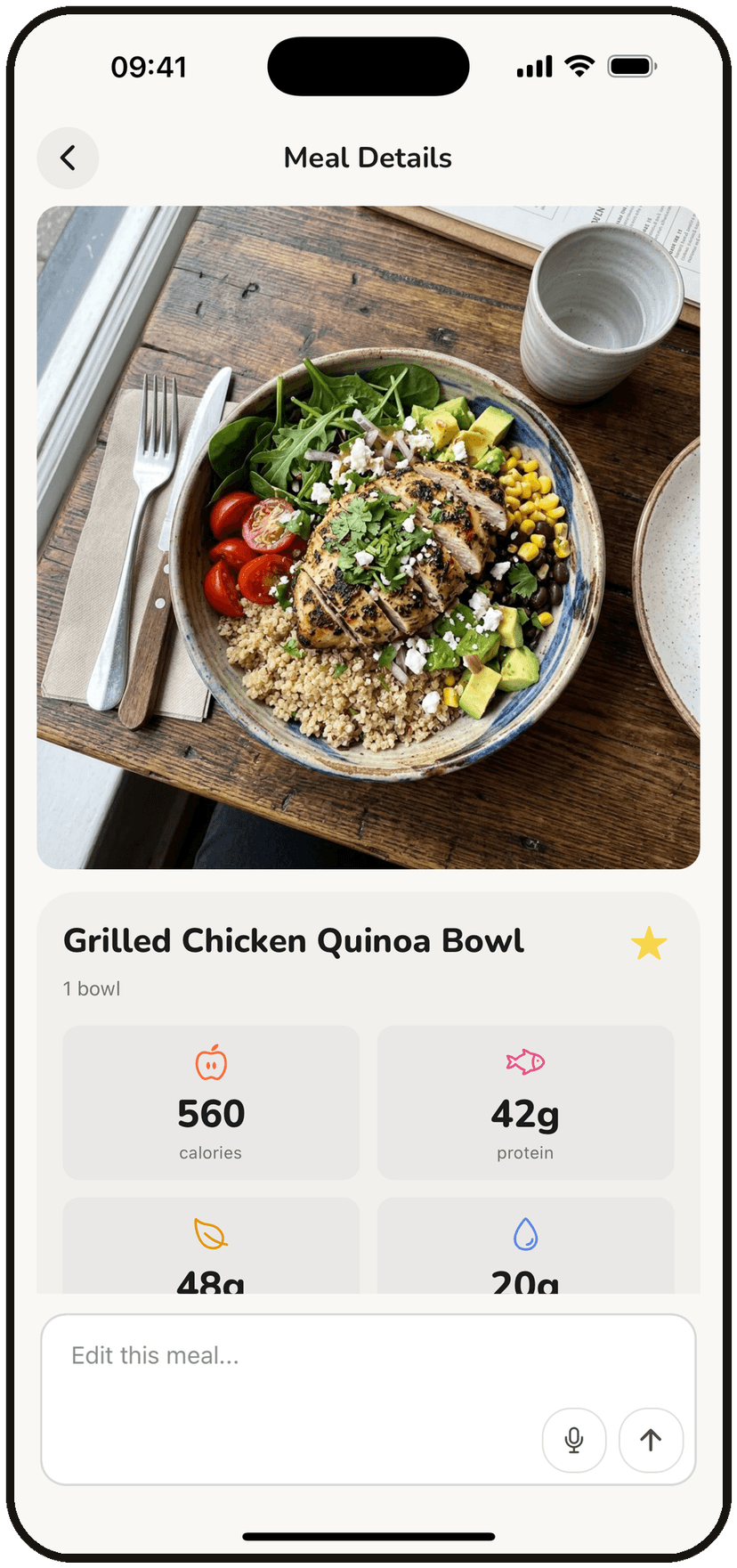
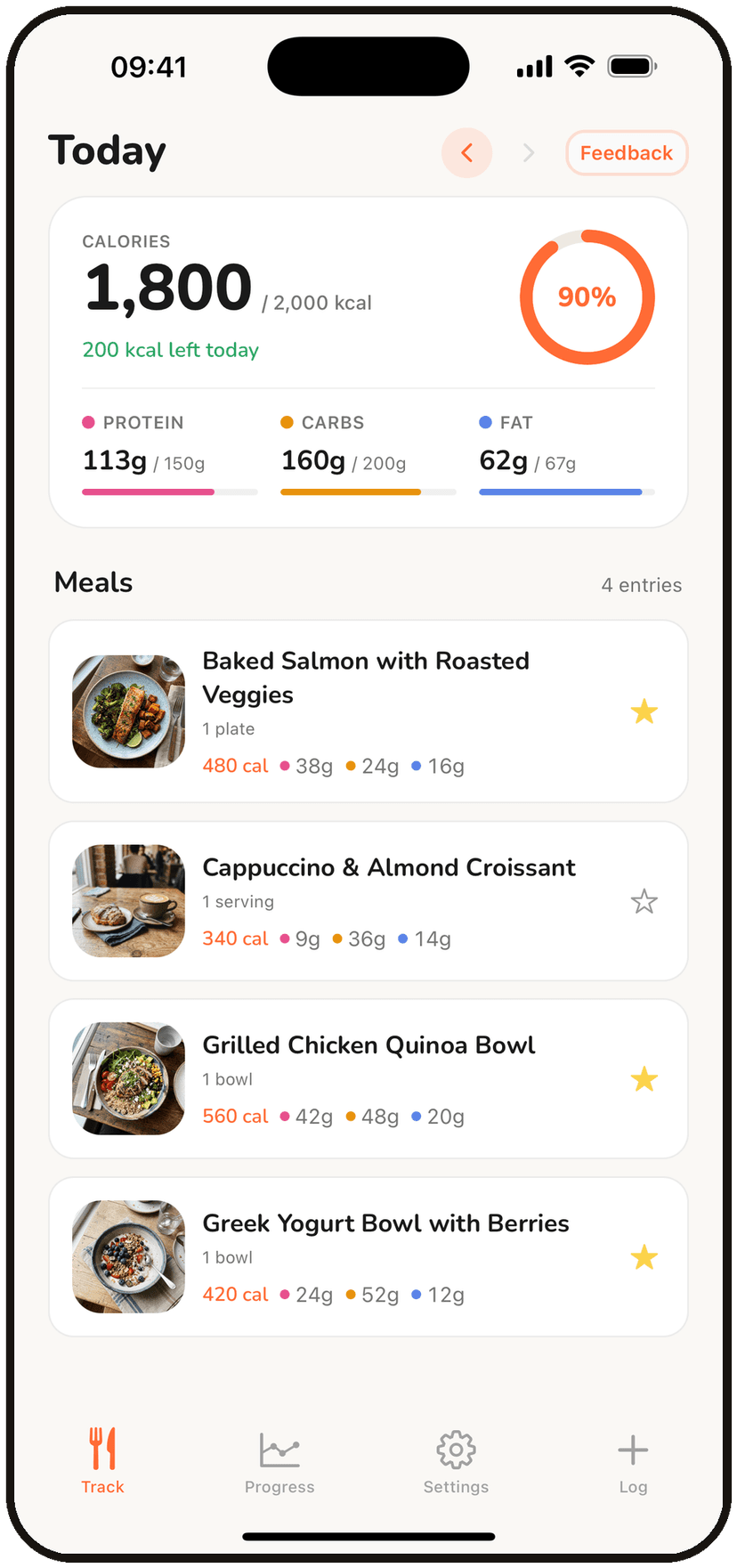
Portion guesses add up fast. BiteKit's AI estimates what's actually on your plate — oils, sides and all — so your log stays close to what you really ate.
- Log meals by photo, voice, or text
- Calories & macros estimated in seconds
- Syncs with Apple Health and Apple Watch
Free download · 3-day free trial, cancel anytime.
Scan with your iPhone camera